
If you want to keep your single-species tank healthy and thriving, choosing the right filter media is key. The perfect filter media doesn’t just clean the water; it creates a stable environment that helps your fish or aquatic creatures feel at home.
But with so many options out there, how do you know which one suits your tank best? You’ll discover simple tips and insider advice to pick the ideal filter media that matches your tank’s unique needs. Keep reading to unlock the secret to crystal-clear water and happy, healthy aquatic life!
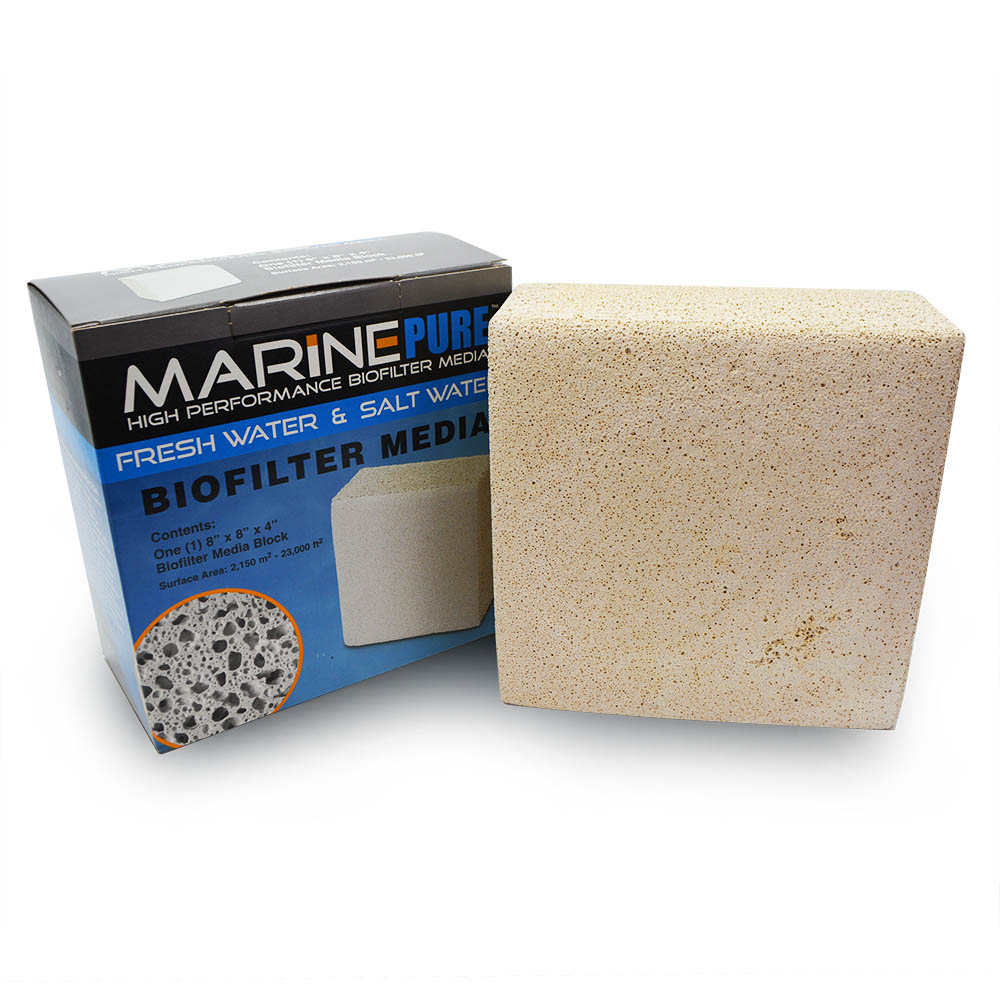
Credit: www.saltwateraquarium.com
Types Of Filter Media
Filter media help keep water clean in single-species tanks. They remove waste and harmful substances. Using the right media improves tank health.
There are three main types of filter media. Each type plays a special role in the filtration process. Understanding them helps you choose the best for your tank.
Mechanical Media
Mechanical media trap solid waste and debris from the water. They help keep the tank clear and prevent clogging of other filters.
- Foam pads
- Filter floss
- Sponge filters
- Polyester pads
Biological Media
Biological media support beneficial bacteria growth. These bacteria break down harmful ammonia and nitrites into less toxic nitrates.
| Type | Description | Common Materials |
|---|---|---|
| Bio Balls | Plastic balls with high surface area for bacteria | Plastic |
| Ceramic Rings | Porous rings that hold bacteria well | Ceramic |
| Bio Foam | Foam that provides space for bacteria growth | Foam |
Chemical Media
Chemical media remove toxins and odors from the water. They help improve water clarity and quality by absorbing impurities.
Examples of chemical media include:
- Activated carbon
- Zeolite
- Phosphate removers

Credit: sevenports.com
Choosing Media For Single-species Tanks
Filter media is crucial for maintaining a healthy tank environment. Choosing the right media can improve water quality for your single-species tank.
Consider the specific needs of your species, the size of your tank, and how water parameters impact your choices.
Species-specific Needs
Different species require different water conditions. Some species need extra filtration to thrive.
Research your species to understand their specific needs. This will help you choose the best filter media.
- Goldfish produce more waste, needing higher filtration.
- Betta fish prefer gentler water flow.
- Cichlids may need media that supports high pH.
Tank Size Considerations
Tank size affects the amount of filter media needed. Larger tanks require more media to maintain water quality.
Small tanks may need less media, but it should still match the species’ needs. Proper media choice ensures balanced filtration.
| Tank Size | Recommended Media |
| Small (up to 20 gallons) | Activated carbon, sponge filters |
| Medium (20-50 gallons) | Biological media, chemical media |
| Large (over 50 gallons) | Multi-stage filtration systems |
Water Parameters Impact
Water parameters like pH, hardness, and ammonia levels influence media choice. The right media helps stabilize these parameters.
Test water regularly to ensure it matches your species’ needs. Adjust media to maintain optimal conditions.
- pH buffers for stable pH levels
- Ammonia-absorbing media for cleaner water
- Softening media for species needing lower hardness
Mechanical Media Options
Mechanical media helps keep water clean in single-species tanks. It traps debris and particles. This keeps the water clear and safe for your fish.
There are several types of mechanical media to choose from. Each has its own benefits and uses. Knowing these options helps you pick the best one for your tank.
Foam Pads
Foam pads are popular mechanical media in fish tanks. They come in different thicknesses and densities. Foam pads trap larger debris while allowing water to flow through.
They are easy to clean and reuse. Foam pads also provide some surface area for beneficial bacteria to grow. This helps with biological filtration.
Filter Floss
Filter floss is a fine, soft material used to catch tiny particles. It helps polish the water to make it crystal clear. Filter floss works well after foam pads remove larger debris.
It is replaceable and should be changed regularly. This prevents clogging and keeps the filter working well. Filter floss is ideal for tanks needing extra clarity.
Sponges
Sponges are thick and porous. They trap debris and also offer space for good bacteria. This makes sponges a good choice for both mechanical and biological filtration.
Sponges are durable and easy to clean. They come in many shapes and sizes. Use sponges in your filter to maintain clean water and a healthy tank environment.
Biological Media Benefits
Biological media helps keep single-species tanks clean. It supports beneficial bacteria that break down waste.
This process improves water quality and keeps fish healthy. Different media types work best in different tanks.
Bio Balls
Bio balls have a large surface area for bacteria to grow. They let water flow easily around them.
These balls are lightweight and easy to clean. They provide good oxygen flow for bacteria health.
Ceramic Rings
Ceramic rings have many tiny holes. These holes offer space for beneficial bacteria to live.
The rings are durable and last a long time. They work well in most filter types.
Lava Rock
Lava rock has a rough texture and many pores. It provides a natural home for helpful bacteria.
This rock helps filter water and reduce toxins. It also adds a natural look to your tank.
Chemical Media Uses
Chemical media help keep water clean in single-species tanks. They remove unwanted chemicals and toxins.
Using the right chemical media improves fish health and water clarity. Different media target different impurities.
Activated Carbon
Activated carbon removes odors, discoloration, and harmful chemicals from the water. It works by trapping molecules in its porous surface.
It is useful for clearing tank water after medication or pollution. Activated carbon should be replaced regularly to keep working well.
Zeolite
Zeolite is a natural mineral that absorbs ammonia. Ammonia is toxic to fish and can build up quickly in tanks.
- Removes ammonia and some heavy metals
- Improves water quality and safety
- Often used in freshwater tanks
- Needs to be replaced after saturation
Phosphate Removers
Phosphate removers reduce phosphate levels that cause algae growth. Controlling phosphates helps keep tanks clean.
| Type | Function | Replacement Frequency |
| Granular Ferric Oxide | Binds phosphates | Every 4-6 weeks |
| Lanthanum Crystals | Prevents algae growth | Every 6-8 weeks |
| Aluminum-Based Media | Reduces phosphate | Every 4-6 weeks |

Credit: www.2hraquarist.com
Media Maintenance Tips
Filter media keeps your single-species tank clean and healthy. Proper care helps the media work well longer.
Follow simple tips to maintain your filter media and protect your tank’s environment.
Cleaning Frequency
Clean your filter media regularly but not too often. This keeps bacteria healthy and removes waste.
A good rule is to clean the media every 2 to 4 weeks. Check for dirt or clogging in your filter.
- Look for slower water flow as a sign to clean
- Use tank water to rinse media gently
- Avoid using tap water to keep good bacteria alive
Replacement Guidelines
Replace filter media when it breaks down or loses effectiveness. Some media lasts longer than others.
Check the manufacturer’s advice for lifespan. Replace media every 6 to 12 months if unsure.
- Replace carbon media monthly for best results
- Mechanical sponges may last 3 to 6 months
- Biological media can last up to a year or more
Avoiding Over-cleaning
Do not clean filter media too much or too hard. Over-cleaning removes helpful bacteria.
Gently rinse media only when needed. This keeps the tank’s nitrogen cycle stable and fish healthy.
- Use gentle shaking or soft squeezing in tank water
- Do not scrub or use soap on media
- Keep some old media to seed new filter material
Optimizing Filtration Setup
Setting up filter media correctly is important for single-species tanks. Good filtration keeps water clean and fish healthy.
Using the right layers and managing flow helps the filter work well. Placement also affects how well the tank stays clean.
Layering Media
Place filter media in layers to improve cleaning. Start with coarse media to catch big debris.
Next, add finer media to remove smaller particles. Biological media should be last for good bacteria growth.
- Coarse sponge or foam
- Fine foam or floss
- Bio balls or ceramic rings
Flow Rate Management
Control water flow to avoid stressing your fish. Strong currents can tire fish and reduce filter efficiency.
Adjust flow so water moves slowly through the media. This gives bacteria time to clean the water.
- Lower flow for small or calm fish
- Higher flow for active species
- Use valves or adjustable pumps
Filter Placement
Place the filter where water circulates well in the tank. Avoid spots with poor flow or dead zones.
Position intake near the bottom to remove debris. Place outflow near the surface to oxygenate water.
- Intake near substrate or debris zones
- Outflow near water surface
- Keep filter easy to access for cleaning
Troubleshooting Cloudy Water
Cloudy water in single-species tanks can be frustrating for aquarists. It often signals problems with the filter media or water quality.
Understanding why water turns cloudy helps keep your tank healthy and clear. Troubleshooting involves checking causes, media, and circulation.
Identifying Causes
Cloudy water can come from several sources. Sometimes, it is due to bacterial blooms or dirt in the tank.
- New tank cycling creates bacterial clouds.
- Overfeeding adds excess waste.
- Dirty substrate stirs up particles.
- Dead plants or animals decay.
- Filter media may be clogged or old.
Adjusting Media Types
Choosing the right filter media clears water faster. Mechanical, biological, and chemical media each serve a role.
| Media Type | Purpose | Example |
| Mechanical | Traps debris | Sponge, Filter Floss |
| Biological | Supports bacteria | Ceramic Rings, Bio Balls |
| Chemical | Removes toxins | Activated Carbon |
Check media regularly. Replace or rinse mechanical media often. Avoid over-cleaning biological media.
Improving Water Circulation
Good water flow helps clear cloudy water by moving particles to the filter. Poor circulation causes dead spots.
- Use powerheads or extra pumps to boost flow.
- Position filters to create gentle currents.
- Clean filters and pipes to avoid blockages.
- Remove debris that blocks water paths.
- Check for air bubbles that reduce flow.
Frequently Asked Questions
What Is The Best Filter Media For Single-species Tanks?
The best filter media depends on the species’ waste type and tank size. Biological media supports beneficial bacteria. Mechanical media traps debris. Chemical media removes toxins. Combining media types optimizes water quality for single-species tanks.
How Often Should Filter Media Be Replaced In Single-species Tanks?
Replace filter media based on its type and tank conditions. Mechanical media may need weekly changes. Biological media lasts longer but requires gentle cleaning. Chemical media often needs monthly replacement. Regular maintenance ensures effective filtration and healthy tank water.
Can Filter Media Affect Fish Health In Single-species Tanks?
Yes, filter media directly impacts water quality. Poor filtration causes toxic buildup, stressing fish. Proper media promotes beneficial bacteria growth and toxin removal. Using suitable media maintains stable water parameters and supports fish health.
What Types Of Filter Media Are Safe For Single-species Tanks?
Safe filter media include sponge, ceramic rings, activated carbon, and bio-balls. These materials support biological filtration and remove impurities without harming fish. Avoid media that release harmful chemicals or degrade water quality.
Conclusion
Choosing the right filter media keeps your single-species tank clean and healthy. Each type helps remove waste and supports good bacteria growth. Regularly check and replace the media to maintain water quality. Clean water means happier fish and fewer problems.
Simple care makes a big difference in your tank’s success. Keep it clear, keep it safe, and enjoy a thriving underwater world.