
Are you struggling to keep your nano aquarium crystal clear and healthy? Choosing the right filter media can make all the difference in maintaining a vibrant, thriving tiny aquatic world.
You’ll discover exactly what filter media works best for your nano aquarium, how it keeps your water clean, and why it’s essential for your fish and plants to flourish. Ready to unlock the secret to a spotless tank? Keep reading to find out how to boost your aquarium’s health with the perfect filtration setup.

Credit: chempacking.en.made-in-china.com
Types Of Filter Media
Filter media help keep nano aquariums clean and healthy. They remove waste and harmful substances from the water.
There are three main types of filter media. Each type has a special role in the filtration process.
Mechanical Media
Mechanical media traps particles and debris from the water. This keeps the water clear and stops waste from building up.
- Foam pads
- Filter floss
- Sponge filters
- Polyester pads
Biological Media
Biological media supports helpful bacteria. These bacteria break down harmful waste like ammonia and nitrites.
| Type | Description |
| Ceramic Rings | Porous and provide surface for bacteria to grow |
| Bio Balls | Plastic balls with large surface area for bacteria |
| Lava Rock | Natural rock that holds bacteria well |
| Sponges | Also offer space for bacteria in addition to mechanical filtering |
Chemical Media
Chemical media removes toxins and odors from the water. It improves water quality by absorbing unwanted substances.
Common chemical media types include:
- Activated carbon – removes odors and discoloration
- Zeolite – absorbs ammonia from the water
- Phosphate removers – reduce algae growth
Choosing Media For Nano Aquariums
Choosing the right filter media is important for nano aquariums. The small size of these tanks needs special care.
Good filter media helps keep the water clean and safe for your fish and plants.
Space Constraints
Nano aquariums have limited space for filter media. You must pick media that fits well without crowding the tank.
- Choose compact media with high surface area
- Avoid bulky materials that reduce water flow
- Use media that is easy to clean and replace
- Consider media that combines mechanical and biological filtration
Flow Rate Considerations
The flow rate affects how well the filter media works. Too fast water can push waste through without filtering.
| Flow Rate | Effect on Filter Media |
| Low | May cause clogging or poor filtration |
| Moderate | Best for most filter media types |
| High | Can push debris through quickly |
Compatibility With Tank Inhabitants
Filter media should be safe for fish, shrimp, and plants. Some materials may change water chemistry.
- Use inert media that does not alter water pH
- Avoid sharp or rough media that can harm delicate species
- Check if media releases any substances toxic to your tank inhabitants
- Choose media that supports beneficial bacteria for a healthy environment
Mechanical Media Options
Filter media is crucial for maintaining clean water in nano aquariums. Mechanical media traps debris, improving water clarity.
Different types of mechanical media serve distinct purposes. Let’s explore some common options.
Foam Pads And Sponges
Foam pads and sponges are versatile and reusable. They capture large particles effectively, making them popular choices.
Filter Floss And Pads
Filter floss and pads are disposable options. They trap fine particles, keeping the water crystal clear.
| Material | Debris Size Captured |
| Foam Pads | Large |
| Filter Floss | Fine |
| Sponges | Medium |
Pre-filters
Pre-filters protect the main filter media by capturing large debris first. They extend the life of other filter media.
- Easy to clean and maintain
- Helps prevent clogging
- Improves overall filter efficiency

Credit: glassboxdiaries.com
Biological Media Choices
Biological media helps keep water clean by growing good bacteria. These bacteria break down waste in nano aquariums. Choosing the right media is key for healthy fish and plants.
There are several types of biological media. Each type offers different benefits for your aquarium filter. We will look at three popular choices.
Ceramic Rings
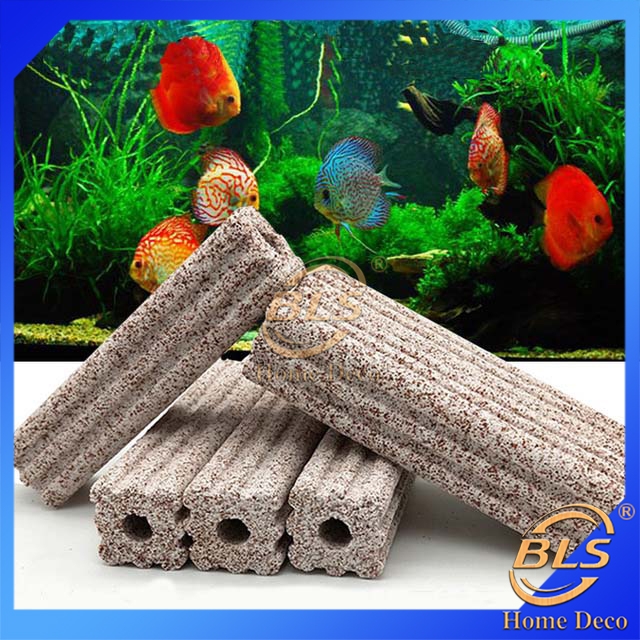
Ceramic rings have many tiny holes. These holes provide a large surface area for bacteria to grow. They are durable and easy to clean. Ceramic rings help maintain stable water conditions in small tanks.
Bio Balls
Bio balls are plastic spheres with slots and holes. They allow water to flow freely around them. This design supports bacteria growth and oxygen exchange. Bio balls are lightweight and reusable.
- Easy to rinse without damaging bacteria
- Good for mechanical and biological filtration
- Can be used in hang-on-back or canister filters
Porous Stones
Porous stones are natural or synthetic rocks with many holes. They trap debris and provide space for bacteria. These stones improve water clarity and quality. Porous stones need gentle cleaning to protect bacteria.
| Type | Material | Benefits |
| Ceramic Rings | Ceramic | High surface area, durable |
| Bio Balls | Plastic | Good water flow, reusable |
| Porous Stones | Natural/Synthetic Rock | Traps debris, natural look |
Chemical Media Solutions
Chemical media play a key role in keeping nano aquariums clean and healthy. They remove harmful substances that can hurt fish and plants.
Using the right chemical media helps control water quality and maintain balance in small tanks.
Activated Carbon
Activated carbon removes impurities and odors from aquarium water. It adsorbs toxins and helps keep the water clear. This media is easy to use and works quickly.
Zeolite
Zeolite absorbs ammonia, which is harmful to fish. It helps control nitrogen levels and keeps the tank safe. Zeolite works best in freshwater nano aquariums.
Phosphate Removers
| Type | Function | Benefits |
| Granular Ferric Oxide | Removes phosphate | Prevents algae growth |
| Aluminum-Based Media | Reduces phosphate | Improves water clarity |
| Lanthanum-Based Media | Absorbs phosphate | Supports plant health |
Maintaining Filter Media
Filter media in nano aquariums keep water clean and healthy. Regular maintenance ensures the filter works well and fish stay happy.
Understanding how to clean and replace filter media is important. It helps in maintaining a balanced environment for your aquatic pets.
Cleaning Frequency
Cleaning frequency depends on the type of filter media. Check the manufacturer’s instructions for specific guidance.
Most filter media need cleaning every two to four weeks. This prevents clogging and ensures efficient filtration.
- Sponge filters: Clean every two weeks
- Activated carbon: Replace monthly
- Bio media: Rinse monthly
Proper Cleaning Techniques
Use aquarium water for cleaning filter media. This protects beneficial bacteria that help break down waste.
Avoid using tap water as it can harm beneficial bacteria. Gently rinse the media to remove debris without scrubbing too hard.
- Rinse sponge filters gently
- Swirl bio media in a bucket of tank water
- Avoid harsh cleaning tools
When To Replace Media
Knowing when to replace filter media is key. Some media need regular replacement, while others last longer.
Replace activated carbon monthly as it loses effectiveness. Bio media can last several years but may need replacement if damaged.
- Replace activated carbon every four weeks
- Inspect sponge filters for wear and tear
- Replace bio media if it breaks or degrades
Enhancing Water Clarity
Clear water is vital for a healthy nano aquarium. It helps fish and plants thrive. Good filtration and care keep water clean and bright.
Using the right methods can improve water clarity. This guide covers key ways to maintain clear water in small tanks.
Combining Filter Media
Using more than one type of filter media helps remove different kinds of waste. Mechanical media traps particles. Biological media breaks down harmful chemicals. Chemical media removes toxins and odors.
- Mechanical media like sponges or floss capture debris.
- Biological media such as ceramic rings support beneficial bacteria.
- Chemical media like activated carbon adsorbs pollutants.
Using Uv Sterilizers
UV sterilizers use ultraviolet light to kill algae and harmful microorganisms. This process reduces cloudiness and prevents disease. They work well with filter media to keep water clear.
| Benefit | Effect on Water |
| Kills algae | Reduces green water |
| Destroys bacteria | Prevents disease |
| Removes free-floating spores | Improves clarity |
Regular Water Changes
Changing water often removes dissolved waste and keeps water fresh. Small, frequent changes work best for nano tanks. This practice supports filter media and UV sterilizers.
- Replace 10-20% of water weekly.
- Use dechlorinated water at the right temperature.
- Remove leftover food and debris before changing water.
Credit: www.blshomedeco.com
Common Mistakes To Avoid
Using the right filter media is key for a healthy nano aquarium. Some mistakes can harm water quality and fish health. Avoid these common errors to keep your tank clean and safe.
This guide covers three major mistakes: overloading filter media, neglecting maintenance, and ignoring tank bioload. Learn what to watch out for and how to fix these issues.
Overloading Filter Media
Adding too much filter media can block water flow. This stops the filter from working well. Water moves slowly, and debris builds up.
Overloaded media can trap waste but also reduce oxygen for beneficial bacteria. This harms the tank’s balance and fish health.
- Use the right amount of media for your filter size.
- Check if water flows freely through the media.
- Replace or clean media if it clogs too fast.
Neglecting Maintenance
Not cleaning or replacing filter media causes dirt and toxins to build up. This lowers water quality and stresses fish.
Regular maintenance keeps the filter working well. It helps beneficial bacteria stay alive and removes harmful waste.
- Rinse media with tank water every 2-4 weeks.
- Replace chemical media as recommended by the manufacturer.
- Keep a cleaning schedule to avoid buildup.
Ignoring Tank Bioload
Too many fish or plants create a heavy bioload. Filter media can’t handle excess waste well. This causes poor water quality.
Match your filter media and size to your tank’s bioload. A small filter with heavy bioload will fail fast.
- Know your tank’s bioload before choosing filter media.
- Upgrade filter media or filter size if bioload increases.
- Feed fish properly to reduce waste.
Frequently Asked Questions
What Is The Best Filter Media For Nano Aquariums?
The best filter media for nano aquariums includes activated carbon, ceramic rings, and sponge. These provide mechanical, biological, and chemical filtration. They maintain water clarity and promote beneficial bacteria growth, essential for small aquatic environments.
How Often Should Filter Media Be Replaced In Nano Tanks?
Filter media in nano tanks should be replaced every 4 to 6 weeks. However, sponge filters can last longer if rinsed regularly. Regular replacement ensures efficient filtration and prevents harmful waste buildup.
Can I Use Multiple Filter Media Types Together?
Yes, combining filter media types enhances filtration. Mechanical media traps debris, biological media supports bacteria, and chemical media removes toxins. This combination maintains a balanced and healthy nano aquarium environment.
Does Filter Media Affect Water Flow In Nano Aquariums?
Filter media can influence water flow. Dense media like activated carbon may reduce flow rate. Choosing appropriate media and adjusting filter settings ensures optimal water circulation and filtration efficiency.
Conclusion
Choosing the right filter media keeps your nano aquarium clean and healthy. It helps remove dirt, waste, and harmful chemicals from the water. Good filter media supports beneficial bacteria that break down toxins. This creates a safe space for your fish and plants to thrive.
Regular care and proper filter media improve water quality. A clear, balanced aquarium looks beautiful and feels fresh. Small changes make a big difference in keeping your nano tank healthy. Keep learning and adjusting to find what works best for your setup.