
If you have a multi-species tank, you know how tricky it can be to keep the water clean and healthy for all your aquatic friends. Choosing the right filter media is one of the most important steps you can take to create a balanced environment.
But with so many options out there, how do you pick the best one for your unique tank? You’ll discover simple, effective ways to choose filter media that keeps your water clear, your fish happy, and your tank thriving. Keep reading—your underwater ecosystem will thank you!
Types Of Filter Media
Filter media are essential for keeping water clean in multi-species tanks. Different media types work in unique ways to remove waste and toxins. Choosing the right mix helps maintain a healthy environment for all tank inhabitants.
This guide covers four main types of filter media: mechanical, biological, chemical, and specialty. Each type plays a key role in filtering water effectively.
Mechanical Media
Mechanical media traps solid particles like uneaten food, fish waste, and debris. It helps keep the water clear and prevents clogging of other filter parts.
- Foam pads
- Filter floss
- Sponges
- Filter socks
Biological Media
Biological media provide a surface for beneficial bacteria to grow. These bacteria break down harmful ammonia and nitrite in the water, making it safe for fish and plants.
| Type | Description |
|---|---|
| Ceramic Rings | Porous rings that host good bacteria |
| Bio Balls | Plastic spheres with high surface area |
| Sponges | Provide space for bacteria and trap debris |
Chemical Media
Chemical media remove dissolved wastes and toxins not caught by mechanical or biological media. They help control odors and discoloration in the water.
- Activated carbon
- Zeolite
- Phosphate removers
- Resins
Specialty Media
Specialty media target specific problems or improve water quality in unique ways. They often combine features of other media types or add new benefits.
| Specialty Media | Purpose |
|---|---|
| Peat Moss | Softens water and lowers pH |
| Ion Exchange Resins | Remove heavy metals |
| Denitrifying Media | Reduce nitrate levels in low-oxygen zones |

Credit: glassboxdiaries.com
Choosing Media For Multi-species Tanks
Choosing the right filter media is crucial for multi-species tanks. Each species has different needs and preferences. Understanding these will help in selecting the best filter media.
Filter media must support the health of all tank inhabitants. It should ensure clean water and a balanced environment.
Compatibility With Different Species
Different species have unique water needs. Some prefer soft water, while others need hard water. Choose filter media that balances these requirements.
Consider the specific needs of each species in the tank. Research their compatibility with various filter media types.
- Activated carbon is good for chemical filtration.
- Ceramic rings help in biological filtration.
- Sponge filters work well for mechanical filtration.
Balancing Filtration Needs
Filtration needs vary by species and tank size. Balance mechanical, chemical, and biological filtration to maintain water quality.
Use a mix of filter media to address all filtration needs. This helps in keeping the water clean and healthy.
- Mechanical filters trap debris and particles.
- Chemical filters remove toxins and impurities.
- Biological filters promote beneficial bacteria growth.
Avoiding Harmful Materials
Some filter media can release harmful substances. Check for materials that may alter water chemistry negatively.
Avoid using media that can harm sensitive species. Ensure all media are safe and non-toxic for your aquatic pets.
| Filter Media | Considerations |
| Activated Carbon | May remove beneficial elements |
| Peat Moss | Can lower pH levels |
| Zeolite | Removes ammonia but may deplete minerals |
Mechanical Filtration Options
Mechanical filtration helps keep multi-species tanks clean by removing debris. It captures waste before it breaks down into harmful substances.
Choosing the right mechanical filter media improves water clarity and tank health. Different options work better for various tank setups.
Foam Pads And Sponges
Foam pads and sponges trap large particles as water flows through them. They provide good surface area for beneficial bacteria to grow.
These filter media come in different thicknesses and pore sizes. Thicker foam traps more debris but needs cleaning more often.
- Easy to clean and reuse
- Good for both freshwater and saltwater tanks
- Supports biological filtration alongside mechanical
Filter Floss And Pads
Filter floss and pads catch fine particles that foam pads might miss. They help keep the water very clear.
Floss is usually made from synthetic fibers and can be replaced regularly. Pads can be thicker and last longer between changes.
- Removes small debris and dust
- Often used as a final mechanical filter stage
- Must be replaced or rinsed to avoid clogging
Pre-filters And Mesh Bags
Pre-filters and mesh bags protect pumps and filters from large debris. They stop leaves, uneaten food, and fish waste from clogging equipment.
Mesh bags can hold filter media or be used alone. Pre-filters attach to intake tubes to catch debris before it enters the system.
- Extend pump and filter life
- Simple to clean and maintain
- Good for tanks with heavy debris load
Biological Filtration Essentials
Biological filtration is key to keeping multi-species tanks healthy. It uses beneficial bacteria to break down harmful waste.
This process helps keep water clean and safe for all tank inhabitants. Choosing the right filter media supports this natural cycle.
Bio Balls And Ceramic Rings
Bio balls provide a large surface area for good bacteria to grow. Ceramic rings work similarly by offering tiny pores for bacteria colonization.
Both types improve water quality by converting toxic ammonia and nitrites into less harmful nitrates.
Porous Rocks And Lava Stones
Porous rocks and lava stones add natural texture inside filters. Their rough surfaces give bacteria more space to thrive.
| Media Type | Porosity | Durability | Best Use |
| Porous Rocks | High | Medium | Large tanks with strong flow |
| Lava Stones | Very High | High | Natural aquascapes and biofilters |
Plant-based Media
Plant-based media uses natural fibers to support bacteria growth. These materials also help absorb some toxins and improve water clarity.
- Made from coconut coir, peat, or cellulose
- Biodegradable and eco-friendly
- Works well in low-flow tanks
- Needs regular replacement
Chemical Filtration Choices
Chemical filtration helps keep multi-species tanks clean and healthy. It removes harmful substances from the water that mechanical filters cannot catch. Choosing the right chemical filter media is key for different tank needs.
Here are some common chemical filtration options. Each works in a different way to improve water quality for your fish and plants.
Activated Carbon
Activated carbon is a popular choice for chemical filtration. It adsorbs odors, discoloration, and toxins from the water. This media works by trapping impurities on its surface.
- Removes chlorine and chloramine
- Reduces organic waste and odors
- Clears yellow or brown water tint
- Needs regular replacement to stay effective
Zeolite
Zeolite is a natural mineral used to remove ammonia from aquarium water. Ammonia is toxic to fish and can build up quickly in multi-species tanks. Zeolite traps ammonia ions and keeps water safe.
| Benefit | Details |
| Ammonia Removal | Effective in reducing toxic ammonia levels |
| Natural Mineral | Safe for fish and plants |
| Reusable | Can be rinsed and recharged with saltwater |
| Limited Duration | Needs replacement after saturation |
Phosphate Removers
Phosphate removers help control phosphate levels in the tank. High phosphate causes algae growth and poor water quality. These media bind phosphate molecules and stop algae from spreading.
Common phosphate remover types:
- Granular ferric oxide (GFO)
- Aluminum-based compounds
- Lanthanum-based media
Use phosphate removers carefully to avoid removing essential minerals.
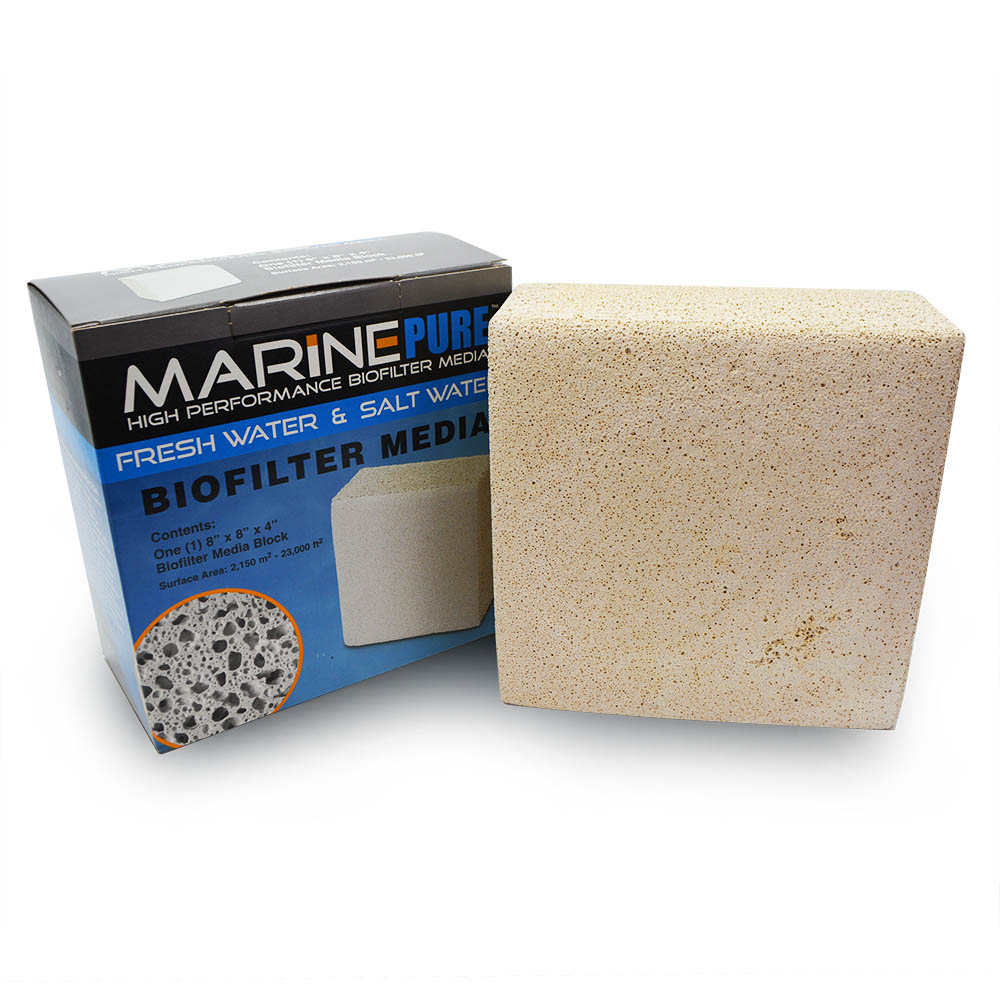
Credit: www.saltwateraquarium.com
Maintaining Filter Media
Filter media keeps your multi-species tank water clean. Proper care helps the media last longer and work well. Regular checks are key to a healthy tank environment.
This guide covers how to clean filter media, when to replace it, and how to avoid clogging problems.
Cleaning Techniques
Cleaning filter media removes trapped dirt and debris. Use water from the tank to rinse the media. Avoid tap water, which can kill beneficial bacteria.
- Rinse gently to keep bacteria alive
- Use a bucket with tank water for cleaning
- Do not use soap or chemicals
- Clean media every 2 to 4 weeks
When To Replace Media
Filter media wears out and loses effectiveness over time. Replace it to keep your tank water clear and safe for all species.
| Type of Media | Replacement Time | Signs to Replace |
| Foam Pads | 6-12 months | Crumbled or torn |
| Ceramic Rings | 1-2 years | Clogged or broken |
| Carbon | 1 month | Loss of filtering power |
| Bio Balls | 2-3 years | Excessive algae growth |
Preventing Media Clogging
Clogged media lowers water flow and filter efficiency. Follow these tips to keep media clear and working well.
- Feed fish the right amount to avoid waste
- Do not overstock the tank with too many fish
- Perform regular water changes
- Clean filter media on schedule
- Check and clean pre-filters often
Optimizing Water Clarity
Keeping water clear in multi-species tanks is important for fish health. Clear water helps all species thrive together.
Filter media plays a key role in cleaning water. Using the right filter media can reduce debris and improve water quality.
Combining Media Types
Using different filter media types together works best. Mechanical media removes large particles. Biological media breaks down waste.
Combining these media types keeps water clear and safe. It also supports the natural balance inside the tank.
- Mechanical media: sponges, filter floss
- Biological media: ceramic rings, bio balls
- Chemical media: activated carbon, zeolite
Flow Rate Considerations
Flow rate affects how well filter media works. Water should flow slow enough to catch debris but fast enough to supply oxygen.
Adjust flow rate based on tank size and species needs. Too fast flow can push waste back into water.
- Low flow rates trap particles well
- High flow rates improve oxygen levels
- Balance flow to suit all tank species
Regular Monitoring
Check filter media often to keep it clean. Dirty media lowers water clarity and can harm fish.
Replace or rinse media as needed. Keep an eye on water clarity and adjust filter maintenance accordingly.
- Inspect media weekly for buildup
- Rinse mechanical media in tank water
- Replace chemical media monthly
- Watch water clarity daily
Common Mistakes To Avoid
Using the right filter media helps keep multi-species tanks clean and healthy. Many tank owners make avoidable mistakes. These errors can harm fish and plants.
Learn about common mistakes with filter media. Avoid these to protect your tank’s balance and water quality.
Overloading Filter Media
Adding too much filter media can block water flow. This reduces filter efficiency and oxygen levels. Overloading also traps debris inside, causing bad water.
Use the right amount of media for your tank size and fish load. Check the filter’s instructions for capacity limits.
- Too much media reduces water flow.
- Blocked water flow lowers oxygen.
- Debris buildup causes poor water quality.
- Follow filter guidelines for media amount.
Ignoring Species Needs
Different species need different water conditions. Some fish produce more waste. Others need clean water with special bacteria. Ignoring these needs harms your fish.
Choose filter media that suits all species in your tank. Research each fish’s waste and oxygen needs before picking media.
- Some fish produce more waste.
- Others need specific bacteria in media.
- Wrong media can stress or hurt fish.
- Match media to all species in the tank.
Neglecting Maintenance
Filter media collects dirt and waste over time. If you do not clean or replace it, the filter stops working well. Dirty media can release harmful substances back into the tank.
Set a regular cleaning schedule. Rinse media gently with tank water. Replace media as needed to keep the tank healthy.
- Dirty media blocks water flow.
- Old media loses filtering power.
- Cleaning with tap water kills good bacteria.
- Use tank water to rinse media.
- Replace media according to instructions.

Credit: www.amazon.com
Frequently Asked Questions
What Is The Best Filter Media For Multi-species Tanks?
The best filter media combines mechanical, biological, and chemical types. It supports diverse species by maintaining water clarity and quality. Using sponge, bio balls, and activated carbon works well for multi-species tanks.
How Does Filter Media Affect Water Quality In Mixed Tanks?
Filter media removes debris, toxins, and harmful chemicals. It promotes beneficial bacteria growth that breaks down waste. Proper media keeps water safe and stable for all species in the tank.
Can I Use One Filter Media Type For All Species?
No, one media type usually doesn’t meet all species’ needs. Multi-species tanks require a mix of mechanical, biological, and chemical media. This ensures effective filtration and a healthy environment for diverse aquatic life.
How Often Should Filter Media Be Replaced In Multi-species Tanks?
Filter media should be replaced based on type and tank conditions. Mechanical media may need monthly cleaning or replacement. Biological media lasts longer but should be checked regularly to maintain efficiency.
Conclusion
Choosing the right filter media helps keep your multi-species tank clean. It supports healthy water for all fish and plants. Good filtration controls waste and reduces harmful chemicals. Different media types work together to balance the tank environment. Regular maintenance keeps the filter running smoothly.
Clear water means happier fish and fewer problems. A well-filtered tank looks beautiful and feels alive. Careful selection of media ensures a safe home for all species. Clean water makes your aquarium a healthy, peaceful place.