
If your pet tends to gobble their food in seconds, you know the worries that come with it—choking risks, upset stomachs, and even weight gain. Feeding trays for slow feeders are designed just for this problem.
They help your furry friend eat at a healthier pace, making mealtime safer and more enjoyable. You’ll discover how these trays work, why they matter, and how to choose the perfect one for your pet. Keep reading to find out how a simple change can make a big difference in your pet’s health and happiness.

Credit: www.amazon.ca
Benefits Of Feeding Trays
Feeding trays for slow feeders help pets eat at a gentle pace. They keep mealtime safe and calm.
These trays offer many health benefits. They improve digestion and reduce risks of choking and bloating.
Reducing Eating Speed
Slow feeder trays have patterns that make pets work for food. This slows down their eating speed.
Eating slowly helps pets avoid gulping air. It also stops them from overeating too fast.
- Trays have ridges and obstacles
- Pets eat smaller bites
- Less chance of food rushing
Improving Digestion
When pets eat slowly, their stomachs digest food better. This reduces stomach upset and discomfort.
Slow feeding allows saliva to mix well with food. Saliva helps break down food for easier digestion.
- Chewing more helps digestion
- Better saliva production
- Less stomach stress
Preventing Bloating And Choking
Fast eating can cause pets to swallow air. This leads to bloating and can cause choking.
Feeding trays reduce these risks by slowing intake. Pets eat safely without gulping air or food.
- Less air swallowed
- Lower chance of choking
- Reduced bloating risk
Enhancing Mental Stimulation
Feeding trays make pets think while eating. They solve simple food puzzles to get their meal.
This mental work keeps pets engaged. It also helps reduce boredom and destructive behavior.
- Encourages problem-solving
- Boosts focus and attention
- Provides fun during mealtime
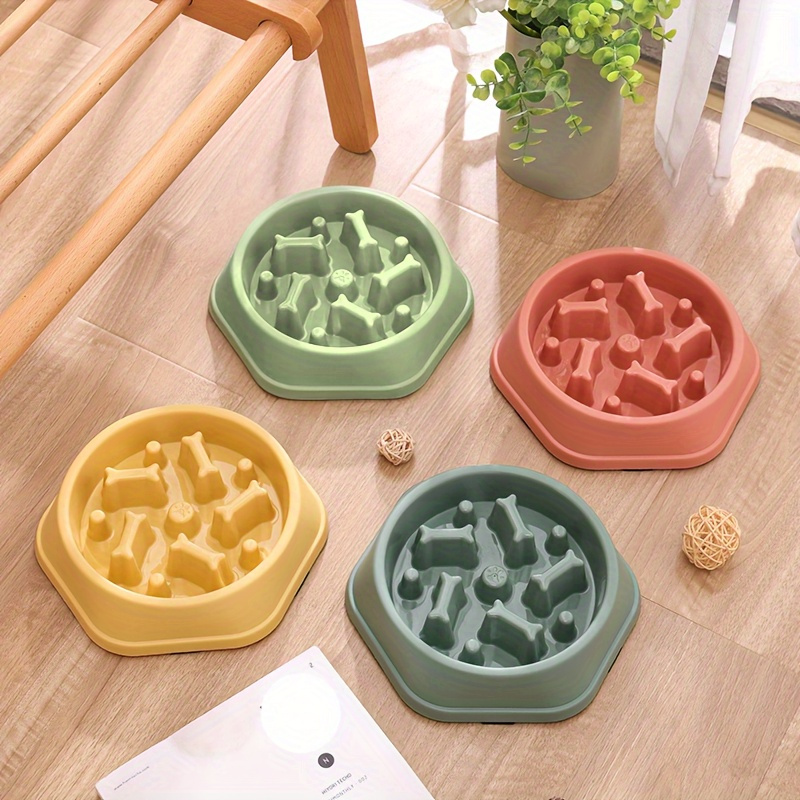
Credit: www.temu.com
Types Of Feeding Trays
Feeding trays for slow feeders help pets eat more slowly and stay healthy. These trays come in different styles to keep feeding fun and challenging.
Each type uses a unique design to make pets work for their food. This slows down eating and reduces gulping.
Maze Trays
Maze trays have raised patterns that create paths for food. Pets must navigate these paths to reach their meal. This slows their eating speed and helps with digestion.
Puzzle Bowls
Puzzle bowls use obstacles inside the bowl to hide food. Pets have to figure out how to get the food out. This mental challenge keeps them engaged and slows down eating.
- Different shapes and sizes of obstacles
- Varied difficulty levels
- Made from safe, pet-friendly materials
Textured Mats
Textured mats have bumps and grooves that spread out the food. Pets must lick or pick food from these textures. This reduces speed and stops gulping.
Interactive Feeders
Interactive feeders include moving parts or puzzles. Pets need to move pieces or press buttons to get food. These feeders provide both mental and physical activity during mealtime.
| Type | How It Works | Benefit |
| Maze Trays | Food in maze paths | Slows eating by navigation |
| Puzzle Bowls | Food behind obstacles | Challenges mind and slows eating |
| Textured Mats | Food spread on bumps | Slows by licking and picking |
| Interactive Feeders | Moving parts or puzzles | Engages pet physically and mentally |
Choosing The Right Tray
Picking the right feeding tray helps slow feeders eat better. It controls the food flow and reduces quick eating. This guide covers key features to look for when buying a tray.
Consider material, size, cleaning ease, and if the tray fits your pet’s size. Each factor affects how well the tray works and how long it lasts.
Material And Durability
Choose a tray made from strong, safe material. Common types include plastic, stainless steel, and ceramic. Each has benefits and drawbacks.
- Plastic trays are light and often cheaper but may scratch easily.
- Stainless steel trays resist damage and last long.
- Ceramic trays look nice but can break if dropped.
- Check if the material is non-toxic and pet-safe.
Size And Capacity
| Pet Size | Recommended Tray Size | Capacity |
|---|---|---|
| Small (up to 10 lbs) | 8-10 inches diameter | 1-2 cups of food |
| Medium (10-40 lbs) | 10-12 inches diameter | 2-4 cups of food |
| Large (40+ lbs) | 12-14 inches diameter | 4+ cups of food |
Ease Of Cleaning
Look for trays that clean easily. Smooth surfaces and dishwasher-safe materials save time. Avoid trays with many crevices where food can get stuck.
- Use warm soapy water after each use.
- Check if dishwasher safe for quick cleaning.
- Inspect corners for leftover food bits.
- Dry tray fully to prevent mold or bacteria.
Suitability For Pet Size
The tray must fit your pet’s size and eating style. A too-small tray can cause frustration. A too-large tray may waste food and take up space.
- Small pets need compact trays to reach all food.
- Medium pets benefit from moderate-sized trays with slow feeder patterns.
- Large pets require wide trays with deep slow-feed sections.

Credit: www.amazon.ca
Tips For Using Feeding Trays
Feeding trays help slow feeders eat at a better pace. They make mealtime calmer and healthier.
Using these trays well can improve your pet’s eating habits and digestion. Follow these tips.
Introducing The Tray Gradually
Start by letting your pet explore the tray without food. This helps them feel comfortable.
Place small amounts of food on the tray at first. Increase the amount as they get used to it.
Monitoring Eating Behavior
Watch how your pet eats with the tray. Look for signs of stress or frustration.
Make sure the tray slows eating but does not cause anxiety. Adjust if needed.
- Note the time your pet takes to finish meals
- Check if they avoid the tray or food
- Observe if they chew more slowly and calmly
Cleaning And Maintenance
Keep the tray clean after each use to avoid bacteria buildup. Wash with warm, soapy water.
Check the tray for cracks or damage. Replace if it becomes unsafe or hard to clean.
- Clean trays daily
- Use pet-safe cleaning products
- Rinse well to remove soap
Combining With Diet Adjustments
Use feeding trays with smaller, frequent meals. This supports slow feeding well.
Choose healthy food options that are easy to eat slowly. Avoid large, hard pieces.
- Divide daily food into 3-4 small portions
- Use soft or moist food if needed
- Consult your vet about diet changes
Common Challenges And Solutions
Feeding trays for slow feeders help pets eat more slowly. They can reduce choking and bloating risks. Still, some common challenges appear with these trays.
Understanding these challenges helps you find good solutions. This guide covers tray avoidance, mess management, adjusting difficulty levels, and handling multiple pets.
Tray Avoidance
Some pets avoid slow feeder trays because of the shape or texture. They might find it hard to reach the food or dislike the material.
Try these ideas to help your pet accept the tray:
- Place favorite treats on the tray first
- Use a tray with smooth edges and non-slip base
- Introduce the tray slowly with short feeding sessions
- Mix food with wet or strong-smelling items
Mess Management
Slow feeder trays often cause more mess as pets work harder to eat. Food may spill or scatter around the feeding area.
| Challenge | Solution |
| Food spills on floor | Use a tray with raised edges or place a mat underneath |
| Tray slides during feeding | Choose a tray with rubber feet or add a non-slip pad |
| Food stuck in tray grooves | Clean tray regularly and soak to loosen food |
Adjusting Difficulty Levels
Slow feeder trays come in different difficulty levels. Adjusting difficulty helps match your pet’s eating habits and patience.
- Start with an easy tray if your pet is new to slow feeding
- Increase difficulty gradually to challenge your pet
- Watch your pet’s frustration level and adjust if needed
- Use food types that suit the tray design and difficulty
Dealing With Multiple Pets
Feeding multiple pets with slow feeder trays can cause competition or food guarding. Pets may rush or block each other.
| Issue | Solution |
|---|---|
| Competition for trays | Give each pet its own tray in separate spots |
| Food guarding behavior | Feed pets at the same time but apart |
| Rushing through food | Use higher difficulty trays for faster eaters |
Diy Feeding Tray Ideas
Feeding trays for slow feeders can help pets eat at a healthy pace. You can make these trays at home using simple materials.
Creating a DIY feeding tray is fun and cost-effective. You can use items found around the house to design unique trays.
Using Household Items
Household items can be repurposed into feeding trays. They provide a quick solution without extra cost.
- Use a muffin tin to create separate food sections.
- Turn a baking dish upside down for a textured surface.
- Repurpose an ice cube tray for small portions.
Creative Puzzle Designs
Creative puzzle designs engage pets during mealtime. They make eating an interactive experience.
Simple puzzles can be crafted with common items. This makes mealtime both challenging and fun.
- Cut shapes into cardboard to create a puzzle.
- Use plastic cups and hide food underneath.
- Layer different materials for a maze effect.
Budget-friendly Options
Budget-friendly options save money while providing effective feeding solutions. These ideas use items you might already own.
Feeding trays do not need to be expensive. With creativity, you can make them at home cheaply.
- Use lids from jars as small feeding areas.
- Cut old plastic containers into different shapes.
- Combine old kitchen utensils for varied textures.
Frequently Asked Questions
What Are Feeding Trays For Slow Feeders?
Feeding trays for slow feeders are specially designed dishes that slow down eating. They promote better digestion and prevent choking. These trays have ridges or compartments that make pets work for their food. They are ideal for dogs and cats prone to eating too quickly.
How Do Slow Feeder Trays Benefit Pets?
Slow feeder trays reduce gulping and overeating, improving digestion. They help prevent vomiting, bloating, and obesity in pets. Feeding becomes a mental exercise, reducing boredom and anxiety. Overall, they support healthier eating habits and long-term well-being.
Which Pets Need Slow Feeder Trays Most?
Dogs and cats that eat too fast benefit most from slow feeder trays. Breeds prone to bloat or obesity should use them. Pets with digestive issues or those on weight management plans also gain advantages. Always consult a vet for personalized advice.
Can Slow Feeder Trays Help With Weight Control?
Yes, slow feeder trays promote slower eating, which aids portion control. They prevent overeating by making pets eat smaller bites. This helps maintain a healthy weight and reduces obesity risks. Consistent use supports better feeding habits and weight management.
Conclusion
Feeding trays help slow feeders eat at a healthy pace. They reduce choking and overeating risks. Your pet will feel full and satisfied longer. Choosing the right tray suits your pet’s needs. Try different styles to find the best fit.
Watch your pet enjoy mealtime more calmly. Healthy feeding habits lead to better digestion. Slow feeding trays support your pet’s overall well-being. Small changes can make big differences in feeding. Give your pet the care they deserve today.