
Are mealtimes a constant struggle because your child or pet eats too quickly? You’re not alone.
Fast feeders often gulp down food so fast that it can lead to choking, digestive issues, or simply messy eating. But what if there was an easy way to slow things down and make every bite safer and more enjoyable?
Feeding trays designed specifically for fast feeders could be the simple solution you need. Keep reading to discover how these trays can transform mealtime into a calm, controlled, and stress-free experience for you and your loved ones.
Credit: www.anglingdirect.co.uk
Why Fast Feeding Is A Concern
Eating too fast can cause many problems for health and behavior. Fast feeders may not chew food well. This can lead to choking and stomach issues.
Understanding why fast feeding happens helps to find better ways to slow it down. This keeps pets safe and healthy.
Health Risks Of Rapid Eating
Eating quickly can cause serious health problems. Food may not be digested properly. This can lead to bloating and upset stomachs.
- Choking or gagging due to large bites
- Risk of vomiting from eating too fast
- Bloating that can cause discomfort or pain
- Digestive problems from poor chewing
- Weight gain from overeating before feeling full
Behavioral Causes Of Fast Feeding
Several behaviors can cause fast feeding. Competition for food or anxiety often makes pets eat quickly.
| Cause | Description |
| Food Competition | Pets eat fast to get their share before others. |
| Anxiety | Nervous pets eat quickly due to stress or fear. |
| Hunger | Very hungry pets rush their meals to feel full. |
| Lack of Training | Pets not taught to eat slowly tend to gulp food. |
Types Of Feeding Trays
Feeding trays help slow down fast eaters and make mealtime more engaging. They come in different styles designed to control the speed of eating.
Each type of feeding tray offers unique benefits and challenges. Understanding these can help you pick the best one for your pet.
Slow Feed Bowls
Slow feed bowls have built-in obstacles inside the bowl. These obstacles force pets to eat around them, which reduces gulping.
- They come in various shapes like mazes or ridges.
- Most are made from plastic, ceramic, or stainless steel.
- They are easy to clean and dishwasher safe.
- Help improve digestion by slowing food intake.
Interactive Feeding Mats
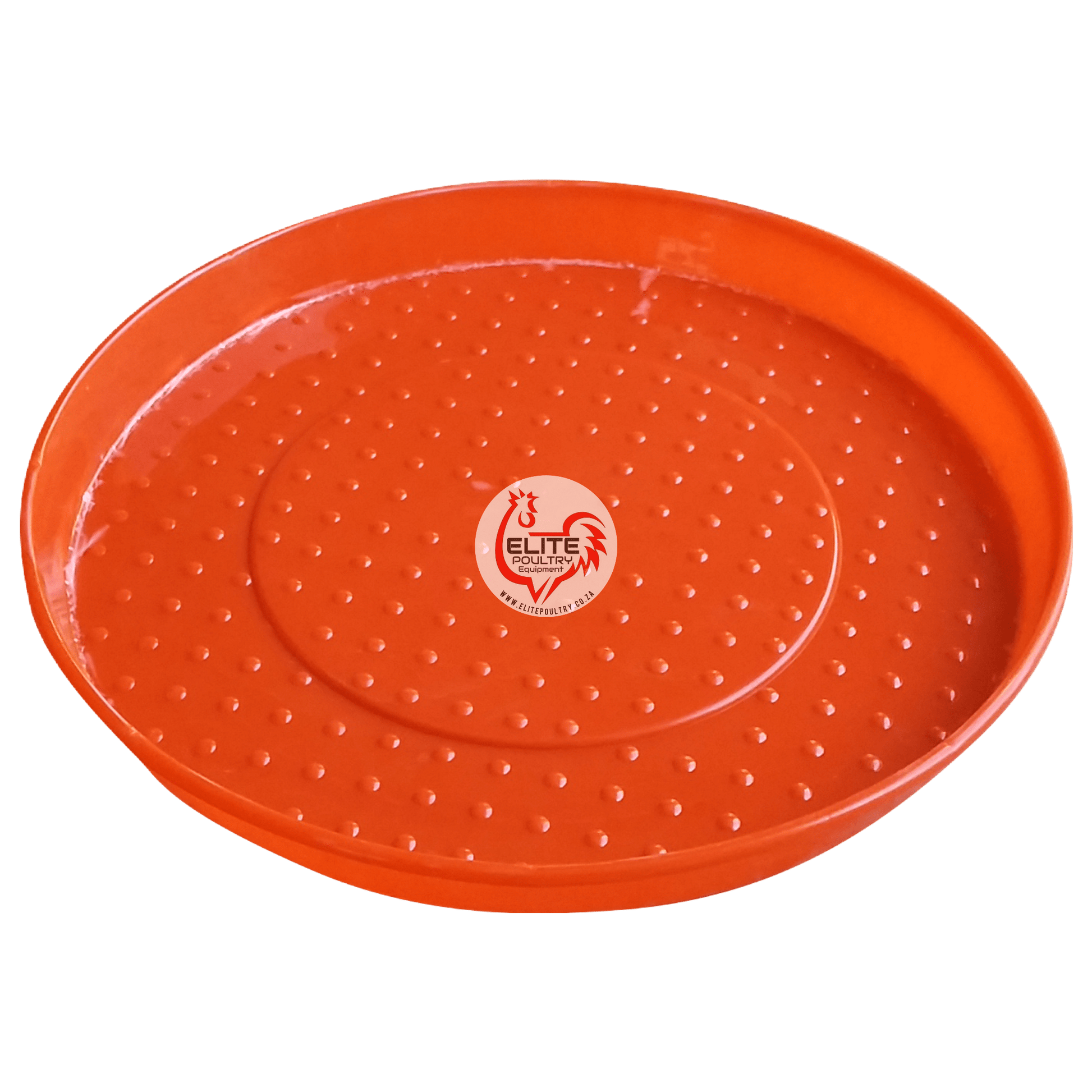
Interactive feeding mats spread food across a textured surface. Pets must lick or nudge to get each bite.
| Feature | Benefit |
|---|---|
| Textured surface | Encourages slower eating and mental stimulation |
| Flexible materials | Easy to roll up for storage and cleaning |
| Varied designs | Keeps pets interested and reduces boredom |
Puzzle Feeders
Puzzle feeders require pets to solve simple challenges to access food. These feeders increase feeding time and brain activity.
- Can include sliding doors, hidden compartments, or spinning parts.
- Help reduce anxiety and destructive behavior.
- Available in many difficulty levels for all pets.
- Require supervision at first to ensure safe use.
Materials And Design Features
Feeding trays for fast feeders use strong materials to last long. The design keeps safety and ease in mind.
Good materials and smart design help prevent spills and keep the feeding area clean.
Durability And Safety
These trays are made with tough plastics or silicone. They resist cracks and breaks from heavy use. Rounded edges keep children safe from sharp corners.
- Shatterproof materials reduce injury risk
- Non-toxic and BPA-free options protect health
- Edge designs prevent spills and messes
Non-slip Bases
Non-slip bases stop trays from sliding on tables. This helps fast feeders eat without pushing the tray away. Materials like rubber or silicone work well.
| Base Material | Benefit |
|---|---|
| Silicone | Grips smooth surfaces firmly |
| Rubber | Prevents sliding on wood and plastic |
| Textured Plastic | Increases friction for stability |
Ease Of Cleaning
Trays should be easy to clean after meals. Smooth surfaces and dishwasher-safe materials save time. Some trays have removable parts for better cleaning.
- Dishwasher safe plastics or silicone
- No tiny crevices to trap food
- Removable sections for thorough washing
Top Feeding Tray Recommendations
Feeding trays help pets eat faster and cleaner. They keep food in one place and reduce mess.
Choosing the right tray depends on your pet’s size and eating habits. Here are some top picks.
Best For Small Pets
Small pets need trays that fit their size and prevent food spills. Look for shallow trays with raised edges.
Non-slip bases help keep the tray in place while your pet eats quickly.
- Shallow depth to suit small mouths
- Raised edges to contain food
- Non-slip base for stability
- Easy to clean materials like plastic or silicone
Best For Large Pets
Large pets need bigger trays that hold more food. Durable trays with wider surfaces work well.
Look for trays made from sturdy materials to handle heavy use and fast eating.
- Wide surface area to hold large portions
- Strong materials like stainless steel or heavy-duty plastic
- Raised edges to keep food contained
- Easy to wash and maintain
Budget-friendly Options
Affordable trays can still be effective for fast feeders. Choose simple designs with good features.
Look for trays that balance cost and quality. Avoid very thin materials that break easily.
- Plastic trays with non-slip pads
- Silicone mats that are easy to clean
- Basic trays with raised edges
- Look for trays that last longer to save money
Training Tips To Complement Trays
Feeding trays help slow down fast eaters. They make mealtime safer and more enjoyable. Using training tips can improve results with trays.
These tips focus on meal scheduling, portion control, and positive reinforcement techniques. Each helps your pet learn better eating habits.
Meal Scheduling
Set regular meal times to create a routine. Pets learn to expect food at certain times. This reduces overeating and anxiety.
- Feed at the same times every day
- Limit snacks between meals
- Use trays only during scheduled meals
Portion Control
Measure food amounts to avoid free feeding. Proper portions help slow eating and prevent weight gain. Trays work best with set portions.
| Pet Size | Daily Food Amount | Meals per Day |
| Small | 1 cup | 2 |
| Medium | 2 cups | 2 |
| Large | 3 cups | 3 |
Positive Reinforcement Techniques
Reward calm eating to encourage good habits. Praise and treats help pets enjoy slower meals. Positive feedback builds lasting behavior.
- Give a gentle pet or kind words during meals
- Offer small treats after finishing slowly
- Ignore rushing or begging behavior
Credit: www.dutchcrafters.com
Maintenance And Care
Feeding trays for fast feeders need regular maintenance. Proper care ensures they last longer and stay hygienic.
Understanding how to clean and store them is key. This helps in keeping feeding trays in top condition.
Cleaning Frequency
Regular cleaning is important for feeding trays. It prevents buildup of food residue and bacteria.
- Clean after every use to remove food particles.
- Use mild soap and warm water for washing.
- Rinse thoroughly to avoid soap residue.
- Dry completely before storing.
Storage Tips
Proper storage of feeding trays helps maintain their quality. It also prevents damage and contamination.
| Storage Location | Condition |
| Cabinet | Dry and cool |
| Shelf | Away from direct sunlight |
| Drawer | Ensure ventilation |
Credit: www.surehatch.co.za
Frequently Asked Questions
What Are Feeding Trays For Fast Feeders?
Feeding trays for fast feeders are specially designed plates that slow down eating. They have ridges or compartments to prevent gulping. This helps reduce choking, indigestion, and overeating in pets or children.
How Do Feeding Trays Help Fast Eaters?
Feeding trays slow down eating by creating obstacles or smaller portions. This forces the eater to chew more and eat slower. It improves digestion and prevents vomiting or bloating caused by rapid eating.
Are Feeding Trays Safe For All Pets?
Most feeding trays are safe for dogs and cats. However, always choose trays made from non-toxic, durable materials. Check the size and design to match your pet’s breed and eating habits.
Can Feeding Trays Reduce Pet Obesity?
Yes, feeding trays help control portion sizes and slow eating speed. This reduces overeating and supports healthy weight management. Combined with regular exercise, trays can effectively help prevent obesity.
Conclusion
Feeding trays help slow down fast eaters easily. They make mealtime safer and more comfortable. Using these trays can prevent choking and improve digestion. Choose trays with simple designs and easy cleaning. Watch your pet enjoy food at a calmer pace.
Healthy eating habits start with the right tools. Try different trays to find the best fit. Feeding trays bring peace during busy mealtimes. Keep your pet happy and safe with smart choices. Small changes make big differences in feeding habits.