
If you have a small tank, you know how tricky feeding your fish can be. Too much food can dirty the water, and too little leaves your fish hungry.
You need the right tools to make feeding easy, precise, and stress-free. You’ll discover the best feeding tools designed specifically for small tanks. These tools will help you keep your tank clean and your fish healthy. Keep reading to find out how you can make feeding time simple and effective every day.
Credit: ie.dhgate.com
Choosing The Right Feeder
Feeding small tanks requires the right tools to keep fish healthy. Choosing the right feeder helps control food amount and timing.
Different feeders suit different tank sizes and fish types. Knowing what to pick makes feeding easier and cleaner.
Types Of Feeders
There are several feeder types for small tanks. Each type works best for certain needs and fish habits.
- Automatic feeders release food at set times
- Manual feeders require you to add food yourself
- Flake feeders spread flakes evenly in the water
- Pellet feeders drop pellets slowly to avoid waste
Feeder Size And Capacity
Choose feeder size based on your tank and fish number. A small feeder fits small tanks well.
Capacity matters to avoid overfeeding. Too much food can pollute the tank quickly.
- Small feeders hold less food for daily use
- Larger feeders suit bigger tanks or more fish
- Check capacity before buying to match your feeding needs
Material And Durability
Feeders must be made from safe, water-resistant materials. Durability ensures long use without damage.
Plastic and stainless steel are common materials. Pick one that resists rust and breaks.
- Plastic is light and often cheaper
- Stainless steel lasts longer and is sturdy
- Avoid materials that can leach chemicals into water
Automatic Feeders
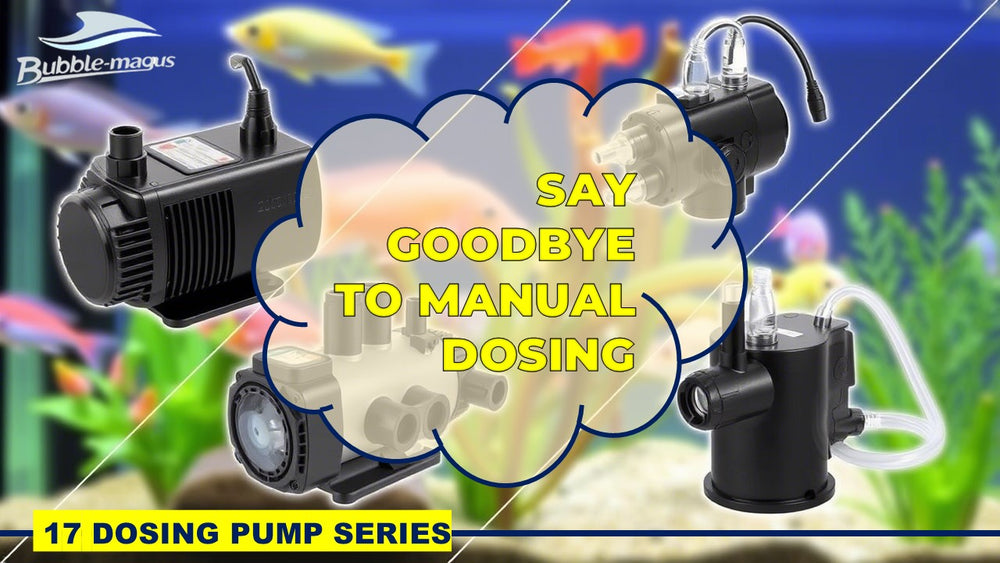
Automatic feeders help keep your small tank fish healthy by giving food on a set schedule. They reduce the need to feed fish manually every day. This keeps feeding consistent and helps avoid overfeeding.
These devices come in many styles and can hold different amounts of food. You can set timers and portion sizes to fit your tank’s needs. Automatic feeders save time and provide steady nutrition for your fish.
Benefits Of Automation
Using automatic feeders offers several key advantages for small tank owners. They keep feeding on time even if you are away. The feeders also reduce waste by giving only the right amount of food.
- Consistent feeding schedule
- Prevents overfeeding and water pollution
- Convenient for busy or traveling owners
- Helps maintain fish health and growth
- Easy to clean and refill
Popular Models
There are many automatic feeders designed for small tanks. Some have simple timers, while others offer advanced programming options. You can find models that work with flakes, pellets, or even frozen food.
| Model | Food Type | Capacity | Features |
| AquaTimer 2000 | Flakes, Pellets | 50 grams | Digital timer, easy refill |
| FishFeeder Pro | Pellets | 70 grams | Multiple feedings per day |
| MiniFeeder Basic | Flakes | 30 grams | Simple mechanical timer |
Programming Tips
Setting up your automatic feeder correctly is important. Start with small portions to avoid leftovers. Adjust feeding times based on your fish species and tank size. Regularly check the feeder to make sure it works properly.
- Choose feeding times that match your fish’s normal eating habits
- Test the feeder with dry runs before adding food
- Clean the feeder once a week to prevent clogging
- Use the smallest portion setting at first
- Monitor fish behavior and adjust as needed
Manual Feeding Tools
Manual feeding tools help you feed fish and small aquatic animals in small tanks. They give you control over the amount and type of food you deliver.
These tools are easy to use and keep the tank clean. They reduce food waste and stress for the animals.
Feeding Tongs And Pipettes
Feeding tongs let you pick up and place food directly in the tank. They are good for larger or live foods like worms or small shrimp.
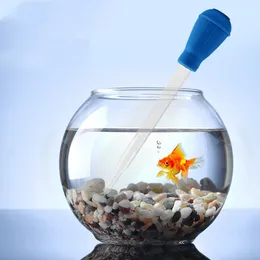
Pipettes work well for tiny food or liquid diets. You can aim food precisely without disturbing the tank water.
- Feeding tongs prevent food from floating away
- Pipettes allow targeted feeding for shy fish
- Both tools reduce food waste and mess
Syringes For Precise Feeding
Syringes help measure small amounts of liquid or paste food. You can feed sick or young fish accurately with them.
They come in various sizes and have fine tips for gentle feeding. Syringes reduce overfeeding and keep water clean.
- Use syringes for feeding medicine mixed with food
- They allow slow, controlled food release
- Easy to clean and reuse
Handheld Scoops And Dippers
Handheld scoops and dippers help scoop dry or frozen food. They are simple tools for everyday feeding in small tanks.
These tools reduce spills and help portion food. You can feed your fish without touching the water.
- Scoops measure food amounts easily
- Dippers reach into corners without stress
- Great for flakes, pellets, or frozen cubes
Credit: bubble-magus.net
Specialized Feeders
Small tanks need special feeding tools to keep fish healthy. Specialized feeders help deliver the right food type.
These feeders are designed for different diets and tank setups. They make feeding easier and reduce waste.
Algae And Plant Feeders
Algae and plant feeders provide food for fish that eat plants or algae. They help keep the tank balanced.
These feeders often release food slowly to avoid fouling the water. Some have brushes or pads to hold algae-based food.
- Attach to tank glass near plants
- Slow-release food delivery
- Some models hold algae sheets or wafers
- Help prevent food waste and water pollution
Microparticle Dispensers
Microparticle dispensers feed tiny food particles to small fish or fry. They are precise and avoid overfeeding.
These dispensers can be automatic or manual. They deliver food in small amounts at set times or on demand.
- Good for small fish or shrimp
- Feeds tiny pellets or powdered food
- Can be timed for regular feeding
- Helps reduce leftover food in the tank
Feeding For Bottom Dwellers
Bottom dwellers need food that reaches the tank floor. Specialized feeders drop food near their habitat.
These feeders prevent food from floating away. They often have tubes or trays designed for sinking pellets.
- Drop food directly to tank bottom
- Use sinking pellets or wafers
- Reduce waste floating in water
- Help bottom fish get enough nutrition
Maintaining Feeding Gadgets
Feeding tools help keep small tanks clean and fish healthy. Proper care makes these gadgets last longer.
Regular maintenance prevents problems and keeps feeding smooth. Follow simple steps to care for your tools.
Cleaning Tips
Clean feeding tools after each use. Remove food leftovers to stop mold and bacteria growth.
Use warm water and mild soap. Avoid harsh chemicals that can harm fish or damage parts.
- Rinse tools thoroughly after washing
- Use a soft brush to clean small parts
- Dry completely before storing
Storage Solutions
Store feeding gadgets in a dry, cool place. Keep them away from direct sunlight to prevent damage.
Organize tools to avoid losing small parts. Use containers or bags for neat storage and easy access.
- Use labeled containers for different tools
- Keep all parts together in one place
- Check tools regularly before use
Troubleshooting Common Issues
Sometimes feeding tools may stop working well. Check for blockages or broken parts first.
Fix small problems quickly to avoid bigger damage. Replace worn parts to keep tools reliable.
- Clear clogged tubes or holes gently
- Test moving parts for smooth action
- Replace damaged seals or lids
- Follow manufacturer instructions for repairs
Feeding Tips For Small Tanks
Feeding fish in small tanks requires careful attention. It is important to ensure they get the right amount of food.
Proper feeding keeps your fish healthy and your tank clean. Let’s explore some tips to help you feed your fish better.
Avoiding Overfeeding
Overfeeding is a common mistake in small tanks. It can lead to water pollution and fish health problems.
Feed your fish only what they can eat in a few minutes. Remove any uneaten food to keep the water clean.
- Feed small amounts twice a day
- Observe how much your fish eat
- Adjust portions based on their appetite
Feeding Schedules
Having a feeding schedule helps maintain a balanced diet. It also keeps your fish active and healthy.
Feed your fish at the same times each day. This routine helps them know when to expect food.
- Feed in the morning and evening
- Stick to the schedule for consistency
- Adjust feeding times if necessary
Observing Fish Behavior
Watching your fish can tell you a lot about their health. Changes in behavior may indicate feeding issues.
If fish are not eating, it could be a sign of stress or illness. Make sure to observe their behavior after feeding.
- Look for signs of overeating
- Notice if fish are avoiding food
- Check for changes in swimming patterns

Credit: www.cphdistortion.dk
Frequently Asked Questions
What Are The Best Feeding Tools For Small Tanks?
Best feeding tools for small tanks include pipettes, small feeding rings, and automatic feeders. These tools help control food quantity and reduce waste, ensuring a clean tank environment and healthy fish.
How Do Feeding Rings Help In Small Tanks?
Feeding rings keep food contained in one area, preventing it from spreading across the tank. This reduces water contamination and makes feeding more efficient, especially in small tanks.
Can Automatic Feeders Work Well In Small Tanks?
Yes, automatic feeders can work in small tanks if properly sized. They provide consistent feeding schedules and portion control, which helps maintain water quality and fish health.
Why Use Pipettes For Feeding Small Tank Fish?
Pipettes allow precise food delivery, minimizing waste and uneaten food. They are ideal for small tanks where overfeeding can quickly deteriorate water quality.
Conclusion
Choosing the right feeding tools keeps your small tank clean and healthy. Precise tools help you feed fish without wasting food. Small tanks need careful care and the right equipment. Proper feeding prevents water pollution and fish stress. Simple tools make feeding easier and more fun.
Keep your fish happy with smart feeding choices. Remember, good feeding habits lead to a thriving tank. Small steps make a big difference in tank care.