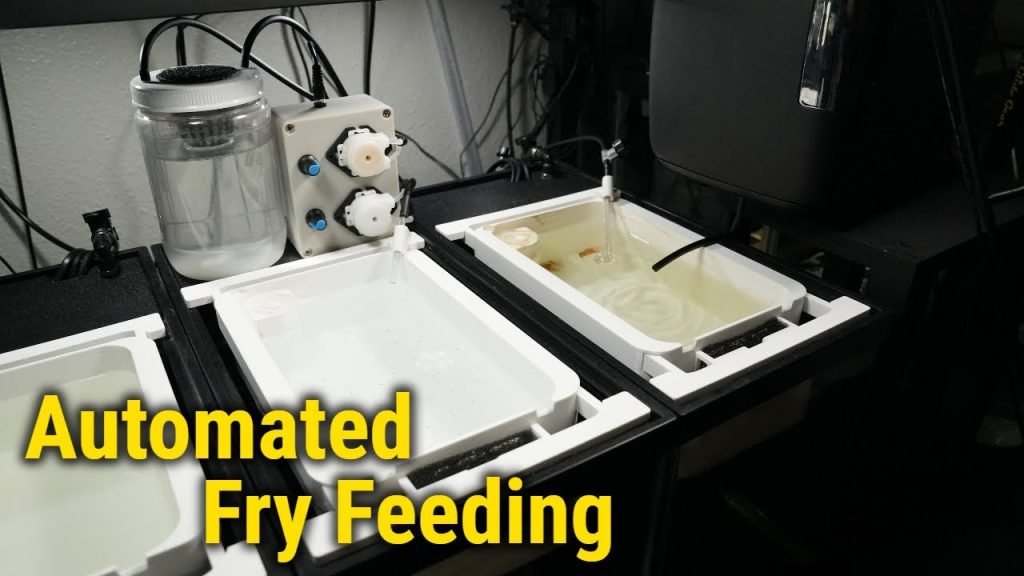
Are you struggling to keep your fry healthy and thriving? Feeding fry tanks can be tricky, but getting it right is key to watching your tiny fish grow strong and vibrant.
You’ll discover simple, effective feeding tips that will make a big difference in your fry’s development. Whether you’re new to fishkeeping or want to improve your current setup, these tips will help you avoid common mistakes and boost your success.
Keep reading to learn how to turn your fry tank into a healthy nursery your fish will love.

Credit: www.youtube.com
Choosing The Right Food
Feeding fry in tanks needs careful food choices. The right food helps fry grow healthy and strong.
Different types of food fit different fry species and growth stages. Knowing what to feed is key.
Types Of Fry Food
Fry food comes in many forms. Each type offers different benefits for young fish.
- Infusoria: Tiny, natural live food good for very small fry
- Baby brine shrimp: Nutritious live food that promotes fast growth
- Microworms: Easy to culture live food rich in protein
- Powdered food: Ground flakes or pellets suitable for tiny mouths
- Crushed flakes: Regular fish flakes crushed into small pieces
Nutritional Needs
Fry need high protein for growth. They also need fats and vitamins to stay healthy.
Protein helps build strong muscles. Fats supply energy. Vitamins support immune systems.
- Protein: 40-60% of diet for most fry
- Fats: Important for energy and brain development
- Vitamins: A, C, and D help prevent diseases
- Minerals: Support bone and scale growth
Homemade Vs. Commercial Options
Homemade fry food can be fresh and natural. It requires time and effort to prepare.
Commercial food is easy to use and consistent. It often contains balanced nutrients.
- Homemade food examples: boiled egg yolk, mashed peas, infusoria cultures
- Commercial food examples: powdered fry food, baby brine shrimp packets, micro pellets
- Homemade food offers control over ingredients
- Commercial food saves time and reduces contamination risks
Feeding Frequency And Amount
Feeding fry correctly is very important for their growth. Giving the right food amount and feeding often helps fry stay healthy.
This guide covers how often to feed fry, how to avoid overfeeding, and how to change food amounts as fry grow.
How Often To Feed Fry
Young fry need to eat many times a day. Feed small amounts often to keep their energy up. Usually, feeding 3 to 5 times daily is best.
As fry get older, you can feed them less often. Watch their behavior to know if they need more or less food.
Avoiding Overfeeding
Giving too much food can harm fry. Extra food pollutes the water and can cause health problems. Only feed what fry can eat in a few minutes.
- Feed small amounts at each feeding
- Remove leftover food quickly
- Observe fry to see if they finish the food
- Keep water clean to avoid illness
Adjusting Portions As Fry Grow
Fry need more food as they grow bigger. Increase portion sizes slowly to match their size and appetite. Watch them closely for changes.
Too much food can cause waste. Too little food slows growth. Balance is key for healthy fry development.
- Start with tiny portions for new fry
- Increase food size weekly
- Feed more at once, fewer times daily as fry grow
- Check fry health and water quality regularly
Maintaining Water Quality
Good water quality is key for fry tanks. Clean water helps fry grow strong and healthy.
Feeding affects water quality. It is important to manage feeding well to keep water clean.
Impact Of Feeding On Water
Uneaten food can pollute the water quickly. It causes harmful waste and bacteria to grow.
Overfeeding leads to cloudy water and less oxygen. This can stress or harm the fry.
- Remove leftover food after feeding
- Feed small amounts several times a day
- Observe fry to adjust feeding amounts
Cleaning Strategies
Regular cleaning keeps the tank safe for fry. Dirt and waste must be removed often.
Use gentle water changes to avoid stressing fry. Clean the tank sides and bottom as needed.
- Change 10-20% of water weekly
- Use a siphon to remove debris
- Clean decorations and plants carefully
Using Filters Effectively
Filters help remove waste and keep water clear. Choose filters that suit fry tanks well.
Clean filters regularly to keep them working. Avoid strong currents that can harm fry.
- Use sponge filters for gentle water flow
- Rinse filter sponges in tank water only
- Check filters weekly for blockages

Credit: www.reddit.com
Feeding Techniques
Feeding fry in tanks needs careful methods. Good feeding helps fry grow healthy and strong.
Using the right techniques avoids waste and keeps water clean. Learn how to feed fry well.
Distributing Food Evenly
Even food spread helps all fry get enough to eat. It stops big fry from taking all the food.
- Use a small scoop or feeder to spread food over the tank surface.
- Feed in several spots to cover more area.
- Drop food slowly to avoid clumps.
- Observe how food moves in the water to adjust spreading.
Encouraging Fry To Eat
Fry need encouragement to eat well. They react to food movement and timing.
| Technique | Description |
| Light Feeding | Feed small amounts often to keep fry interested. |
| Water Temperature | Keep water warm to increase fry activity and appetite. |
| Food Type | Use soft, small particles easy to eat. |
| Feed Timing | Feed fry at the same times daily for routine. |
Monitoring Feeding Behavior
Watch fry closely while feeding. Look for signs of hunger or stress.
Check these signs during feeding:
- Fry eagerly swim toward food.
- Food is eaten quickly without much waste.
- Fry show no signs of fighting or hiding.
- Uneaten food is minimal after feeding.
Common Feeding Mistakes
Feeding fry tanks correctly is important for healthy fish growth. Mistakes can cause problems like poor water quality and weak fry. Knowing common feeding errors helps keep fry safe and growing well.
This guide covers signs of overfeeding, risks of underfeeding, and how to avoid food contamination in fry tanks.
Signs Of Overfeeding
Overfeeding can harm fry by polluting the water and causing illness. Watch for these signs to adjust feeding amounts.
- Cloudy or smelly water
- Uneaten food on the tank bottom
- Fry swimming slowly or hiding
- Algae growth increases quickly
- Fry showing swollen bellies
Underfeeding Risks
Underfeeding limits fry growth and weakens their immune system. It can cause stunted development and higher death rates.
| Risk | Effect on Fry |
| Low energy | Less active and weak |
| Slow growth | Delayed development |
| Weakened immunity | More disease |
| Higher mortality | More fry die |
Preventing Food Contamination
Food contamination can cause sickness in fry tanks. Keep feeding tools and food clean to avoid this problem.
Follow these tips to prevent contamination:
- Store food in dry, cool places
- Clean feeding tools after each use
- Remove leftover food quickly
- Use fresh food whenever possible
- Check food for mold or bad smell
Supplementing Diet For Growth
Feeding fry in tanks is crucial for their healthy growth. A varied diet helps them develop properly.
Supplements are important to ensure fry get all necessary nutrients. This helps them grow strong and healthy.
Vitamins And Minerals
Vitamins and minerals are essential for the fry’s growth. They support their immune system and overall development.
Ensure the diet includes vitamins like A, D, and E. Minerals like calcium and magnesium are also important.
- Vitamin A for vision and growth
- Vitamin D for bone health
- Calcium for strong bones
Live Food Benefits
Live food provides essential proteins and fats for fry. It mimics their natural diet and encourages natural hunting behavior.
Brine shrimp and daphnia are excellent live food options. They are rich in nutrients and easy to digest.
- Brine shrimp for protein
- Daphnia for fiber and nutrients
Rotating Food Types
Rotating food types keeps the diet balanced and interesting. It ensures fry get a variety of nutrients.
Alternate between dry, live, and frozen foods. This prevents nutrient deficiencies and promotes better health.
- Dry food for convenience
- Frozen food for variety
- Live food for natural diet
:strip_icc()/aquarium-with-cichlids-fish-from-lake-malawi-936332656-0ddcdd7df1444600a9598112db12a470.jpg)
Credit: www.thesprucepets.com
Frequently Asked Questions
What Is The Best Food For Fry Tanks?
The best food for fry tanks is finely crushed flakes or specialized fry food. These provide essential nutrients for growth. Live foods like brine shrimp also enhance development. Feeding small amounts multiple times a day ensures fry get adequate nutrition without polluting the tank.
How Often Should I Feed Fry In Tanks?
Feed fry tanks 3 to 5 times daily in small portions. Frequent feeding supports their rapid growth and energy needs. Avoid overfeeding to maintain water quality. Remove uneaten food promptly to prevent tank contamination and keep fry healthy.
Can I Use Live Food For Fry Tanks?
Yes, live food like brine shrimp and microworms are excellent for fry. They boost nutrition and stimulate natural hunting behavior. Live food enhances fry survival rates and growth. Always ensure live food is clean and disease-free before feeding.
How Do I Prevent Overfeeding In Fry Tanks?
Feed fry small portions that they consume within 2-3 minutes. Observe fry eating habits and adjust quantity accordingly. Overfeeding causes water pollution and health problems. Regular tank cleaning also helps maintain optimal water conditions.
Conclusion
Feeding fry tanks properly helps young fish grow strong and healthy. Small, frequent meals suit fry best. Avoid overfeeding to keep water clean and safe. Use the right food type for each fry species. Watch fry closely to adjust feeding amounts as needed.
Good feeding habits create a balanced tank environment. Healthy fry lead to a thriving aquarium. Keep these tips in mind to support your fry’s growth. Simple steps make a big difference in fry care.