
If you have surface feeding fish, you know how tricky it can be to keep their food in one place without it scattering all over your tank. Feeding rings are a simple yet powerful tool that can change the way you care for your fish.
Imagine a neat, clean tank where your fish get every bit of their food without waste or mess. You’ll discover how feeding rings can make feeding time easier, cleaner, and more enjoyable for both you and your fish. Ready to transform your aquarium experience?
Let’s dive in.

Credit: www.amazon.com
Benefits Of Feeding Rings
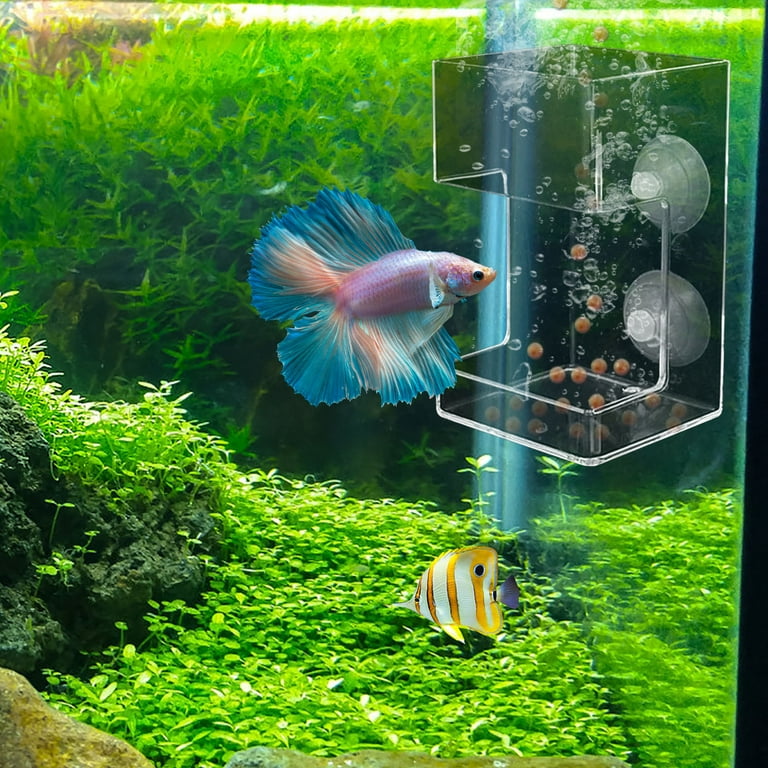
Feeding rings help keep food in one place for surface feeding fish. They make feeding easier and cleaner.
Using feeding rings improves the feeding process and helps keep the aquarium healthy.
Reducing Food Waste
Feeding rings keep food from spreading all over the tank. This stops uneaten food from sinking to the bottom.
Less wasted food means less mess and fewer problems with water quality.
Enhancing Fish Feeding Behavior
Feeding rings help fish find their food easily. Fish learn to eat in one spot.
This makes feeding time less stressful and more natural for surface feeding fish.
Maintaining Water Quality
By keeping food inside the ring, less debris falls to the tank floor. This reduces water pollution.
Cleaner water means healthier fish and less work cleaning the tank.
Credit: www.walmart.com
Types Of Feeding Rings
Feeding rings help keep fish food in one place. They make feeding surface fish easier and cleaner.
There are different types of feeding rings. Each type works best in certain aquarium setups.
Floating Rings
Floating rings stay on the water surface. They keep food from spreading all over the tank.
These rings are light and easy to move. Fish find food faster inside the ring.
- Made from lightweight plastic or foam
- Good for calm water tanks
- Easy to clean and reuse
Weighted Rings
Weighted rings sink to the bottom of the tank. They hold food near surface feeding fish that stay low.
These rings do not float away with water flow. They help keep food in one spot at the bottom.
- Made with heavy materials like metal or dense plastic
- Best for tanks with strong water currents
- Prevents food from drifting away
Magnetic Rings
Magnetic rings attach to the tank walls using magnets. They stay fixed near the surface or sides.
This type keeps food in one place without floating or sinking. It works well in many tank styles.
- Contains magnets for easy attachment
- Does not move with water flow
- Good for tanks with plants or decorations
Choosing The Right Feeding Ring
Feeding rings help keep food in one place for surface feeding fish. They prevent food from spreading and reduce waste.
Picking the right feeding ring improves feeding efficiency and keeps your tank cleaner. Consider material, size, shape, and tank setup.
Material Considerations
Feeding rings come in plastic, silicone, and foam. Each material has pros and cons for durability and safety.
Plastic rings are strong but may scratch easily. Silicone rings are soft and flexible. Foam rings float well and are gentle on fish.
- Plastic: durable, easy to clean
- Silicone: flexible, fish-safe
- Foam: floats, soft, less durable
Size And Shape Options
Choose a feeding ring size that fits your tank and fish number. Too big wastes space, too small causes food scatter.
Shapes include round, oval, and rectangular. Round rings suit most tanks. Oval or rectangular fit corners or narrow areas.
- Small rings for small tanks or few fish
- Large rings for big tanks or many fish
- Round for open space
- Oval/rectangular for corners or edges
Compatibility With Tank Setup
Check if the feeding ring attaches well to your tank. Some stick with magnets, others float or rest on plants.
Match the ring style to your tank’s layout. Floating rings work in open water. Magnetic rings suit glass tanks with no plants.
- Magnetic rings stick to glass or acrylic
- Floating rings stay on water surface
- Weighted rings rest on substrate or plants
- Choose based on tank plants and decorations
Setting Up Feeding Rings
Feeding rings help keep food in one place for surface feeding fish. They make feeding cleaner and easier.
Proper setup is important to keep the ring stable and useful. This guide shows you how to place, secure, and feed with feeding rings.
Placement Tips
Place the feeding ring where fish often swim near the surface. Avoid areas with strong water flow that can move the ring.
Choose a spot visible from outside the tank. This helps you watch feeding and adjust the amount of food easily.
- Near calm water areas or tank corners
- Clear from decorations that block view
- Accessible for easy food dropping
Securing The Ring
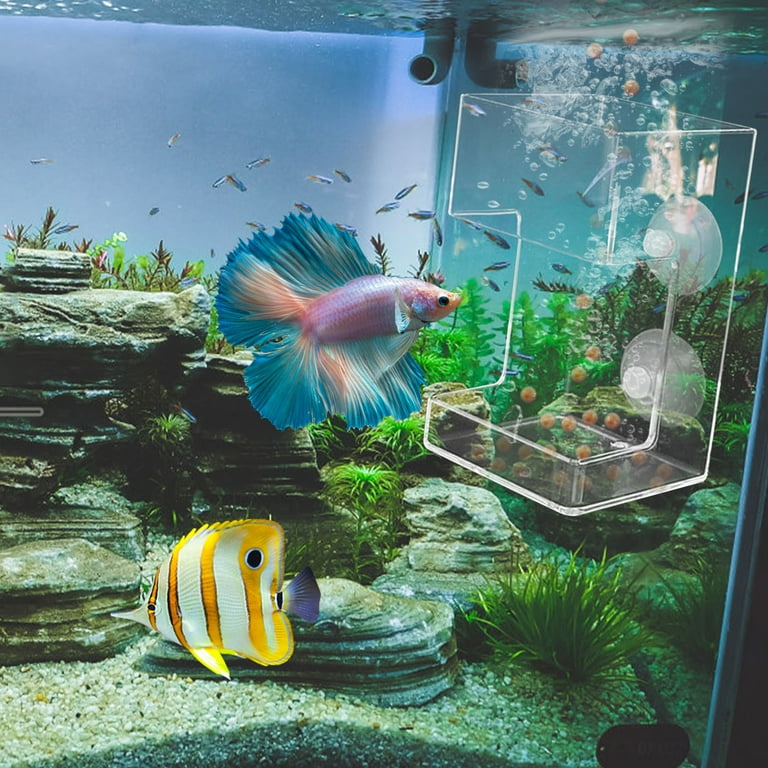
Keep the feeding ring in place by attaching it to the tank glass or using weights. This prevents it from floating away.
Use suction cups designed for feeding rings or small weights that do not harm the fish or tank environment.
- Attach suction cups to the tank wall
- Use small, smooth weights inside the ring
- Check stability regularly and adjust if needed
Feeding Frequency And Quantity
Feed your fish small amounts several times a day. This helps prevent leftover food and water pollution.
Use the feeding ring to control food portions. Remove uneaten food after 5 minutes to keep the tank clean.
- Feed 2-3 times daily in small portions
- Observe fish behavior and adjust food amount
- Clear leftover food promptly to avoid waste
Training Fish To Use Feeding Rings
Feeding rings help keep fish food in one place on the water surface. This makes feeding easier and cleaner.
Training fish to use feeding rings takes patience. It improves their feeding habits and reduces waste.
Attracting Fish To The Ring
Start by placing the feeding ring where fish usually swim. Use small amounts of food inside the ring.
Fish will notice the food and get used to finding it in the ring. Repeat this daily to build their interest.
- Place the ring near plants or rocks where fish gather
- Use floating pellets to catch their attention
- Feed at the same time every day for consistency
Encouraging Surface Feeding
Use food that floats well on water. This helps fish learn to feed from the surface inside the ring.
Start with small food pieces to avoid scaring the fish. Watch how they react and adjust the food size if needed.
- Choose high-quality floating pellets or flakes
- Feed small amounts to avoid waste
- Be patient and give fish time to adapt
Monitoring Feeding Habits
Keep an eye on how many fish use the feeding ring daily. Note any changes in their behavior or appetite.
Adjust feeding amounts based on what you observe. Avoid overfeeding to keep the pond clean and fish healthy.
- Watch for fish crowding at the ring
- Check if food is eaten quickly or left over
- Reduce food if leftovers remain after feeding
Credit: www.walmart.com
Common Challenges And Solutions
Feeding rings help surface feeding fish eat efficiently. They keep food in place and reduce waste. But, they come with challenges.
Understanding these challenges helps improve the feeding process. Let’s explore common issues and their solutions.
Dealing With Aggressive Fish
Aggressive fish can disrupt feeding. They may hog the food or scare others away. This can lead to uneven feeding.
- Separate aggressive fish during feeding times.
- Use multiple feeding rings to spread out food.
- Observe fish behavior to adjust strategies.
Preventing Ring Displacement
Feeding rings can move with water currents. This makes it hard for fish to eat. Securing the rings is important.
Consider using suction cups or clips to keep rings in place. This prevents them from drifting.
Managing Uneaten Food
Uneaten food can cloud water and harm fish health. It’s important to manage this waste efficiently.
| Solution | Benefit |
| Remove excess food after feeding | Prevents water pollution |
| Feed smaller amounts more often | Ensures all food is eaten |
| Use a feeding schedule | Regulates fish appetite |
Maintenance And Cleaning
Feeding rings are essential for surface-feeding fish. They help keep food in one place, reducing waste. Regular maintenance ensures these rings work well and last longer.
Proper cleaning prevents problems like algae build-up and damage. Follow these simple steps to maintain your feeding rings.
Regular Cleaning Schedule
Cleaning feeding rings regularly is important. A dirty ring can harm fish health and cause water problems.
Set a schedule for cleaning. Clean the rings once a week for best results.
- Remove the ring from the tank.
- Rinse it with warm water.
- Scrub with a soft brush to remove residue.
- Dry it completely before putting it back.
Avoiding Algae Build-up
Algae can quickly cover feeding rings. This makes them less effective and unattractive.
Keep algae away by cleaning the rings regularly. Reduce light exposure to slow algae growth.
- Place rings away from direct light.
- Remove algae with a gentle brush.
- Use algae-eating fish to help control growth.
Inspecting For Damage
Feeding rings can wear out over time. Check them often to make sure they are in good condition.
Look for cracks or breaks that could harm fish or affect feeding. Replace damaged rings promptly.
- Check for cracks every month.
- Feel for sharp edges that might hurt fish.
- Replace rings if they are damaged or broken.
Frequently Asked Questions
What Are Feeding Rings For Surface Feeding Fish?
Feeding rings are floating devices that keep fish food contained on the water surface. They help prevent food from spreading and reduce waste. This makes feeding easier and keeps the tank or pond cleaner. They are especially useful for surface feeding fish species.
How Do Feeding Rings Benefit Surface Feeding Fish?
Feeding rings concentrate food in one area, making it easier for surface feeders to find. This reduces competition and stress among fish. It also minimizes food sinking and water pollution. Overall, feeding rings promote healthier feeding habits and cleaner aquatic environments.
Can Feeding Rings Prevent Food Wastage In Fish Tanks?
Yes, feeding rings limit food spread, reducing uneaten food waste. This helps maintain water quality and lowers maintenance needs. By controlling feeding areas, fish consume more food efficiently. Feeding rings are a practical tool to manage feeding and keep tanks cleaner.
Are Feeding Rings Suitable For All Surface Feeding Fish?
Feeding rings work best for fish that eat at the water surface. They suit species like goldfish, guppies, and koi. However, bottom feeders may not benefit from them. Always choose feeding tools based on your fish species’ natural feeding behavior.
Conclusion
Feeding rings help keep the tank clean and organized. Fish find food easily without much waste. They reduce mess and water pollution. Feeding rings suit many surface-feeding fish types. Use them to improve feeding habits and tank health. Simple tools can make fish care easier.
Try feeding rings to see the difference yourself. Small changes lead to a better fish tank. Keep your fish happy with smart feeding choices.