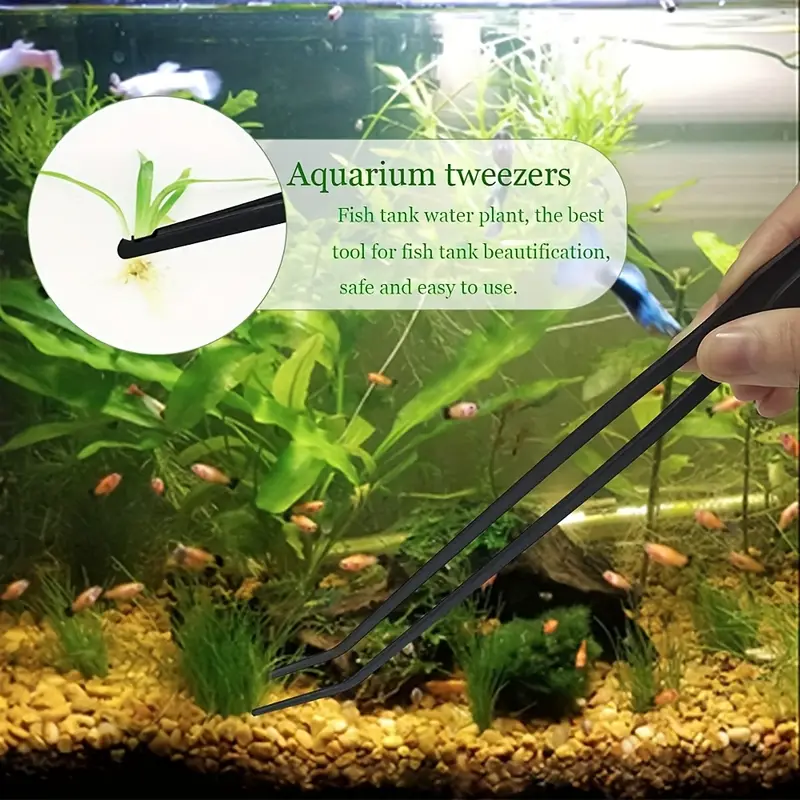
Feeding your ornamental fish with tweezers might sound unusual, but it can transform the way you care for your aquatic pets. Have you ever struggled with overfeeding or watched your fish compete for food?
Using tweezers gives you control, helps target each fish, and reduces waste. You’ll discover simple tips and tricks to make feeding time safer, cleaner, and more enjoyable for both you and your fish. Ready to upgrade your fish-feeding routine? Let’s dive in!

Credit: www.reddit.com
Benefits Of Using Tweezers
Feeding ornamental fish with tweezers is a popular method among fish keepers. It helps deliver food directly to the fish in a controlled way.
Using tweezers can improve the feeding experience for both the fish and the caretaker. It offers several clear benefits.
Precision Feeding
Tweezers allow you to place food exactly where the fish can see it. This helps picky eaters find their food easily.
By feeding with tweezers, you can offer small pieces of food one at a time. This makes sure each fish gets enough food.
Reducing Waste
Feeding with tweezers means less food falls into the tank uneaten. This keeps the water cleaner and healthier.
Less waste also means fewer water changes and less work for the caretaker. It helps maintain a good environment for the fish.
Minimizing Stress
Using tweezers lets you feed fish calmly and gently. This reduces sudden movements that can scare the fish.
Fish feel safer when food comes slowly and close to them. This lowers stress and encourages natural feeding behavior.

Credit: www.amazon.ca
Choosing The Right Tweezers
Feeding ornamental fish with tweezers lets you control food placement. Picking the right tweezers helps keep fish safe and healthy.
Tweezers come in many types. You should consider material, size, and safety before buying.
Material And Durability
Tweezers for fish feeding should be made of strong, water-resistant material. This stops rust and damage from water.
Common materials include stainless steel and plastic. Stainless steel lasts longer and is easy to clean. Plastic tweezers are light but can break easily.
- Stainless steel: strong, rust-proof, durable
- Plastic: lightweight, less durable, cheaper
- Silicone tips: soft, protect fish from injury
Size And Shape
The size of tweezers affects how well you can feed fish. Long tweezers reach farther into the tank without disturbing water.
Shape matters too. Thin tips help pick up small food pieces. Flat or angled tips give better control for placing food near shy fish.
- Length: 6 to 10 inches is common
- Tip shape: pointed, flat, angled
- Grip: textured handles help hold tweezers firmly
Safety Features
Safe tweezers protect fish from harm. Rounded or silicone tips reduce injury risks. Sharp edges can hurt delicate fish skin.
Look for tweezers with smooth finishes. Avoid metal that can rust or chip. Good safety features keep fish calm and healthy.
- Rounded or silicone-covered tips
- Rust-resistant coatings
- Non-slip handles for better control
Preparing Food For Tweezers Feeding
Feeding ornamental fish with tweezers is a precise way to control their diet. Proper preparation of food is key to keep fish healthy and happy.
This guide covers how to select food, portion it correctly, and keep it fresh for tweezers feeding.
Selecting Suitable Food Types
Choose foods that are easy to hold with tweezers and safe for your fish. Soft or small pieces work best.
- Frozen or live foods like bloodworms and brine shrimp
- Soft pellets that can be broken into small pieces
- Vegetable bits such as peas or spinach for herbivores
- Avoid large or hard foods that fish cannot chew easily
Proper Portioning
Cut food into small, manageable pieces to prevent overfeeding and waste.
| Food Type | Recommended Portion Size |
| Bloodworms | 3-5 small pieces per feeding |
| Pellets | 1-2 pieces broken into halves |
| Vegetables | Small pea-sized bits |
Maintaining Freshness
Keep food fresh to protect fish health and encourage feeding.
- Store frozen foods in sealed containers in the freezer
- Use fresh foods within a day or two
- Clean tweezers before and after each feeding to avoid contamination
- Discard any uneaten food promptly to prevent water pollution
Step-by-step Feeding Techniques
Feeding ornamental fish with tweezers helps control their diet. It also makes feeding more precise. This guide shows clear steps to feed fish calmly and effectively.
Using tweezers avoids overfeeding and keeps the aquarium clean. Follow these methods to help your fish eat well and stay healthy.
Approaching Fish Calmly
Fish can get scared if you move too fast. Calm movements help them feel safe. Approach the tank slowly and avoid sudden gestures.
- Stand still near the aquarium
- Keep your hand steady
- Speak softly if needed
- Wait for fish to notice you
Offering Food With Tweezers
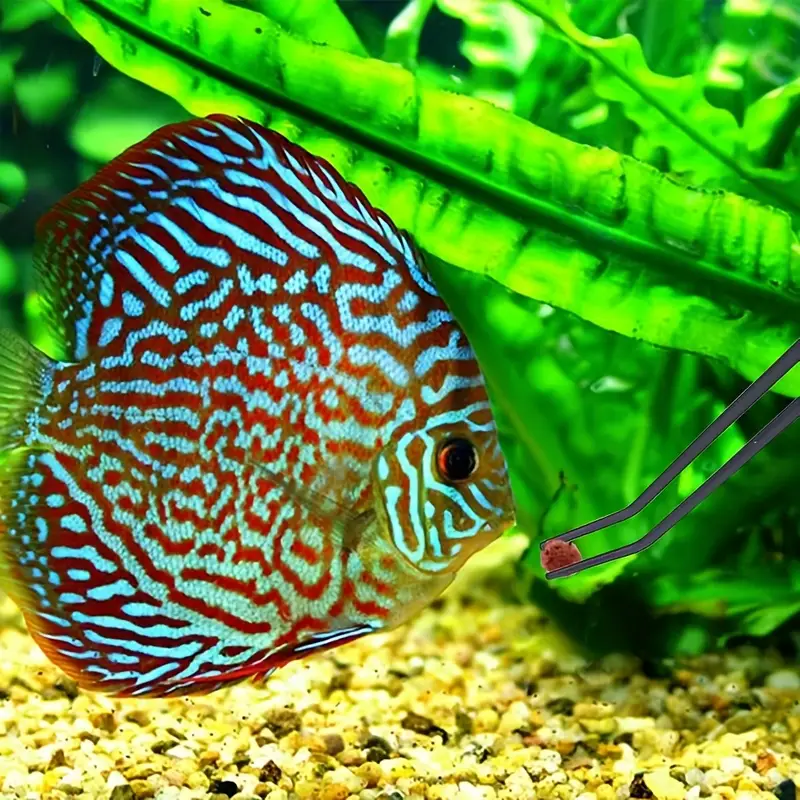
Hold the tweezers firmly but gently. Pick up small food pieces to avoid waste. Slowly bring food near the fish, letting them take it at their own pace.
| Food Type | Size for Tweezers | Feeding Tips |
| Flakes | Small pieces | Break flakes into bits |
| Frozen | 1-2 mm chunks | Thaw before feeding |
| Live food | Whole small items | Use tweezers gently |
Encouraging Feeding Response
Fish need signals to start eating. Move food slowly to catch their attention. Repeat feeding times daily to build routine.
- Tap the tank lightly to alert fish
- Wave food gently near their mouths
- Feed at the same time each day
- Stop feeding if fish do not respond
Common Challenges And Solutions
Feeding ornamental fish with tweezers can be tricky at first. Fish may not always accept food easily. This method helps target feeding but has some challenges.
Understanding common problems helps keep fish healthy and reduces stress. Try simple solutions to improve feeding time with tweezers.
Fish Avoidance
Fish may swim away or hide when you use tweezers. They can get scared by sudden movements or unfamiliar objects.
To help fish get used to tweezers, move slowly and gently near the tank. Let them see the tweezers without food first.
- Feed at the same time daily to create routine
- Use calm, slow hand movements
- Keep the tank light steady to avoid shadows
- Start feeding with small food pieces
Tweezers Stress
Fish can feel stressed if tweezers are used roughly or too close to their bodies. Stress can affect their health and appetite.
Use soft-tip tweezers and avoid sudden moves. Hold the tweezers gently and place food slowly near the fish.
- Choose plastic or silicone tweezers for safety
- Practice steady hand control before feeding
- Feed only one or two fish at a time
- Watch fish behavior and stop if stressed
Food Dropping
Food may fall off the tweezers and waste. This can dirty the tank and cause water quality problems.
Pick food that sticks well to tweezers. Keep food dry and use small pieces to reduce dropping.
- Use gel or paste foods that cling better
- Dry food slightly before feeding
- Keep tweezers clean and dry between feedings
- Feed slowly and close to the fish mouth
Credit: www.temu.com
Cleaning And Maintaining Tweezers
Proper care of tweezers helps keep your ornamental fish healthy. Clean and maintain them to avoid spreading germs.
This guide will teach you how to sanitize, prevent rust, and store your tweezers correctly.
Sanitizing After Use
Sanitizing tweezers removes harmful bacteria. Use safe methods after each feeding session.
- Rinse tweezers with warm water immediately after use.
- Use mild soap and a soft brush to clean thoroughly.
- Rinse again and dry with a clean cloth.
- Consider soaking in a disinfectant solution for deeper cleaning.
Preventing Rust
Rust can damage tweezers and make them unsafe. Follow these tips to keep them rust-free.
Storage Tips
Proper storage is essential for maintaining tweezers. Use these tips to store them safely.
| Storage Method | Benefits |
| Store in a dry, cool place | Prevents moisture buildup |
| Use a protective case | Avoids physical damage |
| Keep away from chemicals | Prevents corrosion |
Enhancing Fish Health With Tweezers Feeding
Feeding ornamental fish with tweezers can improve their health. This method offers control over their diet and habits.
Using tweezers allows you to give your fish the best nutrition. It also helps in monitoring and building a bond with them.
Monitoring Eating Habits
Tweezers feeding helps you track what each fish eats. You can notice changes in their appetite easily.
By watching their eating habits, you can detect health issues early. It helps in keeping your fish healthy.
- Observe each fish during feeding
- Note any changes in their eating patterns
- Identify picky eaters or sick fish
Improving Nutrition
Feeding with tweezers allows for a balanced diet. You can ensure each fish gets the right amount of food.
This method helps in providing a varied diet. It supports the fish’s growth and overall health.
- Control portion sizes easily
- Offer different types of food
- Reduce waste in the tank
Building Trust
Feeding with tweezers can build trust between you and your fish. They become more comfortable with your presence.
This close interaction makes fish less stressed. A calm fish is often a healthier fish.
- Encourage fish to eat from your hand
- Reduce their fear of humans
- Create a soothing feeding routine
Frequently Asked Questions
Why Use Tweezers To Feed Ornamental Fish?
Using tweezers helps deliver food precisely to fish. It prevents overfeeding and keeps the tank clean. Tweezers also reduce the risk of contamination from hands, making feeding safer and more hygienic for delicate ornamental fish.
How To Feed Ornamental Fish With Tweezers Safely?
Hold the tweezers gently and pick small food pieces. Approach fish slowly to avoid stress. Feed one fish at a time, ensuring each gets food. Clean tweezers after each use to maintain hygiene and prevent disease spread.
Can Tweezers Improve Fish Feeding Habits?
Yes, tweezers encourage natural hunting behavior in ornamental fish. They provide controlled portions, preventing overeating and food waste. This method also allows selective feeding of shy or injured fish, promoting healthier eating habits and better tank balance.
What Foods Work Best With Tweezers For Fish?
Small, solid foods like bloodworms, brine shrimp, and pellets work best. Avoid powders or flakes as they are hard to handle with tweezers. Using live or frozen foods enhances nutrition and stimulates natural feeding instincts.
Conclusion
Feeding ornamental fish with tweezers helps control portion sizes easily. It keeps the tank clean and reduces waste. Fish eat gently and get less stressed. Using tweezers also lets you feed shy or small fish better. This method supports healthy fish growth and vibrant colors.
Simple care like this improves your aquarium’s look and feel. Try it regularly for calm and happy fish. Small changes make a big difference over time.