
Feeding your ornamental fish with syringes might sound unusual, but it can make a big difference in their health and happiness. If you’ve ever struggled to get picky fish to eat or want to give them special nutrients, this method could be the solution you need.
Imagine watching your fish thrive, growing vibrant colors and staying active—all because you took a simple step in how you feed them. Keep reading to discover easy tips and tricks that will help you master syringe feeding and take your fish care to the next level.
Credit: norcalcarculture.com
Choosing The Right Syringe
Feeding ornamental fish with syringes needs care and the right tools. Choosing the right syringe helps give food safely and precisely.
Using a syringe that fits your fish type and size improves feeding success and fish health. Learn about the types, size, and care of syringes below.
Types Of Syringes Suitable For Fish
Syringes come in different types for feeding fish. Some have needles, but blunt tips are safer for small fish. Others have soft tubes to deliver liquid food gently.
- Standard plastic syringes with blunt tips
- Syringes with soft rubber tubes
- Disposable syringes for easy hygiene
- Syringes with adjustable flow control
Size And Material Considerations
Choose syringe size based on fish size and food amount. Small syringes give better control for tiny fish. Materials must be safe and easy to clean.
| Size (ml) | Best For | Material |
|---|---|---|
| 1 ml | Small fish, fry | Plastic, disposable |
| 5 ml | Medium fish | Plastic, reusable |
| 10 ml | Large fish | Plastic or glass |
Sterilization And Hygiene Tips
Keep syringes clean to avoid infections. Sterilize before each use and store in a clean place. Avoid sharing syringes between fish to stop disease spread.
- Rinse syringes with warm water after use
- Use mild soap or aquarium-safe disinfectant
- Boil syringes if material allows
- Dry fully before storing
- Replace damaged syringes promptly

Credit: www.reddit.com
Preparing Fish Food For Syringe Feeding
Feeding ornamental fish with syringes requires careful preparation of their food. The food must be nutritious and easy to consume through a syringe.
Proper preparation ensures the fish get the right nutrients and stay healthy. This guide covers selecting food, making it the right consistency, and storing it safely.
Selecting Nutritious Food Options
Choose foods rich in vitamins, proteins, and minerals. These help support fish growth and immune health. Avoid foods with fillers or artificial additives.
- Use high-quality fish flakes or pellets as base ingredients
- Add live or frozen brine shrimp for protein
- Include finely chopped vegetables like spinach or peas
- Supplement with vitamins or fish-specific supplements
Creating Liquid And Paste Consistencies
Food must be soft enough to pass through a syringe without clogging. Prepare food in liquid or paste form by mixing and blending ingredients.
| Consistency Type | Preparation Method | Use |
| Liquid | Blend food with water or fish broth until smooth | For very small syringes or young fish |
| Paste | Mash food finely with minimal water to form thick paste | For larger syringes and older fish |
Storage And Freshness Maintenance
Keep prepared food fresh to avoid spoilage and bacterial growth. Use proper storage methods to maintain nutrients and texture.
- Store food in airtight containers in the refrigerator
- Label containers with preparation date
- Use food within 2 to 3 days for best freshness
- Discard any food that smells sour or looks moldy
Techniques For Syringe Feeding
Syringe feeding helps ornamental fish get the nutrition they need. This method is useful for sick or weak fish.
Using the right technique makes feeding safe and effective. Careful handling keeps fish calm and healthy.
Positioning Your Fish Safely
Hold the fish gently but firmly to avoid stress or injury. Support the body to keep the fish steady during feeding.
Use a soft net or your hand to keep the fish in place. Make sure the fish is calm before starting to feed.
- Hold fish near the head and body
- Avoid squeezing too hard
- Keep fish close to the water surface
- Minimize movement to reduce stress
Proper Syringe Handling And Delivery
Use a clean syringe with a smooth tip for feeding. Draw the food slowly into the syringe to avoid air bubbles.
Place the syringe near the fish’s mouth and deliver food gently. Push the plunger slowly to let the fish swallow easily.
- Check syringe for cracks or damage
- Use a small syringe for better control
- Keep the tip just outside the mouth
- Do not force food quickly into the mouth
Timing And Frequency Guidelines
Feed your fish at regular times to keep their routine. Small, frequent feedings work best for weak fish.
Avoid overfeeding to prevent water pollution and fish stress. Monitor your fish’s response to adjust feeding times.
- Feed 2 to 3 times a day
- Use small amounts of food each time
- Watch fish for signs of hunger or fullness
- Keep feeding sessions short and calm
Common Challenges And Solutions
Feeding ornamental fish with syringes can be tricky. Fish may react differently to syringe feeding than to normal feeding. Knowing common problems helps you care better for your fish.
This guide covers key challenges and ways to solve them. Focus on reducing fish stress, avoiding overfeeding, and dealing with feeding refusal.
Dealing With Fish Stress
Fish can get stressed from syringe feeding. Stress can cause illness and slow recovery. Keep your movements slow and calm during feeding.
- Use a quiet environment to feed fish
- Hold the syringe steady and avoid sudden moves
- Feed small amounts slowly to avoid overwhelming the fish
- Give fish time to get used to syringe feeding
- Watch for signs of stress like rapid gill movement or hiding
Preventing Overfeeding
Overfeeding causes water quality issues and health problems for fish. Use measured amounts of food and feed only what fish eat in a few minutes.
| Sign of Overfeeding | Solution |
| Leftover food in tank | Reduce food quantity next feeding |
| Cloudy water | Clean tank and lower feeding frequency |
| Fat or bloated fish | Offer smaller portions and fast one day |
| Increased algae growth | Control feeding and improve filtration |
Handling Rejection Or Refusal To Eat
Some fish refuse syringe feeding at first. Try to encourage them gently without forcing. Patience is key.
- Offer food when fish are calm and hungry
- Use food that matches their natural diet
- Change syringe tip size for easier feeding
- Feed smaller amounts more often
- Observe and try feeding at different times of day
Monitoring Fish Health During Feeding
Feeding ornamental fish with syringes helps control their diet closely. Watching their health during feeding is key to keeping them healthy.
Careful monitoring lets you spot problems early. This guide covers signs to watch, diet changes, and health checks.
Signs Of Nutritional Deficiency
Fish show clear signs if they lack important nutrients. Look for these common symptoms to catch issues fast.
- Faded or dull colors
- Slow or weak swimming
- Loss of appetite
- Abnormal growth or body shape
- Clamped fins or unusual hiding
Adjusting Diet Based On Behavior
Fish behavior shows if their diet fits their needs. Change feeding habits to match their reactions and health signs.
| Behavior | Diet Adjustment |
| Low energy or lethargy | Increase protein-rich food |
| Refusal to eat | Try softer or varied foods |
| Overactive swimming | Reduce feeding amount |
| Visible stress signs | Feed smaller meals more often |
Regular Health Check Practices
Check your fish regularly to keep them healthy. Use a simple routine for best results.
- Observe fish daily during feeding
- Look for unusual spots or marks
- Check water quality often
- Keep feeding tools clean
- Note any changes in behavior or appetite

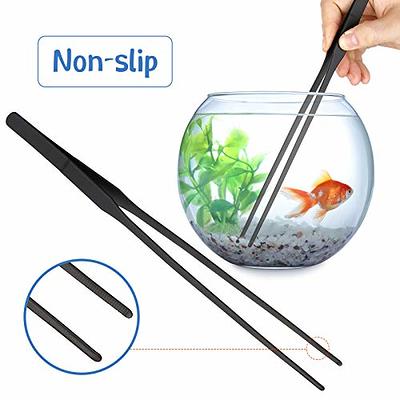
Credit: www.amazon.ca
Cleaning And Maintaining Syringes
Feeding ornamental fish with syringes requires proper care of the syringes. Clean and maintain them to ensure fish health and safety.
Regular cleaning prevents bacteria growth and keeps the feeding process hygienic. Follow these steps to maintain your syringes effectively.
Daily Cleaning Procedures
Clean syringes daily to prevent residue buildup. Use warm water and mild detergent for cleaning. Rinse thoroughly after washing.
Dry the syringes completely before storing them. This prevents mold growth and keeps them ready for the next use.
- Rinse syringes with warm water immediately after use
- Wash with mild detergent and a soft brush
- Dry completely to prevent mold
Avoiding Cross-contamination
Use separate syringes for different fish tanks. This avoids spreading diseases between tanks. Label syringes clearly to keep track.
Never mix syringes between different types of food or medications. This ensures that fish receive the right nutrition and treatments.
Replacing Syringes When Necessary
Inspect syringes regularly for wear and tear. Replace them if you notice any cracks or damage. This ensures accurate feeding measurements.
Keep a supply of spare syringes. This ensures you always have a clean and functional syringe ready when needed.
- Check for cracks or damage
- Replace worn-out syringes promptly
- Store spare syringes for emergencies
Frequently Asked Questions
What Is The Best Syringe For Feeding Ornamental Fish?
A 1ml or 3ml syringe with a soft, narrow tip works best. It allows controlled feeding and reduces injury risks for small fish.
How Often Should I Feed Ornamental Fish With Syringes?
Feed ornamental fish with syringes once or twice daily. Overfeeding can harm water quality and fish health. Adjust frequency based on fish size and needs.
Can Syringe Feeding Help Sick Ornamental Fish Recover?
Yes, syringe feeding is ideal for sick fish. It ensures they get nutrients when they cannot eat naturally. Always consult a vet for proper diet.
What Types Of Food Can I Use In Syringes For Fish?
You can use liquid fish food, pureed vegetables, or specially prepared fish paste. Avoid large particles that may clog the syringe or harm fish.
Conclusion
Feeding ornamental fish with syringes helps control portion size. It ensures each fish gets the right amount of food. This method reduces waste and keeps the tank clean. You can observe your fish closely while feeding. It also helps feed sick or shy fish easily.
Remember to use fresh food and clean syringes. Consistency is key for healthy fish growth. Try this method to improve your fish care routine. Small steps make a big difference in their health.