
Have you ever thought about feeding your ornamental fish with sticks? It sounds unusual, but this simple method can make a big difference in your fish’s health and happiness.
Imagine turning feeding time into an easy, fun routine that keeps your fish active and thriving. You’ll discover how sticks can transform the way you care for your fish and why this small change matters more than you might think.
Keep reading to find out how you can make feeding your ornamental fish both effective and enjoyable.
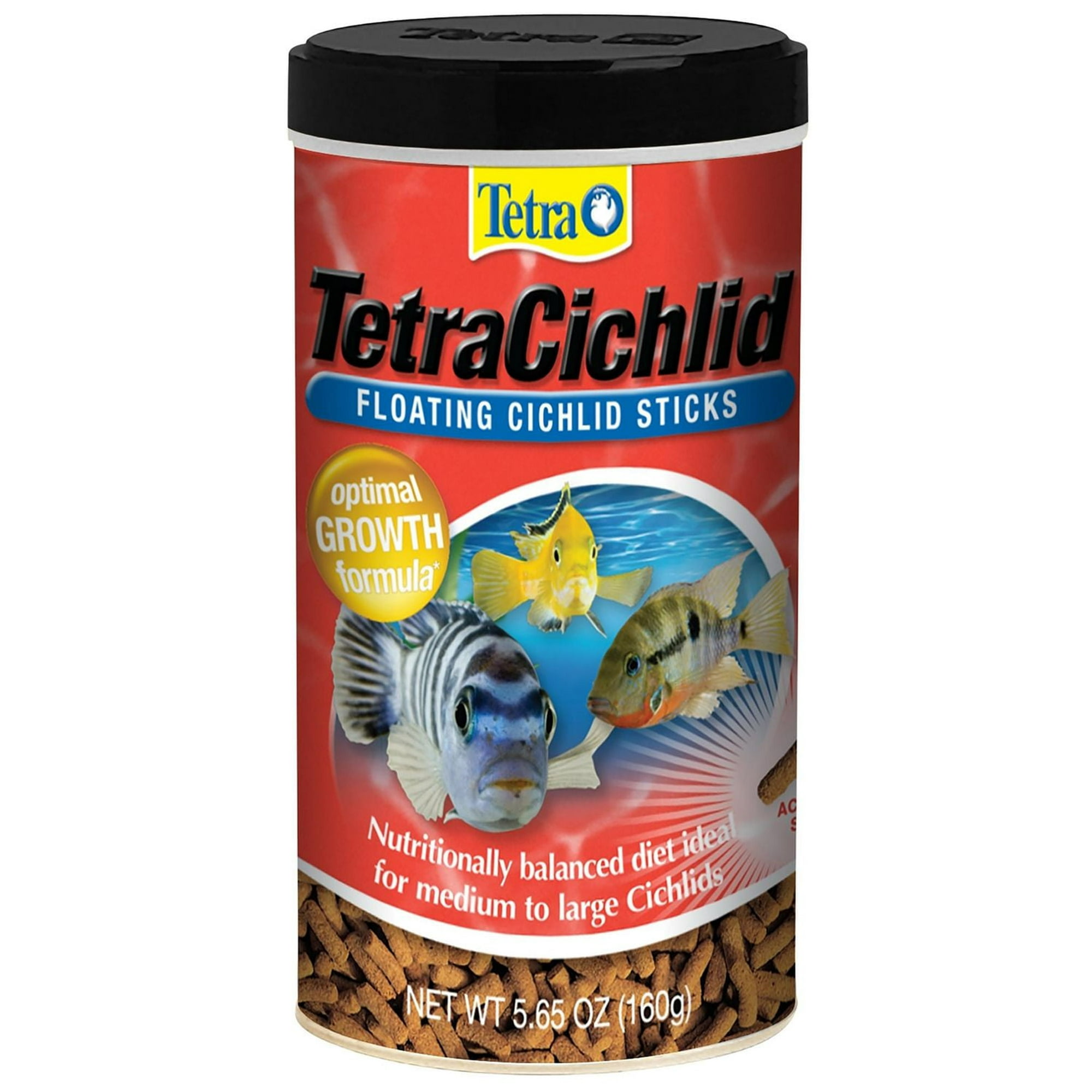
Credit: www.walmart.ca
Benefits Of Stick Feeding
Feeding ornamental fish with sticks offers many advantages. It helps provide better nutrition and keeps your fish active.
This method also reduces waste in your aquarium. Let’s explore the main benefits of stick feeding.
Improved Nutrition Delivery
Stick feeding allows you to control the type and amount of food your fish get. You can target specific fish and meet their dietary needs.
- Feed high-quality food directly to each fish
- Prevent other fish from stealing food
- Reduce the chance of overfeeding
- Ensure slow or shy fish get enough nutrition
Enhanced Fish Interaction
Feeding with sticks encourages fish to interact with you. This builds trust and helps you observe their health closely.
| Benefit | Effect on Fish |
|---|---|
| Hand Feeding | Fish become more comfortable around people |
| Active Feeding | Fish stay active and engaged |
| Observation | Early signs of illness can be spotted |
Reduced Waste In Aquarium
Stick feeding limits leftover food in the tank. This helps keep water cleaner and reduces harmful bacteria growth.
- Food is eaten immediately
- Less uneaten food sinks to the bottom
- Improves water quality and clarity
- Reduces filter maintenance needs
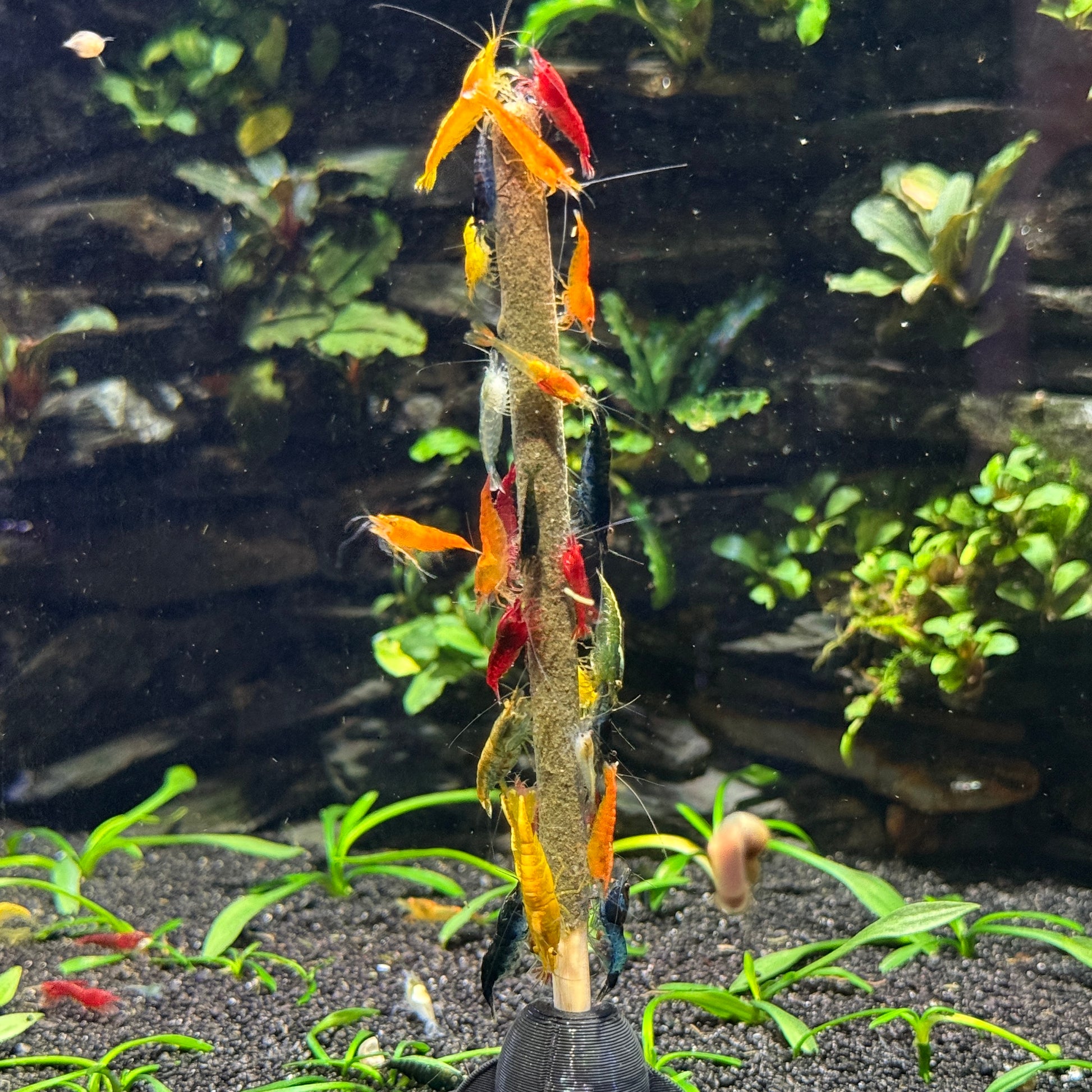
Credit: dakuaquatics.com
Choosing The Right Feeding Sticks
Feeding ornamental fish with sticks is a simple way to add fun to feeding time. Picking the right sticks helps keep fish healthy and the tank clean.
Not all feeding sticks are the same. You must know what materials, sizes, and safety features to look for.
Materials To Consider
Choose feeding sticks made from safe and durable materials. Avoid sticks that can break or leach chemicals into the water.
- Food-grade silicone sticks are soft and safe.
- Bamboo sticks are natural but must be untreated.
- Plastic sticks should be BPA-free and non-toxic.
- Wooden sticks need to be smooth and free of splinters.
Size And Shape Matters
Choose a stick size that matches your fish and tank size. The shape should help feed the fish easily without harming them.
| Stick Size | Recommended Fish Size | Notes |
| Small (4-6 inches) | Small fish (up to 3 inches) | Easy to control, less disturbance |
| Medium (7-9 inches) | Medium fish (3-6 inches) | Balanced length and control |
| Large (10+ inches) | Large fish (6+ inches) | Keep distance from water surface |
Safety For Fish And Tank
Safety is key when feeding fish with sticks. The sticks must not hurt fish or damage the tank.
- Check for smooth edges to avoid fish injuries.
- Do not use sticks with paint or coatings that can peel.
- Make sure sticks do not scratch the glass or acrylic tank.
- Clean sticks regularly to prevent algae or bacteria buildup.
Preparing Food On Sticks
Feeding ornamental fish with sticks can be a fun and effective way to provide nutrition. Preparing the food carefully helps keep your fish healthy.
Using sticks lets you control the portion size and prevents food waste in the tank. This guide covers key steps in preparing fish food on sticks.
Selecting Nutritious Ingredients
Choose ingredients that meet the dietary needs of your ornamental fish. Fresh vegetables, protein sources, and vitamins are important.
- Leafy greens like spinach or lettuce
- Small pieces of shrimp or fish fillet
- Algae or spirulina powder for added nutrients
- Gelatin to bind ingredients together
Attaching Food Securely
Make sure the food is firmly fixed on the stick to avoid dropping it in the water. This keeps the feeding area clean and easy to manage.
| Method | Description |
| Using Gelatin | Mix food with gelatin and coat the stick. |
| Threading | Skewer small food pieces tightly on the stick. |
| Wrapping | Wrap soft food in a thin leaf before placing on stick. |
Maintaining Food Freshness
Fresh food keeps fish healthy and interested during feeding times. Store prepared sticks properly to avoid spoilage.
- Keep sticks refrigerated before use
- Use airtight containers to prevent drying
- Prepare small batches for quick use
- Discard any food left unused after feeding
Feeding Techniques
Feeding ornamental fish with sticks is a simple and effective way to deliver food. It allows better control over the amount and type of food given. This technique helps keep the fish healthy and reduces waste in the tank.
Using sticks can also encourage natural feeding behaviors. It makes feeding time more interactive and can strengthen the bond between the owner and the fish.
Introducing Sticks To Fish
Start by using small, soft sticks that are safe for fish. Let the fish get used to the stick before placing food on it. This helps them see the stick as a source of food.
Place the food gently on the stick and hold it near the fish. Move the stick slowly to attract their attention. Do this a few times each day until the fish respond well.
Timing And Frequency
Feed your ornamental fish with sticks once or twice daily. Keep feeding times consistent to build a routine. Avoid overfeeding to keep the tank clean and fish healthy.
The best times to feed are early morning and late afternoon. These times match the natural feeding habits of many fish species.
- Feed once or twice a day
- Keep feeding times regular
- Avoid giving too much food
- Choose morning and afternoon feeding
Observing Fish Behavior
Watch how your fish react to the stick during feeding. Look for signs of interest or hesitation. Some fish may take time to accept this new feeding method.
Notice if fish eat the food quickly or leave some behind. If fish avoid the stick, try changing the food type or stick size. Adjust your technique based on their behavior.
- Check fish interest in the stick
- Observe how fast they eat
- Change food or stick if needed
- Adjust feeding based on fish responses
Common Challenges And Solutions
Feeding ornamental fish with sticks is popular but not always easy. Fishkeepers face some common problems. These problems can affect fish health and tank cleanliness.
This guide covers key challenges and offers simple solutions. Understanding these helps keep fish happy and tanks clean.
Food Falling Off Sticks
One common issue is food falling off the sticks before fish can eat. This wastes food and dirties the tank.
- Use sticky food pastes designed for sticks.
- Press the food firmly onto the stick.
- Feed fish slowly to reduce shaking.
- Keep sticks dry before applying food.
Fish Ignoring The Sticks
Sometimes fish do not notice or eat from the sticks. This can happen if fish are used to other feeding methods.
Try these steps to encourage fish to eat from sticks:
- Place the stick near fish during feeding times.
- Use food types that your fish prefer on sticks.
- Feed smaller amounts more often to get fish used to sticks.
- Observe fish behavior and adjust feeding times.
Maintaining Water Quality
Food on sticks can cause water pollution if not managed well. Leftover food breaks down and harms water quality.
| Issue | Cause | Solution |
| Cloudy water | Uneaten food decomposing | Remove sticks after feeding |
| Algae growth | Excess nutrients from food | Limit food quantity on sticks |
| Fish stress | Poor water conditions | Regular water changes and cleaning |
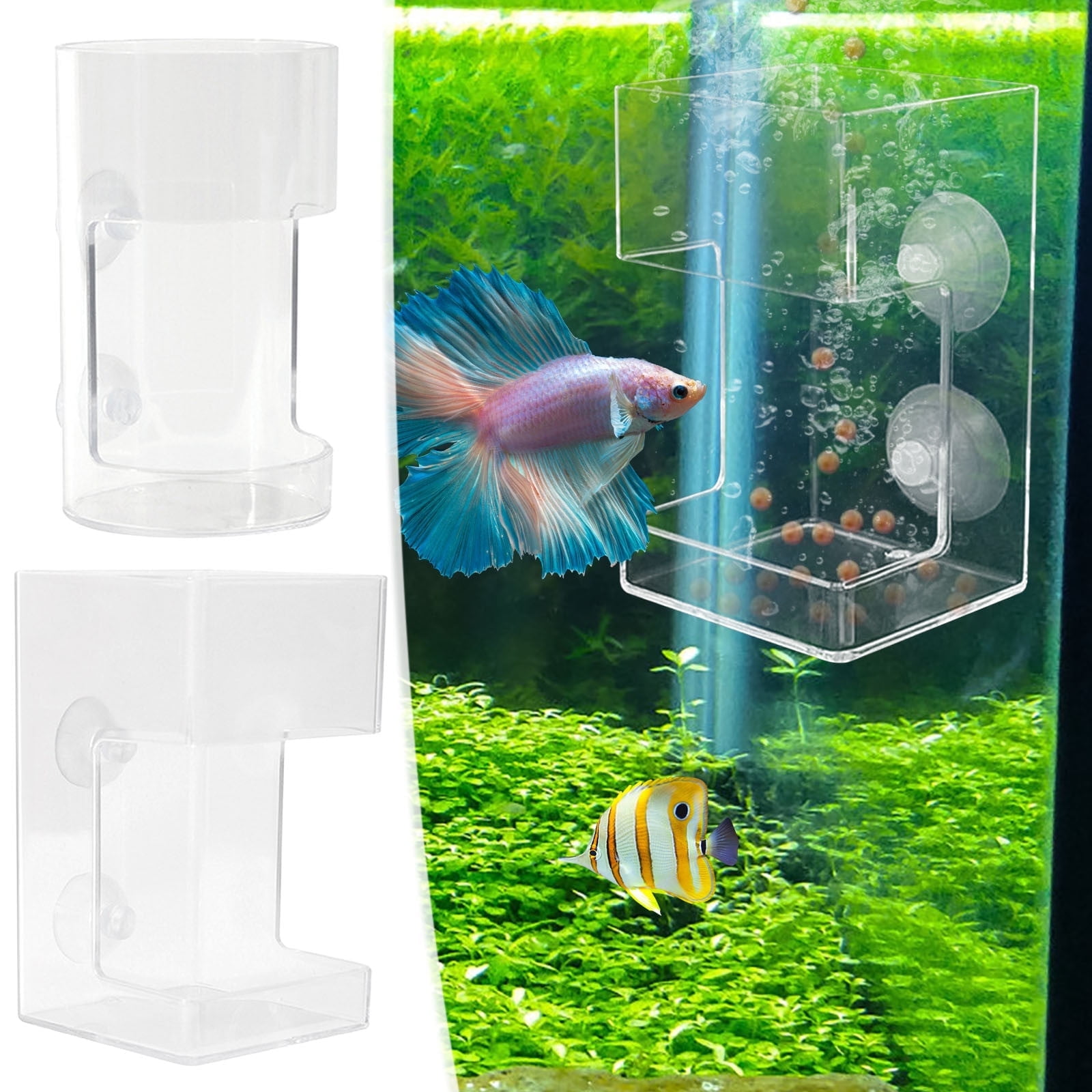
Credit: www.walmart.com
Enhancing Growth With Stick Feeding
Feeding ornamental fish with sticks can boost their growth. This method provides balanced nutrition.
Stick feeding is easy and helps fish get the right nutrients. It supports their vibrant colors and overall health.
Balanced Diet Tips
Providing a balanced diet is key for fish health. Sticks offer proteins, fats, and vitamins.
- Choose sticks with high protein content.
- Ensure the sticks contain essential fatty acids.
- Look for added vitamins for immune support.
Supplements And Additives
Supplements can enhance the benefits of stick feeding. They ensure fish get all necessary nutrients.
| Supplement | Benefit |
| Spirulina | Boosts immunity |
| Astaxanthin | Enhances color |
| Omega-3 | Supports growth |
Monitoring Health Progress
Regular checks help track fish health. Observe their behavior and physical changes.
Keep a simple log to note:
- Eating habits
- Color vibrancy
- Growth rate
Frequently Asked Questions
What Are The Benefits Of Feeding Ornamental Fish With Sticks?
Feeding with sticks offers controlled portions and reduces waste. It encourages natural feeding behavior and keeps fish active. Sticks also help prevent water pollution by limiting excess food in the tank.
Which Types Of Sticks Are Safe For Ornamental Fish?
Use non-toxic, untreated wooden sticks like bamboo or natural driftwood. Avoid painted or chemically treated sticks to prevent harming fish. Always clean sticks thoroughly before use to ensure safety.
How Often Should I Feed Ornamental Fish Using Sticks?
Feed your ornamental fish once or twice daily with sticks. Monitor their response and adjust frequency to prevent overfeeding. Consistent feeding times help maintain fish health and tank cleanliness.
Can Feeding Sticks Improve Fish Health And Growth?
Yes, feeding sticks promote healthy eating habits and reduce stress. They help maintain water quality, which supports fish growth. Proper nutrition from sticks can enhance fish coloration and vitality.
Conclusion
Feeding ornamental fish with sticks can be simple and fun. It helps control the amount of food given each time. Fish enjoy nibbling from the stick’s surface. This method keeps the tank cleaner and reduces waste. Always choose safe, fish-friendly sticks for feeding.
Watch your fish closely to see how they react. Try this easy technique to make feeding more interactive. Your fish will thank you with healthier, happier behavior. Give it a try and enjoy your aquarium more.