
If you want your ornamental fish to stay vibrant and healthy, the food you choose plays a big role. Feeding your fish with spirulina flakes can make a noticeable difference in their color, energy, and overall well-being.
But why should you consider spirulina flakes over regular fish food? And how can you use them to get the best results? Keep reading, and you’ll discover simple tips to boost your fish’s health while making feeding time enjoyable for both you and your aquatic friends.

Credit: www.amazon.com
Benefits Of Spirulina For Ornamental Fish
Spirulina flakes are a popular food choice for ornamental fish. They offer many health benefits that help fish grow strong and stay healthy.
Feeding spirulina to your fish can improve their overall well-being. This natural food source supports their immune system and enhances their colors.
Nutritional Profile
Spirulina flakes are rich in proteins, vitamins, and minerals. These nutrients help fish develop muscles and maintain good health.
They contain essential fatty acids and antioxidants that support cell repair and growth. Spirulina is also easy to digest for most fish.
- High-quality protein for growth
- Vitamins A, B, C, and E
- Minerals like iron and calcium
- Essential fatty acids for energy
- Antioxidants to fight free radicals
Enhancing Immunity
Spirulina boosts the immune system of ornamental fish. It helps fish fight infections and stay healthy in different environments.
The natural compounds in spirulina increase the production of immune cells. This makes fish more resistant to diseases and stress.
- Stimulates white blood cell production
- Reduces inflammation in fish bodies
- Supports recovery from illness
- Improves resistance to harmful bacteria
Improving Color Vibrancy
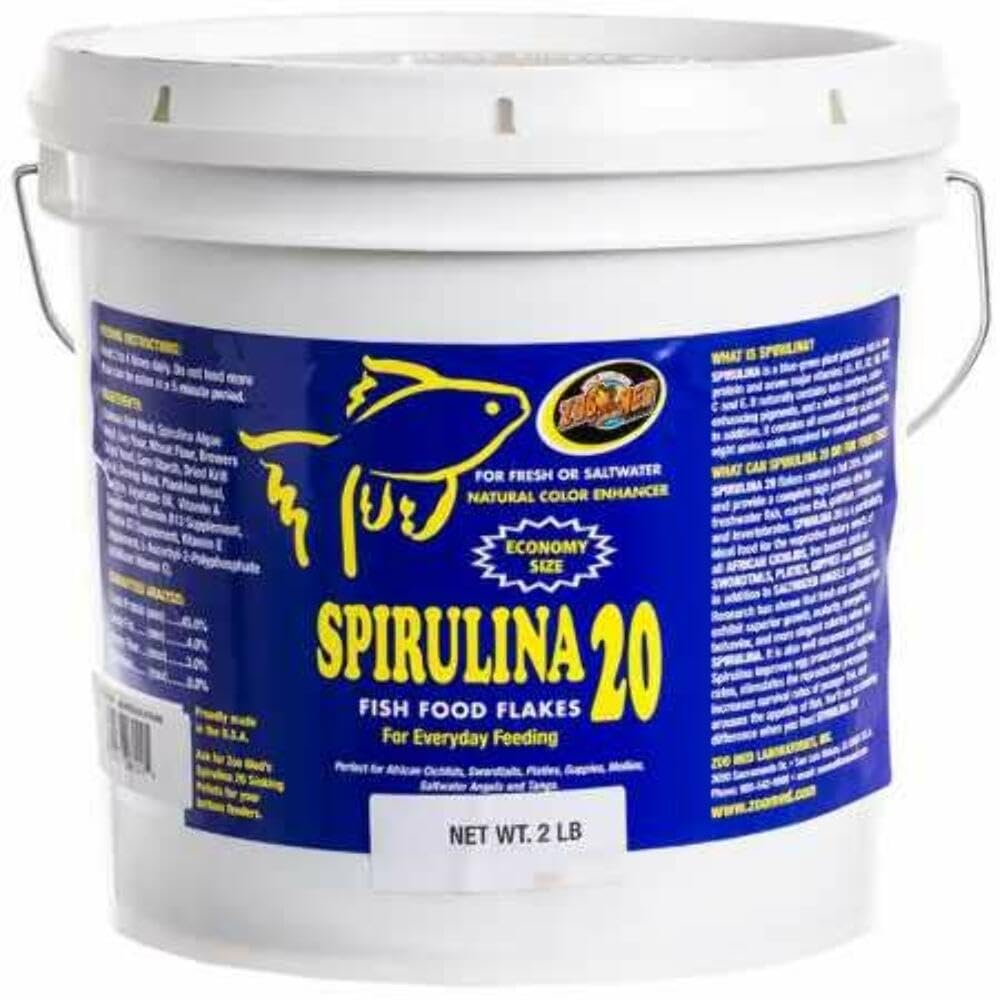
Feeding spirulina flakes enhances the natural colors of ornamental fish. It contains pigments that bring out reds, blues, and greens.
Regular feeding helps fish look brighter and more vibrant. This makes your aquarium more beautiful and lively.
- Contains natural pigments like carotenoids
- Supports skin and scale health
- Enhances reds, oranges, and blues
- Makes colors last longer
Credit: www.amazon.com
Choosing Quality Spirulina Flakes
Feeding ornamental fish with spirulina flakes can improve their health and color. Choosing the right flakes is important for good results.
Not all spirulina flakes are the same. Quality depends on ingredients, purity, and brand trust.
Key Ingredients To Look For
Check the ingredient list to ensure the flakes have high spirulina content. Spirulina should be the main ingredient.
Look for added vitamins and minerals that support fish health. Avoid flakes with fillers like wheat or corn.
- High percentage of pure spirulina
- Added essential vitamins like vitamin C
- Minerals such as calcium and magnesium
- No artificial colors or flavors
Avoiding Contaminants
Contaminants in spirulina flakes can harm your fish. Avoid flakes with heavy metals or toxins.
Choose spirulina tested for purity and safety. Look for products made in clean facilities with strict quality control.
- No heavy metals like lead or mercury
- Free from harmful bacteria or mold
- Produced in hygienic environments
- Third-party tested for contaminants
Reputable Brands
Select spirulina flakes from brands known for quality and safety. Trusted brands provide clear ingredient lists and testing results.
Buy from brands that specialize in fish nutrition. Reviews and recommendations from other fish keepers can help you choose.
- Brands with transparent ingredient labels
- Manufacturers with quality certifications
- Companies focused on aquatic pet health
- Positive feedback from fish hobbyists
Feeding Techniques And Dosage
Feeding ornamental fish with spirulina flakes supports their health and color. Using the right techniques and amounts is important for best results.
Spirulina flakes are a good source of nutrients. Proper feeding helps fish digest food well and stay active.
Proper Serving Sizes
Give your fish only what they can eat in a few minutes. Too much food can pollute the tank and harm fish.
- Feed small amounts to avoid leftovers.
- Adjust serving size based on fish size and species.
- Observe fish eating habits to find the right portion.
Frequency Of Feeding
Feed spirulina flakes once or twice daily. Avoid overfeeding to keep the water clean.
Young or growing fish may need more frequent feedings. Adult fish usually do well with one feeding per day.
- Feed young fish 2–3 times daily.
- Feed adult fish once daily or every other day.
- Watch fish behavior to adjust feeding frequency.
Mixing With Other Foods
Mix spirulina flakes with other foods for balanced nutrition. Combine with flakes, pellets, or frozen foods.
This variety ensures fish get all needed vitamins and minerals. It also keeps fish interested in their food.
- Combine spirulina with protein-rich foods.
- Use flakes or pellets to vary texture and taste.
- Feed frozen or live foods occasionally for enrichment.
Monitoring Fish Health And Behavior
Feeding ornamental fish with spirulina flakes can improve their health. It is important to watch their behavior and condition closely.
Careful monitoring helps you spot good signs or problems early. This ensures your fish stay healthy and happy.
Signs Of Improved Vitality
Fish eating spirulina flakes often show better colors and more energy. They swim actively and respond quickly to their environment.
Healthy fish have clear eyes and smooth scales. Their fins look strong and open fully during swimming.
- Brighter and richer body colors
- Increased swimming activity
- Clear, bright eyes
- Strong, fully spread fins
- Regular eating habits
Detecting Overfeeding
Overfeeding can harm fish health and pollute the water. Watch for leftover food after feeding and changes in fish behavior.
Fish may become lazy or have swollen bodies if they eat too much. Excess food can cloud the water and cause bad smells.
- Uneaten food at the tank bottom
- Fish swimming slowly or hiding
- Swollen or bloated fish bodies
- Cloudy or smelly water
- More frequent water changes needed
Adjusting Diet As Needed
Change the amount of spirulina flakes based on fish health and water quality. Feed small portions and watch fish eat quickly.
If fish look less active or water quality drops, reduce feeding. Offer a balanced diet with other foods for variety.
- Feed small amounts several times a day
- Stop feeding if food stays uneaten
- Include other food types for balance
- Keep water clean with regular changes
- Observe fish daily for health signs
Potential Challenges And Solutions
Feeding ornamental fish with spirulina flakes offers many benefits. Still, some challenges may arise. Understanding these can help maintain a healthy tank environment.
This guide covers common issues such as algae overgrowth, fish acceptance, and storage concerns. It also suggests practical solutions for each problem.
Algae Overgrowth In Tank
Spirulina flakes can sometimes cause algae growth if overfed. Excess flakes decay and fuel unwanted algae blooms. This can harm water quality and fish health.
- Feed small amounts to avoid leftovers.
- Remove uneaten flakes after 5 minutes.
- Perform regular water changes to control nutrients.
- Use algae-eating fish or snails to keep algae in check.
- Monitor lighting; reduce if algae grows too fast.
Fish Acceptance Issues
Some ornamental fish may reject spirulina flakes at first. This can be due to unfamiliar taste or texture. Patience and gradual introduction help fish accept new food.
- Mix spirulina flakes with familiar foods.
- Crush flakes into smaller pieces for easier eating.
- Offer flakes during feeding times only.
- Observe fish behavior and adjust feeding accordingly.
- Do not force-feed; try again after a few days.
Storage And Shelf Life
Proper storage keeps spirulina flakes fresh and nutritious. Exposure to air, light, or moisture can reduce shelf life. Follow storage tips to maintain food quality.
| Storage Condition | Effect on Spirulina Flakes | Recommended Action |
| Exposure to Air | Causes oxidation and nutrient loss | Keep flakes in airtight containers |
| Direct Sunlight | Leads to color fading and reduced nutrients | Store in a dark, cool place |
| Humidity | Makes flakes clump and spoil | Use moisture-absorbing packets or dry storage |
| Temperature | High heat degrades quality quickly | Keep flakes away from heat sources |

Credit: www.amazon.com
Frequently Asked Questions
What Are Spirulina Flakes For Ornamental Fish?
Spirulina flakes are nutrient-rich fish food made from blue-green algae. They enhance color, boost immunity, and promote growth in ornamental fish.
How Often Should I Feed Spirulina Flakes To Fish?
Feed ornamental fish spirulina flakes 2-3 times daily in small amounts. Avoid overfeeding to maintain water quality and fish health.
Can Spirulina Flakes Improve Fish Coloration?
Yes, spirulina contains natural pigments like phycocyanin that intensify vibrant colors in ornamental fish, making them more visually appealing.
Are Spirulina Flakes Safe For All Ornamental Fish Species?
Generally, spirulina flakes are safe for most ornamental fish. However, always check specific dietary needs before introducing new food.
Conclusion
Feeding ornamental fish with spirulina flakes supports their health and color. These flakes provide essential nutrients and boost fish energy. Fish enjoy the taste and benefit from the natural ingredients. Using spirulina flakes helps maintain a clean aquarium environment. Regular feeding keeps your fish active and lively.
Try adding spirulina flakes to your fish’s diet for better care. Simple, natural, and effective – a good choice for your aquarium.