
Are you looking for the best way to keep your ornamental fish healthy and vibrant? Feeding them the right food is key, and pellet food might be just what your fish need.
But how do you choose the right pellets? How often should you feed them? And what benefits can you expect? This guide will answer all your questions and help you give your fish the nutrition they deserve. Keep reading to discover simple tips that make feeding your ornamental fish easy and effective.
Your fish will thank you with brighter colors and lively swimming!
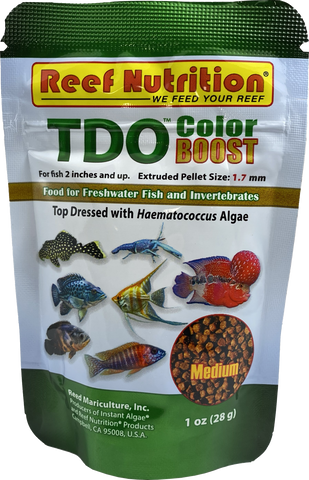
Credit: reefnutrition.com
Benefits Of Pellet Food
Pellet food is a popular choice for feeding ornamental fish. It offers many advantages that support fish health and ease of care.
Using pellet food helps fish owners provide balanced nutrition and maintain clean tanks with less effort.
Nutritional Value
Pellet food contains essential vitamins and minerals for fish growth. It is made to meet the dietary needs of ornamental fish.
The controlled ingredients help fish stay healthy and active. Each pellet has a balanced mix of proteins, fats, and nutrients.
- High in protein for strong muscles
- Added vitamins for immune support
- Fat content to provide energy
- Minerals for proper bone development
Convenience And Storage
Pellets are easy to store and handle. They come in sealed packages that keep the food fresh for a long time.
Dry pellets do not spoil quickly. This makes feeding fish less stressful and saves time for fish owners.
- Long shelf life without refrigeration
- Simple to measure and distribute
- Less mess compared to flakes or live food
- Easy to keep in a dry place
Consistency In Feeding
Pellet food maintains its size and shape in water. This helps fish eat at their own pace without food breaking apart.
Consistent feeding supports better digestion and reduces water pollution. Fish get the right amount of food every time.
- Pellets sink or float steadily
- Easy to control feeding quantity
- Less leftover food in the tank
- Helps keep water cleaner
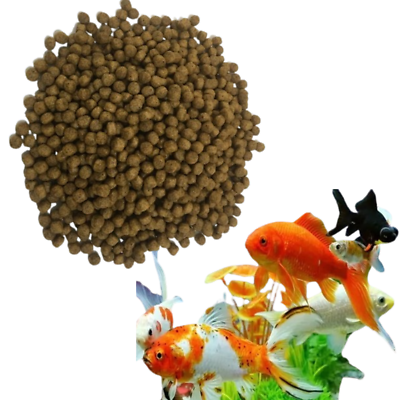
Credit: www.ebay.com
Choosing The Right Pellets
Feeding ornamental fish with pellets is easy and healthy. Picking the right pellets helps your fish stay strong and colorful.
Different fish need different types of pellets. Knowing what to look for will make feeding time better for your fish.
Types Of Pellet Food
Pellets come in many forms. Some float on the water surface, while others sink to the bottom.
Floating pellets suit fish that eat at the top. Sinking pellets work well for bottom feeders.
- Floating pellets: easy to see and catch
- Sinking pellets: good for slow or shy fish
- Slow-sinking pellets: stay in water longer
Size And Shape Considerations
Pellet size must match your fish’s mouth size. Too big pellets can be hard to eat.
Shape affects how fish grab food. Round pellets are easy for most fish, while flat ones suit some species.
- Small pellets: best for baby fish or small species
- Medium pellets: fit most adult ornamental fish
- Large pellets: good for big fish with large mouths
- Round shapes: good for most fish
- Flat shapes: good for fish that nibble slowly
Ingredients To Look For
High-quality pellets have good protein and vitamins. Protein helps fish grow strong muscles.
Look for natural ingredients like fish meal, algae, and shrimp. Avoid pellets with too many fillers.
- Protein sources: fish meal, shrimp, krill
- Vegetables: spirulina, algae
- Vitamins: A, C, D for health
- Minimal fillers: avoid corn or wheat as main parts
Feeding Techniques
Feeding ornamental fish correctly is key to their health. Using pellet food is a simple way to provide nutrition.
Knowing how much and how often to feed helps keep fish happy and the tank clean.
Proper Feeding Amounts
Feed your fish only as much as they can eat in a few minutes. Too much food can pollute the water.
- Offer a small pinch of pellets for small fish
- Give a few pellets for medium-sized fish
- Feed larger pellets or more for big fish
- Remove any uneaten pellets after 5 minutes
Feeding Frequency
Feed your ornamental fish once or twice a day. This schedule keeps their digestion healthy.
| Fish Type | Feeding Times per Day |
| Small tropical fish | 2 |
| Medium fish | 1-2 |
| Large fish | 1 |
Avoiding Overfeeding
Overfeeding harms fish and water quality. Watch for leftovers and fish behavior to avoid this.
- Feed small amounts at a time
- Observe fish eating habits
- Do not add food if pellets remain from last feeding
- Clean the tank regularly to remove excess food
Enhancing Pellet Food Diet
Pellet food is a common diet for ornamental fish. It provides essential nutrients in a convenient form.
Adding other foods can improve their health and keep them active. A varied diet is best for ornamental fish.
Supplementing With Live Or Frozen Food
Live or frozen foods add protein and natural nutrients missing in pellets. They also encourage natural hunting behavior.
Common options include brine shrimp, bloodworms, and daphnia. These foods boost fish energy and color.
- Brine shrimp support growth and vitality
- Bloodworms improve coloration
- Daphnia help with digestion
- Feed small amounts to avoid water pollution
Adding Vegetables And Treats
Vegetables add fiber and vitamins to the diet. Some fish enjoy peas, spinach, or cucumber slices.
Treats like frozen fruit or algae wafers give extra nutrients. Use treats occasionally to keep fish interested.
- Peas help with digestion
- Spinach provides vitamins A and C
- Cucumber offers hydration and nutrients
- Algae wafers support herbivorous fish
Maintaining A Balanced Diet
Feed fish small amounts several times daily. Overfeeding causes health problems and dirty water.
Mix pellet food with live, frozen, and vegetable options. A balanced diet keeps fish healthy and colorful.
- Use pellets as the main diet
- Add live or frozen food twice a week
- Include vegetables once or twice a week
- Remove uneaten food to keep water clean
Common Feeding Mistakes
Feeding ornamental fish with pellet food seems simple. Many fish keepers still make errors that affect fish health.
This guide covers frequent mistakes to avoid for better fish care and feeding success.
Ignoring Fish Species Requirements
Different fish species need different pellet types and feeding amounts. Using one pellet for all species causes problems.
- Some fish require floating pellets, others sinking pellets.
- Herbivores need plant-based pellets, carnivores need protein-rich pellets.
- Overfeeding or underfeeding harms fish health and water quality.
- Research your fish species before choosing pellet food.
Poor Pellet Storage
Pellet food loses nutrients and quality if not stored properly. Moisture and heat cause pellets to spoil fast.
| Storage Method | Effect on Pellets |
| Open container | Pellets absorb moisture, become moldy |
| Warm place | Pellets lose vitamins and smell bad |
| Sealed, cool container | Pellets stay fresh longer |
Feeding During Water Changes
Feeding fish while doing water changes is a common mistake. It stresses fish and wastes food.
- Fish may refuse food if water conditions change suddenly.
- Pellets can pollute water if uneaten during water changes.
- Feed fish after water change and water parameters stabilize.
Signs Of Healthy Fish
Feeding ornamental fish with pellet food can promote their health. Healthy fish show certain signs that are easy to spot.
These signs help fish owners ensure their aquatic pets thrive in their environment.
Vibrant Colors
Healthy fish have bright and vibrant colors. Their scales should look shiny and clear.
| Fish Type | Color Sign |
| Goldfish | Rich gold and orange |
| Betta | Deep red and blue |
| Guppy | Bright and multi-colored |
Active Behavior
Fish should swim actively around the tank. They should explore their environment and interact with other fish.
- Swim smoothly without effort
- React to feeding time
- Engage with other fish
Good Appetite
A healthy fish eats eagerly when fed. They should consume the pellet food quickly and not leave any behind.
Troubleshooting Feeding Issues
Feeding ornamental fish with pellet food can sometimes be challenging. Understanding common issues helps ensure your fish stay healthy and happy.
This guide covers common problems and solutions when feeding pellets to your fish.
Fish Not Eating Pellets
Fish may refuse pellets for several reasons. It is important to identify and address these issues promptly.
- Ensure the pellet size is appropriate for your fish.
- Check the freshness of the pellets.
- Introduce new food gradually to their diet.
Pellet Food Causing Water Quality Problems
Pellet food can impact water quality if not managed properly. Excess food decomposes and affects the tank’s environment.
| Problem | Solution |
| Cloudy Water | Reduce feeding amount |
| Algae Growth | Clean the tank regularly |
| Ammonia Spike | Perform water changes weekly |
Adjusting Diet For Sick Fish
Sick fish may require dietary adjustments. Providing the right nutrients can aid in their recovery.
- Identify symptoms and consult a vet.
- Isolate sick fish if necessary.
- Adjust feeding schedule to reduce stress.

Credit: diyaudiocircuits.com
Frequently Asked Questions
What Are The Benefits Of Pellet Food For Ornamental Fish?
Pellet food provides balanced nutrition and enhances fish color. It is easy to store and reduces water pollution. Pellets also promote healthy growth and are convenient for regular feeding schedules.
How Often Should I Feed Ornamental Fish With Pellets?
Feed your ornamental fish 1-2 times daily with small pellet amounts. Overfeeding causes water quality issues and health problems. Adjust feeding based on fish size and activity for optimal health.
Can Pellet Food Replace Live Food For Ornamental Fish?
Yes, pellet food can replace live food as it offers complete nutrients. Pellets are safer, cleaner, and reduce disease risks. However, occasional live food can improve variety and fish stimulation.
What Types Of Pellet Food Suit Different Ornamental Fish?
Choose pellet size and type based on fish species and mouth size. Floating pellets suit surface feeders, sinking pellets fit bottom dwellers. Specialized formulas support specific dietary needs like herbivores or carnivores.
Conclusion
Feeding ornamental fish with pellet food keeps them healthy and active. Pellets provide balanced nutrition in a simple form. Fish eat pellets easily, reducing waste in the tank. Choose the right pellet size for your fish type. Feed small amounts regularly to avoid overfeeding.
Clean the tank often to keep fish safe. Watching your fish enjoy pellets is rewarding. Good care helps your fish live longer and look beautiful. Simple steps make feeding easy and effective every day.