
If you want your ornamental fish to stay healthy and vibrant, feeding them the right way is key. Flake food is one of the easiest and most popular options for keeping your fish well-nourished.
But are you sure you’re feeding your fish correctly with flakes? Small mistakes can affect their growth, color, and energy. You’ll discover simple tips and secrets to make the most out of flake food for your fish. Keep reading to learn how to boost your fish’s health and enjoy a beautiful, lively aquarium every day.
Choosing The Right Flake Food
Feeding ornamental fish with flake food is a simple way to keep them healthy. Choosing the right flake food is important for their growth and color.
There are many types of flake food. Knowing their differences helps you pick the best one for your fish.
Types Of Flake Food
Flake foods come in various forms. Some float on the water surface, while others sink slowly. The choice depends on the fish species and their feeding habits.
- Floating flakes: Easy for surface feeders to eat
- Sinking flakes: Good for mid-water and bottom feeders
- Color-enhancing flakes: Boost the natural colors of fish
- High-protein flakes: Support growth in young and active fish
Nutritional Needs Of Ornamental Fish
Ornamental fish need a balanced diet with proteins, fats, and vitamins. Different fish species have different needs based on their size and activity level.
| Nutrition | Purpose |
| Protein | Supports growth and repair |
| Fats | Provide energy and aid absorption of vitamins |
| Vitamins | Keep the immune system strong |
| Fiber | Helps digestion |
Ingredients To Look For
Good flake food contains natural ingredients. Avoid flakes with many fillers or artificial colors.
- Fish meal for protein
- Algae and spirulina for vitamins and color
- Wheat or rice as mild fillers
- Omega fatty acids for healthy fins and skin
- Natural preservatives instead of chemicals
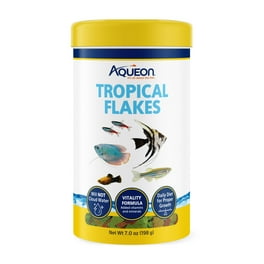
Credit: www.walmart.com
Proper Feeding Techniques
Feeding ornamental fish with flake food is simple but needs care. Proper feeding keeps fish healthy and active.
Using the right techniques helps avoid waste and water pollution. It also ensures your fish get enough nutrients.
How Much To Feed
Feed only what your fish can eat in a few minutes. Too much food can cause water problems.
Small amounts of flake food are best. Overfeeding can harm your fish’s health.
- Feed 2-3 flakes per fish per feeding
- Adjust amount based on fish size and number
- Remove uneaten flakes after feeding time
Feeding Frequency
Feed your fish once or twice a day. Too frequent feeding can cause overfeeding.
Young fish may need more frequent feedings. Adult fish do well with less frequent meals.
- Feed young fish 2-3 times daily
- Feed adult fish 1-2 times daily
- Keep feeding times consistent every day
Avoiding Overfeeding
Overfeeding causes leftover food to rot. This harms water quality and fish health.
Watch your fish during feeding. Stop feeding when they stop eating.
- Do not feed more than fish can eat in 5 minutes
- Remove extra flakes after feeding
- Use a small amount of food to prevent waste
Flake Food Storage Tips
Storing flake food correctly keeps it fresh and healthy for your fish.
Good storage helps prevent moisture, heat, and pests from spoiling the food.
Ideal Storage Conditions
Keep flake food in a cool, dry place away from sunlight. Avoid areas with high humidity.
- Store in airtight containers to block air and moisture.
- Place containers in a dark cabinet or pantry.
- Do not store near heat sources like stoves or windows.
- Keep food away from strong odors that can affect flavor.
Shelf Life And Expiration
Flake food has a shelf life that depends on storage and packaging. Check expiration dates regularly.
| Storage Condition | Expected Shelf Life |
| Cool, dry, sealed container | 6 to 12 months |
| Open bag at room temperature | 2 to 3 months |
| Exposed to moisture or heat | Less than 1 month |
Maintaining Freshness
Keep flake food fresh by sealing it tightly after each use. Use dry utensils to scoop food.
- Close the container lid immediately after feeding.
- Do not leave food open in humid or warm places.
- Use the oldest food first to avoid waste.
- Check for mold or unusual smells before feeding.
Monitoring Fish Health
Feeding ornamental fish with flake food requires careful health monitoring. Watching your fish closely helps spot problems early.
Healthy fish show clear signs that their diet is right. Feeding habits and behavior give clues about their condition.
Signs Of Good Nutrition
Well-fed fish have bright colors and active movement. They eat regularly and swim without difficulty. Clear eyes and smooth scales also show good health.
- Vibrant colors that do not fade
- Steady appetite during feeding times
- Normal, smooth swimming patterns
- Clear, shiny eyes
- Scales that lie flat and look healthy
Common Feeding Problems
Feeding issues can cause stress and illness. Overfeeding leads to poor water quality. Underfeeding makes fish weak and slow.
| Problem | Cause | Effect |
| Overfeeding | Too much flake food | Water pollution, obesity |
| Underfeeding | Not enough food | Weakness, slow growth |
| Uneaten flakes | Fish not eating | Water contamination |
| Selective eating | Fish avoids some flakes | Imbalanced nutrition |
Adjusting Diet Based On Behavior
Fish behavior guides diet changes. If fish eat too fast, feed smaller amounts more often. Slow eaters may need softer flakes or varied food.
Tips for adjusting diet:
- Watch feeding speed and interest
- Change flake size or type if needed
- Feed at regular times daily
- Remove uneaten food after 5 minutes
- Observe fish for signs of stress or illness
Supplementing Flake Food
Flake food is a common choice for feeding ornamental fish. It provides basic nutrition and is easy to use. Still, flakes alone may not meet all your fish’s dietary needs.
Adding supplements to flake food can improve fish health. It helps provide variety and extra nutrients that flakes might lack.
Adding Live Or Frozen Foods
Live and frozen foods offer natural nutrition that flakes do not have. They help fish stay active and healthy. Examples include brine shrimp, bloodworms, and daphnia.
These foods provide proteins and fats that support growth and color. Feed live or frozen foods a few times a week for best results.
- Brine shrimp increase protein intake
- Bloodworms add essential fats
- Daphnia help with digestion
Vegetable Supplements
Fish need plant-based nutrients too. Vegetables like peas, spinach, and zucchini provide fiber and vitamins. These help with digestion and color.
Offer small amounts of cooked or blanched vegetables. Remove uneaten bits to keep water clean.
- Peas support digestion
- Spinach adds vitamins
- Zucchini provides fiber
Boosting Variety And Nutrition
Feeding different foods helps fish get balanced nutrition. Variety keeps fish interested and healthy. Use flakes, live, frozen, and vegetables together.
Change supplements regularly. This avoids nutrient gaps and boredom. A mixed diet supports strong immune systems and vibrant colors.
- Mix flake food with protein-rich supplements
- Include plant-based foods weekly
- Rotate live and frozen food types
- Watch fish responses and adjust diet

Credit: www.amazon.com

Credit: www.amazon.com
Frequently Asked Questions
What Is The Best Flake Food For Ornamental Fish?
The best flake food for ornamental fish contains balanced nutrients and high-quality proteins. Choose flakes rich in vitamins and minerals to support fish health and vibrant colors.
How Often Should I Feed My Ornamental Fish Flakes?
Feed your ornamental fish flakes once or twice daily. Offer only the amount they can consume within 2-3 minutes to avoid overfeeding and water pollution.
Can Flake Food Meet All Nutritional Needs?
Flake food provides essential nutrients but should be supplemented with live or frozen foods. This ensures a varied diet for optimal fish growth and immune health.
How To Store Ornamental Fish Flake Food Properly?
Store flake food in a cool, dry place away from sunlight. Keep the container tightly sealed to maintain freshness and prevent nutrient loss.
Conclusion
Feeding ornamental fish with flake food keeps them healthy and happy. It offers easy nutrition and fits most fish diets well. Always feed small amounts to avoid waste and water problems. Watch your fish’s behavior to adjust feeding as needed.
Good care means clean water and balanced food every day. Simple steps help your fish grow strong and colorful. Enjoy your aquarium with healthy, lively fish that thrive.