
Are you struggling to keep your ornamental fish well-fed without making a mess? Feeding your colorful friends can be tricky, especially when food scatters all over the tank or sinks to the bottom, causing water pollution.
Using feeding dishes can change the game for you and your fish. Imagine a simple tool that helps you control their diet, keeps the tank cleaner, and makes feeding time easier and more enjoyable. You’ll discover how feeding dishes can transform your fish care routine and why your aquatic pets will thank you for it.
Keep reading to learn the secrets to healthier, happier ornamental fish with just one small change.
Choosing The Right Feeding Dish
Feeding ornamental fish with dishes helps keep the tank clean. It also makes feeding easier for you and your fish.
Picking the right dish is important. The dish must fit your aquarium and fish needs well.
Material Options
Feeding dishes come in many materials. Each material affects durability and safety differently.
Plastic dishes are light and cheap but may scratch easily. Ceramic dishes are heavy and stable but can break.
- Plastic: lightweight, affordable, may scratch
- Ceramic: stable, heavy, fragile
- Glass: smooth surface, easy to clean, breakable
- Stainless steel: durable, rust-resistant, less common
Size And Shape Considerations
Choose a dish size that fits your fish and tank size. Too big or too small dishes cause feeding issues.
Round dishes suit small fish. Flat dishes help slow eaters get food easily.
- Small dishes for small fish
- Larger dishes for bigger fish or groups
- Shallow dishes for surface feeders
- Deep dishes for bottom feeders
Placement In The Aquarium
Place feeding dishes where fish can find food easily. Avoid strong water currents that wash away food.
Near plants or decorations can offer fish comfort. Keep the dish visible but stable.
- Place on flat surfaces in the tank
- Avoid areas with strong water flow
- Near hiding spots for shy fish
- Accessible to all fish in the tank

Credit: www.amazon.sg
Benefits Of Using Feeding Dishes
Using feeding dishes for ornamental fish helps control food delivery. It offers many advantages for fishkeepers and their tanks.
Feeding dishes keep fish food in one place. This makes feeding cleaner and easier to manage.
Reducing Food Waste
Feeding dishes prevent food from scattering in the tank. This stops uneaten food from spoiling and polluting water.
- Food stays in one spot for fish to eat
- Less leftover food sinks to the bottom
- Reduces waste and saves money on fish food
- Helps maintain water quality longer
Keeping The Tank Clean
Feeding dishes limit food spread in the aquarium. This helps keep decorations and substrate cleaner.
| Tank Area | Benefit of Feeding Dish |
| Substrate | Less uneaten food reduces debris |
| Decorations | Prevents sticky food buildup |
| Water Surface | Limits floating food causing film |
Monitoring Fish Health
Feeding dishes make it easy to watch how much each fish eats. This helps spot health problems early.
- Track feeding habits of individual fish
- Notice if a fish eats less or stops eating
- Identify picky eaters or sick fish quickly
- Adjust diet based on fish behavior
Types Of Food Suitable For Feeding Dishes
Feeding dishes help keep fish food in one place. They reduce mess and waste in your aquarium.
Choosing the right food for feeding dishes is important. Some foods work better in dishes than others.
Pellets And Flakes
Pellets and flakes are popular fish foods. They come in many sizes and types for different fish.
These foods stay well in feeding dishes. Pellets sink slowly, flakes float or sink depending on type.
- Pellets provide balanced nutrition for most fish
- Flakes are easy to break into smaller pieces
- Both help reduce food waste when used in dishes
Frozen And Live Foods
Frozen and live foods offer natural nutrition. They include bloodworms, brine shrimp, and daphnia.
Use feeding dishes carefully with these foods. They can melt or move, making a mess if not contained.
- Frozen foods must thaw before feeding
- Live foods keep fish active and healthy
- Feeding dishes help control portions and keep tank clean
Specialty Diets
Some fish need special diets for health. These include algae wafers, spirulina, and medicated foods.
Feeding dishes work well with specialty diets. They keep food from spreading and make feeding easier.
- Algae wafers suit herbivorous fish
- Spirulina boosts fish color and health
- Medicated foods help treat fish illnesses
Feeding Techniques For Ornamental Fish
Feeding ornamental fish requires care and attention. Proper feeding helps fish stay healthy and active.
Using feeding dishes can improve how you feed your fish. It controls food spread and keeps the tank clean.
Portion Control Tips
Giving the right amount of food is important. Overfeeding leads to water pollution and fish health problems.
- Feed small amounts that fish can eat in 2-3 minutes.
- Observe fish eating habits to adjust portion size.
- Use feeding dishes to measure food accurately.
- Remove uneaten food after feeding time.
Frequency And Timing
Regular feeding times help fish get used to the routine. Most ornamental fish do well with 1-2 feedings daily.
| Fish Type | Feedings per Day | Best Time to Feed |
| Small Tropical Fish | 2 | Morning and Evening |
| Goldfish | 1-2 | Midday |
| Cichlids | 2 | Morning and Afternoon |
Encouraging Shy Fish To Eat
Some fish hide and avoid food. You can use special techniques to help them eat well.
Try these tips to feed shy fish:
- Place food close to their hiding spots using feeding dishes.
- Feed smaller amounts more often.
- Use calm and quiet movements around the tank.
- Offer live or frozen food to attract their attention.
Maintaining Feeding Dishes
Feeding dishes help keep food in one place for ornamental fish. Proper care keeps dishes clean and safe for fish.
Maintaining feeding dishes prevents water pollution and fish health problems. Regular checks and cleaning are important.
Cleaning Routines
Clean feeding dishes every day or after each feeding. Remove leftover food and debris to stop bacteria growth.
Use warm water and a soft brush to scrub the dish. Avoid harsh chemicals that can harm fish.
Preventing Algae Build-up
Algae can grow quickly on feeding dishes if left dirty. Clean dishes often to keep algae away.
Place dishes where sunlight is limited to slow algae growth. Rinse dishes thoroughly before use.
- Clean dishes daily
- Limit sunlight exposure
- Rinse before each feeding
Replacing Damaged Dishes
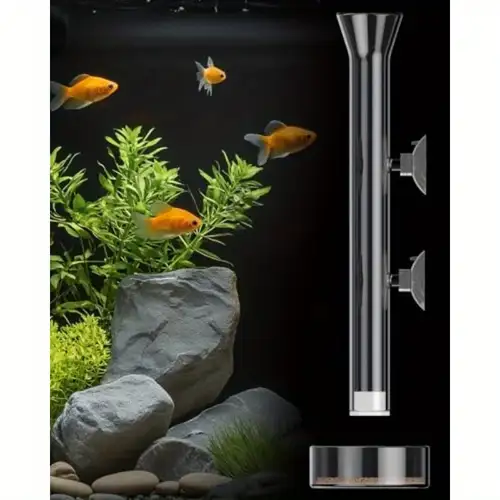
Check feeding dishes for cracks or chips regularly. Damaged dishes can hurt fish or trap food.
Replace any dishes that show damage. Use smooth, safe dishes to protect your fish.
Credit: www.temu.com
Troubleshooting Common Issues
Using feeding dishes for ornamental fish can be tricky. It’s important to address common issues. This guide helps solve these problems.
Learn how to ensure your fish get the right nutrition. Avoid problems with the feeding process.
Fish Ignoring The Dish
Fish sometimes ignore the feeding dish. This can be frustrating. Try these tips to help them notice the food.
- Place the dish in a calm area of the tank.
- Use brightly colored dishes to attract attention.
- Introduce the dish during regular feeding times.
Food Contamination Problems
Contaminated food can harm fish. Keep the feeding area clean. Follow these steps to maintain hygiene.
| Step | Action |
| 1 | Remove uneaten food after 30 minutes. |
| 2 | Clean the dish regularly with tank water. |
| 3 | Store fish food in a dry, cool place. |
Dish Displacement By Fish
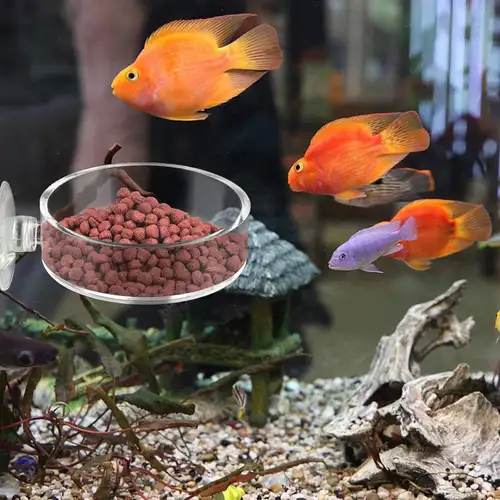
Sometimes fish move the dish around. This disrupts feeding. Secure the dish to prevent displacement.
- Choose a dish with built-in suction cups.
- Check suction regularly to ensure it stays secure.
- Consider dish designs that minimize movement.
Credit: www.temu.com
Frequently Asked Questions
What Are The Benefits Of Using Feeding Dishes For Ornamental Fish?
Feeding dishes help control food portions and reduce waste. They keep the tank cleaner and prevent uneaten food from polluting water. Using dishes also makes it easier to monitor fish health and eating habits. This method promotes a healthier and more attractive aquarium environment.
How Do Feeding Dishes Improve Ornamental Fish Health?
Feeding dishes prevent food contamination and overfeeding. They ensure fish get the right amount of nutrients without excess. This reduces water pollution and lowers the risk of diseases. Healthy feeding habits lead to vibrant, active fish and a balanced aquarium ecosystem.
Which Materials Are Best For Ornamental Fish Feeding Dishes?
Ceramic and glass dishes are ideal for feeding ornamental fish. They are non-toxic, easy to clean, and durable. Avoid plastic dishes as they can leach harmful chemicals. Choose dishes that are stable and sized appropriately for your fish species.
How Often Should I Clean The Feeding Dishes?
Clean feeding dishes after every meal to prevent algae and bacteria buildup. Regular cleaning maintains water quality and fish health. Use warm water and a soft brush; avoid harsh chemicals. Proper hygiene supports a clean and thriving aquarium environment.
Conclusion
Feeding dishes help keep ornamental fish healthy and happy. They stop food from spreading everywhere in the tank. This makes cleaning easier and water clearer. Fish can eat in one place, reducing waste and stress. Choose dishes that suit your fish size and tank style.
Watch how your fish respond and adjust feeding amounts. Small steps improve their life and your aquarium’s beauty. Feeding with dishes is simple but very effective. Try it and see the difference in your fish tank.