
If you want your ornamental fish to thrive and show their brightest colors, feeding them the right food is key. Dried worms might sound simple, but they pack a powerful punch when it comes to nutrition.
Are you curious how these tiny treats can boost your fish’s health and vitality? You’ll discover why dried worms could be the secret ingredient your aquarium needs. Keep reading to learn how to feed your fish properly and watch them flourish like never before.
Benefits Of Dried Worms
Dried worms are a popular food choice for ornamental fish. They provide essential nutrients that help fish grow strong and healthy.
Using dried worms is easy and can improve the overall care of your fish. Let’s explore the main benefits of feeding dried worms to your ornamental fish.
Nutritional Value
Dried worms offer a rich source of protein and fat. These nutrients support muscle growth and give fish energy to swim actively.
- High protein content aids in tissue repair
- Essential fatty acids support healthy scales and skin
- Vitamins and minerals boost immune system
- Low moisture helps maintain nutrient concentration
Convenience And Storage
Dried worms are easy to store and handle. They do not spoil quickly and take up less space than live food.
| Feature | Benefit |
| Long shelf life | Can be kept for months without spoiling |
| Compact size | Easy to store in small containers |
| Ready to use | No need for preparation or feeding live food |
| Less mess | Cleaner feeding process with less water contamination |
Impact On Fish Health
Feeding dried worms helps maintain fish health by reducing disease risks. Dried food often has fewer parasites than live worms.
Other health benefits include:
- Improved digestion due to balanced nutrients
- Enhanced coloration from natural pigments
- Reduced risk of overfeeding with controlled portion sizes
Types Of Dried Worms
Dried worms are a popular food choice for ornamental fish. They provide essential nutrients and help keep fish healthy.
There are several types of dried worms available. Each type has unique benefits and suits different fish species.
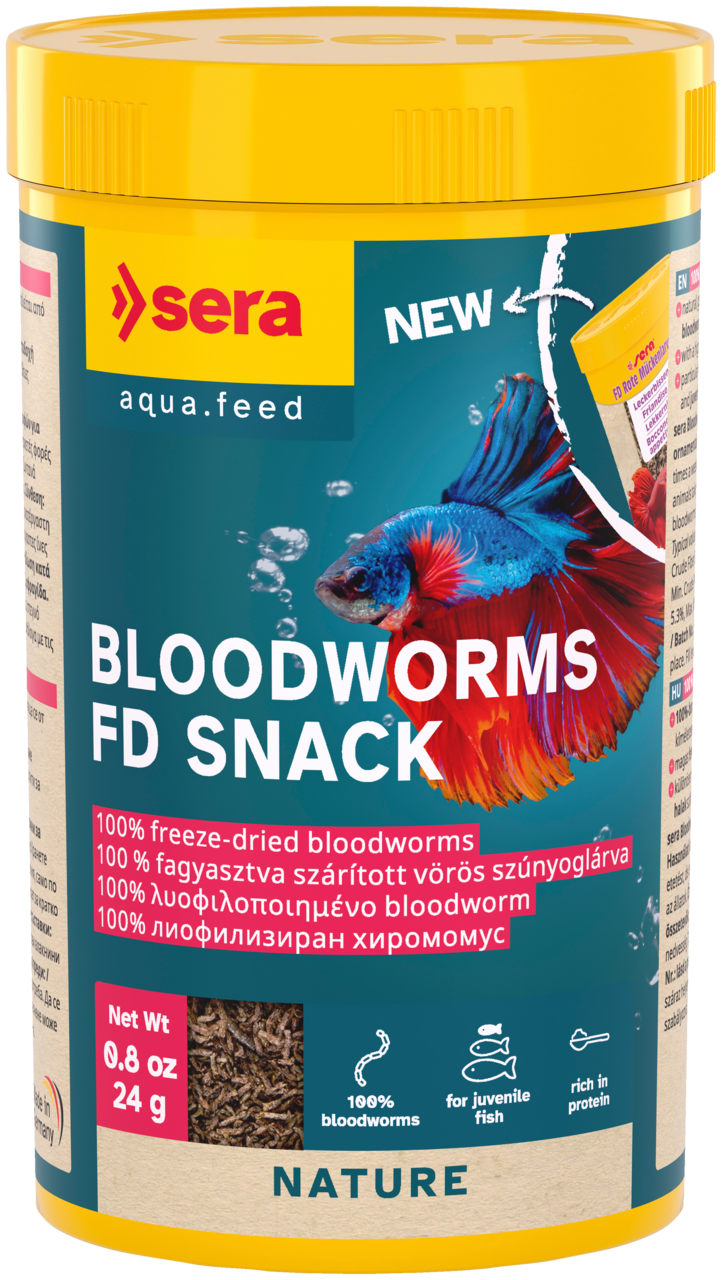
Bloodworms
Bloodworms are red larvae that come from midge flies. They are rich in protein and easy to digest.
Many fish enjoy bloodworms because of their bright color and soft texture. They help improve fish color and vitality.
Tubifex Worms
Tubifex worms are thin and long worms found in freshwater. They are high in protein and fat content.
These worms help fish grow faster and stay active. Dried tubifex worms are easy to store and feed.
Blackworms
Blackworms are small and dark worms found in muddy waters. They are nutritious and full of energy.
Feeding blackworms supports fish digestion and immune systems. They are a good treat for ornamental fish.
Selecting Quality Dried Worms
Feeding ornamental fish with dried worms is a popular choice. Choosing good quality dried worms helps keep fish healthy and happy.
Not all dried worms are the same. Picking the right ones means checking freshness, avoiding harmful parts, and trusting good brands.
Checking Freshness
Fresh dried worms look natural and dry but not brittle. They should not have a bad odor or signs of mold.
- Look for bright color without dark spots
- Smell for any sour or musty odors
- Check texture; worms should not crumble easily
- Verify the packaging date or expiration date
Avoiding Contaminants
Contaminants can harm your fish. Make sure the dried worms are clean and free from dust or chemicals.
| Contaminant | Effect on Fish |
| Mold | Can cause illness or death |
| Chemicals | May poison fish |
| Dust and Dirt | Can lead to infections |
Trusted Brands
Choose brands known for quality. They follow safety rules and offer consistent products.
- Read reviews from other fish keepers
- Look for brands with clear ingredient lists
- Check if the brand tests for purity and safety
- Buy from stores with good return policies

Credit: www.exymo.in
Preparing Dried Worms For Feeding
Feeding ornamental fish with dried worms is a popular choice. It provides essential nutrients for vibrant fish health. Preparing these worms properly enhances their benefits.
Learn how to prepare dried worms for your fish with these simple steps. Proper preparation ensures your fish receive the best nutrition.
Soaking Techniques
Soaking dried worms before feeding makes them easier to digest. It also prevents bloating in fish.
- Use warm water to soak the worms.
- Soak for 10-15 minutes before feeding.
- Ensure the worms are fully rehydrated.
Portion Control
Portion control is key to maintaining a balanced diet for your fish. Overfeeding can lead to water pollution and health issues.
| Fish Size | Portion Size |
| Small Fish | 1-2 worms |
| Medium Fish | 3-5 worms |
| Large Fish | 5-8 worms |
Mixing With Other Foods
Mixing dried worms with other foods provides a balanced diet. It ensures fish get a variety of nutrients.
Try combining dried worms with:
- Pellets for protein
- Flakes for variety
- Fresh vegetables for fiber
Feeding Frequency And Amounts
Feeding ornamental fish with dried worms requires care. Giving the right amount at the right times helps keep fish healthy.
Too much food can pollute the water. Too little can make fish weak. Learn how often and how much to feed your fish.
Daily Feeding Tips
Feed your fish small amounts two to three times each day. This helps fish eat all the food and keeps water clean.
- Offer food that fish can finish in 2-3 minutes.
- Feed at the same times daily to create routine.
- Remove leftover food after feeding time.
Avoiding Overfeeding
Overfeeding causes water pollution and fish health problems. Watch your fish to avoid this issue.
| Sign | Action |
| Uneaten food on tank bottom | Reduce feeding amount |
| Cloudy or smelly water | Check filter and feed less |
| Fish show sluggish behavior | Feed smaller portions |
Adjusting For Fish Species
Different fish eat different amounts. Some need more dried worms, others less. Learn about your fish species.
Here is a simple guide for feeding dried worms by fish type:
- Small fish (e.g., Tetras):Feed 2-3 worms daily, broken into small pieces.
- Medium fish (e.g., Gouramis):Feed 3-5 worms daily in two portions.
- Large fish (e.g., Cichlids):Feed 5-7 worms daily, adjust as needed.

Credit: www.foodiepuppies.com
Monitoring Fish Response
Feeding ornamental fish with dried worms requires close attention. Watching how fish react helps keep them healthy.
Careful observation shows if the diet suits their needs or if changes are needed.
Behavioral Signs
Fish behavior gives clues about how they like dried worms. Active eating is a positive sign.
Look for signs like eagerness to eat or ignoring the food. These signs tell you if fish accept the diet.
- Quickly swimming to food shows interest
- Hesitation or refusal may mean dislike
- Frequent chasing of worms shows hunger
- Spitting out food means it may not agree
Health Indicators
Health changes show if dried worms are good for fish. Look for clear eyes and smooth fins.
Check for any signs of illness like spots, swelling, or slow movement after feeding.
- Bright colors indicate good health
- Cloudy eyes may signal a problem
- Healthy fish swim actively
- Unusual marks can mean diet issues
Adjusting Diet Based On Feedback
Change the amount or type of dried worms if fish show poor response. Small adjustments help fish thrive.
Try mixing dried worms with other food to improve acceptance and nutrition.
- Reduce feeding if fish reject food
- Increase variety to avoid diet boredom
- Observe changes after each adjustment
- Keep a feeding log to track results
Common Challenges And Solutions
Feeding ornamental fish with dried worms can be tricky. Many fish owners face problems that affect their fish’s health.
This guide covers common challenges and simple ways to fix them. Learn how to keep your fish happy and healthy.
Dealing With Spoiled Food
Dried worms can spoil if not stored properly. Spoiled food can harm your fish and cause water problems.
- Keep dried worms in an airtight container.
- Store them in a cool, dry place away from sunlight.
- Check for bad smell or mold before feeding.
- Use smaller portions to avoid leftovers.
Preventing Water Quality Issues
Leftover dried worms can pollute the tank. Dirty water can cause fish stress and illness.
| Problem | Cause | Solution |
| Cloudy water | Uneaten food decaying | Feed small amounts, remove leftovers |
| High ammonia | Rotting dried worms | Test water weekly, do water changes |
| Algae growth | Excess nutrients from food | Reduce feeding, clean tank regularly |
Handling Feeding Refusals
Sometimes fish refuse dried worms. This can happen if they do not like the taste or texture.
Try these tips to encourage your fish:
- Soak dried worms briefly to soften them.
- Mix dried worms with other preferred foods.
- Feed at the same time daily to build routine.
- Check fish health if refusals continue.
Supplementing With Other Foods
Feeding ornamental fish with dried worms is nutritious. Still, a varied diet is vital for their health.
To ensure balanced nutrition, supplement their diet with different types of food.
Vegetable Matter
Vegetable matter provides essential vitamins and minerals. Many fish enjoy nibbling on greens.
- Boiled peas are easy for fish to digest.
- Spinach can be blanched and served in small amounts.
- Zucchini slices offer fiber and nutrients.
Commercial Pellets
Commercial pellets are formulated for balanced nutrition. They are convenient and available in many types.
| Pellet Type | Benefits |
| Floating Pellets | Encourage top feeding behavior |
| Sinking Pellets | Reach bottom-dwelling fish |
| Color Enhancing | Enhance vibrant hues in fish |
Live Food Options
Live food options provide natural enrichment. They mimic the fish’s wild diet.
Credit: www.sera.de
Frequently Asked Questions
What Are The Benefits Of Feeding Dried Worms To Ornamental Fish?
Dried worms provide high protein and essential nutrients for ornamental fish. They improve fish health, coloration, and growth effectively. They are easy to store and have a long shelf life, making feeding convenient and consistent.
How Often Should I Feed Dried Worms To My Ornamental Fish?
Feed dried worms 2-3 times a week as a supplement. Overfeeding can cause water pollution and health issues. Balance with other foods for a varied, nutritious diet.
Are Dried Worms Suitable For All Types Of Ornamental Fish?
Most ornamental fish enjoy dried worms, but some species may prefer live or plant-based foods. Research your fish species’ dietary needs before feeding dried worms to ensure suitability.
Can Dried Worms Improve Fish Coloration And Vitality?
Yes, dried worms contain nutrients that enhance fish coloration and vitality. Regular feeding can boost immune systems and promote vibrant, healthy fish.
Conclusion
Feeding ornamental fish with dried worms supports their health well. These worms provide important nutrients that fish need daily. They are easy to store and use anytime. Dried worms can keep your fish active and colorful. Just feed the right amount to avoid water problems.
Try using dried worms as part of a balanced diet. Your fish will thank you with lively swimming and bright colors. Simple, natural food helps fish live longer and happier. Give it a try and watch your aquarium thrive.