
If you want your ornamental fish to thrive and show their brightest colors, feeding them the right food is key. Have you ever considered adding daphnia to their diet?
These tiny water creatures can do wonders for your fish’s health and vitality. You’ll discover why daphnia is a powerful natural food choice, how it benefits your fish, and simple tips to introduce it into their feeding routine. Keep reading to learn how to make your aquarium a happier, healthier home for your fish.

Credit: medium.com
Benefits Of Daphnia For Ornamental Fish
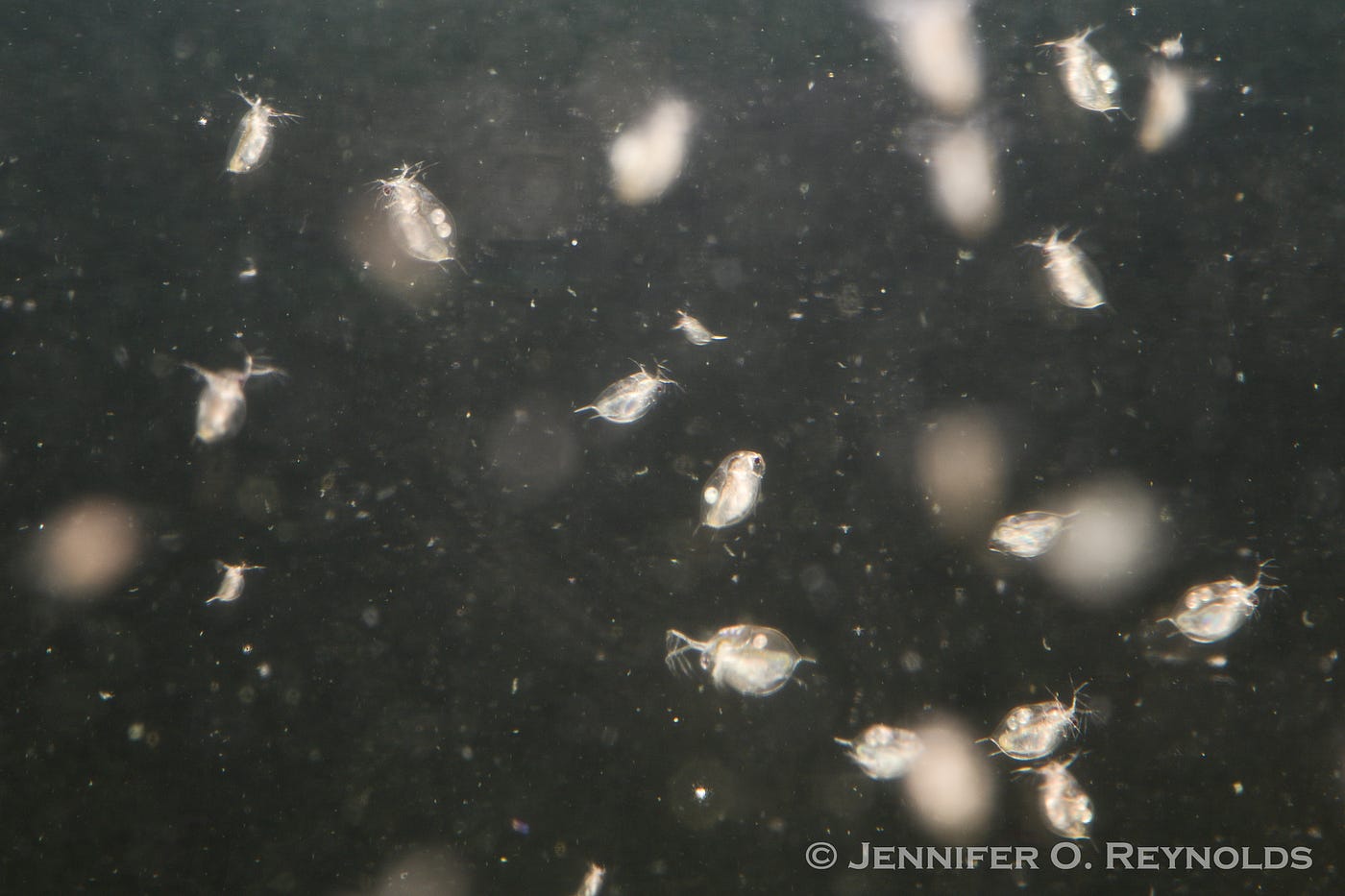
Daphnia is a tiny water crustacean that many fish enjoy eating. It is a natural food source that helps keep ornamental fish healthy. Feeding daphnia can improve the overall care of your fish.
Many fishkeepers use daphnia to add variety to their fish diet. It offers key nutrients and supports fish growth and vitality. Let’s explore the main benefits of daphnia for ornamental fish.
Natural Source Of Nutrition
Daphnia provides essential nutrients that fish need daily. It is rich in proteins, vitamins, and minerals. These nutrients help fish grow strong and stay active.
- High in protein for muscle development
- Contains vitamins like A and D
- Supplies minerals such as calcium
- Easy to digest for all fish sizes
Enhances Fish Immunity
Daphnia helps strengthen fish immune systems. It contains natural compounds that fight diseases. Regular feeding can reduce fish illness and stress.
| Immune Benefit | Effect |
| Antioxidants | Protect fish cells from damage |
| Fatty acids | Support cell repair and growth |
| Chitin | Boosts natural defenses |
Promotes Vibrant Colors
Daphnia can bring out bright colors in ornamental fish. Its pigments add shine and intensity to fish scales. Feeding daphnia regularly helps fish look their best.
- Enhances red, orange, and yellow tones
- Improves overall color brightness
- Supports healthy skin and scales

Credit: medium.com
Types Of Daphnia Suitable For Feeding
Daphnia are small water creatures often used as food for ornamental fish. They provide good nutrition and help keep fish healthy. Choosing the right type of daphnia is important for your fish’s diet.
This guide explains different types of freshwater daphnia and the difference between cultured and wild-caught daphnia. Understanding these types helps you pick the best food for your fish.
Freshwater Daphnia Varieties
There are many kinds of freshwater daphnia. The most common ones used for feeding fish include Daphnia magna, Daphnia pulex, and Daphnia longispina. Each type varies in size and nutrition.
Daphnia magna is larger and good for bigger fish. Daphnia pulex is smaller and suits smaller fish. Daphnia longispina is less common but still useful as fish food.
- Daphnia magna:Large size, rich in nutrients, ideal for big fish
- Daphnia pulex:Small size, easy to culture, suits small fish
- Daphnia longispina:Medium size, less common, good variety
Cultured Vs Wild-caught Daphnia
Cultured daphnia are bred in tanks or ponds by fishkeepers. They are clean and controlled, which lowers the risk of disease. Cultured daphnia are easy to get year-round.
Wild-caught daphnia come from natural water sources like lakes and ponds. They can have more variety but may carry parasites. Wild daphnia might be harder to find and less safe.
- Cultured Daphnia:Safe, clean, available anytime
- Wild-Caught Daphnia:Natural variety, risk of parasites
How To Culture Daphnia At Home
Daphnia are small water creatures that make great food for ornamental fish. You can grow them at home easily. Culturing daphnia saves money and gives fresh food to your fish.
Growing daphnia needs simple tools and care. This guide will help you set up and maintain a daphnia culture tank.
Setting Up A Daphnia Culture Tank
Choose a clear container like a glass aquarium or plastic tub. It should hold at least 5 gallons of water. Clean the container well before use.
Fill the tank with dechlorinated water. Daphnia need clean water without chemicals. Add some aquatic plants or algae for shelter and natural food.
- Use water temperature between 18°C and 22°C (64°F to 72°F)
- Keep the tank in a well-lit area but avoid direct sunlight
- Use an air stone for gentle oxygen supply
- Maintain a pH level of 6.5 to 8.0
Feeding And Maintaining Daphnia
Daphnia eat tiny particles like algae, yeast, and powdered vegetables. Feed them daily in small amounts. Too much food causes water problems.
Keep the water clean by changing 20% every week. Remove dead daphnia and debris. Monitor water temperature and pH regularly.
- Feed green water or spirulina powder
- Add a pinch of baker’s yeast once or twice a week
- Use boiled and crushed spinach or lettuce leaves
- Do not overfeed to avoid water fouling
Harvesting Techniques
Harvest daphnia by gently scooping them with a fine mesh net. Do this every few days when the population grows. Avoid taking too many at once.
Rinse the daphnia in clean water before feeding them to your fish. Store extra daphnia in a cool place for short periods. Use harvested daphnia fresh for best nutrition.
- Use a small net with fine mesh size
- Scoop slowly to avoid harming daphnia
- Harvest in the morning for best activity
- Feed fish immediately or keep daphnia in clean water briefly
Feeding Techniques For Ornamental Fish
Feeding ornamental fish with daphnia is a healthy choice. Daphnia are small water creatures rich in nutrients. Fish enjoy them as a natural food source.
Knowing the right feeding techniques helps keep your fish active and healthy. This guide covers live feeding tips, using frozen or dried daphnia, and feeding frequency.
Live Feeding Tips
Live daphnia stimulate fish to hunt and eat naturally. This activity improves their overall health and behavior.
- Rinse live daphnia with clean water before feeding.
- Feed small amounts to avoid water pollution.
- Observe fish to ensure they eat all the daphnia quickly.
- Remove uneaten daphnia after 30 minutes to keep tank clean.
Using Frozen Or Dried Daphnia
Frozen and dried daphnia offer convenience and longer shelf life. They provide similar nutrients but lack live movement.
| Type | Storage | Feeding Tip |
| Frozen | Keep in freezer | Thaw before feeding |
| Dried | Store in cool dry place | Soak in tank water briefly |
Feeding Frequency And Quantity
Proper feeding frequency and amount prevent overfeeding and keep fish healthy. Adjust feeding based on fish species and tank size.
- Feed adult ornamental fish once or twice daily.
- Give only what fish can eat in five minutes.
- Reduce feeding on days fish show less activity.
- Increase feeding slightly during breeding or growth phases.
Potential Risks And Precautions
Feeding ornamental fish with daphnia can be a healthy choice. Daphnia is rich in nutrients but can cause problems if not handled well.
Knowing the risks and taking precautions helps keep your fish safe and healthy. It prevents illness and water quality issues.
Avoiding Overfeeding
Overfeeding daphnia can pollute the tank water. Too much food causes leftover waste that harms fish health.
Feed small amounts and watch how fast your fish eat. Remove uneaten daphnia quickly to keep the tank clean.
- Feed only what fish can eat in 5 minutes
- Limit feeding to once or twice daily
- Remove excess food after feeding
Preventing Contamination
Daphnia can carry bacteria or parasites if not sourced properly. Contaminated food can infect your fish.
Always buy daphnia from trusted suppliers. Rinse live daphnia before feeding to reduce risks.
- Use clean containers for daphnia storage
- Avoid feeding wild-caught daphnia
- Freeze or rinse daphnia to kill germs
Monitoring Fish Health
Watch your fish closely after feeding daphnia. Look for signs of stress or illness like slow movement or spots.
Early detection of problems allows quick action to protect your fish. Keep a feeding and health log for better care.
- Check fish behavior daily
- Note changes in appetite or color
- Test water quality regularly
Alternatives And Supplements To Daphnia
Ornamental fish thrive on diverse diets. Daphnia is great, but variety is key. Explore other food options for a balanced diet.
Healthy fish need more than just one type of food. Alternatives and supplements can enhance their growth and color.
Other Live Foods
Live foods mimic fish’s natural diet. They provide essential nutrients and stimulate natural hunting behaviors.
- Brine Shrimp: Rich in proteins, easy to digest.
- Bloodworms: High in iron, boost fish energy.
- Microworms: Ideal for small fish and fry.
Commercial Fish Foods
Commercial foods are convenient and nutritionally balanced. They come in many forms like flakes, pellets, and freeze-dried options.
| Type | Benefits |
| Flakes | Easy to store, good for surface feeders. |
| Pellets | Sinks slowly, suitable for bottom dwellers. |
| Freeze-dried | Long shelf life, retains nutrients well. |
Balancing Diet For Optimal Health
A balanced diet keeps fish healthy and vibrant. Combining live foods with commercial options ensures they get all necessary nutrients.
Consider a feeding schedule that varies food types throughout the week. This approach prevents dietary boredom and promotes overall health.
Credit: medium.com
Frequently Asked Questions
What Are The Benefits Of Feeding Daphnia To Ornamental Fish?
Daphnia improves fish digestion and boosts immune systems. It provides natural nutrients and encourages natural hunting behavior. Feeding Daphnia enhances fish color and vitality effectively.
How Often Should I Feed Daphnia To Ornamental Fish?
Feed Daphnia 2-3 times weekly as a supplement. Avoid overfeeding to prevent water quality issues. Balance with regular fish food for optimal health.
Can Daphnia Help Control Fish Parasites Naturally?
Yes, Daphnia consumption can reduce internal parasites in fish. It acts as a natural, safe dietary supplement. This helps maintain healthier fish without chemicals.
Is Live Or Frozen Daphnia Better For Fish Feeding?
Live Daphnia stimulates natural hunting and activity. Frozen Daphnia is convenient and nutrient-rich but less stimulating. Both forms are healthy, choose based on your needs.
Conclusion
Feeding ornamental fish with daphnia helps keep them healthy and active. Daphnia offers natural nutrition that fish enjoy and digest easily. It supports strong growth and bright colors in your fish. Regular feeding with daphnia can reduce fish diseases and stress.
Keep the daphnia clean and fresh for best results. Try adding daphnia to your fish’s diet for better care. Your fish will thank you with lively swimming and good health. Simple, natural, and effective feeding.