
If you want your ornamental fish to thrive and show their brightest colors, feeding them the right food is key. Blackworms are a natural and nutritious choice that can boost your fish’s health and vitality.
But how do you use blackworms properly? What benefits do they bring, and how can they make a difference in your aquarium? Keep reading to discover simple tips and expert advice that will help you feed your ornamental fish with blackworms the right way—making your underwater world more vibrant than ever.
Benefits Of Blackworms
Blackworms are a popular food choice for ornamental fish. They provide many health benefits that support fish well-being.
Feeding blackworms regularly helps keep fish healthy and active. They offer nutrients that fish need to thrive.
Rich Nutritional Profile
Blackworms contain essential proteins, fats, and vitamins. These nutrients are important for fish health and energy.
They also have minerals that support strong bones and good immune systems in fish.
- High protein content for muscle repair
- Healthy fats for energy
- Vitamins A and E for immune support
- Minerals like calcium for bone strength
Enhances Fish Coloration
Blackworms help fish show brighter and richer colors. This makes ornamental fish more attractive in tanks.
The natural pigments in blackworms improve skin and scale colors over time.
- Boosts natural color pigments
- Improves scale brightness
- Supports healthy skin
Promotes Growth And Vitality
Feeding blackworms helps young fish grow faster and stronger. Adult fish stay active and healthy.
The nutrients in blackworms support cell growth and energy levels in fish.
- Supports fast, healthy growth
- Increases energy and activity
- Helps repair damaged tissues

Credit: www.youtube.com
Selecting Quality Blackworms
Feeding ornamental fish with blackworms is a great way to provide nutrition. Choosing the right blackworms helps keep your fish healthy.
Quality blackworms are active and clean. This guide helps you pick the best ones for your aquarium.
Sources To Consider
Buy blackworms from trusted stores or breeders. Look for places that keep worms in clean water.
Avoid buying worms from unknown or dirty sources. Contaminated worms can harm your fish.
- Aquarium specialty shops
- Reputable online suppliers
- Local fish clubs or breeders
Identifying Healthy Worms
Healthy blackworms move actively and look bright. They should not be slimy or foul-smelling.
Check that worms are not too small or broken. Strong worms provide better nutrition for your fish.
- Active movement in water
- Clear, dark color
- No bad odor
- Whole, unbroken bodies
Avoiding Contaminants
Contaminants can harm your fish and tank. Make sure blackworms come from clean environments.
Rinse blackworms before feeding to remove dirt. Do not feed worms with visible dirt or mold.
- Source from clean, well-maintained water
- Rinse worms under fresh water before use
- Do not use worms with mold or dirt
- Store worms in clean containers
Preparing Blackworms For Feeding
Blackworms are a great food choice for ornamental fish. They are rich in nutrients and easy to digest. Proper preparation helps keep your fish healthy and happy.
Before feeding blackworms, you need to clean and store them well. Feeding the right amount at the right time is also important. This guide will help you prepare blackworms correctly.
Cleaning And Rinsing Methods
Cleaning blackworms removes dirt and waste from their bodies. This step is important to keep your fish tank clean. Rinse the worms gently in clean water several times.
- Place blackworms in a fine mesh strainer.
- Rinse under cool, running water for a few minutes.
- Repeat rinsing until the water runs clear.
- Remove any dead or broken worms.
Storage Tips
Store blackworms properly to keep them fresh and alive. Use a clean container with a little water. Change the water daily to prevent foul smells.
- Keep blackworms in a cool place, around 10 to 15°C (50 to 59°F).
- Use dechlorinated or aged water for storage.
- Do not overcrowd the container to avoid stress.
- Feed the worms a small amount of fish food or vegetable matter to keep them healthy.
Feeding Frequency And Quantity
Feed blackworms to your fish in small amounts. Overfeeding can pollute the water and harm your fish. Adjust feeding based on your fish’s size and appetite.
- Feed ornamental fish once or twice a day.
- Offer only what the fish can eat in 2 to 3 minutes.
- Remove leftover blackworms to keep the tank clean.
- Use blackworms as a treat or supplement to regular fish food.
Feeding Techniques
Feeding ornamental fish with blackworms requires care and attention. Using the right method helps keep fish healthy.
This guide covers different feeding techniques. Learn how to feed fish directly or with tools.
Direct Feeding Vs. Using Feeding Tools
Direct feeding means placing blackworms in the tank by hand. This helps you see if fish eat well. Feeding tools like tweezers or pipettes can place food in hard-to-reach spots.
- Direct feeding allows close observation of fish behavior.
- Feeding tools reduce stress for shy or small fish.
- Tools help avoid overfeeding by controlling food amount.
- Direct feeding is quick but may cause food waste.
Feeding Different Ornamental Fish Species
Different fish species eat blackworms in various ways. Some prefer food on the surface. Others like food near plants or bottom areas.
| Fish Species | Feeding Preference | Feeding Tips |
| Gouramis | Surface | Drop worms gently on top |
| Corydoras | Bottom | Use feeding tools near substrate |
| Tetras | Mid-water | Scatter worms evenly in tank |
| Betta Fish | Surface | Feed small pieces slowly |
Monitoring Fish Response
Watching fish while they eat shows if they like the food. Check if all fish get food and eat well.
- Look for active feeding behavior.
- Notice if fish avoid the food or refuse it.
- Check for leftover blackworms after feeding.
- Adjust feeding amounts based on fish appetite.
- Remove uneaten food to keep water clean.
Potential Risks And Precautions
Feeding blackworms to ornamental fish can be healthy. But it also brings some risks. Knowing these helps keep fish safe.
This guide covers risks like overfeeding, disease spread, and tank cleanliness. Follow simple rules to protect your aquarium.
Overfeeding Concerns
Feeding too many blackworms can harm fish and water quality. Fish may get fat or sick. Extra food can rot in the tank.
- Feed small amounts at a time
- Watch fish eat and stop feeding when done
- Feed once or twice a day only
- Remove uneaten worms after 5 minutes
- Use a feeding schedule to avoid overfeeding
Disease Transmission Risks
Blackworms can carry bacteria or parasites. These can infect your fish and cause disease. Always check and clean blackworms before use.
| Risk | Cause | Precaution |
|---|---|---|
| Bacterial Infection | Dirty blackworms or water | Rinse worms in clean water before feeding |
| Parasites | Wild-caught worms | Use farmed or cultured blackworms |
| Cross-Contamination | Shared nets or containers | Clean tools before each use |
Maintaining Aquarium Hygiene
Good tank hygiene reduces illness risk. Blackworms and leftover food can pollute water. Clean tanks regularly to keep fish healthy.
- Change 20% of the water weekly
- Remove leftover food daily
- Clean filters and decorations monthly
- Test water quality often
- Keep tank temperature stable
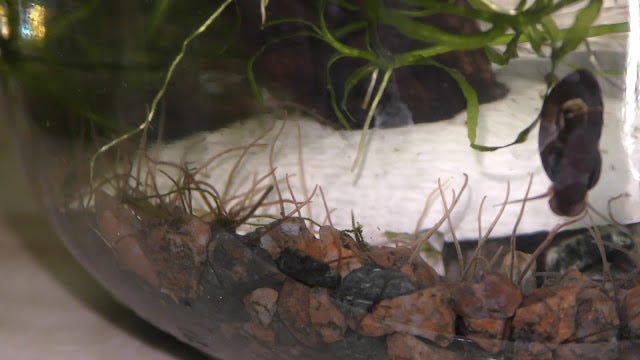
Credit: michael-langerman.medium.com
Alternatives And Supplements
Feeding ornamental fish with blackworms is popular. But, having alternatives and supplements is essential. A varied diet keeps fish healthy and vibrant.
Let’s explore different options to enhance your fish’s diet. These alternatives offer variety and balance to your fish’s nutrition.
Other Live Foods
Live foods are a treat for ornamental fish. They mimic the natural hunting experience in the aquarium. Options include brine shrimp, daphnia, and bloodworms.
- Brine shrimp are rich in protein and easy to culture.
- Daphnia help with digestion and are a good source of fiber.
- Bloodworms are high in iron, promoting healthy growth.
Pellets And Flakes Complement
Pellets and flakes are common fish foods. They provide essential nutrients that live foods might lack. These can be used alongside live foods to ensure a balanced diet.
Look for high-quality pellets and flakes. They should have a good protein content and essential vitamins.
- Check the ingredients for a balanced formula.
- Choose products that suit your fish’s species.
- Alternate between pellets and flakes for variety.
Balancing Diet Variety
Keeping a varied diet is key to healthy fish. Combining live foods, pellets, and flakes offers a complete diet. It ensures that fish receive all necessary nutrients.
| Food Type | Benefits |
| Live Foods | Provide natural hunting experience |
| Pellets | Contain balanced nutrients |
| Flakes | Easy to store and use |

Credit: www.reddit.com
Frequently Asked Questions
What Are Blackworms And Why Feed Them To Ornamental Fish?
Blackworms are nutritious live worms rich in protein and fats. They enhance fish health, color, and growth. Ornamental fish readily accept blackworms, making them an excellent natural diet supplement.
How Often Should I Feed Blackworms To My Fish?
Feed blackworms 2-3 times a week as a treat. Overfeeding can cause water quality issues. Balance with regular fish food for a healthy diet.
Can Blackworms Improve Ornamental Fish Coloration?
Yes, blackworms contain essential nutrients that boost vibrant fish colors. Regular feeding enhances brightness and overall appearance naturally.
Are Blackworms Safe For All Ornamental Fish Species?
Blackworms are generally safe for most species. However, small or delicate fish may need finely chopped worms. Always monitor fish reactions to new food.
Conclusion
Feeding ornamental fish with blackworms supports their health and growth. Blackworms provide essential nutrients that fish enjoy. They help keep fish active and colorful. Regular feeding with blackworms can improve fish appetite. Remember to feed in small amounts to avoid water pollution.
Clean the tank often to maintain a healthy environment. Blackworms offer a natural and tasty food option. Try including blackworms in your fish’s diet today. Your fish will thank you with vibrant colors and energy. Simple, natural care makes a big difference.