
If you have a reef tank, you know how stunning ornamental fish can be. But feeding them the right way isn’t always simple.
Getting their diet just right keeps your fish healthy, vibrant, and active. Are you sure you’re giving your fish the best food in the right amounts? You’ll discover easy tips and tricks to feed your ornamental fish properly. Keep reading to learn how to make your reef tank a thriving underwater paradise.
Choosing The Right Food
Feeding ornamental fish in reef tanks needs care and attention. Choosing the right food helps keep fish healthy and colorful.
Different fish have different diets. Knowing what food to offer is key for their wellbeing.
Types Of Fish Food
There are many types of fish food made for reef fish. Each type meets different needs and preferences.
- Flake food: Easy to use and good for small fish
- Pellets: Sink slowly and suit bottom feeders
- Frozen food: Includes shrimp, plankton, and other natural items
- Live food: Offers natural movement that attracts fish
- Vegetable-based food: Good for herbivorous fish
Nutritional Needs Of Reef Fish
Reef fish need a balanced diet rich in protein, vitamins, and minerals. This supports their growth and color.
Some fish eat mostly meat, while others prefer plants. Feeding a mix can help cover all their needs.
- Protein helps build strong muscles
- Vitamins keep the immune system strong
- Minerals support bone and scale health
- Fiber aids digestion
Avoiding Overfeeding
Overfeeding can harm fish and pollute the tank water. Feed only what fish eat in a few minutes.
Remove leftover food quickly to keep the tank clean and safe for all creatures.
- Feed small amounts two or three times a day
- Observe fish eating habits to adjust portions
- Use feeding tools to control food quantity
- Regularly check water quality after feeding
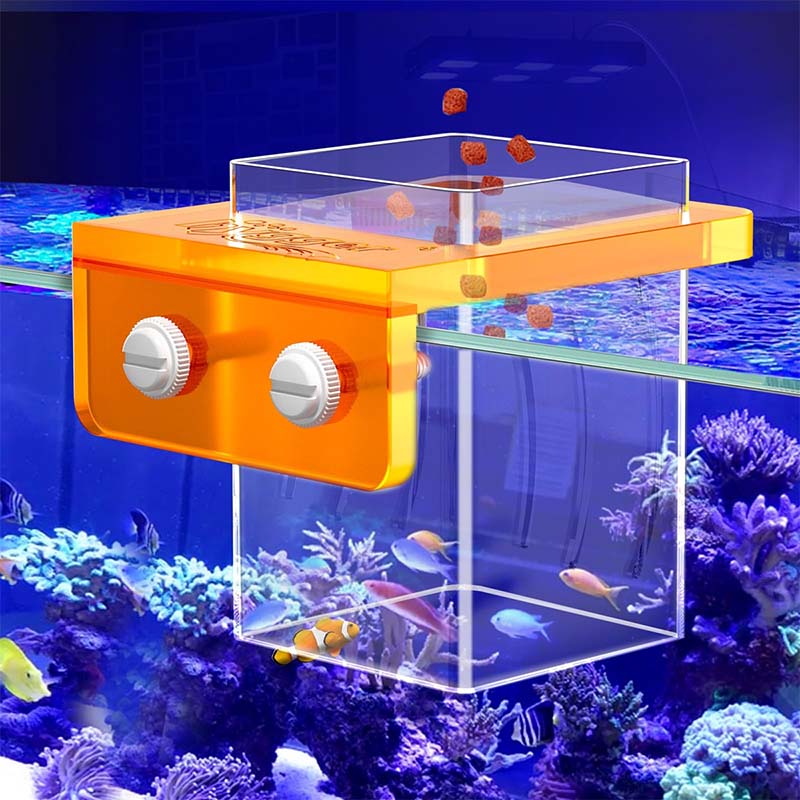
Credit: www.hygger-online.com
Feeding Techniques
Feeding ornamental fish in reef tanks needs care and attention. Proper feeding helps keep fish healthy and the tank clean.
Using the right techniques ensures each fish gets the food it needs without harming the reef environment.
Target Feeding Methods
Target feeding delivers food directly to specific fish. This reduces waste and helps shy or slow eaters get enough nutrition.
- Use a pipette or turkey baster to aim food at the fish’s mouth.
- Feed small portions to avoid leftover food.
- Observe fish behavior to adjust feeding spots and amounts.
- Feed bottom dwellers by dropping food near the tank floor.
Using Feeding Tools
Feeding tools help place food precisely and keep the tank clean. They also reduce stress on fish during feeding.
| Tool | Use |
| Feeding Pipette | Direct food to shy fish |
| Turkey Baster | Push food into hard-to-reach spots |
| Feeding Ring | Contain floating food in one area |
| Forceps | Place frozen or live food gently |
Timing And Frequency
Feed fish at regular times to keep them healthy. Too much or too little food can harm the fish and tank balance.
- Feed small amounts two to three times daily.
- Observe fish to see if they eat all the food quickly.
- Adjust feeding if food remains after five minutes.
- Skip feeding once a week to help clear fish digestion.
Maintaining Water Quality
Feeding ornamental fish in reef tanks requires care to keep water clean. Good water quality helps fish stay healthy and vibrant.
Uneaten food and waste can harm the tank environment. Proper feeding habits reduce these risks.
Impact Of Uneaten Food
Leftover food breaks down and pollutes the water. This process increases harmful substances like ammonia and nitrates.
Dirty water stresses fish and encourages algae growth. Algae can cover corals and reduce oxygen levels.
- Remove uneaten food quickly
- Feed small amounts to avoid waste
- Use feeding rings to control food spread
Managing Waste And Debris
Fish produce waste that settles on the tank bottom. Debris can build up and affect water clarity.
Regular cleaning and filtration help keep the tank clean. Use tools like siphons and protein skimmers for best results.
- Perform weekly water changes
- Vacuum the substrate to remove waste
- Maintain filters and clean them often
- Monitor water parameters regularly

Credit: www.youtube.com
Feeding Different Fish Species
Feeding fish in reef tanks requires understanding their needs. Different fish species eat different foods.
Providing the right diet keeps fish healthy and active. It also helps maintain the tank’s balance.
Herbivores Vs Carnivores
Herbivores eat plants and algae. They need foods rich in fiber and vitamins.
Carnivores eat meat and small animals. They require protein-rich diets to stay healthy.
- Herbivores: algae wafers, seaweed, spirulina flakes
- Carnivores: frozen shrimp, brine shrimp, fish pellets
Special Diets For Sensitive Species
Some fish are sensitive to certain foods. They need special diets to avoid illness.
These species may require live foods or carefully prepared meals. This helps them digest food better.
- Use live copepods or small crustaceans for picky eaters
- Feed high-quality frozen foods to reduce disease risk
- Offer small amounts several times a day to avoid overfeeding
Troubleshooting Feeding Issues
Feeding ornamental fish in reef tanks can be tricky. Fish may refuse food or show signs of poor health.
It is important to spot feeding problems early. This helps keep your fish healthy and your tank balanced.
Identifying Feeding Problems
Look for changes in your fish’s eating habits. Some fish may eat less or stop eating altogether.
Watch for signs like leftover food or fish hiding. These can mean feeding problems.
- Fish refuse food or eat very little
- Leftover food accumulates in the tank
- Fish appear weak or lose color
- Fish hide more than usual
- Unusual behavior during feeding times
Adjusting Diet For Health
Choose a diet that meets your fish’s needs. Different species require different types of food.
Offer a variety of foods to keep fish healthy. Include flakes, pellets, and frozen options if possible.
- Feed small amounts to avoid waste
- Provide foods rich in vitamins and minerals
- Include occasional live or frozen treats
- Adjust feeding frequency based on fish activity
- Observe fish response and change diet if needed

Credit: www.youtube.com
Frequently Asked Questions
What Is The Best Diet For Ornamental Fish In Reef Tanks?
Ornamental fish in reef tanks thrive on varied diets. Include high-quality flakes, pellets, frozen foods, and live brine shrimp. This variety ensures balanced nutrition and vibrant colors.
How Often Should I Feed Ornamental Fish In Reef Tanks?
Feed ornamental fish small amounts 1-2 times daily. Overfeeding can pollute the tank and harm coral health. Observe fish behavior to adjust feeding frequency.
Can I Feed Reef-safe Foods To Ornamental Fish?
Yes, reef-safe foods like algae wafers and frozen plankton support fish health. Avoid foods with additives harmful to corals or invertebrates in reef tanks.
Why Avoid Overfeeding In Reef Tank Fish?
Overfeeding causes water pollution and algae overgrowth. It stresses fish and damages coral ecosystems. Feed only what fish consume within minutes to maintain tank balance.
Conclusion
Feeding ornamental fish in reef tanks needs care and attention. Choose the right food for each species. Feed small amounts often to avoid pollution. Watch your fish to see if they eat well. Clean leftover food to keep the tank healthy.
A good feeding routine helps fish stay bright and active. Healthy fish make your reef tank beautiful and lively. Keep learning and observing for the best results. Enjoy the peaceful beauty of your well-fed fish.