
Keeping a multi-species tank can be a beautiful and rewarding experience. But feeding your ornamental fish in such a setup comes with its own set of challenges.
You want to make sure every fish gets the right nutrition without overfeeding or causing conflicts. If you’ve ever struggled to balance the needs of different fish species, this guide is for you. By understanding how to feed your fish properly, you’ll create a healthier, happier aquarium that thrives.
Keep reading to discover simple tips and tricks that will transform your feeding routine and help your fish flourish together.

Credit: glassboxdiaries.com
Choosing The Right Food
Feeding ornamental fish in tanks with different species can be tricky. Each fish needs the right food to stay healthy.
Choosing the correct food helps all fish get the nutrients they need without causing problems in the tank.
Types Of Fish Food
There are many types of fish food. Each type suits different kinds of fish and their eating habits.
- Flakes: Good for surface feeders and small fish
- Pellets: Sink slowly, ideal for mid-water fish
- Frozen or live food: Best for carnivores and picky eaters
- Vegetable-based food: For herbivores and plant eaters
- Specialty food: Designed for specific species needs
Nutritional Needs By Species
Different fish need different nutrients. Carnivores need protein, while herbivores need plant matter.
Knowing the diet of each species helps you pick food that supports their health and growth.
| Fish Type | Diet | Food Examples |
|---|---|---|
| Carnivores | High protein | Frozen bloodworms, live brine shrimp |
| Herbivores | Plant-based | Algae wafers, spirulina flakes |
| Omnivores | Mix of protein and plants | Pellets, flakes, occasional live food |
Avoiding Overfeeding
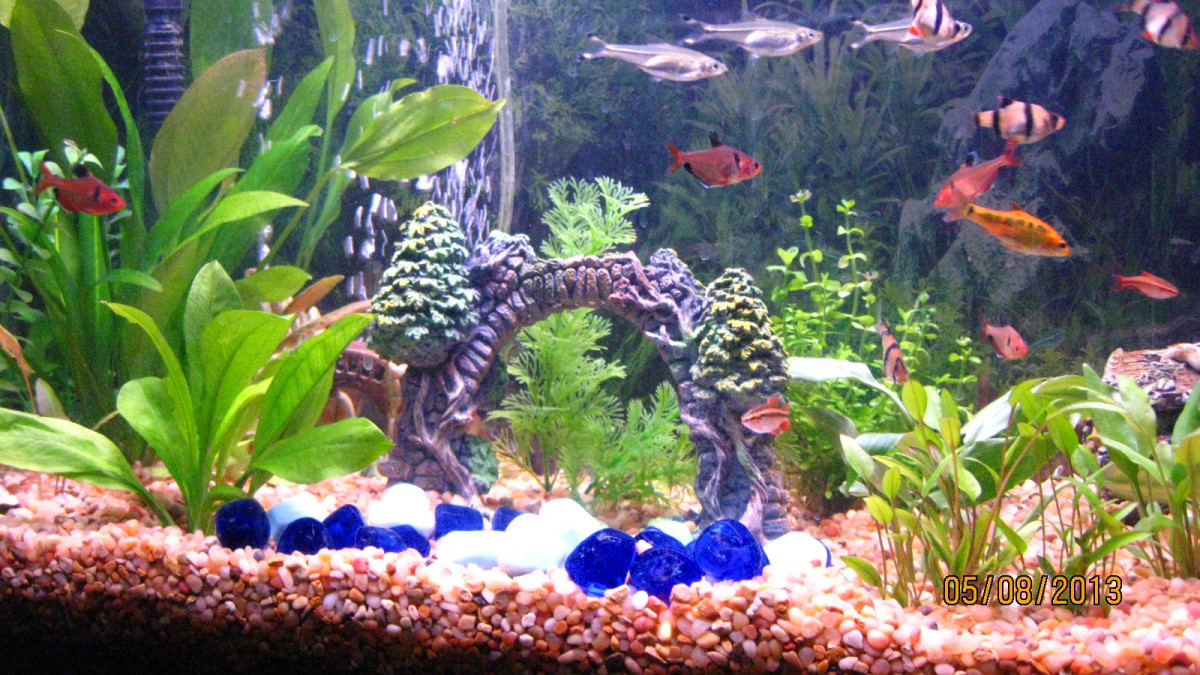
Overfeeding can pollute the tank and harm fish health. Feed small amounts that fish eat quickly.
Watch your fish during feeding. Remove leftover food to keep the water clean.
- Feed only what fish can eat in 2-3 minutes
- Feed 1-2 times daily depending on species
- Remove uneaten food promptly
- Use feeding rings to control food spread
Credit: pethelpful.com
Feeding Techniques
Feeding ornamental fish in tanks with many species needs special care. Different fish have different diets and feeding habits. Using the right methods helps keep all fish healthy and happy.
This guide covers ways to feed fish in mixed tanks. Learn how to target feed, use feeding rings, and hand feed your fish safely.
Targeted Feeding Methods
Targeted feeding means feeding specific fish without overfeeding others. It helps avoid waste and keeps shy fish from missing meals.
- Feed fish that eat at the bottom using sinking pellets.
- Use floating food for surface feeders like gouramis.
- Drop food near shy or slow fish to help them eat.
- Feed carnivores with live or frozen protein carefully.
- Observe fish during feeding to adjust amounts as needed.
Using Feeding Rings
Feeding rings keep food in one place. They stop food from spreading and help you watch how much the fish eat.
| Benefit | Details |
|---|---|
| Food Control | Keeps food from floating all over tank |
| Easy Feeding Spot | Fish learn where to find food quickly |
| Less Waste | Prevents uneaten food from dirtying tank |
| Observation | Helps monitor fish eating habits |
Hand Feeding Tips
Hand feeding helps build trust and lets you see which fish need more food. It is best done with gentle, slow movements.
- Wash your hands before feeding to avoid harmful chemicals.
- Offer small amounts of food at a time.
- Use tweezers or your fingers to place food near shy fish.
- Feed fish that need extra care directly to them.
- Be calm and patient to avoid scaring fish.
Managing Different Species
Feeding fish in tanks with many species needs care. Each species eats different food and in different ways.
Knowing how to feed each type helps keep fish healthy and happy. It also stops fights over food.
Carnivores Vs Herbivores
Carnivores eat meat like insects or small fish. Herbivores eat plants and algae. Both need food made for their diet.
Feed carnivores high-protein food. Herbivores need vegetable-based flakes or pellets. Mixing their food can cause problems.
- Give carnivores live or frozen meat foods
- Provide herbivores algae wafers or vegetable flakes
- Feed each group separately if possible
Feeding Bottom Dwellers
Bottom dwellers eat food that sinks to the tank floor. They like pellets or wafers that drop slowly.
Feed bottom dwellers after surface feeders. This helps food reach the tank bottom and stops food waste.
- Use sinking pellets or tablets
- Feed small amounts to avoid leftover food
- Watch bottom dwellers eat to ensure they get food
Feeding Surface Feeders
Surface feeders eat food that floats on water. They prefer flakes or floating pellets. Feed them first in the feeding order.
Feed small amounts to avoid food sinking quickly. Remove uneaten food to keep water clean.
- Use floating flakes or pellets
- Feed small portions several times a day
- Watch fish eat and remove leftovers quickly
Feeding Schedule
Feeding ornamental fish in tanks with multiple species needs a clear schedule. Different fish have different needs. A good feeding plan keeps all fish healthy.
It is important to feed fish at regular times. This helps avoid overfeeding and stress. Learn how often to feed, how to adjust feeding, and what to do during tank cleaning.
Frequency Recommendations
Feed fish based on their species and age. Younger fish need more frequent feeding. Adult fish eat less often. Observe fish behavior to find the best feeding times.
- Feed fry or young fish 3 to 4 times daily
- Adult fish usually need feeding 1 to 2 times daily
- Bottom feeders may require feeding once a day
- Do not feed late at night to avoid water pollution
Adjusting For Growth And Health
Fish growth and health affect how much and how often to feed. Sick or stressed fish eat less. Growing fish need more food. Monitor their condition closely.
| Fish Condition | Feeding Adjustment |
| Growing | Increase feeding frequency and amount |
| Healthy Adult | Maintain regular feeding schedule |
| Sick or Stressed | Feed smaller amounts, less often |
| Overweight | Reduce feeding quantity and frequency |
Feeding During Tank Maintenance
Tank cleaning can stress fish and affect their appetite. Adjust feeding to keep fish safe and reduce waste buildup during maintenance.
- Feed fish lightly or skip feeding on cleaning day
- Feed smaller portions before tank work starts
- Remove uneaten food quickly to keep water clean
- Observe fish after cleaning for signs of stress
Common Feeding Challenges
Feeding ornamental fish in multi-species tanks can be tricky. Different fish have different needs and behaviors.
Understanding common feeding challenges helps keep all fish healthy and happy.
Dealing With Aggressive Eaters
Some fish eat faster and push others away. This can leave shy fish hungry. Aggressive eaters may dominate the food supply.
- Feed small amounts several times a day
- Use multiple feeding spots in the tank
- Choose sinking pellets for bottom feeders
- Distract aggressive fish with treats away from shy ones
Preventing Food Waste
Overfeeding causes leftover food to rot. This harms water quality and fish health. It is important to feed the right amount.
| Feeding Tip | Reason |
| Feed 2-3 times daily | Prevents overfeeding and waste |
| Remove uneaten food after 5 minutes | Keeps water clean |
| Use proper food size | Reduces leftovers |
| Observe fish eating habits | Adjust feeding amount |
Monitoring Fish Health
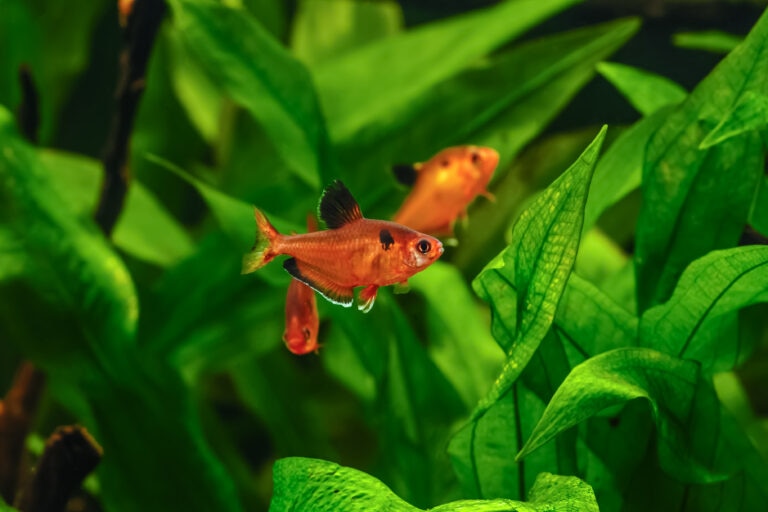
Feeding habits can show fish health. Changes in appetite might mean illness or stress. Watch fish closely during feeding.
- Refusal to eat
- Spitting out food
- Slow or erratic movement
- Visible injuries or spots
If you see these signs, check water quality and consider consulting an expert.
Credit: www.chewy.com
Supplements And Treats
Feeding ornamental fish in multi-species tanks can be a delightful experience. Providing the right supplements and treats ensures they remain healthy and vibrant.
Understanding the dietary needs of each species helps in selecting the appropriate vitamins, minerals, and treats for them.
Vitamins And Minerals
Vitamins and minerals are vital for the growth and well-being of ornamental fish. They help in boosting immunity and enhancing color.
- Vitamin C supports immune function.
- Calcium strengthens bones and scales.
- Iron is essential for blood health.
Live And Frozen Foods
Live and frozen foods mimic the natural diet of fish. These foods are rich in protein and help in maintaining energy levels.
| Food Type | Benefits |
| Brine Shrimp | High in protein |
| Daphnia | Improves digestion |
| Bloodworms | Enhances color |
Occasional Treats
Occasional treats add variety to the fish diet. They should be given sparingly to avoid overfeeding.
Frequently Asked Questions
How Often Should I Feed Ornamental Fish In Multi-species Tanks?
Feed ornamental fish once or twice daily. Provide only what they can consume in 2-3 minutes. Avoid overfeeding to maintain water quality and fish health.
What Types Of Food Suit Multi-species Ornamental Fish Tanks?
Use a variety of foods like flakes, pellets, frozen, and live foods. Choose species-specific diets to meet diverse nutritional needs and promote balanced growth.
How To Prevent Food Aggression Among Fish In Mixed Tanks?
Distribute food evenly across the tank. Use multiple feeding spots to reduce competition and stress. Observe fish behavior and adjust feeding methods as needed.
Can I Feed The Same Food To All Fish Species Together?
No, different species have varied dietary requirements. Mix appropriate foods to cater to herbivores, carnivores, and omnivores within the tank for optimal nutrition.
Conclusion
Feeding ornamental fish in multi-species tanks needs care and attention. Each fish has different needs and eating habits. Offer a variety of foods to keep all fish healthy. Watch how fish eat to avoid fights over food. Feed small amounts several times a day instead of one big meal.
Clean leftover food to keep the tank clean and safe. Good feeding habits help fish grow strong and look beautiful. Enjoy your tank with happy, well-fed fish every day.