
Feeding ornamental fish in community tanks can be tricky, but it’s one of the most important parts of keeping your fish healthy and happy. You want to make sure every fish gets the right food without causing stress or overcrowding.
If you’ve ever noticed some fish looking hungry while others seem to overeat, you’re not alone. In this guide, you’ll discover simple tips to feed your fish properly, keep your tank balanced, and watch your underwater friends thrive. Keep reading to unlock the secrets of perfect feeding in your community tank!

Credit: m.youtube.com
Choosing The Right Food
Feeding ornamental fish in community tanks needs care and attention. Different fish have different food needs. Picking the right food helps them stay healthy and active.
Use the right type of food to match your fish species and tank setup. This guide explains the main food types and their benefits.
Flakes Vs Pellets
Flakes and pellets are popular dry foods for ornamental fish. Flakes float or sink slowly and are easy to eat. Pellets come in different sizes and sink faster.
Pellets may be better for bottom feeders. Flakes suit fish that eat at the surface. Both types have vitamins and nutrients needed for fish health.
Live And Frozen Options
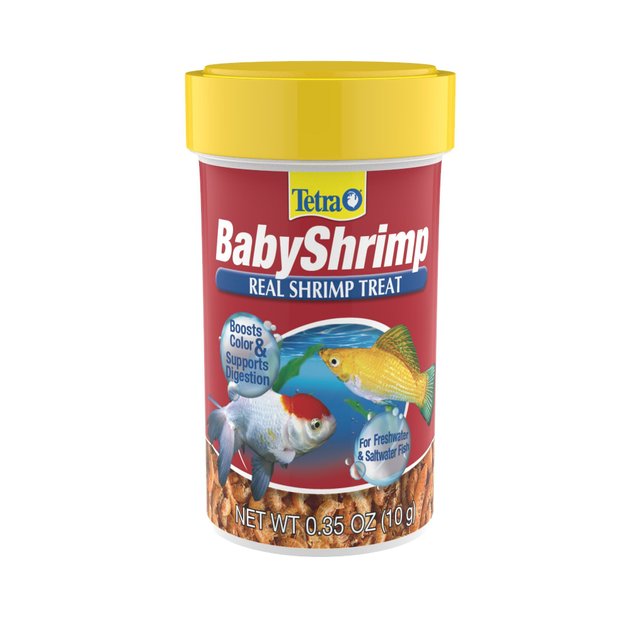
Live and frozen foods provide natural nutrition. They include bloodworms, brine shrimp, and daphnia. These options boost fish energy and color.
- Live food can improve fish activity and appetite
- Frozen food is safer and lasts longer
- Both types help mimic natural diets
- Use live or frozen foods as treats, not main meals
Specialty Diets For Different Species
Different fish species need specific diets. Herbivores eat plant-based food. Carnivores prefer protein-rich meals. Omnivores eat both.
| Fish Type | Diet Type | Food Examples |
| Herbivores | Plant-based | Algae wafers, spirulina flakes |
| Carnivores | Protein-rich | Bloodworms, brine shrimp |
| Omnivores | Mixed diet | Flakes, pellets, vegetables |
Feeding Frequency And Portions
Feeding ornamental fish in community tanks needs careful attention. The right feeding frequency and portions keep fish healthy and active.
Too much or too little food can harm the fish and the tank environment. Let’s explore how to feed fish properly.
Daily Feeding Schedules
Most ornamental fish do well with two feedings a day. Morning and evening feedings fit their natural behavior.
- Feed small amounts that fish can eat in 2–3 minutes.
- Use a variety of foods to meet nutritional needs.
- Observe fish behavior to adjust feeding times if needed.
- Keep a consistent schedule to reduce stress for fish.
Avoiding Overfeeding
Overfeeding is a common mistake. It causes water pollution and health problems for fish.
| Signs of Overfeeding | Effects on Fish and Tank |
|---|---|
| Uneaten food on tank bottom | Water fouling and bacteria growth |
| Cloudy water | Reduced oxygen levels for fish |
| Obese or lethargic fish | Higher risk of disease and shorter life span |
Adjusting Portions For Growth And Activity
Fish need more food as they grow or become more active. Adjust portions based on their size and behavior.
Use this simple guide to adjust feeding portions:
- Feed fry (baby fish) small amounts 3-4 times daily.
- Feed juvenile fish moderate portions 2-3 times daily.
- Feed adult fish two portions daily, matching their activity level.
- Reduce food in cooler temperatures when fish eat less.
Feeding Techniques In Community Tanks
Feeding ornamental fish in community tanks requires care to keep all fish healthy. It is important to use good feeding techniques.
Different fish have different needs. Proper feeding helps prevent fights and ensures everyone eats well.
Ensuring All Fish Get Food
In community tanks, some fish may eat faster or get more food than others. Watch to see if shy or slow fish get enough to eat.
Feed small amounts several times a day. Spread food around the tank to reach all fish.
- Feed in different spots in the tank
- Use sinking and floating foods
- Observe fish to check who is eating
Managing Aggressive Eaters
Some fish eat quickly and push others away. This can cause stress and starvation for timid fish.
Feed aggressive fish separately if needed. Use distractions like plants or decorations to give shy fish space.
- Feed aggressive fish first or apart
- Add hiding spots for smaller fish
- Use slow-release foods to reduce rush
Using Feeding Rings And Tools
Feeding rings keep food in one place. They help control where fish eat and reduce waste.
Tools like pipettes or feeding tongs let you target specific fish. This helps feed shy or sick fish.
- Use feeding rings to keep food contained
- Feed slow eaters with pipettes
- Remove uneaten food after feeding

Credit: www.youtube.com
Signs Of Nutritional Deficiencies
Feeding ornamental fish in community tanks needs care. Nutritional deficiencies can harm fish health and behavior.
Recognizing signs early helps keep fish healthy and active. Watch closely for changes in behavior and appearance.
Behavioral Changes
Fish with poor nutrition often act differently. They may swim less or hide more than usual.
They might lose interest in food or become aggressive toward other fish. These changes show they need better care.
- Reduced activity or lethargy
- Loss of appetite
- Increased hiding or isolation
- Aggression or unusual fighting
Physical Indicators
Physical signs show a fish is not getting enough nutrients. Look for faded colors or dull scales.
Fish might have swollen bellies or thin bodies. Torn fins and slow growth also indicate poor nutrition.
- Faded or dull colors
- Swollen or bloated belly
- Thin or emaciated body
- Torn or ragged fins
- Slow or stunted growth
Preventive Measures
Feed a balanced diet with varied food types. Include flakes, pellets, and live or frozen foods.
Feed small amounts two to three times daily. Avoid overfeeding to keep the tank clean and healthy.
- Offer varied food for all nutritional needs
- Feed small portions regularly
- Remove uneaten food quickly
- Keep water clean and well-filtered
- Observe fish daily for changes
Maintaining Water Quality During Feeding
Feeding ornamental fish in community tanks requires careful attention. Proper practices ensure water quality stays optimal.
Water quality is crucial for fish health. Learn how to maintain it during feeding times.
Preventing Excess Waste
Excess food waste leads to poor water conditions. It’s important to feed fish the correct amount.
- Measure food carefully based on fish size and count.
- Remove uneaten food within a few minutes.
- Avoid overfeeding to reduce waste.
Cleaning Strategies
Regular cleaning helps maintain water clarity. This is essential for a healthy tank.
Use the following tools:
- Gravel vacuum for substrate cleaning
- Algae scraper for glass and decorations
- Filter maintenance tools
Balancing Feeding And Filtration
Balancing feeding with filtration is key. It keeps water clean and fish healthy.
| Filter Type | Suitable Feeding Rate |
| Canister Filter | Moderate to High |
| Hang-On-Back Filter | Low to Moderate |
| Internal Filter | Low |
Special Considerations For Sensitive Species
Feeding ornamental fish in community tanks needs care. Sensitive species have special needs. These needs protect their health and well-being.
Understanding their diet, feeding challenges, and tank mates helps keep them safe. This guide covers key points for sensitive fish.
Dietary Needs
Sensitive species need specific foods to stay healthy. Some fish eat only plants, others need protein. Feeding the right food helps them grow strong.
Overfeeding or wrong food can cause illness. Use high-quality food made for your fish type. Fresh or frozen food may be best for some species.
- Herbivores need algae or vegetable-based food
- Carnivores require protein-rich food like bloodworms
- Omnivores eat both plant and animal matter
- Feed small amounts multiple times a day
Feeding Challenges
Sensitive fish may eat slowly or hide during feeding. Aggressive tank mates can block food access. Watch feeding times to ensure all fish eat enough.
Use feeding tools to place food near shy fish. Remove leftover food to keep water clean. Avoid sudden changes in diet that can stress fish.
- Feed in small amounts to reduce waste
- Try sinking pellets for bottom dwellers
- Use feeding rings to keep food in one spot
- Separate very shy fish during feeding if needed
Compatibility With Tank Mates
Tank mates affect how sensitive fish feed. Larger or faster fish may eat first. This can leave sensitive fish hungry or stressed.
Choose peaceful and slow feeders to share a tank with sensitive species. Avoid aggressive or very active fish that outcompete others for food.
- Choose species with similar feeding habits
- Keep enough space and hiding spots
- Feed in multiple areas to reduce competition
- Observe fish behavior and adjust as needed
Credit: hillsidewealth.ca
Frequently Asked Questions
How Often Should I Feed Ornamental Fish In Community Tanks?
Feed ornamental fish 1 to 2 times daily. Small portions prevent overfeeding and water pollution. Adjust feeding based on fish activity and species needs.
What Types Of Food Are Best For Community Tank Fish?
Use a balanced mix of flakes, pellets, frozen, and live foods. This variety ensures all species get essential nutrients and stay healthy.
How Can I Prevent Food Competition Among Community Fish?
Distribute food evenly across the tank. Use sinking and floating food types to reach all fish levels. Monitor feeding to avoid aggression and starvation.
Can Overfeeding Harm Ornamental Fish In Community Tanks?
Yes, overfeeding causes poor water quality and health issues. Uneaten food decays, increasing toxins. Feed moderate amounts to maintain a clean tank environment.
Conclusion
Feeding ornamental fish in community tanks takes care and attention. Each fish has different food needs and habits. Offering a variety of foods helps keep all fish healthy. Feed small amounts several times daily to avoid overfeeding. Clean leftover food to prevent water problems.
Watch your fish closely for signs of hunger or illness. Balanced feeding helps your tank stay colorful and lively. Enjoy the beauty of your fish with proper feeding habits. Simple steps can make a big difference in their health.