
If you want your ornamental fish to shine with bright, vivid colors, what you feed them plays a bigger role than you might think. You’ve probably noticed that some fish look stunning, while others seem dull or faded.
The secret lies in their diet. Feeding your fish the right foods not only boosts their health but also brings out the rich, beautiful colors that make your aquarium a true showpiece. Keep reading, and you’ll discover simple, practical tips to enhance your fish’s color and keep them vibrant day after day.
Choosing The Right Diet
Feeding ornamental fish the right diet helps keep their colors bright and healthy.
Different foods provide various nutrients that affect fish color and overall health.
Natural Vs. Commercial Foods
Natural foods include live or frozen items like brine shrimp and bloodworms. Commercial foods come as flakes, pellets, or granules.
- Natural foods offer high moisture and fresh nutrients.
- Commercial foods are easy to store and have a balanced formula.
- Natural foods may vary in quality and availability.
- Commercial foods can contain additives for color and health.
Color-enhancing Ingredients
Some foods have ingredients that help fish show their brightest colors.
| Ingredient | Effect |
| Astaxanthin | Boosts red and orange tones |
| Spirulina | Enhances green and blue colors |
| Carotenoids | Supports overall vibrant color |
| Lycopene | Improves red shades |
Balancing Nutrition
Fish need a mix of protein, fats, and vitamins to stay healthy and colorful.
- Include protein-rich foods like insects or fish meal.
- Provide healthy fats for energy and color intensity.
- Supply vitamins A, C, and E to support immune health.
- Rotate food types to prevent nutrient gaps.
- Feed small amounts multiple times daily to avoid overfeeding.

Credit: blog.petloverscentre.com
Feeding Frequency And Portions
Feeding ornamental fish correctly helps keep their colors bright. The right amount and timing of food make a big difference.
Too much or too little food can cause health problems. Careful feeding keeps fish healthy and colorful.
Daily Feeding Schedule
Feed your fish small amounts two to three times a day. This matches their natural eating habits and helps avoid waste.
- Morning feeding should be light to start the day.
- Noon feeding keeps energy levels steady.
- Evening feeding helps fish rest well overnight.
Avoiding Overfeeding
Overfeeding causes water pollution and health issues for fish. Uneaten food can rot and harm the tank environment.
| Signs of Overfeeding | Consequences |
|---|---|
| Cloudy water | Fish stress and illness |
| Uneaten food on the bottom | Algae growth and bad smell |
| Fish gain excess weight | Shortened lifespan |
Adjusting Portions By Species
Different fish need different amounts of food. Some species eat more often, others less.
- Small fish like tetras eat tiny amounts frequently.
- Bottom feeders need food that sinks slowly.
- Large fish require bigger portions but less often.
- Herbivores need plant-based foods daily.
- Carnivores benefit from protein-rich meals.
Supplements For Color Boost
Feeding ornamental fish the right supplements helps keep their colors bright. These supplements add nutrients that fish may not get from regular food.
Using color-boosting supplements supports fish health and enhances their natural shine. This makes your aquarium more beautiful.
Vitamins And Minerals
Vitamins and minerals are important for fish color and health. They help improve skin and scale quality.
Common vitamins like A, C, and E protect fish from stress. Minerals such as zinc and selenium support color intensity.
- Vitamin A improves skin and eye health
- Vitamin C boosts immune system
- Vitamin E helps cell repair
- Zinc supports color development
- Selenium aids antioxidant protection
Carotenoids And Astaxanthin
Carotenoids are natural pigments that make fish colors vivid. Astaxanthin is a strong carotenoid found in seafood.
These supplements increase red, orange, and yellow hues in fish. They are often added to fish food to enhance color.
- Carotenoids add bright red and orange shades
- Astaxanthin is a powerful antioxidant pigment
- Both improve fish color without harm
- Found in shrimp, krill, and algae
Natural Color Enhancers
Natural color enhancers come from plants and animals. They boost fish color safely and gently.
Examples include spirulina, paprika, and beetroot. These ingredients give fish food a rich color effect.
- Spirulina adds blue and green tones
- Paprika enhances red and orange colors
- Beetroot supports deep red hues
- Safe and easy to use in fish diets
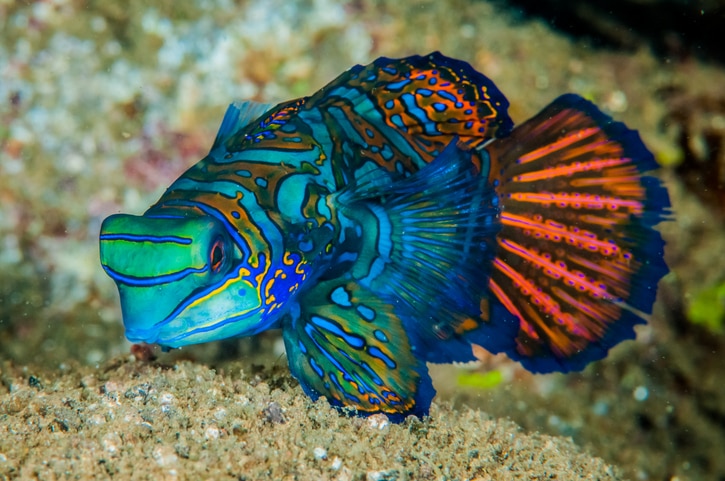
Credit: www.chewy.com
Maintaining Water Quality
Feeding ornamental fish well helps keep their colors bright. Clean water is key to their health and color.
Good water quality supports fish digestion and prevents illness. It also helps fish show their best colors.
Impact On Fish Health
Dirty water harms fish health and dulls their colors. Waste from uneaten food can pollute the tank.
Healthy water lowers stress and disease risks. It lets fish absorb nutrients from their food better.
Filtration And Cleaning
Filters remove waste and keep water clear. Clean tanks stop harmful bacteria from growing.
Regular cleaning helps keep a stable environment. Change some water often to reduce toxins.
- Use a good filter sized for your tank
- Remove leftover food daily
- Clean the tank walls and decorations
- Change 10-20% of water weekly
Water Parameters To Monitor
Keep an eye on water conditions. Stable levels protect fish and keep colors bright.
Check these key parameters often to keep fish healthy:
- pH level: 6.5 to 7.5 is good for many fish
- Ammonia: should be zero to avoid poison
- Nitrite: keep at zero for safety
- Nitrate: under 20 ppm to prevent stress
- Water temperature: match species needs
Observing Fish Behavior And Health
Watching your ornamental fish closely helps you keep them healthy. Their behavior shows if they get the right food.
Healthy fish swim actively and display bright colors. You can learn a lot by paying attention to their habits.
Signs Of Nutritional Deficiency
Fish that lack proper nutrients may lose color or act tired. Their fins might look damaged or smaller than usual.
- Faded or dull colors
- Slow swimming or hiding often
- Loss of appetite
- Clamped fins or torn edges
- Weight loss or thin body
Stress And Color Fading
Stress makes fish lose their bright colors. It can come from poor water quality, too much light, or wrong food.
| Cause | Effect on Fish |
| Poor water quality | Stress and faded colors |
| Overfeeding | Digestive problems, dull colors |
| Inadequate light | Reduced color intensity |
| Wrong diet | Nutritional deficiency signs |
Adapting Feeding Strategies
Change your feeding plan if fish show health problems. Different fish need different diets and feeding times.
- Feed small amounts two to three times a day.
- Use high-quality food rich in vitamins and pigments.
- Include natural foods like algae or brine shrimp.
- Remove uneaten food to keep water clean.
- Adjust diet based on fish behavior and color.

Credit: jungleaquatics.com
Seasonal Feeding Adjustments
Feeding ornamental fish requires attention to seasonal changes. Adjusting their diet helps maintain vibrant colors and overall health.
As seasons change, fish metabolism and feeding needs vary. Understanding these adjustments is crucial for fish care.
Temperature Effects On Metabolism
Water temperature directly impacts fish metabolism. Warmer water speeds up metabolism, requiring more frequent feeding.
- Monitor water temperature regularly.
- Adjust feeding schedule as temperatures rise.
- Provide nutrient-rich food during warmer months.
Feeding In Breeding Season
During breeding season, fish need extra energy. Offer high-protein foods to support growth and reproduction.
Consider live or frozen foods such as:
- Brine shrimp
- Bloodworms
- Daphnia
Winter Feeding Tips
In winter, fish activity slows down. Their metabolism decreases, so feed less often.
| Temperature Range | Feeding Frequency |
| Below 15°C | Once every 2–3 days |
| 15°C to 20°C | Once daily |
| Above 20°C | Twice daily |
Frequently Asked Questions
What Foods Enhance The Color Of Ornamental Fish?
Foods rich in carotenoids like shrimp, spirulina, and krill boost fish color. These natural pigments intensify reds and oranges. A varied diet with quality flakes or pellets also supports vibrant hues and overall fish health.
How Often Should I Feed Ornamental Fish For Vibrant Color?
Feed ornamental fish small amounts 2-3 times daily. Overfeeding causes water quality issues, dulling fish color. Consistent feeding supports metabolism and pigment development, keeping colors bright and fish healthy.
Can Supplements Improve Ornamental Fish Coloration?
Yes, color-enhancing supplements with carotenoids and vitamins improve fish pigmentation. They boost natural colors and support immune health. Use supplements as directed to avoid overfeeding and maintain water quality.
Does Lighting Affect Ornamental Fish Color Vibrancy?
Proper aquarium lighting enhances fish color visibility and pigment production. Full-spectrum LED lights mimic natural sunlight, intensifying colors. Combine good lighting with a nutritious diet for optimal color results.
Conclusion
Feeding your ornamental fish the right food keeps their colors bright. Healthy fish show more vibrant and rich hues. Choose foods rich in natural pigments like spirulina and carotenoids. Avoid overfeeding to prevent water problems and fish stress. Regular feeding with balanced nutrition supports their growth and shine.
Watch your fish daily to notice color changes and health. Small efforts in feeding lead to beautiful, lively fish tanks. Enjoy the bright, colorful display your fish can offer. Keep their diet simple and consistent for the best results.