
If you keep ornamental fish, you know how beautiful and calming they can be. But have you ever noticed how some fish seem to fight or act aggressively?
This often happens because of territory disputes. What if you could reduce these conflicts and keep your aquarium peaceful? The secret lies in how you feed your fish. Yes, your feeding habits can help maintain a balance in their territory and make your tank a happier place.
You’ll discover simple and effective ways to feed your ornamental fish that promote harmony. Ready to learn how to bring peace to your underwater world? Let’s dive in!
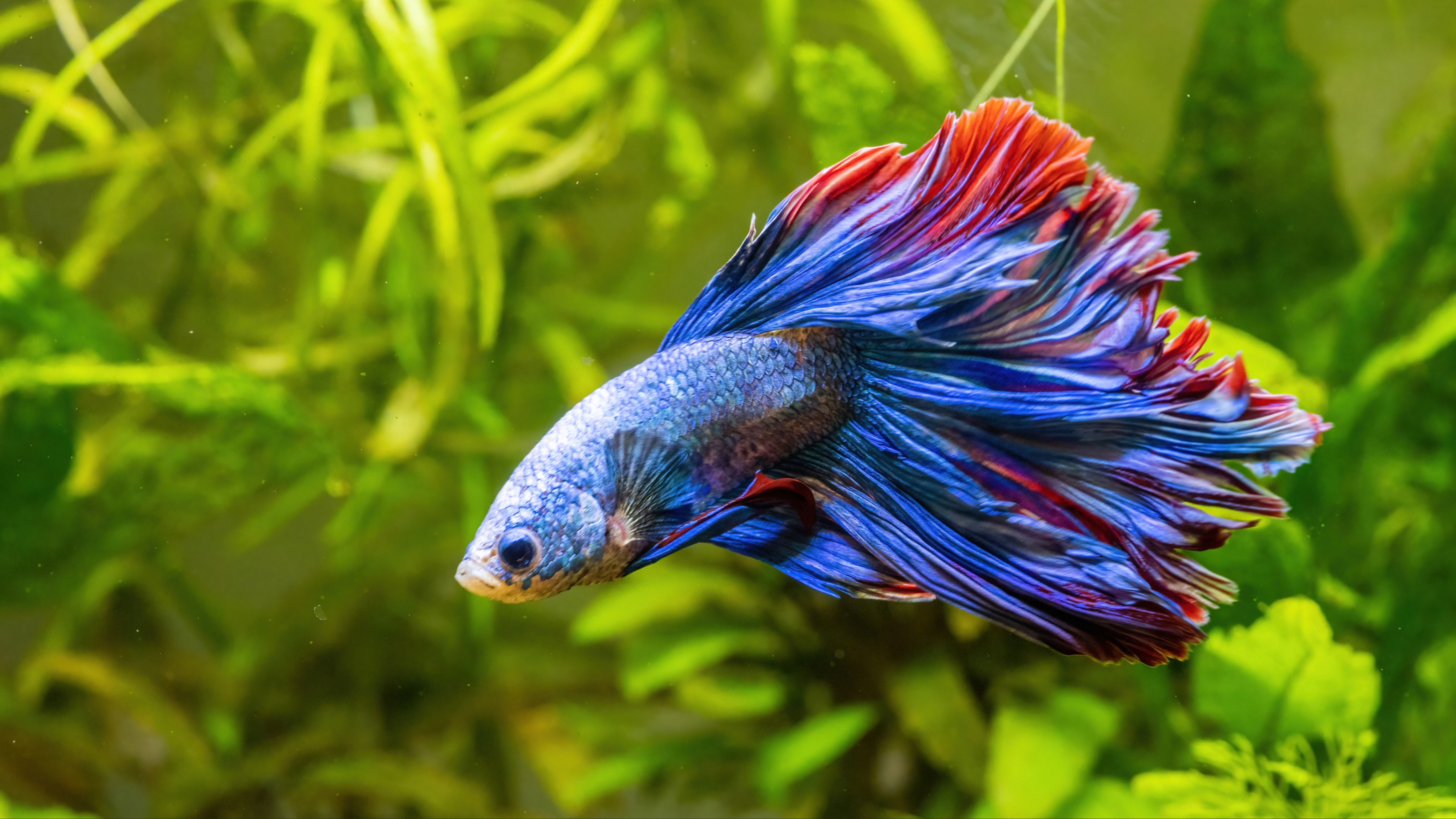
Credit: www.petsradar.com
Role Of Feeding In Territorial Behavior
Feeding plays a key role in how ornamental fish behave in their territory. What fish eat affects their actions and space control.
Understanding feeding helps keep fish balanced and less aggressive in their environment.
Impact Of Diet On Aggression
The type of food fish receive changes how they act toward others. Poor diet can make fish more aggressive.
High-protein foods give energy but may increase fighting. Balanced diets help calm fish and reduce conflicts.
- Protein-rich foods boost activity and aggression
- Vegetable-based diets can lower aggression
- Proper nutrition supports healthy social behavior
Feeding Frequency And Territory
How often fish are fed affects their territorial actions. Regular feeding keeps fish less stressed and less territorial.
Irregular feeding can cause fights over food and space. Frequent, small meals help fish stay calm and share territory.
- Feed small amounts multiple times daily
- Consistent feeding times reduce food competition
- Less hunger lowers aggressive guarding of space
Food As A Tool For Stress Reduction
Food can help calm fish and reduce stress in their territory. Treats and varied diets keep fish interested and relaxed.
Stress-free fish fight less and keep their space better. Using food wisely creates a peaceful tank environment.
- Use food to distract during tank changes
- Offer favorite foods to reduce tension
- Feed variety to improve fish mood and health

Credit: www.aqqapet.com
Choosing The Right Food
Feeding ornamental fish correctly supports a healthy tank. The right food helps keep fish active and balanced. Selecting the proper diet depends on their type and needs.
Fish get energy and nutrients from their food. Different fish need different diets. Understanding these needs avoids problems in the aquarium.
Types Of Food For Ornamental Fish
Ornamental fish eat many kinds of food. These include flakes, pellets, frozen, and live food. Each type offers unique benefits for your fish.
- Flake food is easy to use and suits many species.
- Pellets sink or float, good for surface or bottom feeders.
- Frozen food like bloodworms gives high protein.
- Live food encourages natural hunting behaviors.
Nutritional Needs By Species
Different fish species need different nutrients. Some need more protein, while others need more plants. Knowing your fish’s diet helps keep them healthy.
| Fish Species | Diet Type | Key Nutrients |
| Guppies | Omnivore | Protein, Vegetables |
| Betta Fish | Carnivore | High Protein |
| Goldfish | Omnivore | Carbohydrates, Fiber |
| Angelfish | Omnivore | Protein, Vitamins |
Avoiding Overfeeding Risks
Overfeeding harms fish and tank health. It causes water pollution and fish illness. Feed small amounts and watch your fish’s behavior.
- Feed only what fish can eat in 2–3 minutes.
- Remove leftover food after feeding time.
- Feed fish 1 to 2 times daily to avoid waste.
- Adjust food amounts as fish grow or change activity.
Feeding Strategies To Promote Harmony
Feeding ornamental fish carefully helps keep peace in the tank. Fish can become aggressive if food is scarce or unevenly shared.
Using smart feeding strategies supports a calm, balanced environment. It reduces fights over food and protects weaker fish.
Distributing Food Evenly
Spread food across the tank to avoid fights. When food lands in one spot, stronger fish may guard it.
Even distribution lets shy or smaller fish eat safely without competition.
- Scatter flakes or pellets in different areas
- Use sinking food to reach bottom dwellers
- Feed multiple times with small amounts
Feeding Zones And Territorial Boundaries
Create feeding zones by placing food near different hiding spots. This respects fish territories and lowers stress.
Fish learn their boundaries better when food appears in set zones. It helps avoid fights during feeding times.
- Feed near plants or decorations
- Keep food away from dominant fish’s main area
- Use separate feeders if needed
Timing And Routine For Peace
Feed fish at the same times every day. A routine helps fish expect food and reduces anxiety.
Consistent timing lowers aggression. Fish do not rush or fight when they know when to eat.
- Feed twice a day at regular hours
- Avoid overfeeding to prevent competition
- Watch fish behavior to adjust timing
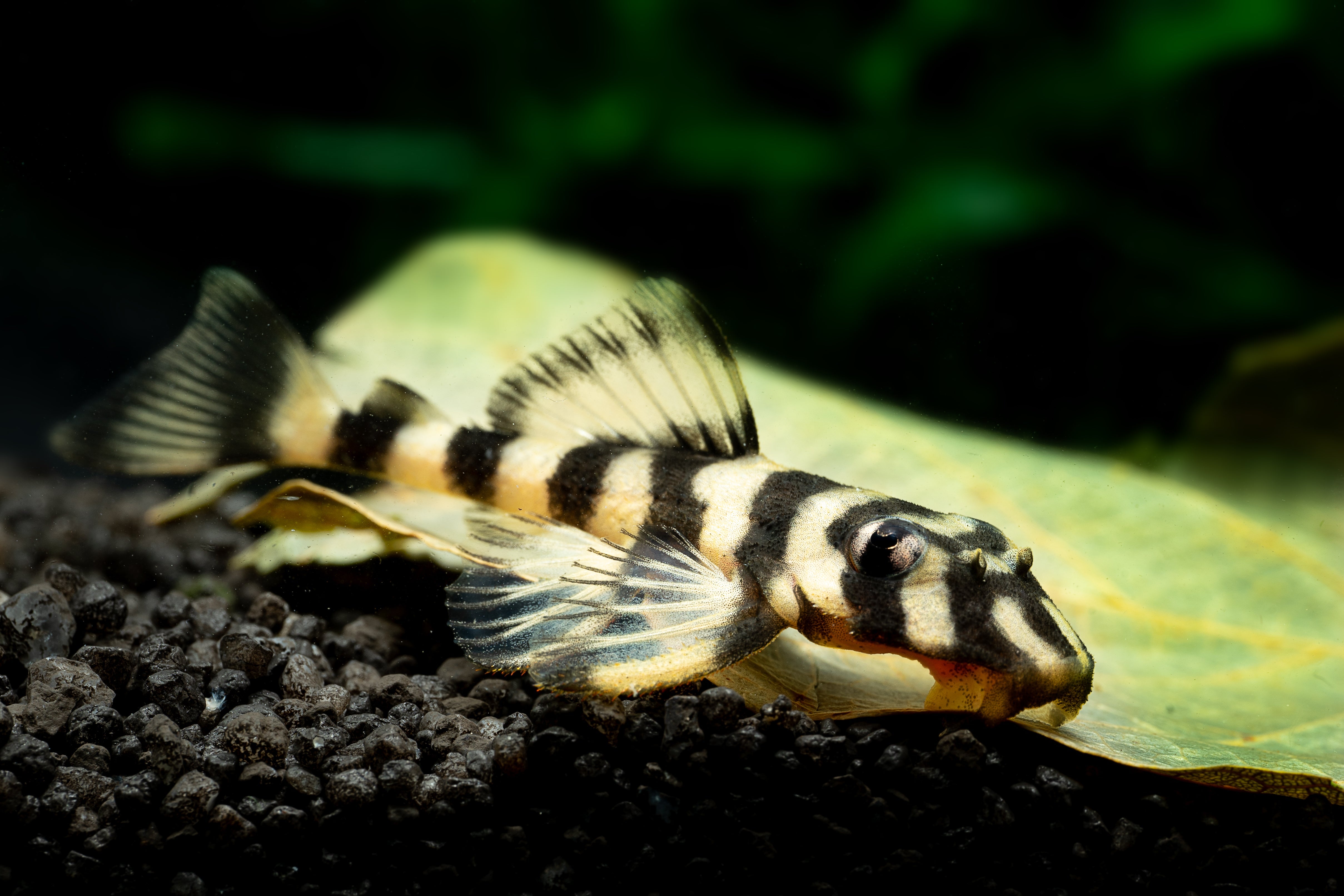
Credit: splashyfishstore.com
Signs Of Imbalance And How To React
Feeding ornamental fish affects their behavior and tank harmony. Uneven feeding can cause fights and stress.
Knowing signs of imbalance helps keep peace in your aquarium. Reacting quickly protects your fish.
Behavioral Changes To Watch
Fish may swim aggressively or hide more than usual. Look for constant chasing or fin nipping among tank mates.
Signs include loss of appetite and unusual restlessness. These behaviors show stress caused by feeding issues.
- Increased chasing or biting
- Fish hiding or avoiding others
- Refusal to eat or sudden hunger
- Fins clamped or damaged
- Restless swimming or darting
Adjusting Diet To Calm Aggression
Feed smaller meals more often to reduce competition. Balanced diets with proper nutrients lower stress.
Use foods that suit each species. Avoid overfeeding, which causes fights and poor water quality.
- Divide daily food into multiple small portions
- Include varied food types like flakes, pellets, and live food
- Feed species-specific diets when possible
- Remove uneaten food quickly to keep water clean
When To Seek Expert Help
If aggression grows worse despite diet changes, consult a fish specialist. Persistent stress harms fish health.
Experts can check water quality, tank size, and fish compatibility. They offer advice on feeding and care.
- Severe injuries from fights
- Constant hiding or refusal to eat
- Water problems despite cleaning
- Unexplained behavior changes
- Difficulty keeping peace in the tank
Frequently Asked Questions
How Does Feeding Affect Ornamental Fish Territorial Behavior?
Feeding influences fish aggression and territory size. Proper feeding reduces competition and stress. Balanced diets help maintain peace in tanks. Uneven feeding can increase territorial disputes among fish.
What Types Of Food Promote Territorial Balance In Fish?
High-quality, varied diets promote health and calm behavior. Protein-rich and plant-based foods suit most ornamental fish. Consistent feeding schedules reduce territorial aggression. Avoid overfeeding to prevent dominance fights.
How Often Should Ornamental Fish Be Fed For Balance?
Feed ornamental fish twice daily in small portions. Regular feeding prevents hunger-driven aggression and territorial disputes. Overfeeding causes water quality issues, leading to stress. Balanced feeding supports stable social hierarchies in tanks.
Can Feeding Times Influence Fish Territorial Disputes?
Yes, predictable feeding times reduce stress and aggression. Fish establish territories more calmly when feeding is consistent. Erratic feeding can trigger fights and dominance challenges. A routine supports harmony and territorial balance.
Conclusion
Feeding ornamental fish well helps keep peace in their home. Balanced meals reduce fights and stress among fish. Feeding at regular times creates a calm environment. Use the right food amounts to avoid hunger or waste. Watch how fish behave to adjust feeding plans.
Healthy fish show bright colors and active swimming. A peaceful tank means happier fish and easier care. Small changes in feeding can make a big difference. Keep learning about your fish’s needs for best results.