
If you have ornamental fish, you know how important it is to keep them healthy and happy. But did you realize that the way you feed your fish can actually help reduce their stress?
Stress can harm your fish’s color, appetite, and overall well-being. By adjusting what and how you feed them, you can create a calm and vibrant environment for your aquatic friends. You’ll discover simple feeding tips that can make a big difference in your fish’s life—and keep your tank looking beautiful.
Ready to learn how to turn mealtime into a stress-busting ritual for your fish? Keep reading!
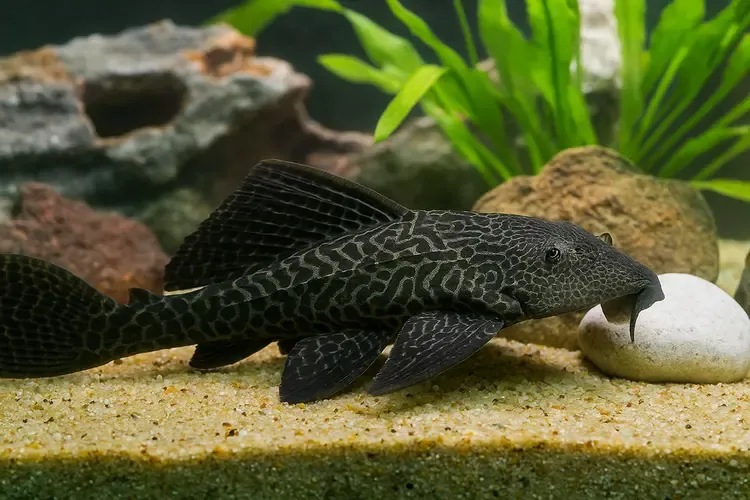
Credit: aquadecorbackgrounds.com
Role Of Diet In Fish Stress
Feeding ornamental fish the right diet helps keep them healthy and calm. A poor diet can cause stress and make fish weak.
Stress lowers fish immunity and can cause illness. Good nutrition supports their natural behavior and reduces stress.
How Nutrition Affects Fish Behavior
Fish need balanced food with vitamins and minerals. Proper nutrition helps them swim actively and eat well.
When fish get good food, they show normal social behavior. Poor nutrition can make fish shy or aggressive.
- Balanced diet improves energy levels
- Proper feeding supports healthy growth
- Good nutrition reduces nervousness
- Healthy fish display natural colors and activity
Signs Of Stress Linked To Poor Feeding
Fish that do not get proper food may show signs of stress. Watch for changes in their behavior and appearance.
Stress signs include loss of appetite, hiding, and faded colors. These signs often mean the fish diet is lacking.
- Refusing food or eating less
- Hiding more than usual
- Slow or erratic swimming
- Color loss or dullness
- Increased aggression or lethargy
Best Foods For Calming Fish
Feeding your ornamental fish with the right foods helps reduce their stress. Stress can harm fish health and color. Choosing calming foods supports their wellbeing.
Natural ingredients and special diets can soothe fish. These foods contain nutrients that promote calm behavior and boost immunity.
Natural Ingredients That Soothe
Some natural foods have calming effects on fish. They provide vitamins, minerals, and antioxidants that lower stress levels.
- Chamomile extract reduces anxiety and inflammation.
- Garlic improves immune response and appetite.
- Spirulina offers antioxidants and supports color vibrancy.
- Lavender oil calms fish and reduces erratic swimming.
- Fennel seeds help digestion and relax muscles.
Commercial Diets Designed For Stress Relief
Many commercial fish foods include ingredients to reduce stress. These diets balance nutrients to keep fish calm and healthy.
| Diet Type | Key Ingredient | Stress Benefit |
| Flake Food | Chamomile & Vitamins | Calms nerves and supports health |
| Pellets | Garlic & Omega-3 | Boosts immunity and reduces stress |
| Gel Food | Spirulina & Herbs | Enhances color and soothes |
| Freeze-Dried | Lavender & Natural Extracts | Relaxes fish and lowers anxiety |
Feeding Techniques To Reduce Stress
Feeding ornamental fish the right way helps lower their stress. Stress makes fish sick and weak.
Good feeding habits keep fish calm and healthy. This guide shares easy ways to feed fish well.
Optimal Feeding Schedules
Feed fish at the same time every day. This creates a routine that fish can expect.
Regular feeding times help fish feel safe and reduce stress. Avoid feeding too late or too early.
- Feed small amounts twice a day
- Keep feeding times consistent
- Do not skip feeding days
- Adjust schedule if fish show signs of stress
Portion Control And Avoiding Overfeeding
Give fish only what they can eat in a few minutes. Leftover food causes water problems and stress.
Overfeeding can hurt fish health and raise stress levels. Use small portions to keep fish safe.
- Feed small bites that fish finish quickly
- Remove uneaten food after 5 minutes
- Watch fish eat to adjust portions
- Use feeding tools to control amount

Credit: blog.petloverscentre.com
Supplements And Additives
Feeding ornamental fish the right supplements helps lower their stress levels. Stress can weaken fish and make them sick. Adding vitamins and natural additives improves their health and color.
Choosing the correct supplements supports the immune system. It also helps fish recover faster from stress caused by changes in the environment or handling.
Vitamins And Minerals For Fish Health
Vitamins and minerals are key for strong fish. They keep fish active and reduce stress reactions. Common supplements include vitamins A, C, D, and E, plus minerals like calcium and magnesium.
- Vitamin A helps with skin and eye health.
- Vitamin C boosts the immune system.
- Vitamin D supports bone strength.
- Vitamin E acts as an antioxidant.
- Calcium aids in scale and bone development.
- Magnesium helps with muscle function.
| Supplement | Benefit | Source |
| Vitamin A | Skin and eye health | Leafy greens, fish oils |
| Vitamin C | Immune support | Citrus fruits, tablets |
| Calcium | Bone and scale strength | Crushed shells, supplements |
| Magnesium | Muscle function | Mineral additives |
Herbal And Natural Additives
Herbal additives calm fish and improve water quality. Natural extracts from plants can reduce stress and fight infections. Common herbs include garlic, aloe vera, and green tea.
Benefits of Herbal Additives:
- Garlic:Boosts immunity and repels parasites.
- Aloe Vera:Soothes skin and promotes healing.
- Green Tea:Contains antioxidants to reduce stress.
- Chamomile:Acts as a mild calming agent.
- Turmeric:Supports digestion and immune health.
Environmental Factors And Feeding
Feeding ornamental fish can help reduce their stress. The environment around them plays a big role in how well feeding works.
Good tank conditions and the right diet work together to keep fish calm and healthy.
Tank Conditions That Enhance Feeding Benefits
Proper tank conditions make fish feel safe and ready to eat. Clean water, correct temperature, and hiding spots are important.
- Keep water clean by changing it regularly
- Maintain temperature according to fish species
- Provide plants or decorations for shelter
- Use gentle lighting to avoid stress
- Ensure good water flow without strong currents
Interaction Between Diet And Habitat Stressors
Diet and habitat stressors affect each other. Poor habitat can lower fish appetite even if food is good.
| Habitat Stressor | Effect on Feeding | Diet Consideration |
|---|---|---|
| High noise levels | Fish eat less | Offer high-nutrition, easy-to-digest food |
| Water pollution | Reduced feeding behavior | Feed small amounts frequently |
| Overcrowding | Stress reduces appetite | Use feeding stations to reduce competition |
| Wrong temperature | Metabolism slows down | Adjust feeding to match activity level |
Monitoring And Adjusting Diet
Feeding ornamental fish is important for their health and stress reduction. Fish need a balanced diet to stay healthy and vibrant. Monitoring their diet helps ensure they get the right nutrients.
Adjusting the diet of your fish can improve their well-being. It can also help reduce stress and enhance their colors.
Tracking Fish Response To New Diets
Introduce new foods slowly to see how fish react. Watch for changes in behavior or appearance. This can show if the diet is good for them.
Keep notes on how each fish responds to changes. This helps track what works best for their health and stress levels.
- Observe fish activity levels
- Check fish coloration and growth
- Note any unusual behavior
Adapting Feeding Strategies Over Time
Fish diets may need changes as they age or during different seasons. Adjust feeding strategies based on their growth and environment needs.
Regularly review and update the diet plan. This ensures that fish get the nutrients they need at each life stage.
- Change food types for variety
- Adjust portion sizes for growth
- Consider seasonal food changes
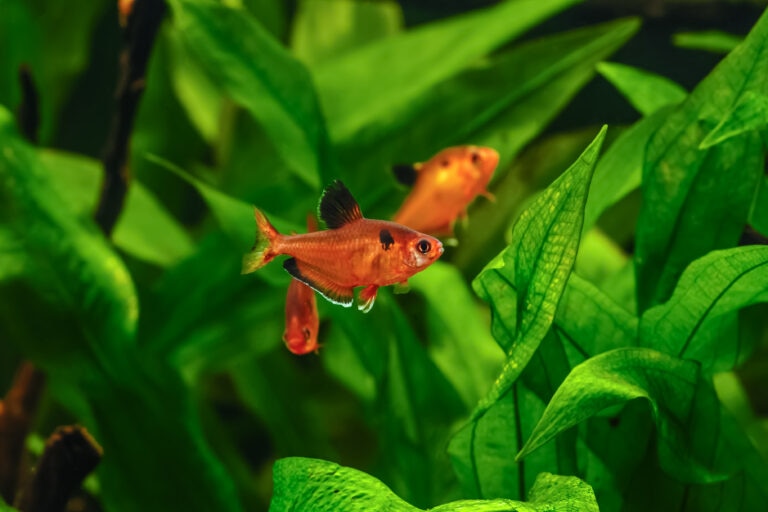
Credit: www.chewy.com
Frequently Asked Questions
How Does Feeding Reduce Stress In Ornamental Fish?
Feeding provides essential nutrients that boost fish health and immunity. Proper diet helps maintain vibrant colors and energy levels. It also reduces aggressive behaviors caused by hunger. Regular feeding creates routine and comfort, lowering stress in ornamental fish.
What Foods Best Reduce Stress In Ornamental Fish?
High-quality flakes, pellets, and live foods like brine shrimp reduce stress. Foods rich in vitamins and antioxidants improve fish resilience. Avoid overfeeding or low-nutrient foods to prevent stress and health issues. Balanced diets support overall well-being and calm behavior.
How Often Should I Feed Ornamental Fish To Reduce Stress?
Feed small amounts 2-3 times daily to avoid hunger and stress. Overfeeding leads to poor water quality, increasing fish stress. Consistent feeding schedules help fish establish routine and feel secure. Adjust feeding based on fish species and tank conditions.
Can Feeding Routines Improve Ornamental Fish Behavior?
Yes, consistent feeding routines create familiarity and reduce anxiety in fish. Predictable feeding times help fish feel safe and reduce stress-induced aggression. Feeding also encourages natural foraging behavior, which stimulates mental activity and relaxation.
Conclusion
Feeding ornamental fish properly helps keep them calm and healthy. Stress can harm their colors and behavior. Giving the right food in the right amount supports their well-being. A peaceful fish tank is easier to enjoy and care for. Small changes in feeding make a big difference over time.
Keep watching your fish to learn what they like best. Happy fish mean a happy aquarium and a relaxing hobby. Care and attention create a better life for your fish.