
Are you looking to see your ornamental fish grow bigger and healthier? Feeding your fish the right way plays a huge role in their growth and vibrancy.
When you understand what and how to feed them, you unlock the secret to a thriving aquarium full of colorful, lively fish. You’ll discover simple yet powerful feeding tips that help your fish reach their full potential. Keep reading to learn how to make every meal count for your underwater friends.
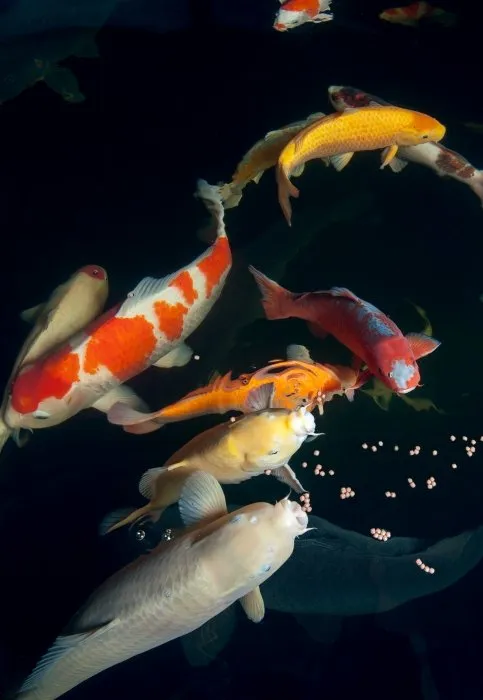
Credit: www.aquascapeinc.com
Choosing The Right Food
Feeding ornamental fish properly helps them grow strong and healthy. Picking the right food is very important for their growth.
Different fish need different foods. Understanding their needs can improve their health and colors.
Types Of Fish Food
There are many kinds of fish food available. Each type serves a special purpose for your fish’s diet.
- Flakes:Easy to feed and good for small fish.
- Pellets:Sink slowly, suitable for bottom feeders.
- Freeze-dried:Preserves nutrients, good for protein.
- Frozen:Close to natural food, ideal for carnivores.
- Live food:Boosts fish activity and growth.
Nutritional Needs By Species
Different fish species need different nutrients to grow well. Knowing their needs helps you choose the best food.
Some fish eat plants, others eat meat. Some need more protein, and others need more fiber.
| Fish Type | Diet Type | Key Nutrients |
|---|---|---|
| Herbivores | Plant-based | Fiber, vitamins |
| Carnivores | Meat-based | Protein, fats |
| Omnivores | Mixed diet | Balanced protein and fiber |
Homemade Vs Commercial Food
Homemade food gives control over ingredients. It can be fresh but needs care to keep safe and balanced.
Commercial food is easy to store and use. It is made to meet fish nutritional needs but may have fillers.
- Homemade food:Fresh, customizable, needs preparation.
- Commercial food:Convenient, balanced, long shelf life.

Credit: www.scotsman.com
Feeding Frequency And Schedule
Feeding ornamental fish the right amount at the right times helps them grow well. A good schedule keeps fish healthy and active.
Understanding when and how much to feed your fish makes a big difference. This guide covers daily routines, adjusting feed amounts, and seasonal changes.
Daily Feeding Routines
Feed your fish twice a day, once in the morning and once in the evening. This keeps their energy steady throughout the day.
- Feed small amounts that fish can eat in 2–3 minutes
- Remove leftover food to avoid water pollution
- Observe fish behavior to adjust feeding times if needed
- Keep feeding times consistent for routine
Adjusting Feed Amounts
Feed amounts change as fish grow. Young fish need more food, while adult fish need less.
| Fish Age | Feeding Frequency | Feed Amount |
|---|---|---|
| Fry (0-2 months) | 3-4 times daily | Small pinches, multiple times |
| Juveniles (2-6 months) | 2-3 times daily | Moderate portions |
| Adults (6+ months) | 1-2 times daily | Smaller portions |
Seasonal Feeding Changes
Fish metabolism slows in cold months. Feed less in winter and more in warm months.
Follow this seasonal feeding guide:
- Spring:Increase feed as water warms.
- Summer:Feed normally, ensure water quality.
- Fall:Gradually reduce feed as temperature drops.
- Winter:Feed very little or stop if water is cold.
Feeding Techniques
Feeding ornamental fish properly helps them grow strong and stay healthy. Using the right feeding techniques makes a big difference in their growth rate.
Good feeding habits reduce waste and keep the tank clean. This guide covers hand feeding, using feeding rings, and avoiding overfeeding.
Hand Feeding Tips
Hand feeding helps build trust between you and your fish. It also lets you watch their eating habits closely.
- Feed small amounts to avoid waste
- Use clean hands to prevent infections
- Offer food slowly so all fish get a chance
- Feed at regular times to create a routine
Using Feeding Rings And Tools
Feeding rings help keep food in one place. They stop the food from spreading and dirtying the tank.
| Tool | Purpose |
| Feeding ring | Holds food in a small area |
| Feeding stick | Delivers food precisely to shy fish |
| Forceps | Place frozen or live food gently |
Avoiding Overfeeding
Overfeeding causes poor water quality and sick fish. It is important to feed only what the fish can eat quickly.
Tips to avoid overfeeding:
- Feed fish once or twice a day
- Offer food that fish finish in two minutes
- Remove leftover food after feeding
- Observe fish behavior to adjust food amounts
Water Quality And Feeding
Feeding ornamental fish properly helps them grow fast and stay healthy. Good water quality is key to their survival and growth.
Clean water and proper feeding go hand in hand. Both must be balanced to keep fish safe and growing well.
Impact Of Feeding On Water
Overfeeding fish can pollute water quickly. Leftover food breaks down and creates harmful chemicals.
Dirty water stresses fish and slows their growth. Feed only what fish can eat in a few minutes.
- Remove uneaten food after feeding
- Feed small amounts multiple times a day
- Choose high-quality fish food
Maintaining Clean Tanks
Regular cleaning keeps tanks safe and healthy. Dirty tanks harm fish and stop them from growing well.
Change some water weekly and clean tank walls. Remove dirt and waste to improve water quality.
- Change 10-20% of water weekly
- Clean algae from tank walls
- Remove fish waste and debris
Filtration And Aeration
Filters clean water by removing waste and chemicals. Good filtration helps fish grow strong and healthy.
Aeration adds oxygen to water. Fish need oxygen for good health and growth.
- Use filters that fit your tank size
- Check and clean filters often
- Use air pumps or stones for oxygen
Supplements And Enhancers
Feeding ornamental fish well helps them grow strong and healthy. Adding supplements and enhancers to their diet can improve their color and size. These extra nutrients support overall fish health.
Different types of supplements help in various ways. Vitamins and minerals boost immunity. Color enhancers make fish look brighter. Growth promoters increase size and development.
Vitamins And Minerals
Vitamins and minerals are essential for fish health. They support strong bones, good digestion, and a strong immune system. Lack of these nutrients can cause illness and slow growth.
- Vitamin C helps heal wounds and fight disease.
- Vitamin D supports bone growth and calcium absorption.
- Calcium is important for shell and bone strength.
- Iron helps carry oxygen in the blood.
- Zinc aids in enzyme function and immune defense.
Color Enhancers
Color enhancers bring out bright and vibrant colors in ornamental fish. They use natural pigments like carotenoids and astaxanthin. These pigments are found in some plants and seafood.
| Color Enhancer | Source | Effect |
| Astaxanthin | Algae and shrimp | Enhances red and orange colors |
| Canthaxanthin | Fungi and plants | Improves red and yellow hues |
| Beta-carotene | Carrots and leafy greens | Boosts orange and red shades |
| Lutein | Green leafy plants | Supports yellow pigmentation |
Growth Promoters
Growth promoters help fish grow faster and healthier. They include proteins, amino acids, and enzymes. These nutrients improve digestion and support muscle development.
- Proteins – Build strong muscles.
- Amino Acids – Help repair tissues.
- Enzymes – Improve food digestion.
- Omega-3 Fatty Acids – Support brain and heart health.
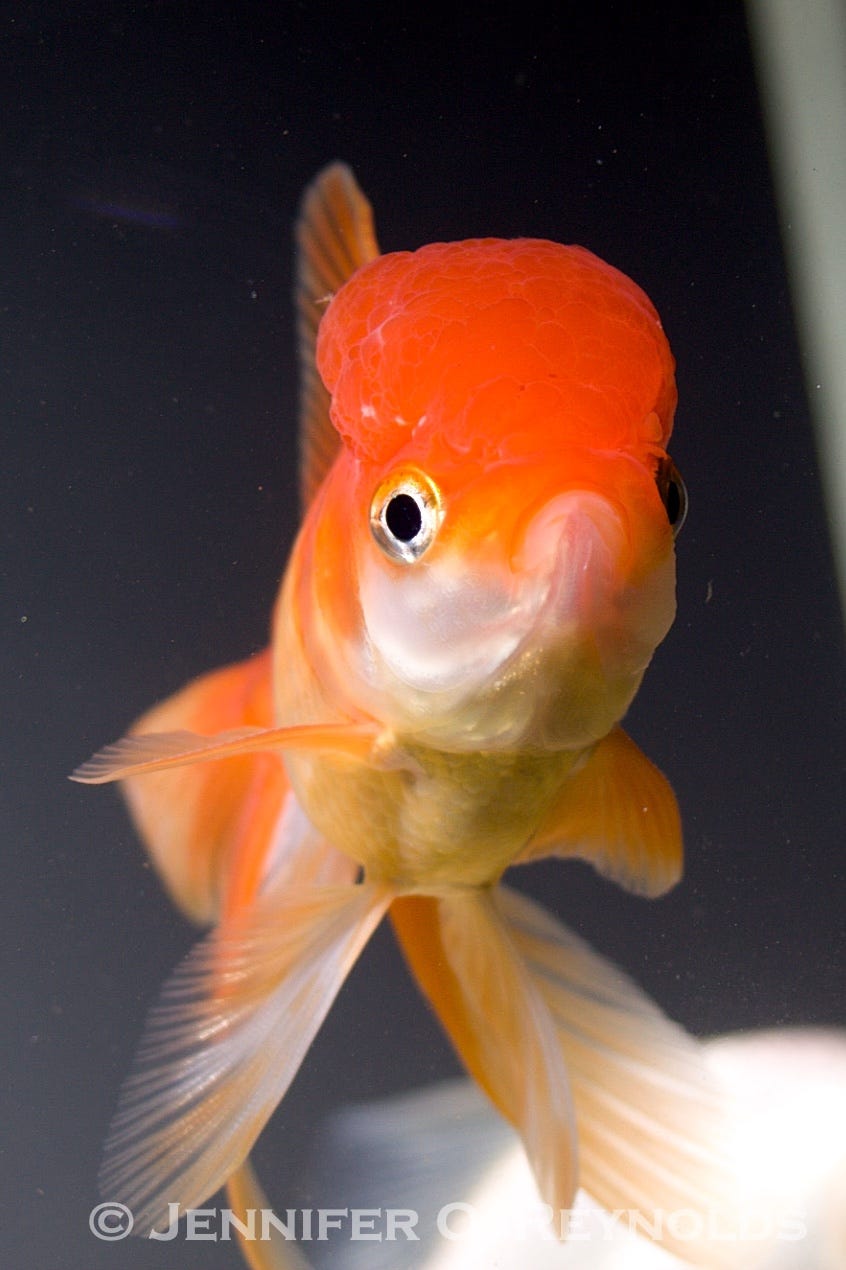
Credit: medium.com
Monitoring Fish Health
Feeding ornamental fish the right way helps them grow well. Watching their health is key to success. Healthy fish grow bigger and live longer.
Proper feeding keeps fish healthy and happy. It is important to notice any changes in their behavior or appearance.
Signs Of Proper Growth
Healthy fish swim actively and have bright colors. Their scales are smooth and shiny. They should eat eagerly during feeding time.
- Active swimming patterns
- Bright and vibrant colors
- Smooth, shiny scales
- Good appetite
Detecting Feeding Issues
Fish may show signs if they are not fed well. Look for slow growth or weight loss. Dull colors can also be a warning sign.
Check if fish are eating all the food. Uneaten food can cause water problems. Fish hiding or less active may signal a problem.
- Slow growth or weight loss
- Dull or faded colors
- Hiding more than usual
- Uneaten food in the tank
Adjusting Diet For Health
Changing the diet can help fish stay healthy. Try different types of fish food for balanced nutrition. Include live or frozen food for variety.
Feed the right amount and type of food. Overfeeding can harm fish. Make sure the diet matches the fish species.
- Include live or frozen food
- Balance different food types
- Avoid overfeeding
- Match diet to fish species
Frequently Asked Questions
What Is The Best Food For Ornamental Fish Growth?
High-quality, protein-rich foods like pellets and flakes support ornamental fish growth. Supplement with live or frozen foods for variety. Balanced nutrition promotes vibrant colors and health. Avoid overfeeding to prevent water pollution.
How Often Should I Feed Ornamental Fish For Growth?
Feed ornamental fish 2 to 3 times daily in small portions. Overfeeding can harm fish and water quality. Consistent feeding schedules support steady growth and digestion. Adjust amounts based on fish size and species.
Can Natural Foods Boost Ornamental Fish Growth?
Yes, natural foods like brine shrimp, daphnia, and bloodworms enhance growth. They provide essential nutrients and improve immunity. Use them as occasional supplements along with commercial diets. Fresh natural foods stimulate appetite and activity.
Does Water Quality Affect Fish Growth?
Absolutely, clean water with stable parameters is vital for fish growth. Poor water quality stresses fish and slows development. Regular water changes and filtration maintain optimal conditions. Healthy water supports digestion and nutrient absorption.
Conclusion
Feeding ornamental fish well helps them grow strong and healthy. Choose good food that fits their needs and feed in small amounts. Keep the tank clean to avoid sickness. Watch your fish often to see if they eat well and look active.
Regular care and proper feeding create a happy environment. Small steps make a big difference in fish growth. Enjoy watching your colorful fish thrive every day.