
If you want your ornamental fish to thrive and show off their vibrant colors, what you feed them plays a huge role. Feeding your fish the right food isn’t just about filling their bellies—it’s about keeping them healthy, active, and beautiful for years to come.
Imagine watching your fish swim gracefully, full of life and energy, all because you made simple changes to their diet. You’ll discover easy tips and expert advice to help you feed your ornamental fish the right way. Keep reading, and unlock the secrets to maintaining your fish’s health with every meal you give them.
Choosing The Right Food
Feeding ornamental fish properly keeps them healthy and active. Choosing the right food supports their growth and color.
Different types of fish need different foods. Understanding these needs helps you pick the best diet for your fish.
Types Of Ornamental Fish Food
Ornamental fish food comes in many forms. Each type suits different fish and feeding habits.
- Flakes: Easy to feed, good for surface feeders.
- Pellets: Sink slowly, fit for mid-water fish.
- Freeze-dried: Long shelf life, must be soaked before feeding.
- Live food: Natural and high in nutrients, attracts picky eaters.
- Frozen food: Preserves nutrients well, convenient and safe.
Nutritional Needs By Species
Different fish species need different nutrients. Some need more protein, others need more plant material.
| Fish Species | Protein (%) | Vegetables (%) | Fats (%) |
| Guppies | 35 | 10 | 5 |
| Tetras | 30 | 15 | 5 |
| Goldfish | 25 | 20 | 5 |
| Cichlids | 40 | 10 | 7 |
| Betta | 45 | 5 | 5 |
Benefits Of Live And Frozen Foods
Live and frozen foods provide essential vitamins and minerals. They improve fish health and color.
- Live food encourages natural hunting and activity.
- Frozen food reduces risk of disease compared to live food.
- Both types boost immune systems effectively.
- They add variety to the fish diet.
- Can be used to feed picky eaters.
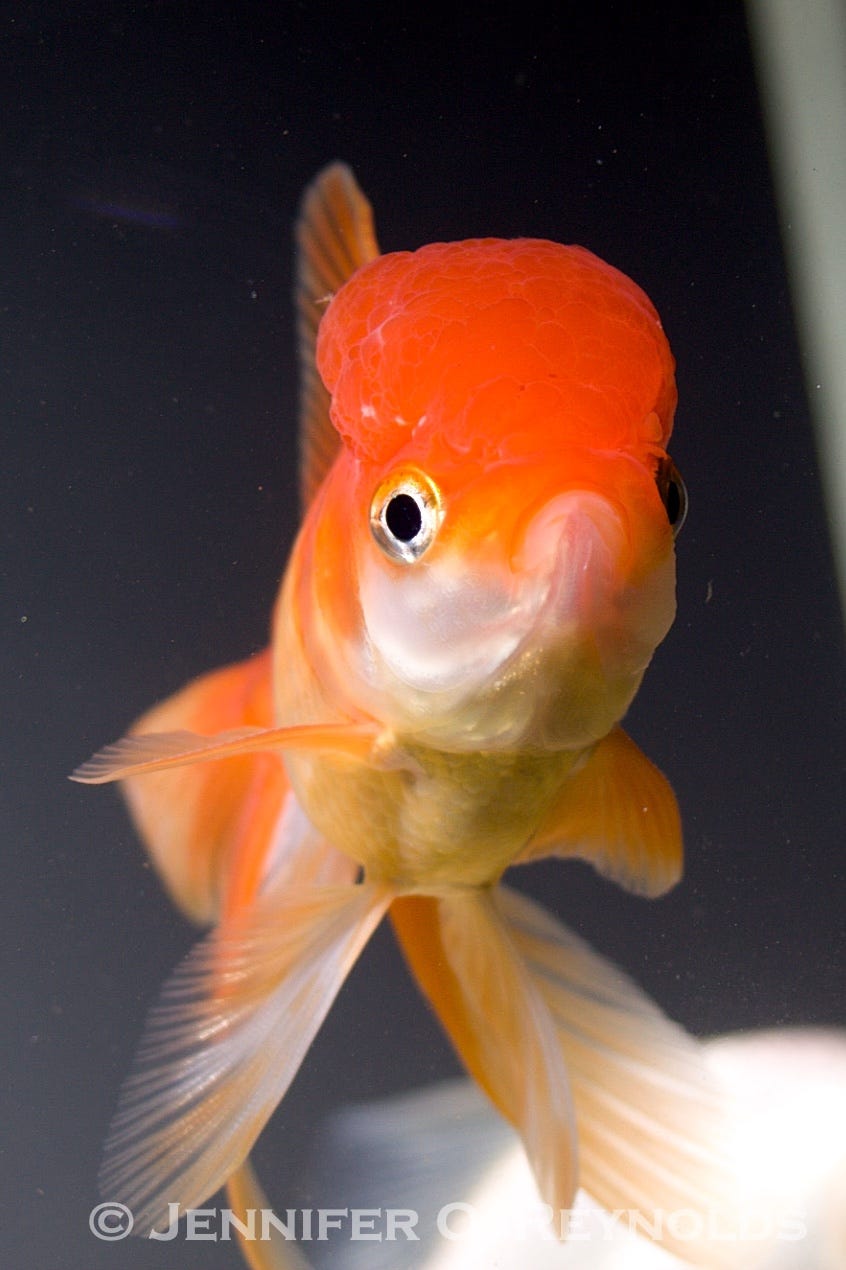
Credit: medium.com
Feeding Frequency And Portions
Feeding ornamental fish properly is key to keeping them healthy. The right feeding schedule and portion sizes help fish grow well and avoid health problems.
Giving the correct amount of food at the right times keeps the water clean and fish active. This guide explains how often to feed and how much to give.
Daily Feeding Schedule
Feed your fish two to three times a day. Small, regular meals are better than one large feeding. This keeps fish energy steady and reduces waste.
Try to feed at the same times each day. Consistent feeding helps fish develop a routine and improves digestion.
- Morning feeding
- Midday feeding (optional for some species)
- Evening feeding
Avoiding Overfeeding
Overfeeding causes poor water quality and sick fish. Only give as much food as fish can eat in 2-3 minutes. Remove leftover food after feeding.
Watch your fish during feeding. If food remains, reduce the amount next time. Healthy fish stay active and eat all their food quickly.
- Feed small portions
- Remove uneaten food promptly
- Observe fish behavior during feeding
Adjusting Portions For Growth
Young fish need more food than adults because they grow fast. Increase portions gradually as fish size increases. Adult fish need less food to avoid fat build-up.
Change the amount based on fish activity and health. If fish look thin or weak, add a little more food. If they get fat, feed less.
- Feed more to young, growing fish
- Reduce portions as fish mature
- Adjust feeding based on fish condition
Supplements And Enhancers
Feeding ornamental fish with the right supplements helps keep them healthy. These additives improve their growth and color.
Supplements can provide vitamins, color boosters, and immune support. These enhance fish vitality and appearance.
Vitamins And Minerals
Vitamins and minerals help fish grow strong and stay active. They support bones, scales, and overall health.
Common vitamins include A, C, and D. Minerals like calcium and potassium keep their bodies balanced.
- Vitamin A supports eye health
- Vitamin C helps heal wounds
- Vitamin D aids calcium absorption
- Calcium strengthens bones and scales
- Potassium keeps muscle function normal
Color Enhancers
Color enhancers make fish colors brighter and more vibrant. They often contain natural pigments.
Carotenoids are common color boosters. They add red, orange, and yellow shades to fish scales.
- Astaxanthin brightens red and pink colors
- Lutein enhances yellow tones
- Canthaxanthin improves orange shades
- Natural sources include shrimp and algae
Immune Boosting Additives
Immune boosters help fish fight diseases. They improve resistance to infections and stress.
Common additives include probiotics and plant extracts. These support a healthy digestive system.
- Probiotics improve gut health
- Garlic extract helps fight bacteria
- Vitamin C strengthens the immune system
- Beta-glucans increase disease resistance
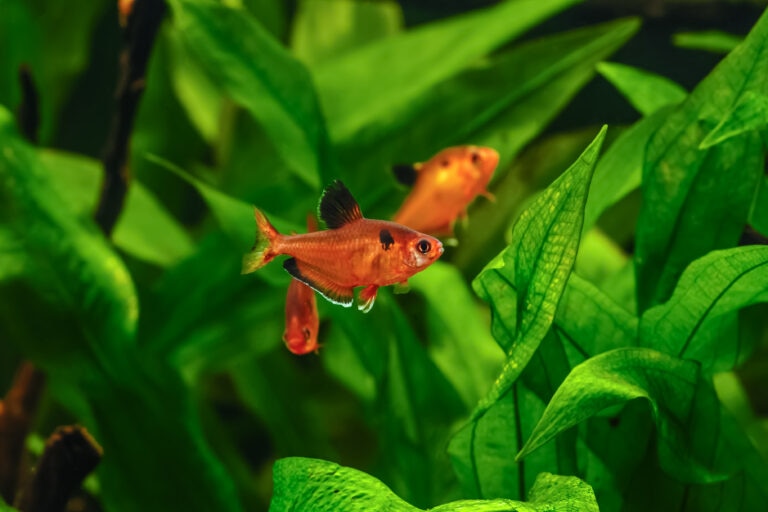
Credit: www.chewy.com
Feeding Techniques
Feeding ornamental fish correctly helps keep them healthy. Using good feeding techniques ensures they get the right nutrition.
Different methods work best depending on fish type and tank setup. Understanding these methods helps maintain a balanced aquarium.
Hand Feeding Tips
Hand feeding lets you interact closely with your fish. It helps monitor their health and appetite better.
Use clean hands and feed small amounts to avoid overfeeding. Hold the food near the fish slowly to reduce stress.
- Wash hands before feeding
- Feed small pieces or flakes
- Feed near the fish gently
- Watch fish eat to check health
Using Feeding Rings And Tools
Feeding rings keep food in one place. This helps prevent food from spreading and dirtying the tank.
Tools like feeding tweezers or pipettes give control over feeding. They help deliver food to shy or slow fish.
- Place feeding ring on water surface
- Drop food inside the ring carefully
- Use tweezers for live or frozen food
- Feed slowly to avoid waste
Feeding In Community Tanks
Community tanks have many fish with different diets. Feed a mix of foods to meet all their needs.
Feed small amounts several times a day. Watch to make sure all fish get food and none are left out.
- Use sinking and floating foods
- Feed in different tank areas
- Observe feeding behavior closely
- Adjust feeding amounts as needed
Common Feeding Mistakes
Feeding ornamental fish is important for their health and happiness. Many fish owners make mistakes that can harm their fish.
Knowing these mistakes helps keep fish healthy and alive longer. Learn how to feed fish properly and avoid problems.
Signs Of Overfeeding
Overfeeding fish causes many health problems. Fish can get sick from too much food in their tank.
Watch for these signs that show your fish eat too much:
- Uneaten food floats or sinks in the tank
- Cloudy or dirty water
- Fish swim slowly or seem tired
- Swollen stomach or bloated body
Recognizing Malnutrition
Fish need a balanced diet for strong bodies and bright colors. Malnutrition happens when fish lack important nutrients.
Look for these signs of poor nutrition in your fish:
- Faded colors or dull skin
- Slow growth or small size
- Weak swimming or unusual behavior
- Loss of appetite or refusal to eat
Avoiding Contaminated Food
Contaminated food can make fish very sick. Old or dirty food carries bacteria and parasites.
Follow these tips to keep fish food safe and clean:
- Store food in a cool, dry place
- Throw away expired or moldy food
- Use clean containers for feeding
- Do not feed fish with leftover food from the tank
Monitoring Fish Health Through Diet
Feeding ornamental fish with the right diet is crucial for their health. Watching their behavior and physical changes can help.
Adjusting their diet based on observations ensures they remain vibrant and active.
Behavioral Indicators
Fish behavior can signal their health. Observe how they swim and interact with others.
- Active swimming suggests good health.
- Hiding often may indicate stress or illness.
- Refusal to eat can be a warning sign.
Physical Changes
Watch for any changes in the fish’s appearance. This can point to health issues.
| Change | Possible Cause |
| Faded colors | Stress or poor diet |
| Clamped fins | Water quality issues |
| White spots | Parasitic infection |
Adjusting Diet Based On Health
Changing the fish’s diet can improve their health. Consider what nutrients they need most.
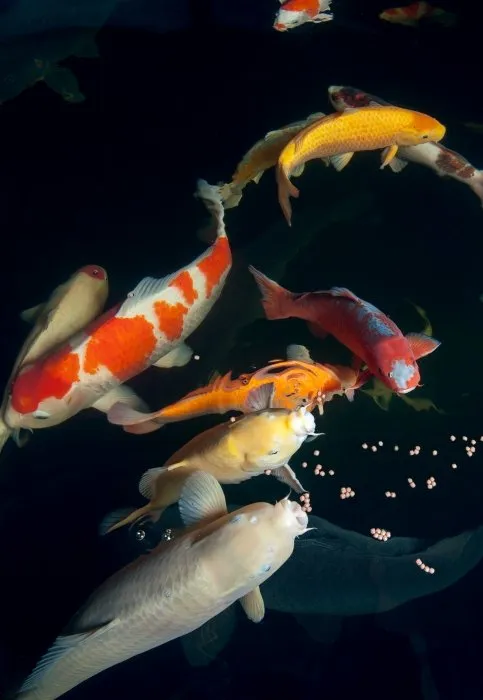
Credit: www.aquascapeinc.com
Frequently Asked Questions
What Is The Best Diet For Ornamental Fish Health?
A balanced diet with high-quality flakes, pellets, and occasional live food ensures optimal health. Include vitamins and proteins for growth and color enhancement. Avoid overfeeding to prevent water pollution and diseases.
How Often Should I Feed My Ornamental Fish?
Feed small amounts 2-3 times daily. Overfeeding can harm fish and water quality. Adjust frequency based on fish species, age, and activity level.
Can Ornamental Fish Eat Vegetables And Fruits?
Yes, some fish enjoy vegetables like peas and spinach. Fruits should be given sparingly due to sugar content. Always remove uneaten food to keep the tank clean.
Why Is Varied Diet Important For Ornamental Fish?
A varied diet provides essential nutrients and prevents deficiencies. It improves immune function, color vibrancy, and overall vitality. Include protein, fiber, and vitamins for balanced nutrition.
Conclusion
Feeding ornamental fish right keeps them strong and lively. Choose good food and feed in small amounts. Too much food can harm water and fish health. Watch your fish often to learn their needs. Clean tanks help fish stay healthy and active.
A simple feeding plan saves time and stress. Healthy fish bring joy and beauty to your home. Care and attention make a big difference every day. Keep feeding smart, and your fish will thrive.