
Are you struggling to keep your freshwater ornamental fish healthy and vibrant? Feeding them the right way is more important than you might think.
What you put into your fish’s diet directly affects their color, energy, and lifespan. You’ll discover simple, effective tips to nourish your fish properly and avoid common feeding mistakes. By the end, you’ll feel confident that your aquatic pets are getting exactly what they need to thrive.
Keep reading to unlock the secrets of feeding your freshwater ornamental fish like a pro!
Types Of Freshwater Ornamental Fish
Freshwater ornamental fish come in many shapes and sizes. Each type has special feeding needs. Knowing these helps keep fish healthy.
Fish diets depend on their species and natural habits. Some eat plants, others eat meat, and some eat both.
Popular Species And Their Diets
Popular freshwater fish include goldfish, bettas, tetras, and cichlids. Each has a unique diet.
Goldfish eat mostly plant-based foods. Bettas need protein from live or frozen food. Tetras eat small insects and flakes. Cichlids have varied diets depending on the species.
- Goldfish: algae, flakes, vegetables
- Bettas: bloodworms, brine shrimp
- Tetras: flakes, small insects
- Cichlids: pellets, live food, plants
Herbivores Vs Carnivores
Herbivores eat plants and algae. They need food rich in fiber and vitamins. Carnivores eat other animals. They need protein and fat.
Herbivore fish often graze on aquarium plants or algae wafers. Carnivores prefer live or frozen insects, worms, and small fish.
- Herbivores:Plecos, Silver Dollars, some Catfish
- Carnivores:Bettas, Oscars, Arowanas
Omnivorous Fish Varieties
Omnivores eat both plants and animals. They need a balanced diet with protein and plant matter. Many popular fish are omnivores.
Feeding omnivores a mix of flakes, frozen food, and vegetables keeps them healthy and active.
- Guppies
- Platies
- Angelfish
- Corydoras Catfish
Essential Nutrients For Freshwater Fish
Feeding freshwater ornamental fish needs care. They require specific nutrients to stay healthy.
Each nutrient plays a role in growth, color, and immune strength. Understanding these helps you feed them well.
Proteins And Fats
Proteins build fish muscles and repair tissues. Fats provide energy and help absorb vitamins.
- Proteins come from fish meal, shrimp, and insects.
- Fats supply long-lasting energy.
- Both support healthy scales and bright colors.
Vitamins And Minerals
Vitamins and minerals keep fish active and disease-free. They help with bone and fin health.
| Vitamin/Mineral | Function |
| Vitamin A | Supports vision and skin health |
| Vitamin C | Boosts immune system |
| Calcium | Strengthens bones and scales |
| Iron | Helps oxygen transport in blood |
Importance Of Fiber
Fiber aids digestion and keeps the gut healthy. It prevents constipation and waste buildup.
Sources of fiber for freshwater fish include:
- Vegetable matter like spinach and peas
- Algae and plant-based flakes
- High-quality pellets with added fiber
Choosing The Right Fish Food
Feeding ornamental freshwater fish well keeps them healthy and colorful. Choosing the right food helps meet their needs and keeps them active.
Fish have different diets based on their species. Knowing which food to offer makes a big difference in their care.
Flakes And Pellets
Flakes and pellets are common fish foods. They come in many types to suit different species and sizes.
- Flakes float on water and are easy for small fish to eat.
- Pellets sink slowly and suit bottom feeders.
- Both types have nutrients like protein, vitamins, and minerals.
- Choose sizes that match your fish’s mouth to avoid waste.
Live And Frozen Foods
Live and frozen foods add variety and help fish stay active. They often have higher protein than flakes or pellets.
| Food Type | Examples | Benefits |
| Live | Brine shrimp, daphnia, bloodworms | Stimulates natural hunting and feeding instincts |
| Frozen | Frozen brine shrimp, bloodworms, tubifex | Easy to store and reduces risk of disease |
Vegetable-based Options
Some fish need plant foods in their diet. Vegetable-based options provide fiber and vitamins.
- Blanched spinach or lettuce
- Peas without skin
- Zucchini slices
- Algae wafers
Feeding Techniques And Tips
Feeding ornamental fish in freshwater tanks is a rewarding hobby. Knowing the right techniques keeps your fish healthy and happy.
This guide will help you understand how much to feed, feeding frequency, and how to avoid overfeeding your fish.
How Much To Feed
Determining the right amount to feed your fish is essential. Overfeeding can lead to health issues and dirty water.
- Observe your fish during feeding to gauge their appetite.
- Feed only what they can consume in 2-3 minutes.
- Remove uneaten food promptly to maintain water quality.
Feeding Frequency
Knowing how often to feed your fish is key to their well-being. Frequency depends on species and age.
| Fish Type | Feeding Frequency |
| Young Fish | 3 times a day |
| Adult Fish | Once a day |
| Bottom Feeders | Every other day |
Avoiding Overfeeding
Overfeeding is a common mistake in fish care. It can cause obesity and water pollution.
Special Diets For Specific Needs
Ornamental freshwater fish often need special diets. These diets help keep fish healthy and happy. Some fish have unique needs based on their life stage or condition.
Feeding the right food supports growth, healing, and breeding success. This guide explains diets for breeding fish, sick fish, and young fish.
Breeding Fish Nutrition
Breeding fish need more nutrients to support egg and sperm production. High-quality protein and vitamins are important. Offering a varied diet helps improve breeding results.
- Feed live or frozen foods like brine shrimp or bloodworms.
- Include vitamin-rich pellets or flakes daily.
- Provide small amounts several times a day.
- Use foods high in omega-3 fatty acids.
Feeding Sick Or Stressed Fish
Sick or stressed fish need easy-to-digest food. This helps their bodies heal faster. Avoid overfeeding because it can cause more problems.
| Condition | Recommended Food | Feeding Tips |
| After illness | High-protein flakes or pellets | Small portions, 2-3 times daily |
| Stress from transport | Gel food or soaked pellets | Feed lightly to avoid waste |
| Digestive issues | Peas or vegetable matter | Feed once daily with rest days |
Diet For Growing Juveniles
Young fish need food that helps them grow strong bones and muscles. Their diet should be rich in protein and easy to eat.
- Feed finely crushed flakes or special fry food.
- Offer food 3 to 4 times a day in small amounts.
- Include live foods like baby brine shrimp for extra nutrients.
- Keep feeding consistent to support steady growth.
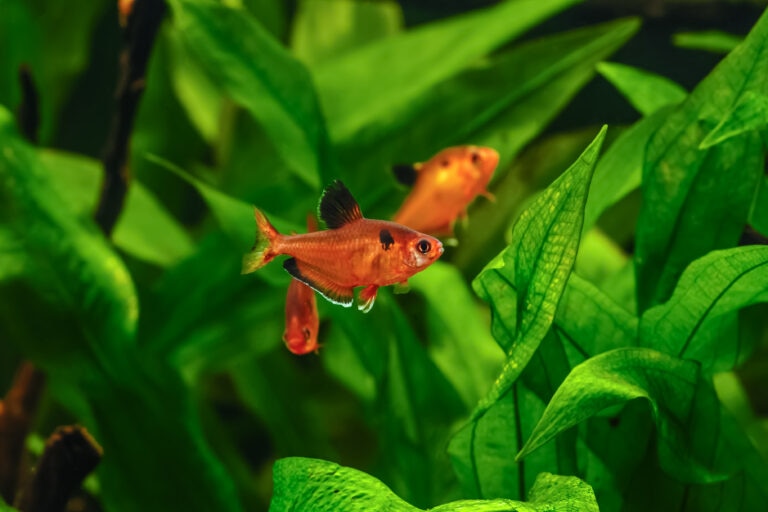
Credit: www.chewy.com
Common Feeding Mistakes To Avoid
Feeding ornamental freshwater fish can be simple if you avoid key mistakes. Many hobbyists feed their fish wrong types of food or at bad times. These errors can harm fish health and water quality.
Learn about common feeding mistakes. Fixing them helps keep your fish healthy and your aquarium clear.
Using Improper Food Types
Not all fish eat the same food. Giving the wrong type can cause poor health or obesity. Some foods do not provide needed nutrients for certain species.
- Avoid feeding only flakes to bottom dwellers that need sinking pellets.
- Do not use food made for saltwater fish in freshwater tanks.
- Check if your fish need live, frozen, or dry food.
- Use food with balanced protein and vitamins for your fish type.
Ignoring Water Quality
Uneaten food and overfeeding pollute the water. Dirty water stresses fish and causes diseases. Keep the tank clean and watch water parameters.
| Water Issue | Cause | Effect |
| Ammonia Rise | Uneaten food decay | Fish stress and death |
| Algae Growth | Excess nutrients | Cloudy water, low oxygen |
| pH Fluctuation | Waste buildup | Fish illness |
Feeding At Wrong Times
Feeding your fish at irregular or wrong times causes stress and poor digestion. Fish expect a routine and may refuse food if feeding is unpredictable.
Tips for good feeding times:
- Feed fish once or twice a day at the same time.
- Do not feed just before lights go off.
- Observe fish behavior to adjust feeding schedule.
- Remove uneaten food after 5 minutes.
Supplementing Diet With Natural Foods
Feeding ornamental fish with natural foods can enhance their health and color. It is important to provide a varied diet to meet all nutritional needs.
Incorporating natural foods into their diet supports growth and vitality. Here are some natural options to consider for your freshwater species.
Aquatic Plants And Algae
Many freshwater fish enjoy nibbling on aquatic plants and algae. These are a great source of fiber and essential nutrients.
- Duckweed is rich in protein and easy for fish to digest.
- Java moss provides a natural habitat and is edible.
- Spirulina is high in vitamins and enhances fish coloration.
Insects And Worms
Insects and worms are excellent protein sources. They mimic the fish’s natural diet in the wild.
| Insect/Worm | Benefits |
| Bloodworms | High in iron and protein |
| Daphnia | Good for digestion |
| Brine shrimp | Rich in omega-3 fatty acids |
Homemade Fish Food Recipes
Creating homemade fish food allows you to control the ingredients and quality. It can be a cost-effective and fun way to feed your fish.

Credit: splashyfishstore.com
Monitoring Fish Health Through Diet
Feeding ornamental freshwater fish is key to their health. The right diet helps fish grow strong and stay active.
Watching how fish eat and behave shows if they are healthy. Changes can point to diet problems or illness.
Signs Of Nutritional Deficiency
Fish with poor nutrition may lose color or grow slowly. Their fins can look torn or faded.
They may also have weak immune systems and get sick more often. Watch for these signs to act fast.
- Faded or dull colors
- Slow or stunted growth
- Frayed or torn fins
- Frequent illness or infections
- Loss of appetite
Behavioral Changes Related To Feeding
Healthy fish eat regularly and swim actively. Changes in feeding habits can signal health issues.
Fish that hide or ignore food may feel stressed or sick. Watch their behavior closely during feeding times.
- Refusing food or eating less
- Hiding or staying at the tank bottom
- Slow or erratic swimming
- Increased aggression during feeding
Adjusting Diet Based On Fish Condition
Change fish food if they show health problems. Use balanced diets with proteins, vitamins, and minerals.
Feed smaller amounts more often to avoid overfeeding. Some fish need special foods when sick or weak.
- Increase protein for growth and repair
- Add vitamins to boost immunity
- Use high-quality flakes or pellets
- Feed live or frozen foods if needed
- Reduce feeding if fish seem inactive
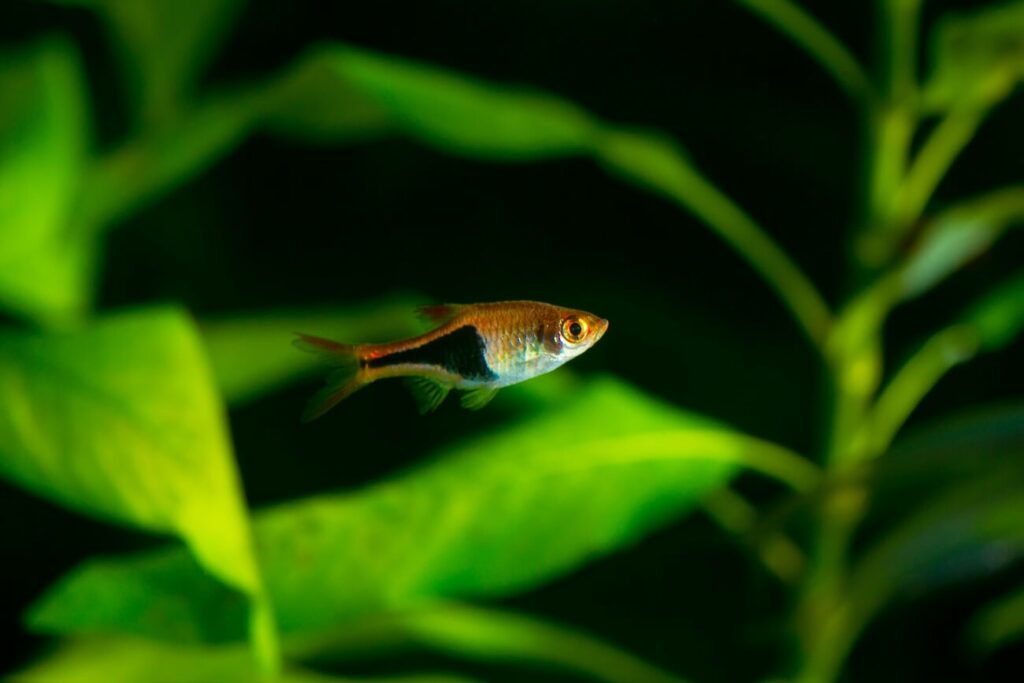
Credit: www.aquariumsource.com
Frequently Asked Questions
What Is The Best Diet For Freshwater Ornamental Fish?
Freshwater ornamental fish thrive on a balanced diet of flakes, pellets, and live or frozen foods. Variety ensures they get essential nutrients. Feeding small portions 2-3 times daily supports healthy growth and vibrant colors.
How Often Should I Feed My Freshwater Ornamental Fish?
Feed your freshwater fish 2-3 times daily with small portions. Overfeeding can cause water pollution and health problems. Remove uneaten food after 5 minutes to keep the tank clean and fish healthy.
Can I Feed Ornamental Fish Only Flakes Or Pellets?
Flakes and pellets provide essential nutrition but lack variety. Supplementing with live or frozen foods improves fish health and color. A mixed diet mimics their natural feeding habits and boosts immunity.
What Foods Should I Avoid For Freshwater Fish?
Avoid feeding bread, processed human food, or oily items. These can cause digestive issues and pollute aquarium water. Stick to fish-specific foods for optimal health and water quality.
Conclusion
Feeding ornamental freshwater fish needs care and attention. Choose the right food for each species. Feed small amounts to avoid waste and keep water clean. Watch your fish’s behavior to spot any problems early. A healthy diet helps fish grow strong and show bright colors.
Consistent feeding routines make fish feel safe and happy. Keep learning about your fish’s needs as they can change. Good feeding habits lead to a beautiful, thriving aquarium. Simple steps bring great results. Enjoy watching your fish live well!