
If you want your ornamental fish to shine with bright, vivid colors, what you feed them plays a bigger role than you might think. The right diet can make your fish look healthier, more vibrant, and truly stunning to watch.
But how do you choose the best food to boost their natural colors? You’ll discover simple tips and expert advice that will help your fish glow with life, making your aquarium a breathtaking centerpiece. Keep reading to learn how to feed your ornamental fish for maximum color vibrancy—you won’t want to miss these easy, effective tricks!

Credit: jungleaquatics.com
Choosing The Right Diet
Feeding ornamental fish the correct diet helps keep their colors bright and vibrant. Different types of food offer various nutrients that impact fish health and appearance.
Understanding what to feed your fish is important to maintain their natural beauty. This guide explains food types, natural versus commercial options, and special color-boosting foods.
Types Of Fish Food
Ornamental fish eat many types of food. These include flakes, pellets, frozen, and live foods. Each type offers unique benefits for color and health.
- Flakes:Easy to feed and good for many fish species.
- Pellets:Less messy and often contain more nutrients.
- Frozen foods:Provide natural proteins and fats.
- Live foods:Stimulate natural hunting behavior and enhance color.
Natural Vs. Commercial Options
Natural foods come from fresh sources like plants and live prey. Commercial foods are made in factories with added vitamins and minerals. Both types support fish health.
| Type | Advantages | Considerations |
| Natural | High in natural nutrients, encourages natural behaviors | May carry parasites, harder to store |
| Commercial | Convenient, balanced nutrition, long shelf life | Some may contain fillers, quality varies |
Specialized Color-enhancing Foods
Color-enhancing foods contain ingredients that boost fish pigments. These often include natural additives like carotenoids and spirulina.
Common ingredients in color-enhancing foods:
- Astaxanthin – gives red and orange tones
- Spirulina – a blue-green algae that enhances blue and green colors
- Beta-carotene – boosts orange and yellow shades
- Krill – rich in natural pigments

Credit: blog.petloverscentre.com
Nutritional Needs For Color
Feeding ornamental fish the right nutrients helps their colors shine. Good nutrition keeps fish healthy and bright.
Different nutrients support color in various ways. Feeding a balanced diet improves their natural beauty.
Essential Vitamins And Minerals
Vitamins and minerals help fish grow strong and show vibrant colors. They support the immune system and skin health.
Vitamin C and E protect fish cells from damage. Minerals like zinc and copper aid color development and repair.
- Vitamin C strengthens the immune system
- Vitamin E acts as an antioxidant
- Zinc supports skin and scale health
- Copper helps pigment formation
Role Of Carotenoids
Carotenoids are natural pigments that create red, orange, and yellow colors in fish. Fish cannot make carotenoids themselves.
Feeding foods rich in carotenoids like shrimp or algae helps fish show bright colors. Carotenoids also support fish health.
- Carotenoids enhance red and orange hues
- They come from natural food sources
- Carotenoids improve fish immune function
- They protect skin from damage
Protein And Fat Balance
Protein builds fish body and color cells. Fat gives energy and helps absorb fat-soluble vitamins.
Balanced protein and fat levels improve color intensity. Too much or too little of either can hurt fish health and color.
- Protein supports cell growth and color pigments
- Fat provides energy and helps vitamin absorption
- Good balance keeps fish healthy and colorful
- Overfeeding fat can cause health problems
Feeding Techniques
Proper feeding keeps ornamental fish healthy and colorful. Good feeding habits improve their natural shine.
Using the right techniques helps fish get enough nutrients without harming the tank environment.
Optimal Feeding Frequency
Feed your fish small amounts two to three times a day. Young fish may need more frequent feeding.
Avoid feeding just once a day or too often. This keeps fish active and supports color vibrancy.
Portion Control
Feed only what fish can eat in five minutes. Too much food causes water pollution and health problems.
- Offer small bites to avoid waste
- Adjust portions by fish size and species
- Remove uneaten food quickly
- Use feeding tools like tweezers or spoons
Avoiding Overfeeding
| Problem | Cause | Effect |
|---|---|---|
| Cloudy water | Too much leftover food | Fish stress and disease |
| Algae growth | Excess nutrients in water | Less oxygen for fish |
| Fish obesity | Overfeeding regularly | Reduced lifespan |
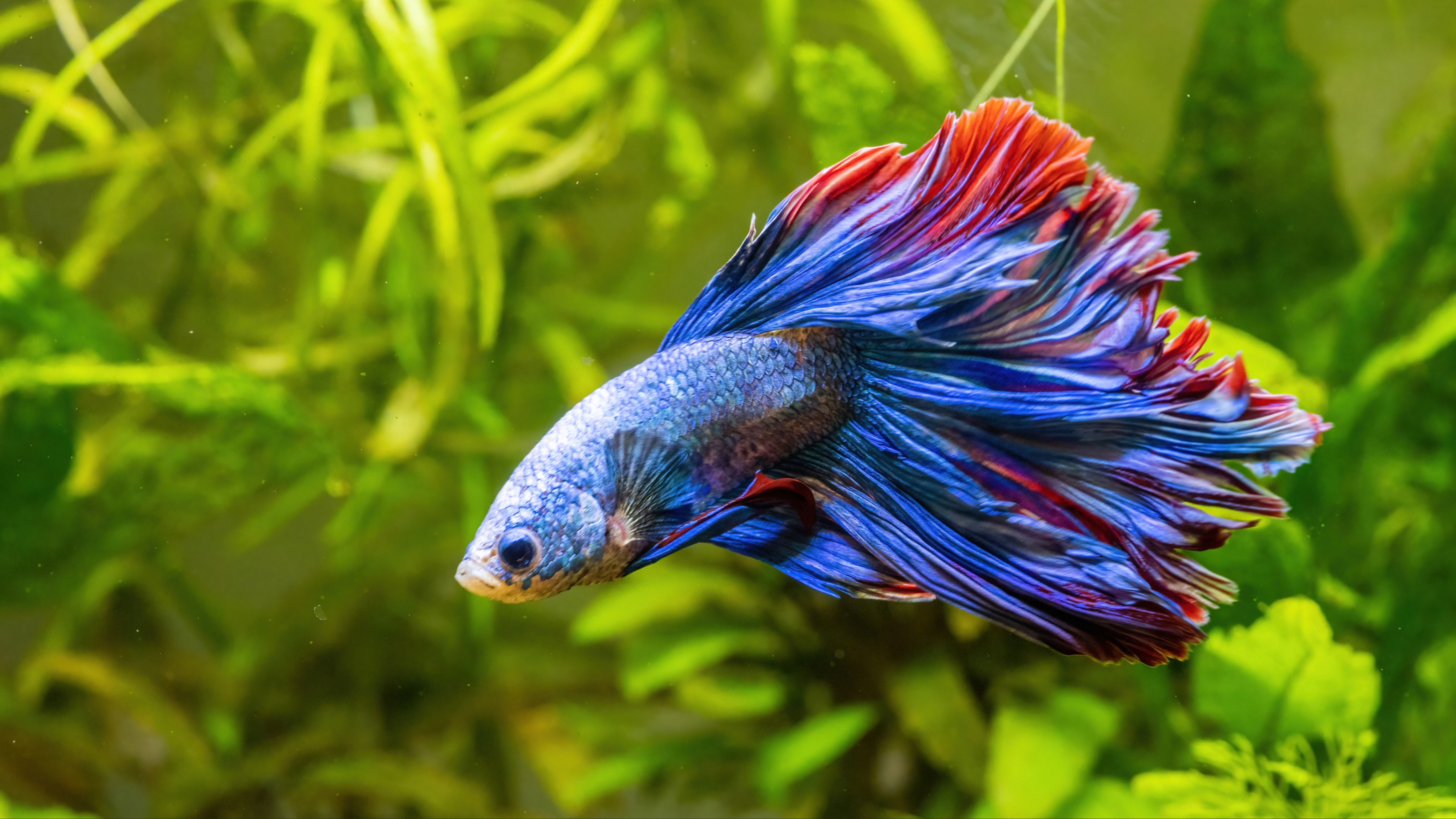
Credit: www.petsradar.com
Supplementing Diets
Feeding ornamental fish the right diet helps keep their colors bright. A balanced diet with supplements improves their natural shine.
Adding special foods and nutrients enhances color vibrancy. These supplements support fish health and make colors stand out.
Using Live And Frozen Foods
Live and frozen foods add variety and nutrients to fish diets. They provide natural pigments that boost color brightness.
Foods like brine shrimp, daphnia, and bloodworms contain carotenoids. These pigments help deepen reds, oranges, and yellows.
- Brine shrimp offer natural color pigments and protein
- Daphnia are rich in carotenoids for brighter scales
- Bloodworms add red pigments and improve health
- Frozen foods keep nutrients fresh and available
Adding Natural Color Enhancers
Natural color enhancers come from plants and algae. They add extra pigments that fish cannot produce on their own.
Ingredients like spirulina, krill, and paprika boost blue and red tones. These improve overall color depth and glow.
- Spirulina contains blue-green pigments to brighten blues
- Krill is rich in carotenoids for red and orange hues
- Paprika powder adds natural red color to fish scales
- Adding these enhancers regularly keeps colors vivid
Vitamin And Mineral Supplements
Vitamins and minerals support fish health and color retention. They help fish use pigments better and stay strong.
Vitamin C, E, and zinc are important for color and immune health. These supplements reduce stress and keep fish vibrant.
- Vitamin C helps heal and maintain bright colors
- Vitamin E protects cells and enhances pigment use
- Zinc supports scale growth and color intensity
- Supplements should be given in small, regular amounts
Water Quality And Its Impact
Water quality plays a big role in the health of ornamental fish. Clean water helps fish show their best colors. Poor water can make fish dull and sick.
Understanding how water affects fish color helps you care for your aquarium better. Let’s explore the link between water and color.
Link Between Water And Color
Good water quality keeps fish skin healthy and bright. Fish get their colors from pigments in their skin. Dirty water can damage these pigments.
Clear, balanced water supports the natural shine of fish scales. Water that is too hard or too soft can cause color loss. Regular testing helps catch problems early.
Maintaining Ideal Water Conditions
To keep water perfect for fish, watch these key factors:
- Temperature: Keep water stable between 72°F and 78°F.
- pH Level: Aim for a pH between 6.5 and 7.5 for most species.
- Ammonia and Nitrite: Both should be zero to avoid harm.
- Nitrate: Keep below 20 ppm to reduce stress.
- Regular Water Changes: Change 10-20% weekly to stay clean.
Preventing Stress Through Environment
Stress dims fish colors and hurts their health. A calm environment helps fish stay vibrant.
| Stress Factor | Effect on Fish |
| Overcrowding | Fights and color fading |
| Too Bright Light | Hides colors, causes stress |
| Sudden Temperature Changes | Weakens immune system |
| Poor Water Quality | Fades colors, causes illness |
Common Feeding Mistakes
Feeding ornamental fish can be tricky. Mistakes can affect their color vibrancy. Here are common errors to avoid.
Understanding these mistakes helps keep your fish healthy and colorful.
Feeding Inappropriate Foods
Fish need proper nutrition to stay vibrant. Many people feed them the wrong foods. This affects their colors and health.
Choose foods designed for your fish species. Check labels for ingredients that enhance color.
- Avoid generic fish food
- Do not over-rely on bread or human food
- Check for foods rich in carotenoids
Ignoring Dietary Variety
Fish need a varied diet to thrive. Feeding the same food every day is not good. They miss out on essential nutrients.
Introduce different types of food to their diet. This helps them get all the nutrients they need.
- Include live or frozen foods
- Mix pellets with flakes
- Try vegetable-based foods occasionally
Neglecting Feeding Schedules
Feeding schedules are important for fish health. Some people feed their fish at random times. This can cause stress and color loss.
Stick to a regular schedule. Feed them once or twice a day at the same time.
- Set reminders for feeding times
- Avoid overfeeding, which leads to waste
- Observe fish behavior to adjust the schedule if needed
Monitoring And Adjusting Diet
Feeding ornamental fish is key for their vibrant colors. A balanced diet helps maintain their health and beauty. Observing their diet ensures they receive what they need.
Careful monitoring allows you to adapt their diet for maximum color vibrancy. This involves watching for signs of nutritional deficiencies and tracking color changes.
Signs Of Nutritional Deficiencies
Nutritional deficiencies affect fish health and color. Watch for dull colors or slow growth. These signs mean it’s time to adjust their diet.
- Pale or faded colors
- Slow or stunted growth
- Loss of appetite
- Increased illness or infections
Tracking Color Changes
Color changes can indicate diet effectiveness. Bright, consistent colors show good nutrition. Regular checks help spot any issues early.
| Observation | Possible Cause |
| Bright colors | Balanced diet |
| Faded colors | Nutritional deficiency |
| Spotty colors | Stress or illness |
Adapting Feeding Plans
Adapting feeding plans is crucial for fish health. Base changes on observed signs and ongoing color tracking. Variety in their diet supports vibrant colors.
Frequently Asked Questions
What Foods Enhance Ornamental Fish Color Vibrancy?
Foods rich in carotenoids, spirulina, and natural pigments boost fish colors. Flakes, pellets, and live foods with these ingredients enhance vibrancy effectively.
How Often Should I Feed Ornamental Fish For Color?
Feed ornamental fish small amounts 2-3 times daily. Regular feeding with quality food maintains their health and vibrant colors.
Can Natural Diet Improve Ornamental Fish Colors?
Yes, natural diets with algae, brine shrimp, and bloodworms enhance color. These foods provide essential nutrients that support bright pigmentation.
Are Color-enhancing Fish Foods Safe For All Species?
Most color-enhancing foods are safe for common ornamental fish. Always check specific dietary needs and avoid overfeeding to prevent health issues.
Conclusion
Feeding ornamental fish the right foods boosts their natural colors. Fresh, nutritious meals help fish stay healthy and bright. Avoid overfeeding to keep water clean and fish happy. Variety in diet supports strong color and good growth. Regular feeding routines create a lively, colorful aquarium.
Small changes in diet make a big difference over time. Keep watching your fish’s colors shine day by day. Simple care leads to vibrant, beautiful fish you enjoy.