
If you keep coldwater ornamental fish, you know that feeding them right is key to their health and happiness. But do you really know what your fish need to thrive?
Feeding coldwater species isn’t just about tossing in any flakes or pellets. Your fish have unique dietary needs that, when met properly, can bring out their best colors and lively behavior. You’ll discover simple yet powerful tips to feed your coldwater fish the way they deserve.
Ready to see your aquarium come alive like never before? Let’s dive in!
:strip_icc()/GettyImages-98193530-58406d853df78c0230320670.jpg)
Credit: www.thesprucepets.com
Choosing The Right Diet
Feeding coldwater ornamental fish needs special care. Their diet affects their health and activity.
Choosing the right food helps your fish grow strong and stay colorful. It also keeps the tank clean.
Types Of Coldwater Fish Foods
Coldwater fish eat different foods than tropical fish. They need food that works well in cooler water.
- Flake foods designed for coldwater fish
- Pellets that sink slowly in the water
- Frozen or live foods like bloodworms and daphnia
- Vegetable-based foods for herbivorous species
Using a mix of these foods can keep your fish healthy and happy.
Balancing Nutrition Needs
Coldwater fish need protein, fats, and vitamins in their diet. The right balance helps them grow and resist disease.
Young fish need more protein for growth. Adult fish need a balanced diet to keep their colors bright.
- Protein supports muscle and tissue growth
- Fats provide energy for swimming and warmth
- Vitamins keep immune systems strong
Avoiding Overfeeding
Overfeeding can harm coldwater fish and pollute the tank. Feed small amounts that fish can eat in a few minutes.
Remove leftover food quickly to keep water clean. Feed two to three times a day for best results.
- Feed only what fish eat fast
- Watch fish to learn their appetite
- Clean uneaten food from the tank
- Keep feeding consistent but moderate
Feeding Schedules And Frequency
Feeding coldwater ornamental fish needs careful planning. Their digestion and activity depend on water temperature.
Setting the right feeding schedule helps keep fish healthy and active. It also prevents overfeeding and water pollution.
Daily Feeding Routines
Coldwater fish usually eat small amounts several times a day. This matches their slower metabolism and digestion speed.
Feed your fish two to three times daily. Give only what they can eat in 2 to 3 minutes to avoid waste.
- Feed in the morning, midday, and early evening
- Use small portions to prevent leftover food
- Observe fish while feeding to check their response
Adjusting For Seasonal Changes
Fish eat less in colder months because their metabolism slows down. Feeding frequency should decrease in winter.
In warmer months, increase feeding frequency and portion size. This matches their higher energy needs and activity.
- Lower feeding to once daily in cold seasons
- Increase to two or three times in warm seasons
- Watch water temperature to adjust feeding amounts
Signs Of Hunger And Satiety
Fish show hunger by swimming actively near food and opening their mouths. They may also follow your movements.
Satiety is clear when fish stop eating or swim away. Overfed fish may become sluggish or hide more often.
- Hunger: active swimming, quick food response
- Satiety: slow swimming, ignoring food
- Avoid overfeeding to keep fish healthy
Special Feeding Techniques
Feeding coldwater ornamental fish requires care and attention. Special methods help fish eat well and stay healthy.
Using the right techniques makes feeding easier and encourages natural behavior in your fish.
Hand Feeding Methods
Hand feeding allows you to interact with your fish closely. It helps build trust and monitor their health.
- Use small pieces of food your fish like.
- Feed gently from your fingers or a feeding stick.
- Offer food slowly to avoid overfeeding.
- Watch fish eat to ensure all get food.
Using Feeding Rings And Tools
Feeding rings keep food in one place and prevent mess. They work well with flakes or pellets.
| Tool | Purpose | Benefit |
| Feeding Ring | Contain floating food | Reduces waste |
| Feeding Tongs | Deliver food precisely | Controls portion size |
| Feeding Pipette | Drop food in hard spots | Reaches shy fish |
Encouraging Natural Foraging
Encourage fish to find food like they do in the wild. This keeps them active and healthy.
- Hide food in plants or decorations.
- Scatter small bits across the tank bottom.
- Use live or frozen foods that move slowly.
- Change feeding spots daily to stimulate searching.

Credit: blog.petloverscentre.com
Managing Water Quality
Feeding coldwater ornamental fish affects their tank’s water quality. It is important to manage this carefully to keep fish healthy.
Proper feeding routines help maintain good water conditions and prevent problems like algae growth and harmful toxins.
Impact Of Feeding On Water Parameters
Overfeeding can increase ammonia and nitrate levels in the tank. These waste products stress fish and lower oxygen levels.
Uneaten food breaks down and adds to water pollution. Feeding the right amount helps keep these parameters stable.
Preventing Waste Build-up
- Feed small amounts that fish finish quickly
- Remove leftover food after feeding time
- Use sinking pellets to reduce surface waste
- Check fish behavior to avoid overfeeding
Regular Tank Maintenance Tips
| Maintenance Task | Frequency | Purpose |
|---|---|---|
| Partial water change | Weekly | Remove toxins and refresh water |
| Gravel vacuuming | Every 2 weeks | Remove waste and uneaten food |
| Filter cleaning | Monthly | Keep filter efficient and clean |
Addressing Feeding Challenges
Feeding coldwater ornamental fish can be tricky. These fish have special needs that must be met to keep them healthy.
Some fish may refuse food, get sick, or act aggressively during feeding. Understanding these challenges helps you care better for your fish.
Dealing With Picky Eaters
Some coldwater fish may not eat all types of food. They might be picky about texture or flavor.
Try offering a variety of foods like flakes, pellets, and frozen treats. Change the food often but slowly to avoid stress.
- Feed small amounts at a time
- Use live or frozen foods to attract interest
- Observe which foods they like best
- Remove uneaten food to keep water clean
Feeding Sick Or Stressed Fish
Sick or stressed fish often lose their appetite. They need gentle care and special feeding routines.
Offer easily digestible foods like softened pellets or special medicated food. Feed small amounts several times a day.
- Keep water clean and stable
- Feed in a quiet, calm environment
- Do not overfeed to avoid harming fish
- Watch for signs of improvement or worsening
Handling Aggressive Feeding Behavior
Some coldwater fish may fight or chase others during feeding. This can cause injury or stress.
Feed fish in separate areas or use feeding rings to spread food. Feed smaller amounts more often to reduce competition.
- Place food in multiple spots
- Use slow-sinking or floating food types
- Separate very aggressive fish if needed
- Observe fish behavior and adjust feeding
Supplements And Treats
Feeding ornamental fish requires careful attention to their diet. Supplements and treats can enhance their health.
Coldwater species benefit from a balanced diet, including vitamins and occasional treats.
Vitamins And Mineral Additives
Vitamins and minerals keep fish healthy and vibrant. They boost immunity and growth.
- Vitamin C strengthens their immune system.
- Calcium promotes bone development.
- Iron improves oxygen transport in blood.
Occasional Treats For Variety
Treats add excitement to their diet and prevent boredom. They should be given sparingly.
Try adding these treats to their diet:
- Boiled peas for fiber
- Cooked carrots for beta-carotene
- Small pieces of watermelon for hydration
Using Live And Frozen Foods
Live and frozen foods are excellent sources of protein. They mimic natural feeding conditions.
| Food Type | Benefits |
| Live Brine Shrimp | High in protein |
| Frozen Bloodworms | Rich in iron |
| Daphnia | Supports digestion |
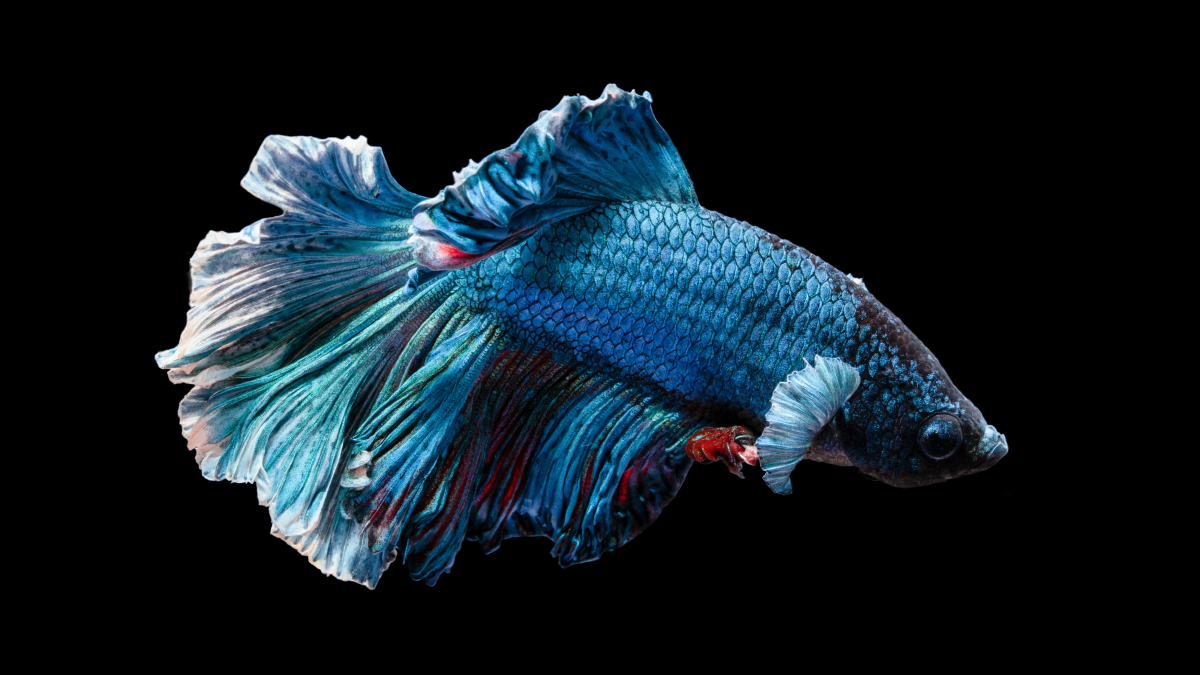
Credit: pethelpful.com
Frequently Asked Questions
What Is The Best Diet For Coldwater Ornamental Fish?
Coldwater ornamental fish thrive on a balanced diet of high-quality flakes, pellets, and occasional live or frozen foods. Include protein-rich options like bloodworms and brine shrimp. Avoid overfeeding to maintain water quality and fish health.
How Often Should I Feed Coldwater Ornamental Fish?
Feed coldwater fish once or twice daily in small amounts they can finish within 2-3 minutes. Overfeeding causes water pollution and health issues. Adjust feeding frequency based on fish activity and water temperature.
Can Coldwater Fish Eat The Same Food Year-round?
Coldwater fish benefit from varied diets year-round. Adjust protein levels seasonally, offering more protein in warmer months and lighter meals during cooler periods. Variety ensures proper nutrition and mimics natural feeding habits.
Are Frozen Foods Good For Coldwater Ornamental Fish?
Yes, frozen foods like bloodworms and daphnia are excellent for coldwater fish. They provide essential nutrients and mimic natural prey. Thaw before feeding to avoid temperature shock and maintain water quality.
Conclusion
Feeding coldwater ornamental fish needs care and attention. Choose foods that match their natural diet. Feed small amounts to avoid waste and keep water clean. Regular feeding helps fish stay healthy and active. Watch your fish to learn their eating habits.
Good feeding supports their growth and color. Keep the tank environment stable for best results. Happy fish make a beautiful aquarium. Simple steps make feeding easy and effective.