
If you want your ornamental fish to live longer and stay vibrant, what you feed them matters more than you might think. Your fish rely on you to provide the right nutrients every day to keep their colors bright and their bodies strong.
Feeding them the wrong way can lead to health problems and dull their beauty. But don’t worry—this guide will show you simple, effective tips to make sure your fish get the best diet for a happy, healthy life. Keep reading to discover how you can become the best caretaker your fish have ever had.
:strip_icc()/Fishfryaquarium-3022525142_b6ed4df393_o-5908e6d85f9b5864708daa8f.jpg)
Credit: www.thesprucepets.com
Choosing The Right Diet
Feeding ornamental fish properly helps keep them healthy and active. Choosing the right diet is key to their adult health.
Adult fish need food that matches their species and lifestyle. Good nutrition supports color, growth, and energy.
Types Of Fish Food
There are several types of fish food to choose from. Each type offers different nutrients and benefits for adult fish.
- Flake food: easy to digest and common for many fish
- Pellets: sink or float, good for bottom or surface feeders
- Frozen or live food: offers natural nutrients and variety
- Vegetable-based food: good for herbivorous fish
Nutritional Needs Of Adult Fish
Adult fish need a balanced diet with protein, fats, and vitamins. Protein helps build strong muscles.
Fats provide energy, while vitamins support the immune system. Different fish have unique needs based on species.
- Protein: supports growth and repair
- Fats: provide energy for daily activity
- Vitamins: maintain health and color
- Fiber: aids digestion
Avoiding Overfeeding
Overfeeding can harm fish health and water quality. Feed only what fish can eat in a few minutes.
Remove leftover food to prevent decay. Too much food causes obesity and poor water conditions.
- Feed small amounts twice daily
- Watch fish eat to know their needs
- Remove excess food after feeding
- Adjust food amount if fish gain weight
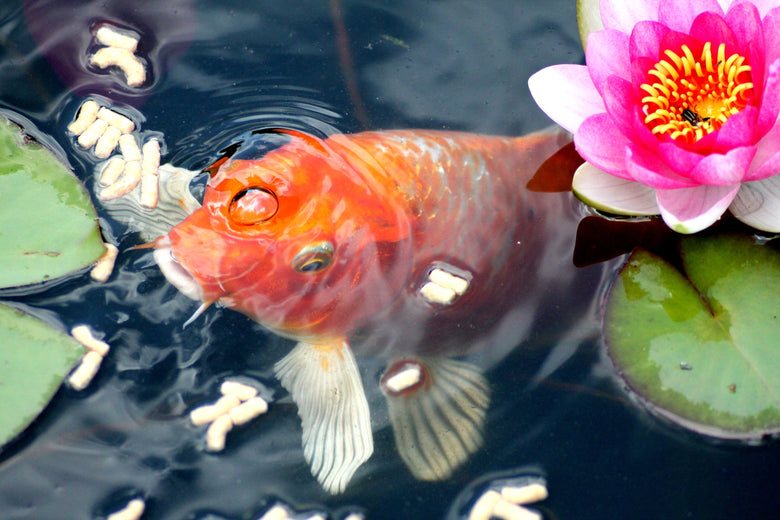
Credit: www.completekoi.com
Feeding Schedules
Feeding ornamental fish properly helps keep them healthy and active. A good schedule makes sure fish get the right nutrients.
Different fish need different feeding times and amounts. Knowing when and how much to feed helps avoid problems.
Optimal Feeding Frequency
Most adult ornamental fish do best when fed once or twice a day. Feeding too often can cause water pollution.
Some species need less frequent feeding, like every other day. Watch your fish to see what works best for them.
- Feed small amounts once or twice daily
- Adjust frequency for slow or fast eaters
- Observe fish behavior after feeding
- Keep consistent feeding times
Portion Control Techniques
Feed only what fish can eat in 2 to 3 minutes. Leftover food can harm water quality and fish health.
Use small feeding tools or measure food to avoid overfeeding. It helps keep fish healthy and water clean.
- Give small portions to prevent waste
- Stop feeding when fish lose interest
- Use a timer or schedule for regular feeding
- Remove uneaten food quickly
Adjusting Diet For Different Species
Different fish species need different types of food and feeding amounts. Carnivores need more protein than herbivores.
Learn about each species’ needs. Change food type and portion size to fit their natural diet.
| Fish Type | Food Type | Feeding Notes |
|---|---|---|
| Carnivores | Protein-rich pellets, live or frozen food | Feed smaller portions more often |
| Herbivores | Vegetable flakes, algae wafers | Feed once or twice daily |
| Omnivores | Mixed pellets, flakes | Balanced diet, moderate portions |
Supplements And Treats
Feeding ornamental fish the right supplements and treats helps keep them healthy. These additions improve their diet beyond basic fish food.
Choosing the right supplements and treats supports growth, color, and immunity in adult fish. Let’s explore when and how to use them.
When To Use Supplements
Supplements help fill nutritional gaps in your fish’s diet. Use them if your fish show signs of stress or poor health. They also help during breeding or after illness.
- When fish lose appetite or color
- During seasonal changes or temperature shifts
- After treatment for parasites or infections
- For breeding pairs to boost egg quality
- If diet lacks variety or fresh ingredients
Safe Treat Options
Treats give fish extra nutrients and keep them interested in food. Use treats carefully to avoid overfeeding or pollution of the tank.
| Treat | Benefits | Feeding Tips |
|---|---|---|
| Frozen bloodworms | High protein, good for growth | Feed 2–3 times a week, small amounts |
| Freeze-dried brine shrimp | Rich in vitamins, easy to store | Use as occasional snack, soak before feeding |
| Vegetable flakes | Good fiber, supports digestion | Mix with regular food, moderate quantity |
| Spirulina tablets | Enhances color, natural antioxidant | Crush and sprinkle over food |
Boosting Immunity Naturally
Natural ways to boost fish immunity reduce disease risk. A healthy tank environment supports their defenses too.
- Feed a balanced diet with variety
- Keep water clean and stable
- Include probiotics or natural herbs in diet
- Avoid sudden changes in temperature or water chemistry
- Offer fresh vegetables like peas or spinach occasionally

Credit: m.youtube.com
Common Feeding Mistakes
<pfeeding adult="" and="" but="" cleanliness./wp:paragraph wp:paragraphWrong feeding can cause poor growth, illness, and water problems. Learn how to avoid these common feeding errors.
/wp:paragraph wp:heading {“level”:3}Recognizing Signs Of Poor Nutrition
/wp:heading wp:paragraphFish show clear signs when their diet lacks nutrients. Watch for changes in color, behavior, and energy.
/wp:paragraph wp:paragraphLook for faded colors, slow swimming, and loss of appetite. These signs mean your fish need better food or feeding habits.
/wp:paragraph wp:list- Faded or dull coloration
- Less active or sluggish movement
- Refusing to eat or eating less
- Weight loss or thin body
- Weakened immune response
Preventing Water Contamination
/wp:heading wp:paragraphOverfeeding is the main cause of dirty water. Uneaten food breaks down and pollutes the tank.
/wp:paragraph wp:paragraphFeed small amounts that fish can eat in a few minutes. Remove leftover food to keep water clean and fish healthy.
/wp:paragraph wp:list- Feed only what fish eat quickly
- Use feeding rings to control food spread
- Clean uneaten food promptly
- Test water regularly for ammonia and nitrites
Handling Food Storage Properly
/wp:heading wp:paragraphImproper food storage lowers nutrition and can cause fish illness. Keep food fresh and dry.
/wp:paragraph wp:paragraphStore fish food in airtight containers. Avoid moisture, heat, and sunlight to preserve vitamins and prevent mold.
/wp:paragraph wp:list- Use airtight containers for all food
- Store in a cool, dark place
- Check expiration dates regularly
- Do not mix new food with old batches
Enhancing Fish Color And Vitality
Feeding ornamental fish the right foods helps keep their colors bright. Good nutrition also supports their overall health and energy.
Healthy fish show vibrant colors and active behavior. Feeding them well is key to a lively aquarium.
Foods That Promote Vibrant Colors
Certain foods contain pigments that make fish colors stronger. Natural ingredients like carotenoids are very effective.
Foods rich in vitamins and minerals also improve color and shine. A varied diet helps fish look their best.
- Carotenoid-rich foods like krill and shrimp
- Spirulina and algae for green and blue hues
- Vegetables like spinach and peas for natural pigments
- High-quality flakes and pellets with added color enhancers
Maintaining Healthy Scales And Fins
Healthy scales and fins protect fish from infections and injuries. Proper feeding strengthens these parts of the fish.
Foods with vitamins A, C, and E help repair and grow scales and fins. Protein supports muscle and tissue health.
- Vitamin-rich foods like bloodworms and daphnia
- Protein sources such as brine shrimp and insect larvae
- Supplements with vitamins and minerals if needed
Role Of Environment In Fish Health
Clean water and proper tank conditions improve fish health and color. Stress from poor environment dulls their appearance.
Regular water changes and stable temperature help fish digest food well. Good environment supports their immune system.
- Keep water clean with filters and changes
- Maintain correct temperature for your fish species
- Avoid overcrowding to reduce stress
- Use plants and decorations to create hiding spots
Frequently Asked Questions
How Often Should I Feed Adult Ornamental Fish?
Feed adult ornamental fish once or twice daily. Provide only what they can eat within 2-3 minutes. Avoid overfeeding to prevent water pollution and health issues.
What Is The Best Diet For Adult Ornamental Fish?
A balanced diet with high-quality flakes, pellets, and occasional live or frozen foods is ideal. Include nutrients like protein, vitamins, and minerals for healthy growth.
Can Feeding Affect Ornamental Fish Lifespan?
Yes, proper feeding boosts immunity and vitality, extending lifespan. Poor diet leads to disease and stress, reducing life expectancy significantly.
Should I Vary Food Types For Ornamental Fish?
Yes, varying food types prevents nutrient deficiencies and boredom. Rotate flakes, pellets, and live foods weekly to maintain optimal health.
Conclusion
Feeding ornamental fish well keeps them strong and healthy. Choose the right food for their species and size. Feed small amounts often to avoid waste and water problems. Fresh, varied diets help fish grow and stay colorful. Clean water and proper care support good feeding habits.
Watch your fish daily to spot any health changes early. Healthy fish bring joy and beauty to your tank. Careful feeding makes a big difference in their lives. Simple steps lead to vibrant, happy ornamental fish.