
Are you looking to make your fish’s colors shine brighter and more vibrant? Feeding plays a huge role in how your fish look and feel.
The right diet can bring out stunning hues you never thought possible, turning your aquarium into a living masterpiece. Imagine watching your fish glow with rich reds, blues, and yellows every day. You’ll discover simple, effective feeding tips that boost your fish’s natural colors.
Keep reading, and learn how to transform your tank into a dazzling display of life and color!
Benefits Of Color-enhancing Diets
Feeding fish with color-enhancing diets helps improve their natural colors. Bright colors make fish look healthier and more attractive. These diets contain special nutrients that support color growth.
Many fish keepers use these diets to keep their pets vibrant. The benefits go beyond looks and include better fish health and behavior.
Improved Natural Pigmentation
Color-enhancing diets include ingredients like carotenoids and astaxanthin. These nutrients help fish develop bright red, orange, and yellow shades. Natural pigmentation improves without using artificial dyes.
Better Fish Health
These diets support immune health and reduce stress. Healthy fish show brighter colors and live longer. Proper nutrition strengthens their scales and fins.
Enhanced Behavior And Activity
Fish fed with color-enhancing diets tend to be more active and display natural behaviors. Bright colors can boost mating displays and social interactions in community tanks.
Key Nutrients In Color-enhancing Diets
- Carotenoids: Boost red and orange pigments
- Astaxanthin: Protects cells and brightens colors
- Lycopene: Enhances red and pink shades
- Vitamin A: Supports skin and scale health
- Omega-3 Fatty Acids: Improve overall vitality
Comparison Of Color-enhancing Ingredients
| Ingredient | Primary Benefit | Common Sources |
| Carotenoids | Enhance red and orange colors | Algae, shrimp, krill |
| Astaxanthin | Protects cells and boosts color | Microalgae, crustaceans |
| Lycopene | Improves red and pink hues | Tomatoes, red peppers |
| Vitamin A | Supports skin health | Fish liver oils, plants |
| Omega-3 Fatty Acids | Boost vitality and health | Fish oils, flaxseed |
Key Nutrients For Vibrant Fish Colors
Feeding fish the right nutrients helps their colors stay bright and healthy. Good nutrition supports their natural beauty.
Different nutrients play special roles in making fish look colorful and strong. Knowing these helps you feed fish better.
Role Of Carotenoids
Carotenoids are pigments that give fish red, orange, and yellow colors. Fish cannot make carotenoids themselves.
Fish get carotenoids from their food. These pigments help bright colors show up clearly on their scales.
- Carotenoids come from plants or algae in fish food
- Astaxanthin is a common carotenoid used for red and pink shades
- Feeding carotenoids improves color intensity and fish health
Importance Of Proteins
Proteins help fish grow strong muscles and healthy skin. Healthy skin shows colors better.
High-quality proteins contain amino acids needed for pigment production. This keeps colors rich and clear.
- Proteins support scale and fin health
- Amino acids help pigment cells function well
- Feed fish proteins from fish meal or plant sources
Vitamins And Minerals
Vitamins and minerals help fish stay healthy and resist stress. Healthy fish keep their bright colors longer.
Vitamin A, C, and E support skin and scale health. Minerals like zinc and copper aid pigment formation.
- Vitamin A helps skin repair and growth
- Vitamin C strengthens immune system
- Vitamin E protects cells from damage
- Zinc and copper support pigment production
Top Natural Ingredients To Include
Feeding fish with natural ingredients can improve their colors. Bright colors make fish more attractive and healthy. Using the right foods helps fish show their best shades.
This guide shares the best natural ingredients for fish color enhancement. These foods add nutrients that boost the color pigments in fish.
Spirulina And Algae
Spirulina is a blue-green algae rich in pigments called carotenoids. These pigments help deepen red, orange, and yellow colors in fish.
- Contains natural antioxidants
- Supports immune health
- Enhances vivid color tones
- Easy to digest for most fish
Shrimp And Krill
Shrimp and krill are rich in astaxanthin, a pigment that strengthens red and pink colors in fish. These ingredients add natural color without artificial dyes.
| Ingredient | Main Color Pigment | Benefit |
| Shrimp | Astaxanthin | Brightens red and orange shades |
| Krill | Astaxanthin | Improves pink and red tones |
Vegetables And Fruits
Vegetables and fruits add vitamins and carotenoids that support color growth. Leafy greens and orange fruits are especially good for enhancing fish colors.
Here are some popular vegetables and fruits to feed fish:
- Carrots – rich in beta-carotene for orange colors
- Spinach – contains chlorophyll for green shades
- Peas – help with digestion and color retention
- Blueberries – antioxidants support vibrant colors
Best Commercial Foods For Color Boosting
Feeding fish the right food helps improve their colors. Bright colors make fish look healthy and lively.
Many commercial foods contain ingredients that boost fish color. Choosing the right type is important.
Pellets And Flakes
Pellets and flakes are common fish foods. They often have natural color enhancers like spirulina and carotenoids.
These foods are easy to feed and suit most fish types. Flakes float on top, pellets sink or float depending on type.
- Spirulina supports red and green colors
- Carotenoids boost orange and yellow shades
- Astaxanthin enhances red and pink tones
- High-quality pellets keep colors vibrant
Freeze-dried Options
Freeze-dried foods keep nutrients and colors intact. They often contain shrimp or krill, rich in natural pigments.
These options add variety to fish diets and help color show better. They are a good supplement to pellets and flakes.
- Freeze-dried shrimp adds red pigments
- Krill supports vibrant orange colors
- Freeze-dried bloodworms boost red and pink hues
- Easy to store and feed
Specialty Color-enhancing Formulas
Specialty formulas focus on color boost ingredients. They contain extra carotenoids and natural pigments for vivid colors.
These foods are designed for fish with bright patterns. Use them regularly to keep colors strong and clear.
- High levels of astaxanthin for red and pink
- Natural color enhancers like marigold petals
- Balanced nutrition for healthy color growth
- Formulated for tropical and ornamental fish
Feeding Techniques For Optimal Color
Feeding fish the right way helps bring out their bright colors. Proper feeding keeps them healthy and vibrant.
Different methods affect how well fish show their natural colors. Use good feeding habits to get the best results.
Feeding Frequency And Portions
Feed fish small amounts two to three times daily. This helps them absorb nutrients better and stay active.
- Give only what fish can eat in 2-3 minutes
- Divide food into several small meals
- Adjust portions based on fish size and type
- Keep a regular feeding schedule for consistency
Avoiding Overfeeding
Overfeeding causes water pollution and weakens fish. Remove uneaten food quickly to keep water clean.
| Signs of Overfeeding | Effects on Fish |
| Cloudy water | Stress and illness |
| Leftover food | Algae growth |
| Fatty fish | Reduced color brightness |
Maintaining Water Quality
Clean water helps fish show their best colors. Test water often and change it regularly to keep it fresh.
- Check pH and ammonia levels weekly
- Change 10-20% of water every week
- Use filters to remove waste and toxins
- Avoid overcrowding fish in tanks
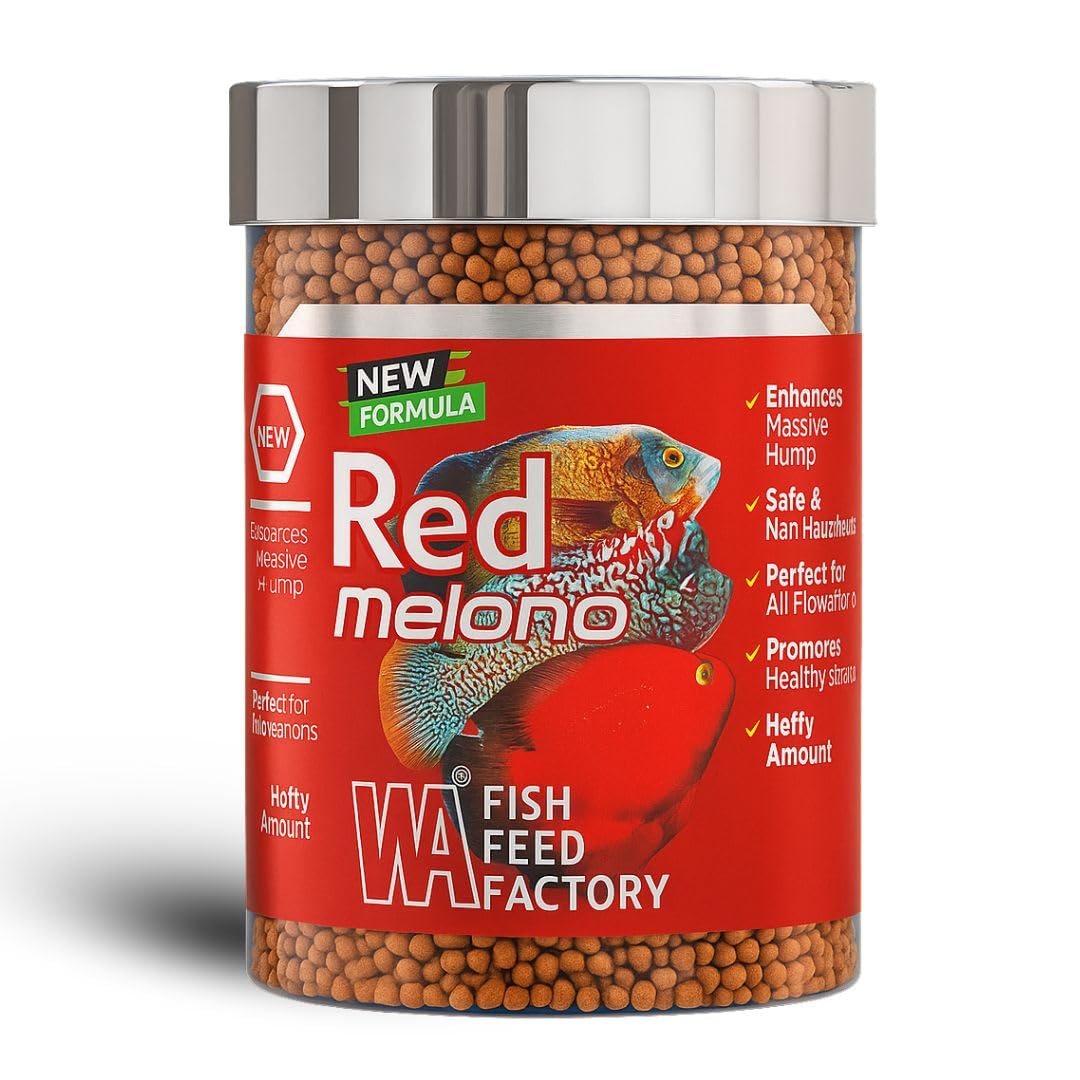
Credit: www.petzlifeworld.in
Common Mistakes To Avoid
Enhancing fish color through feeding requires careful attention. Mistakes can lead to dull colors or health issues.
Understanding common errors helps ensure vibrant and healthy fish. Avoid these pitfalls for better results.
Overfeeding Fish
Giving too much food can harm fish health. It leads to poor water quality and stress.
- Feed small amounts twice a day
- Remove uneaten food after 5 minutes
- Monitor fish weight regularly
Using Low-quality Food
Cheap food lacks nutrients needed for color enhancement. It might also contain harmful additives.
- Choose brands known for quality
- Check ingredient labels for artificial colors
- Opt for foods with natural pigments
Ignoring Dietary Variety
A single type of food does not meet all nutritional needs. Fish require varied diets for full color potential.
| Food Type | Benefits |
| Pellets | Balanced nutrients |
| Frozen food | Rich in proteins |
| Fresh vegetables | Vitamins and minerals |
Not Considering Fish Species Needs
Different fish species have unique dietary needs. What works for one may not work for another.
- Research species-specific diets
- Consult with a fish nutrition expert
- Adapt food based on fish behavior
Neglecting Water Quality
Even with perfect feeding, poor water quality can dull fish colors. Ensure clean and balanced water.
- Perform regular water changes
- Check pH and temperature levels
- Use filters and aerators
Monitoring And Adjusting Diets
Fish color can change with different diets. It’s important to monitor these changes. Adjusting their food helps enhance and maintain vibrant colors.
Understanding the needs of your fish species is crucial. Feeding them the right nutrients can make a big difference in their appearance.
Observing Color Changes
Watch your fish regularly for color changes. This helps you see how their diet affects their appearance.
Take notes on their colors after feeding. This will help you track which foods work best.
- Observe for brighter or duller shades
- Note any patterns or spots
- Check for overall health signs
Adjusting Based On Species
Different fish species need different diets. Adjust their food based on their specific needs.
Some fish need more carotenoids for color. Others may need specific vitamins for their scales.
- Research your fish species
- Provide species-appropriate nutrients
- Consult experts if unsure
Seasonal Feeding Tips
Seasons can affect fish feeding habits. Adjust their diet during different seasons for best results.
In warmer months, fish may eat more. In colder times, they might need less food.
- Increase feeding in spring and summer
- Reduce portions in fall and winter
- Monitor their activity level

Credit: www.petzlifeworld.in

Credit: www.petzlifeworld.in
Frequently Asked Questions
What Foods Enhance Fish Color Naturally?
Foods rich in carotenoids like shrimp, spirulina, and krill enhance fish color naturally. These ingredients boost pigmentation and brightness effectively.
How Often Should I Feed Color-enhancing Fish Food?
Feed color-enhancing food 2-3 times daily in small amounts. Overfeeding can harm fish health and water quality.
Can Supplements Improve Fish Coloration Safely?
Yes, supplements with natural pigments like astaxanthin improve coloration safely. Use recommended dosages to avoid health issues.
Does Diet Affect Fish Color Intensity Permanently?
Consistent diet with color-enhancing foods maintains vibrant fish color. Temporary changes may occur if diet lacks proper nutrients.
Conclusion
Feeding fish the right foods helps them show bright colors. Natural ingredients like spirulina and carotenoids boost their beauty. Clean water and good care also keep colors strong. Small changes in diet make a big difference. Healthy, colorful fish look happy and live longer.
Try feeding them a variety of color-enhancing foods. Watch their colors grow rich and vibrant over time. Simple steps bring out the best in your fish. Keep feeding smart for beautiful, lively aquarium fish.