
If you want your breeding efforts to truly succeed, what you feed matters more than you might think. The right nutrition can boost health, improve fertility, and set the stage for strong, healthy offspring.
But how do you know what to provide? You’ll discover simple, effective feeding strategies that can make a real difference in your breeding results. Keep reading to unlock the secrets that will help you achieve the success you’re aiming for.

Credit: www.agproud.com
Nutritional Needs For Breeding
Proper nutrition plays a key role in breeding success. Good food supports reproductive health and fertility.
Animals need balanced diets to improve chances of healthy offspring. Nutrition affects hormones and energy.
Key Nutrients For Reproductive Health
Protein supports cell growth and hormone production needed for breeding. Healthy fats help with hormone balance.
Vitamins and minerals also play important roles in keeping reproductive systems strong and working well.
- Protein: Builds tissues and enzymes
- Fats: Hormone production and energy
- Vitamins: Support cell function and repair
- Minerals: Help with fertility and development
Balancing Macronutrients
Breeding animals need the right balance of proteins, fats, and carbohydrates. Each macronutrient has a special role.
Too much or too little of one can cause problems with fertility or energy levels during breeding.
- Proteins provide building blocks for tissues
- Fats supply energy and help hormone function
- Carbohydrates offer quick energy for activity
Micronutrients That Boost Fertility
Micronutrients like vitamins and minerals help protect cells and support reproductive organs. They improve fertility chances.
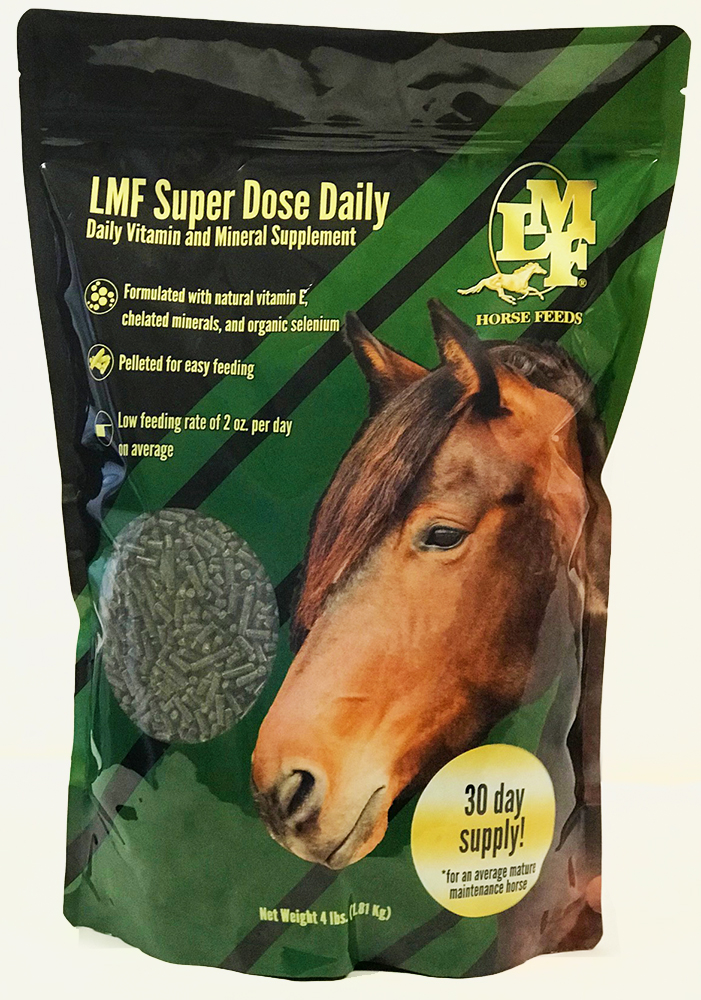
Important micronutrients include zinc, selenium, vitamin E, and folic acid. These help with hormone balance and healthy eggs or sperm.
| Micronutrient | Role in Fertility |
|---|---|
| Zinc | Supports hormone production and sperm health |
| Selenium | Protects cells from damage |
| Vitamin E | Improves egg quality and hormone balance |
| Folic Acid | Helps with cell division and embryo development |
Credit: lmffeeds.com
Feeding Strategies Before Breeding
Feeding the body well before breeding helps improve chances of conception. Good nutrition supports health and fertility. A balanced diet prepares the body to carry new life.
Planning meals and supplements can boost energy and nutrient levels. Knowing what and when to feed is key for breeding success.
Preparing The Body For Conception
The body needs enough energy and nutrients for conception. Focus on foods rich in protein, vitamins, and minerals. Avoid excess fat and sugar.
- Include lean meats or plant-based proteins
- Eat plenty of fresh fruits and vegetables
- Choose whole grains over processed carbs
- Drink plenty of clean water daily
Timing And Frequency Of Meals
Feed at regular times each day to keep energy steady. Small, frequent meals help maintain blood sugar levels. Avoid large meals that cause fatigue.
| Meal Time | Recommended Frequency | Portion Size |
| Morning | Once | Medium |
| Afternoon | Once | Small |
| Evening | Once | Medium |
Supplements To Consider
Some supplements may support fertility and overall health. Consult a vet or nutritionist before adding supplements. Quality and dosage matter.
- Omega-3 fatty acids for cell health
- Folic acid for reproductive support
- Vitamin E as an antioxidant
- Zinc for hormone balance
Diet Adjustments During Pregnancy
Feeding during pregnancy requires changes to support both mother and baby. Proper diet helps healthy growth and reduces risks.
Adjusting meals and choosing the right foods is important. This guide covers key diet changes for pregnancy.
Caloric Requirements And Meal Planning
Pregnant individuals need more calories to fuel growth. The increase depends on pregnancy stage and body needs.
- First trimester: Calories stay close to normal levels.
- Second trimester: Add about 340 extra calories daily.
- Third trimester: Increase intake by around 450 calories daily.
Plan meals with balanced nutrients including proteins, fats, and carbohydrates. Small frequent meals can help with nausea.
Foods To Avoid
Some foods can harm the baby or cause illness during pregnancy. Avoid these for safety.
- Raw or undercooked seafood and eggs
- Unpasteurized dairy products
- Processed meats like hot dogs and deli slices
- High-mercury fish such as shark, swordfish, and king mackerel
- Excess caffeine and alcohol
Hydration Importance
Water supports blood volume and helps prevent constipation. Staying hydrated is key during pregnancy.
| Fluid | Suggested Daily Amount |
| Water | 8-10 cups |
| Milk | 2-3 cups |
| Natural fruit juices | 1 cup |
| Herbal teas (caffeine-free) | 1-2 cups |
Post-breeding Nutrition
Good nutrition after breeding helps animals recover well. It supports their health and prepares them for the next stages.
Proper feeding after breeding gives energy and nutrients for healing and milk production.
Supporting Recovery And Lactation
Animals need extra nutrients to heal after breeding. Feeding high-quality proteins and vitamins helps tissue repair.
Good nutrition also starts the milk-making process. Calcium and energy-rich foods support early lactation.
- Provide balanced protein sources
- Include vitamin-rich fruits and vegetables
- Offer clean water at all times
- Monitor body condition regularly
Enhancing Milk Production
To increase milk output, animals need energy and minerals. Feeding enough carbohydrates fuels milk synthesis.
Minerals like calcium and phosphorus improve milk quality and quantity. Adding fiber helps digestion and nutrient use.
- Feed energy-rich grains or feeds
- Ensure adequate calcium and phosphorus levels
- Include fiber sources like hay or silage
- Keep feeding consistent and frequent
Gradual Transition To Regular Diet
Switching back to a normal diet should be slow. Sudden changes can upset the animal’s digestion.
Gradually reduce special lactation feeds while adding regular feed. Watch for signs of discomfort or poor digestion.
- Mix small amounts of regular feed with lactation diet
- Increase regular feed amount over 1-2 weeks
- Observe animal behavior and stool quality
- Adjust feed based on animal’s health and needs
Common Feeding Mistakes
Feeding animals correctly is key to breeding success. Many breeders make simple mistakes that hurt health and growth. Avoiding these errors helps animals thrive.
Understanding the right amounts and types of food is important. Each animal has unique needs that must be met for good results.
Overfeeding And Underfeeding
Giving too much food causes obesity and illness. Feeding too little leads to weakness and low fertility. Both harm breeding success.
- Overfeeding can cause fat buildup and joint problems.
- Underfeeding makes animals lack energy for reproduction.
- Proper portion sizes support healthy body weight.
- Regularly adjust food amounts as animals grow or breed.
Ignoring Individual Needs
Each animal needs food based on age, size, and health. Feeding all animals the same way can cause problems.
| Animal Type | Feeding Need | Common Mistake |
| Young | Higher protein and calories | Fed adult rations |
| Pregnant | Extra vitamins and minerals | Not increased diet |
| Older | Lower calories, easy digestion | Fed high-energy food |
Using Inappropriate Supplements
Supplements can help but must fit the animal’s needs. Wrong supplements waste money and may harm health.
- Giving too many vitamins at once causes imbalance.
- Using supplements meant for other species.
- Ignoring vet advice when adding supplements.
Monitoring And Adjusting Diet
Feeding animals correctly is key for healthy breeding. A balanced diet supports their growth and reproduction.
Regularly checking their diet helps you make necessary changes for better health.
Tracking Health And Weight
Monitoring weight ensures your animals are getting enough nutrients. It helps in planning their dietary needs.
- Weigh your animals weekly
- Record the weight for trend analysis
- Adjust food portions based on weight changes
Signs Of Nutritional Deficiency
Nutritional deficiencies can harm animals. Recognizing the signs early is important for their well-being.
| Deficiency | Sign |
| Protein | Poor growth |
| Calcium | Weak bones |
| Iron | Pale gums |
When To Consult A Specialist
Sometimes, expert advice is necessary. A specialist can offer guidance on complex dietary issues.
Credit: www.icbf.com
Frequently Asked Questions
What Foods Boost Breeding Success In Animals?
Balanced diets rich in proteins, vitamins, and minerals improve fertility. Omega-3 fatty acids and antioxidants support reproductive health. Fresh, high-quality feed enhances energy levels, aiding successful breeding outcomes.
How Does Nutrition Affect Reproductive Health?
Proper nutrition regulates hormone levels and improves egg and sperm quality. Deficiencies can reduce fertility and cause breeding failures. A nutrient-rich diet strengthens reproductive organs and supports pregnancy.
When Should Feeding Adjustments Start For Breeding?
Start dietary changes 4-6 weeks before breeding. This timeframe helps build nutrient reserves and optimizes reproductive conditions. Early adjustments improve conception rates and offspring health.
Can Supplements Improve Breeding Outcomes?
Yes, targeted supplements like folic acid, zinc, and omega-3s enhance fertility. They correct nutritional gaps and support embryo development. Use supplements under veterinary guidance for best results.
Conclusion
Feeding plays a key role in breeding success. Good nutrition supports strong, healthy offspring. Balanced diets help animals grow and reproduce well. Simple changes in feeding can make a big difference. Careful planning ensures animals get the nutrients they need.
Healthy breeding leads to better survival rates. Focus on quality food and consistent feeding times. Small efforts now bring lasting benefits later. Keep learning and adjusting your feeding approach. Strong animals start with the right food and care.