
If you have active fish swimming around your tank, you know they need more than just any food to stay healthy and vibrant. Feeding for active fish isn’t just about filling their bellies—it’s about giving them the right nutrients to fuel their energy and keep them lively.
You might be wondering how to choose the best food or how often to feed them without overdoing it. Keep reading, because understanding the right feeding habits can transform your fish’s health and bring out their brightest colors. Your fish deserve the best, and this guide will show you exactly how to provide it.
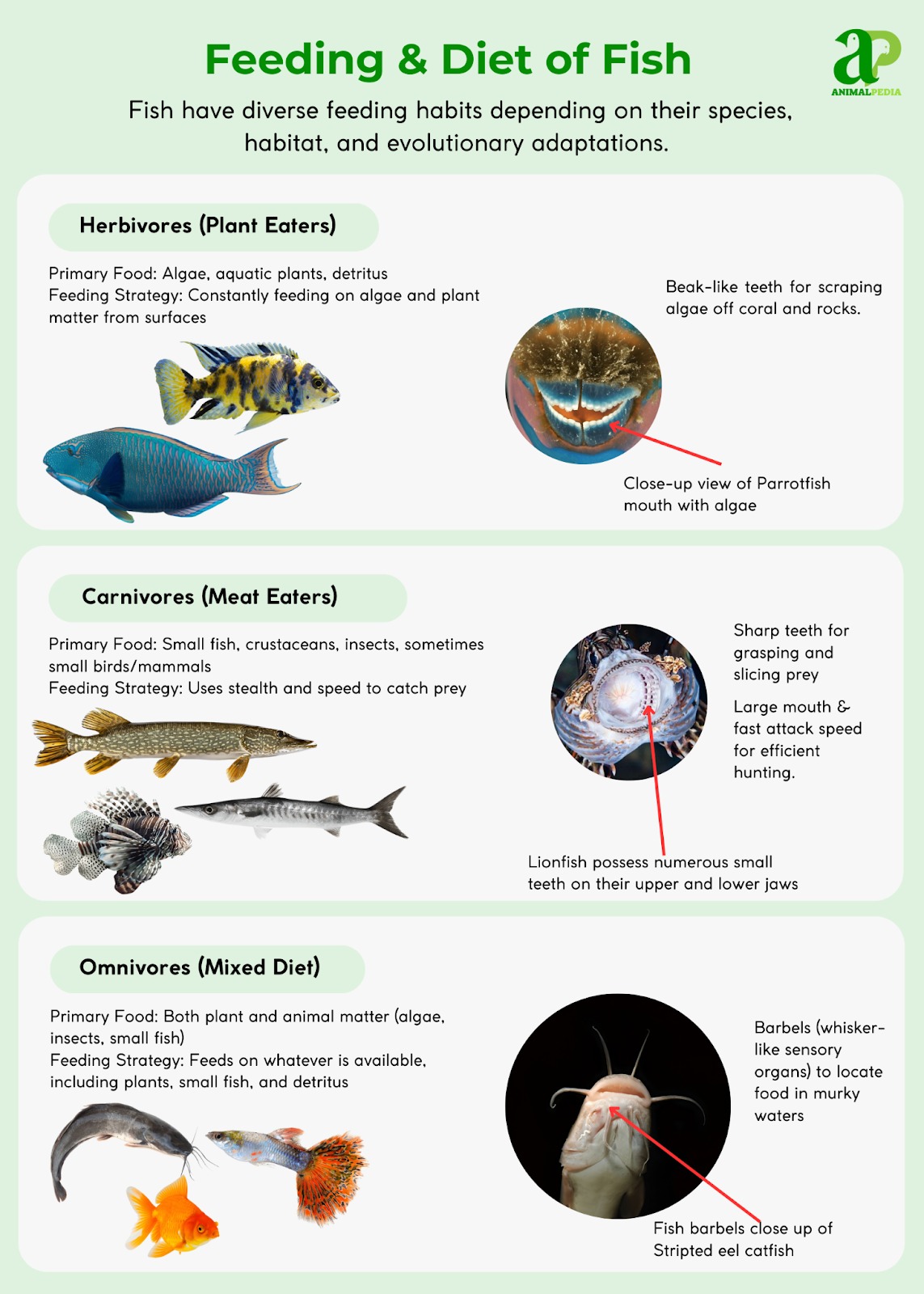
Credit: animal-pedia.org
Nutritional Needs Of Active Fish
Active fish need special nutrition to stay healthy and energetic. Their fast movements use more energy than slow fish.
Feeding them the right food helps maintain their strength and supports growth. Proper nutrition also boosts their immune system.
Essential Nutrients For Energy
Energy is vital for active fish to swim and explore. Carbohydrates, fats, and proteins provide this energy.
Carbohydrates give quick energy, while fats offer long-lasting fuel. Proteins also supply energy and help repair tissues.
- Carbohydrates: fast energy source
- Fats: concentrated energy reserve
- Proteins: energy and tissue repair
Protein And Fat Requirements
Active fish need high protein to build muscles and recover from activity. Protein also supports healthy skin and scales.
Fats are important for energy and help absorb vitamins. Fish oils contain healthy fats that improve brain and heart health.
- Protein: muscle growth and repair
- Fats: energy and vitamin absorption
- Fish oils: support brain and heart
Vitamins And Minerals Importance
Vitamins and minerals keep fish healthy and active. They help with metabolism, bone strength, and immune defense.
Important vitamins include A, C, and D. Minerals like calcium and phosphorus support strong bones and scales.
- Vitamin A: vision and growth
- Vitamin C: immune support
- Vitamin D: bone health
- Calcium and phosphorus: strong bones and scales
Credit: www.chewy.com
Types Of Fish Food
Feeding active fish requires choosing the right food types. Different foods suit different fish species and their activity levels.
Understanding the options helps keep your fish healthy and energetic. This guide explains common fish food types.
Pellets And Flakes
Pellets and flakes are popular dry fish foods. They provide balanced nutrition and are easy to store and use.
- Pellets come in various sizes for different fish species.
- Flakes float on the surface and are great for surface feeders.
- Both types often contain vitamins, minerals, and proteins.
- They help maintain water quality by producing less waste.
Live And Frozen Foods
Live and frozen foods offer natural nutrition for active fish. These foods stimulate hunting and natural behaviors.
| Type | Examples | Benefits |
| Live | Brine shrimp, daphnia, bloodworms | Fresh, high in protein, encourages activity |
| Frozen | Frozen brine shrimp, mosquito larvae, tubifex worms | Convenient, longer shelf life, retains nutrition |
Vegetable-based Options
Vegetable-based foods provide fiber and vitamins for herbivorous and omnivorous fish. They support digestion and color enhancement.
Common vegetable options include:
- Blanched spinach or lettuce leaves
- Peas without skins
- Algae wafers for bottom feeders
These foods add variety and balance to the diet.
Feeding Frequency And Portions
Feeding active fish the right amount at the right times is key to their health. Fish need balanced meals to stay lively and grow well.
Too much or too little food can cause problems. Learn how often to feed and how much food to give your fish.
How Often To Feed
Active fish usually eat small meals several times a day. Young fish need more frequent feedings than adults.
- Feed young fish 3 to 4 times daily
- Feed adult fish 2 to 3 times daily
- Avoid feeding right before bedtime
- Observe fish behavior to adjust frequency
Determining The Right Amount
Give your fish only as much food as they can eat in a few minutes. This keeps the tank clean and fish healthy.
| Fish Age | Feeding Frequency | Portion Size |
| Young | 3-4 times per day | Small amounts per feeding |
| Adult | 2-3 times per day | Moderate amounts per feeding |
| Senior | 1-2 times per day | Smaller portions than adults |
Avoiding Overfeeding
Overfeeding can harm fish and damage water quality. Watch your fish and remove extra food after feeding.
Tips to prevent overfeeding:
- Feed small amounts that fish finish quickly
- Do not leave uneaten food in the tank
- Use a feeding schedule and stick to it
- Check fish weight and health regularly
- Adjust portions if fish seem hungry or bloated
Special Diets For Different Fish
Feeding active fish means understanding their unique dietary needs. Different fish types need special foods to stay healthy and energetic.
Knowing what each fish eats helps you give the right nutrition. This keeps your fish active and growing well.
Carnivorous Fish Diets
Carnivorous fish eat mostly meat. They need proteins from animals to stay strong and active.
Feed them small live or frozen foods like shrimp, worms, or fish flakes rich in protein.
- Bloodworms
- Brine shrimp
- Small insects
- High-protein pellets
Herbivorous Fish Options
Herbivorous fish eat plants and algae. Their diet needs fiber and vitamins from green foods.
Offer fresh vegetables or algae wafers to keep them healthy and active.
- Blanched spinach or lettuce
- Algae sheets
- Vegetable pellets
- Spirulina flakes
Omnivorous Fish Feeding Tips
Omnivorous fish eat both plants and animals. Their diet should include proteins and greens.
Feed a mix of flakes, pellets, vegetables, and occasional live food for balanced nutrition.
- Mixed flakes or pellets
- Vegetable pieces
- Freeze-dried bloodworms
- Brine shrimp
Boosting Fish Health Through Diet
Feeding active fish the right foods helps keep them healthy and strong. A good diet supports their growth and energy.
Choosing balanced meals can improve their health and prevent many problems. Fish need different nutrients to stay active.
Immune System Support
Fish need good nutrition to fight off diseases. Foods rich in vitamins and minerals help their immune system work well.
Adding natural ingredients like garlic or spirulina can boost their resistance to infections. A strong immune system means fewer health issues.
- Vitamin C helps heal wounds and fight germs
- Zinc supports cell repair and immunity
- Probiotics improve gut health and defense
Enhancing Color And Vitality
Bright colors show healthy fish. Certain foods improve their skin and scales’ color and shine.
Carotenoids and natural pigments in their diet give vivid and lively colors. These also help fish stay energetic.
- Astaxanthin boosts red and orange tones
- Spirulina adds green and blue hues
- High-quality proteins keep fish active
Preventing Common Nutritional Deficiencies
Fish need a variety of nutrients to avoid health problems. Deficiencies can cause poor growth and weak immune systems.
Feeding a mix of foods ensures fish get all needed vitamins and minerals. Watch for signs like faded color or slow movement.
| Nutrient | Role | Signs of Deficiency |
|---|---|---|
| Vitamin A | Supports eye health and growth | Cloudy eyes, poor growth |
| Vitamin D | Helps calcium absorption | Weak bones, deformities |
| Fatty Acids | Keep skin and fins healthy | Frayed fins, dull scales |
Feeding Tips For Breeding Fish
Breeding fish need special care and attention. Their diet plays a big role in their health and success. Proper feeding ensures healthy parents and strong fry.
Adjusting their diet during breeding can increase spawning success. Let’s explore how to feed breeding fish for the best results.
Diet Adjustments For Spawning
During spawning, fish need more energy. Providing the right food helps them stay healthy. Increase protein in their diet to support energy needs.
Offer live or frozen foods like bloodworms and brine shrimp. These foods boost their energy and encourage spawning activity.
- Bloodworms for protein
- Brine shrimp for energy
- Daphnia to stimulate appetite
Nutrient-rich Foods For Fry
Fry need special food to grow strong and healthy. They require small, nutrient-rich meals. Use finely ground or liquid fry food to meet their needs.
Infusoria and baby brine shrimp are excellent choices. These foods are small enough for fry to eat and provide essential nutrients.
- Infusoria for tiny fry
- Baby brine shrimp for growth
- Liquid fry food for easy feeding
Feeding Frequency During Breeding
Feeding frequency changes during breeding. Breeding fish need more frequent meals. This helps maintain their energy levels.
Feed small amounts multiple times a day. This prevents overfeeding and ensures fish get enough nutrients.
- Feed 3-4 times daily
- Small portions to avoid waste
- Observe fish to adjust feeding
Common Feeding Mistakes To Avoid
Feeding active fish the right way is important. Many people make mistakes that can harm their fish. Knowing what to avoid helps keep your fish healthy and happy.
Let’s explore some common feeding mistakes and learn how to prevent them.
Overfeeding Consequences
Overfeeding fish is a common mistake. It can cause many problems in your aquarium.
Too much food leads to dirty water and sick fish. Fish produce more waste, which affects water quality.
- Dirty water can harm fish health
- Extra food can rot and pollute the tank
- Fish can become overweight and lazy
Using Low-quality Foods
Feeding fish low-quality food is a mistake. Cheap food lacks nutrients that fish need.
Poor-quality food can weaken fish and make them sick. Always choose high-quality food for your fish.
- Low nutrients affect fish growth
- Fish become more prone to diseases
- Quality food supports vibrant colors and energy
Ignoring Species-specific Needs
Different fish species have different needs. Ignoring these needs is a big mistake.
Learn what each species needs to stay healthy. Some fish need special diets to thrive.
- Research your fish’s natural diet
- Provide food that matches their needs
- Observe how your fish respond to their diet

Credit: www.pond-planet.co.uk
Monitoring And Adjusting Diet
Feeding active fish requires careful attention to their diet. Watching their behavior helps in knowing if they get the right food and amount.
Adjusting their diet keeps fish healthy and energetic. Changes in food types and amounts support their activity levels.
Observing Fish Behavior
Look at how your fish act during feeding time. Fish that eat eagerly are usually well-fed. If they seem slow or avoid food, they might need diet changes.
- Note if fish come quickly to food
- Watch for signs of stress or lethargy
- Check if all fish get a chance to eat
- Observe leftover food after feeding
Adapting Food Types And Amounts
Different fish need different foods. Change food types based on species and activity. Adjust amounts to avoid overfeeding or hunger.
| Fish Type | Preferred Food | Feeding Amount |
|---|---|---|
| Small Active Fish | Flakes, small pellets | 2-3 times daily, small portions |
| Bottom Feeders | Sinking pellets, algae wafers | Once or twice daily, moderate portions |
| Large Active Fish | Pellets, frozen foods | Once daily, larger portions |
Seasonal Feeding Variations
Fish eat less in cold months and more in warm months. Adjust feeding frequency and amount to match seasonal changes.
- Feed less often in winter
- Offer lighter food during cold seasons
- Increase feeding in spring and summer
- Watch water temperature for feeding cues
Frequently Asked Questions
What Is The Best Diet For Active Fish?
Active fish need high-protein diets to support their energy levels. Include live, frozen, or pellet foods rich in protein. Avoid overfeeding to maintain water quality and fish health.
How Often Should I Feed Active Fish Daily?
Feed active fish 2 to 3 times a day. Small, frequent meals help maintain energy and prevent overeating. Adjust feeding frequency based on fish species and activity level.
Can I Feed Active Fish Live Food?
Yes, live food is excellent for active fish. It mimics natural hunting behavior and boosts nutrition. Examples include brine shrimp, daphnia, and bloodworms.
What Are Signs Of Overfeeding Active Fish?
Overfeeding leads to sluggish behavior, cloudy water, and leftover food. It can cause obesity and health problems. Feed only what fish consume in a few minutes.
Conclusion
Feeding active fish well helps them stay healthy and strong. Choose foods that match their energy needs and natural diet. Feed small amounts often to avoid waste and water problems. Watch your fish closely to see how they react to food.
A good feeding routine keeps fish happy and lively. Remember, healthy fish make a beautiful and thriving aquarium. Keep learning and enjoy caring for your active fish every day.