
If you want to keep your aquarium water crystal clear and your fish healthy, choosing the right filtration system is key. External aquarium filters offer powerful cleaning without taking up space inside your tank.
But with so many options available, how do you find the perfect one for your setup? You’ll discover everything you need to know about external aquarium filters — how they work, why they’re a smart choice, and which features matter most.
By the end, you’ll feel confident picking the best filter to create a thriving underwater world for your fish. Keep reading to unlock the secrets of flawless aquarium filtration!
Benefits Of External Filters
External aquarium filters help keep the water clean and safe for fish. They work outside the tank, which makes them easy to use. Many aquarium owners choose external filters for better water care.
These filters offer several advantages over internal ones. They improve water quality and reduce the need for frequent cleaning. Below are key benefits of using external aquarium filters.
Improved Water Clarity
External filters remove dirt, waste, and tiny particles from the aquarium water. This process helps keep the water clear and bright. Clear water creates a healthy environment for fish and plants.
Enhanced Filtration Capacity
These filters have more space for different types of filter media. They can hold mechanical, chemical, and biological media at once. This variety improves the cleaning process and supports fish health.
- Mechanical filtration removes solid waste
- Chemical filtration absorbs toxins and odors
- Biological filtration grows beneficial bacteria
Space Saving Design
External filters sit outside the aquarium tank. This saves space inside the tank for fish and decorations. It also keeps the tank looking neat and tidy without bulky equipment inside.
Reduced Maintenance Frequency
| Filter Type | Cleaning Interval |
| Internal Filter | Every 2 weeks |
| External Filter | Every 4 to 6 weeks |
External filters need cleaning less often than internal ones. Their larger size and better media reduce clogging. This means less work and less disturbance to the aquarium.

Credit: www.pond-planet.co.uk
Types Of External Filters
External aquarium filters help keep water clean and clear. They remove waste and harmful substances from the tank.
There are different types of external filters. Each type works in a unique way to support aquatic life.
Canister Filters
Canister filters sit outside the aquarium. They use a pump to move water through filter media inside a sealed container.
These filters offer strong mechanical, chemical, and biological filtration. They are quiet and easy to clean.
Power Filters
Power filters hang on the back of the aquarium. Water is drawn up and pushed through a filter cartridge.
- Easy to install and maintain
- Good for small to medium tanks
- Provide mechanical and biological filtration
- May be noisier than canister filters
Wet/dry Filters
Wet/dry filters expose water to air before it returns to the tank. This increases oxygen in the water.
| Feature | Wet/Dry Filter |
|---|---|
| Filtration Type | Biological with mechanical |
| Oxygenation | High due to air exposure |
| Best Use | Large tanks, reef aquariums |
| Maintenance | Regular cleaning needed |
Choosing The Right Filter
External aquarium filters help keep your tank clean and healthy. Choosing the right filter is important for your fish’s well-being.
Picking the best filter means looking at your tank size, fish type, water flow, and budget. This guide helps you decide.
Tank Size Considerations
Tank size affects how strong your filter needs to be. Bigger tanks need filters with higher capacity to clean all the water.
Check the filter’s recommended tank size before buying. Using a filter too small can cause water problems.
- Small tanks (up to 20 gallons) need smaller filters
- Medium tanks (20 to 55 gallons) require medium filters
- Large tanks (over 55 gallons) need powerful filters
Fish Species And Bioload
Different fish produce different waste amounts. This is called bioload. High bioload means you need a stronger filter.
Active or large fish create more waste. Plants and small fish create less. Match your filter to the bioload.
- High bioload: cichlids, goldfish, or many fish
- Medium bioload: tetras, guppies, or some plants
- Low bioload: bettas, shrimp, or very few fish
Filter Flow Rate
Flow rate shows how much water the filter cleans per hour. It is measured in gallons per hour (GPH).
Choose a filter with a flow rate 4 to 6 times your tank volume. Too strong flow can stress fish. Too weak flow won’t clean well.
- Low flow: for delicate fish or plants
- Medium flow: for most community tanks
- High flow: for large or messy tanks
Budget And Brand Options
Filters come in many price ranges. Set a budget before looking at brands. Good filters last longer and work better.
Look for brands with good reviews. Check for warranty and customer support. Sometimes spending more saves money later.
- Budget models: good for small tanks or beginners
- Mid-range models: balance of price and quality
- High-end models: best for large or demanding tanks
Installation Tips
External aquarium filters help keep your tank water clean and clear. Proper installation ensures they work well and last longer.
Follow simple steps to set up your filter safely and correctly. This guide covers key points to make your installation easy.
Placement And Positioning
Place the filter close to the aquarium to reduce hose length. This keeps water flow strong and steady.
Keep the filter below the water level if possible. Gravity helps water move through the filter smoothly.
- Choose a stable, flat surface for the filter
- Avoid placing the filter where it may get wet
- Leave space around the filter for air circulation
Connecting Hoses And Tubing
Use the correct hose size that fits your filter’s connectors. Tight fits stop leaks and improve flow.
Attach hoses firmly to the input and output ports. Secure them with hose clamps if available.
- Cut hoses cleanly with scissors for better sealing
- Check hoses for cracks or damage before use
- Keep hoses away from sharp edges or heat sources
Priming The Filter
Priming fills the filter with water to start the pump. It stops air pockets that block flow.
Follow the filter manual to prime properly. Usually, you fill the filter chamber or use a priming button.
- Fill the filter housing with water before switching on
- Use the priming button if your filter has one
- Repeat priming if the pump does not start immediately
Leak Prevention
Leaks can damage floors and reduce filter efficiency. Inspect all connections carefully.
Tighten clamps and check hoses regularly. Replace any worn parts to keep the filter leak-free.
- Use rubber washers on connectors for a tight seal
- Do not overtighten clamps to avoid damage
- Run a test with water before placing the filter fully in use
Maintenance And Cleaning
External aquarium filters keep your tank water clean and healthy. Regular care helps them work well for a long time.
Cleaning and maintenance prevent problems and keep fish safe. It is important to follow simple steps often.
Regular Cleaning Schedule
Clean your external filter every 2 to 4 weeks. This keeps the filter from clogging and keeps water flowing.
Check the filter parts weekly for dirt or blockages. Clean only the dirty parts to protect helpful bacteria.
- Turn off and unplug the filter before cleaning
- Rinse filter sponges and pads in tank water
- Do not use soap or chemicals on filter parts
- Check and clean intake tubes and impellers
- Reassemble the filter carefully after cleaning
Replacing Filter Media
Filter media trap dirt and help clean the water. Replace them regularly to keep the filter working well.
Different media types last for different times. Follow the manufacturer’s instructions for replacement schedules.
- Mechanical media (sponges, pads): replace every 4 to 6 weeks
- Chemical media (carbon, resins): replace every 3 to 4 weeks
- Biological media (ceramic rings): replace rarely, only if damaged
Troubleshooting Common Issues
Sometimes filters stop working properly. Identify and fix common problems quickly to protect your fish.
- Low water flow: Check and clean the impeller and intake tubes
- Strange noises: Remove debris from inside the filter and impeller
- Leaks: Tighten connections and inspect seals for damage
- Water cloudy or smelly: Replace filter media and clean the filter
- Filter won’t start: Check power supply and reset if needed
Improving Filter Efficiency
External aquarium filters are crucial for a healthy fish tank. They clean the water by removing waste and toxins. Improving their efficiency helps keep your fish healthy and happy.
Several methods can enhance filter performance. These include adding biological media, optimizing water flow, and using pre-filters. Let’s explore these methods.
Adding Biological Media
Biological media supports beneficial bacteria. These bacteria break down harmful substances. Adding biological media improves water quality.
Choose media with a large surface area. This allows more bacteria to grow. Place it in the filter for best results.
- Ceramic rings
- Bio balls
- Sponge filters
Optimizing Water Flow
Proper water flow ensures even distribution of clean water. It prevents debris from settling. Adjust the filter’s flow rate for better efficiency.
Avoid too fast or too slow flow. Fast flow can stress fish. Slow flow may not clean water well.
- Adjust flow valves
- Use spray bars
- Regularly check for blockages
Using Pre-filters
Pre-filters catch large debris before it enters the main filter. This reduces clogging and extends filter life. They are easy to install and maintain.
Place pre-filters at the filter’s intake. Clean them regularly to ensure they work well.
- Sponge pre-filters
- Nylon mesh pre-filters
- Foam pre-filters
Common Mistakes To Avoid
External aquarium filters are important for keeping fish tanks clean. Avoid common mistakes to ensure your filter works well.
Learn about these mistakes to keep your aquarium healthy and clear.
Overloading The Filter
Putting too much waste in the filter can cause problems. It can reduce the filter’s ability to clean the water.
- Do not overcrowd your aquarium with too many fish.
- Regularly check and clean the filter media.
- Avoid feeding fish more than they can eat in a few minutes.
Ignoring Maintenance
Regular maintenance keeps your filter running well. Skipping maintenance can lead to failure and unhealthy water.
Incorrect Installation
Installing the filter correctly is crucial. A wrong setup can cause leaks or poor filtration.
| Installation Step | Common Error |
| Positioning | Placed too close to the aquarium wall |
| Tubing | Improper connection causing leaks |
| Power Source | Using an incorrect voltage adapter |

Credit: www.amazon.com
Upgrading And Customizing Filters
External aquarium filters help keep water clean and healthy. Upgrading and customizing these filters can improve their performance.
Making changes to your filter lets you meet your aquarium’s unique needs. You can add new parts and tools for better results.
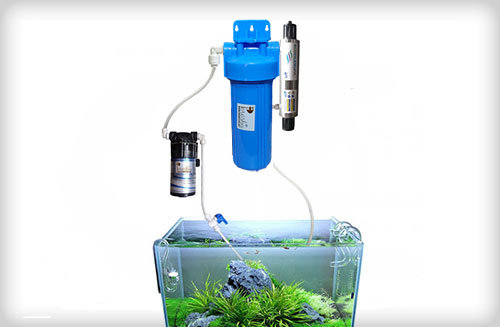
Adding Uv Sterilizers
UV sterilizers use ultraviolet light to kill harmful germs in the water. Adding one to your filter helps reduce algae and bacteria.
They fit easily with many external filters. This upgrade improves water clarity and keeps fish healthier.
- Reduces algae growth
- Kills bacteria and parasites
- Improves water quality
- Easy to install
Custom Media Options
Filters use different materials called media to clean water. Custom media lets you target specific water problems.
You can add sponge, carbon, or bio balls depending on your aquarium’s needs. Mixing media types creates better filtration.
- Sponge traps debris and dirt
- Carbon removes odors and toxins
- Bio balls support beneficial bacteria
- Special media targets ammonia or nitrates
Automation And Monitoring Tools
Automation tools make filter use easier. They control flow and clean the filter without much work.
Monitoring devices check water flow and filter health. These tools help keep your aquarium safe and stable.
- Automatic flow control adjusts water speed
- Self-cleaning functions reduce maintenance
- Flow sensors alert you to problems
- Smart monitors track filter status
Credit: www.irawaters.net
Frequently Asked Questions
What Is An External Aquarium Filter?
An external aquarium filter is a device placed outside the tank. It circulates and cleans water by removing debris and toxins. This keeps the aquarium environment healthy and clear for fish and plants.
How Often Should I Clean An External Aquarium Filter?
Clean your external aquarium filter every 4 to 6 weeks. Regular cleaning maintains optimal performance and prevents clogging. Avoid over-cleaning to preserve beneficial bacteria essential for biological filtration.
Are External Filters Better Than Internal Filters?
External filters provide stronger filtration and higher water flow rates. They save tank space and are easier to maintain. For larger aquariums, external filters often offer better efficiency and durability.
Can External Filters Handle Large Aquariums?
Yes, external filters are ideal for large aquariums. They offer powerful filtration and customizable media options. This ensures better water quality and stability in bigger tanks.
Conclusion
External aquarium filters keep water clean and fish healthy. They remove dirt and harmful substances effectively. These filters also improve water flow and oxygen levels. Choosing the right filter depends on your tank size and fish type. Regular cleaning and maintenance keep the filter working well.
Good filtration means a happy and thriving aquarium. Remember, clean water creates a better home for your fish. Invest time in your filter, and your aquarium will shine. Simple steps lead to clear, fresh water every day.