
Are you tired of dealing with unpredictable temperatures that disrupt your comfort or damage your belongings? Imagine having simple, effective ways to keep your space just right—no expensive gadgets or complicated setups needed.
You’ll discover easy DIY temperature stabilization tips that you can start using today. These tricks will help you control heat and cold, save energy, and create a more comfortable environment for you and your family. Keep reading to unlock practical solutions that make a real difference.
Basic Principles Of Temperature Control
Temperature control means keeping heat or cold steady. It helps protect systems from damage.
Simple tools and ideas can keep temperatures stable in many places.
How Temperature Fluctuations Affect Systems
Changes in temperature can harm machines and materials. They may expand or shrink, causing cracks.
Temperature swings can also make devices work less well or break faster.
- Metal parts may warp or break
- Electronics can overheat or freeze
- Liquids might expand and leak
- Battery life can shorten
Essential Components For Stabilization
Temperature control uses parts to keep heat steady. Sensors and controllers are very important.
Other parts like insulation and fans help keep the temperature just right.
- Sensors detect temperature changes
- Controllers adjust heating or cooling
- Insulation stops heat from escaping
- Fans move air to balance temperature
Affordable Tools And Materials
Keeping your space temperature stable does not require costly equipment. You can use simple, affordable tools to help control temperature. This guide shows easy ways to improve temperature control using common materials.
By combining basic tools and smart techniques, you can create a comfortable environment without spending much. These tips focus on using thermostats, sensors, and insulation methods that anyone can try.
Using Thermostats And Sensors
Thermostats and temperature sensors help monitor and adjust your room temperature. Affordable digital thermostats are available online or at hardware stores. They offer precise control without high cost.
- Buy a digital thermostat with easy programming features.
- Use temperature sensors to track hot or cold spots in your room.
- Place sensors near windows or doors for better readings.
- Connect sensors to smart plugs to control heaters or fans automatically.
Insulation Techniques With Common Items
Good insulation keeps warm or cool air inside your space. You can use common household items to improve insulation without extra cost. Simple materials help block drafts and reduce heat loss.
| Item | Use | Cost |
| Weatherstripping Tape | Seal gaps around windows and doors | Low |
| Foam Pipe Insulation | Wrap pipes to prevent heat loss | Low |
| Reflective Foil | Place behind radiators or walls | Low |
| Heavy Curtains | Block cold drafts from windows | Medium |
| Rugs or Carpets | Insulate floors and reduce cold | Low to Medium |
Diy Temperature Stabilization Hacks
Keeping temperature steady can protect your projects and devices. You do not need expensive tools to control heat or cold.
These easy hacks help you create a stable environment using simple materials. Learn to keep things warm or cool with DIY ideas.
Creating Simple Insulated Enclosures
Use boxes or containers to make insulated spaces. Add foam, bubble wrap, or thick fabric to trap heat or cold inside.
Seal gaps with tape to stop air leaks. Small insulated enclosures keep temperatures stable for longer periods.
- Use foam sheets inside boxes for insulation
- Cover openings with weather stripping or tape
- Add reflective material to reduce heat loss
Diy Heating Elements And Coolers
Make simple heaters using light bulbs or heat pads. These small heat sources warm up your space without extra cost.
For cooling, try frozen water bottles or ice packs. These coolers help lower temperature inside your enclosure safely.
- Use low-watt bulbs as gentle heat sources
- Place ice packs inside insulated containers
- Monitor temperature to avoid overheating or freezing
Leveraging Fans And Ventilation
Fans help move air and keep temperature steady. Use small fans to spread heat or cool air evenly inside your space.
Proper ventilation prevents moisture build-up and hot spots. Open vents or create airflow paths for fresh air circulation.
- Place fans near heat or cool sources for air mixing
- Use vents to allow fresh air in and out
- Adjust fan speed based on temperature needs
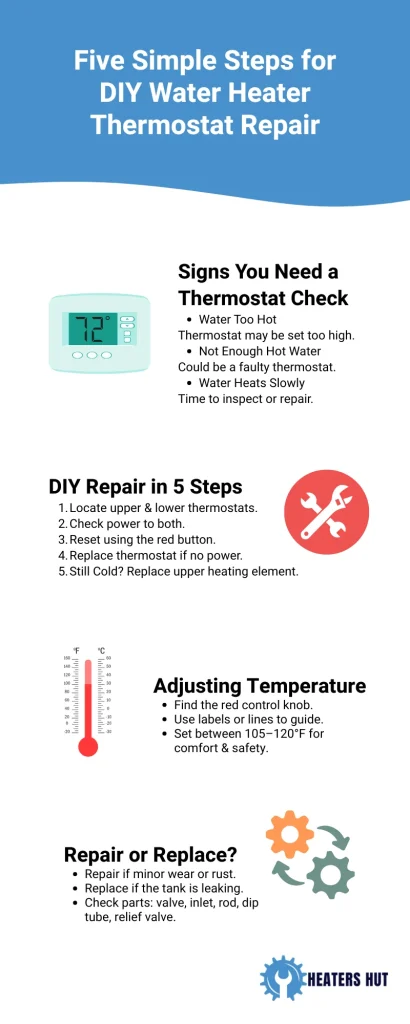
Credit: heatershut.com
Monitoring And Adjusting Temperature
Keeping the right temperature is important for many DIY projects. It helps protect materials and tools. Monitoring means watching the temperature closely.
Adjusting means making changes to keep the temperature steady. This guide covers how to set alerts and alarms. It also compares manual and automated ways to adjust temperature.
Setting Up Alerts And Alarms
Alerts and alarms warn you if the temperature goes too high or low. They help you act quickly to fix problems. You can use simple devices or smart sensors for this.
- Choose sensors that fit your project size and needs.
- Set alert limits based on your ideal temperature range.
- Use alarms that sound or send notifications to your phone.
- Test the system regularly to make sure it works well.
Manual Vs Automated Adjustments
You can change temperature by hand or use machines. Manual adjustments let you control every step. Automated systems do this on their own based on sensor data.
| Type | Advantages | Disadvantages |
| Manual | Simple and low cost | Needs constant attention |
| Automated | Works 24/7 without breaks | Higher setup cost |
| Manual | Easy to fix and adjust | Risk of human error |
| Automated | Responds quickly to changes | Needs power and maintenance |
Troubleshooting Common Issues
Temperature stabilization can be tricky. Many face issues when trying to keep temperatures steady. Let’s explore some common problems and how to fix them.
With the right guidance, you can solve most temperature issues at home. Below are tips to help you manage and fix these problems.
Dealing With Inconsistent Readings
Inconsistent readings can confuse you. It’s important to get accurate temperature data. Follow these steps to address the problem.
- Check if your thermometer is calibrated correctly.
- Ensure that sensors are placed in the right location.
- Replace batteries if they are old or weak.
Fixing Overheating Or Overcooling
Overheating and overcooling can be frustrating. These issues often occur due to faulty settings or equipment failure. Here’s a simple way to troubleshoot.
| Problem | Solution |
| Overheating | Check thermostat settings and adjust as needed. |
| Overcooling | Inspect insulation and seal any gaps. |
| Both issues | Ensure vents are not blocked by furniture. |

Credit: m.youtube.com
Advanced Tips For Precision Control
Keeping temperature steady is key in many DIY projects. Small changes can cause big problems. Using the right tools helps keep control tight.
Advanced methods let you automate and monitor temperature with ease. This guide shows how to use microcontrollers and smart sensors to do this well.
Using Microcontrollers For Automation
Microcontrollers act as the brain of your temperature system. They read data and adjust settings automatically. This saves time and reduces errors.
- Choose a microcontroller like Arduino or Raspberry Pi.
- Connect a temperature sensor to measure heat.
- Write code to read sensor data continuously.
- Set thresholds to turn heating or cooling on and off.
- Use relays or transistors to control your devices.
Integrating Sensors With Smart Devices
Sensors can link to smartphones or home assistants. This lets you check and change temperature from anywhere. Many sensors use Wi-Fi or Bluetooth.
| Sensor Type | Connection | Use Case |
| DS18B20 | Wired | Precise temperature readings for automation |
| DHT22 | Wired | Measures temperature and humidity |
| ESP32 Sensor Module | Wi-Fi/Bluetooth | Remote monitoring with smart devices |
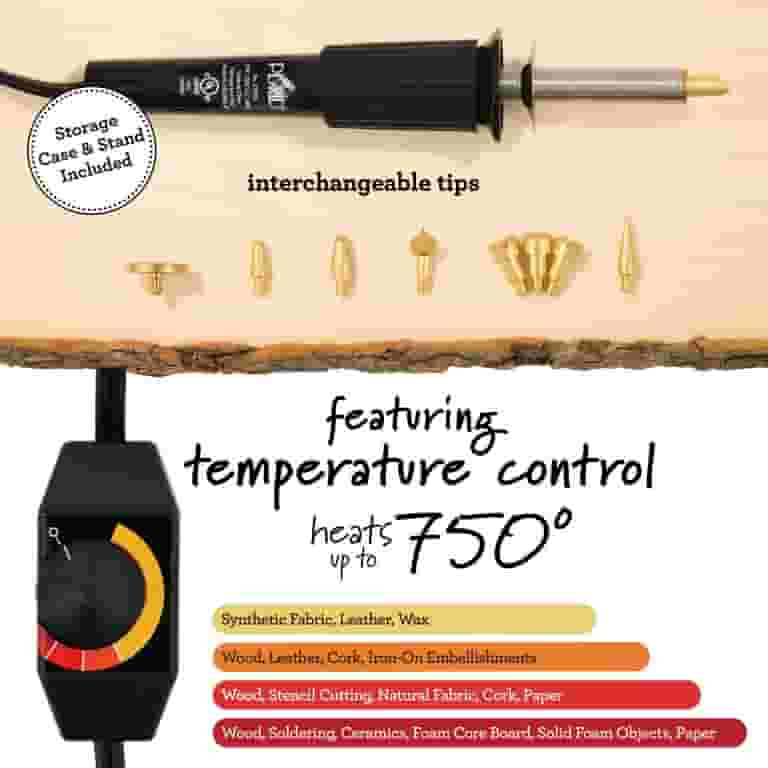
Credit: www.walmart.com
Frequently Asked Questions
What Are Easy Diy Methods For Temperature Stabilization?
Using insulation materials like foam or weatherstrips helps stabilize indoor temperatures. Sealing gaps and using thermal curtains also reduce heat loss and maintain consistent temperatures effectively.
How Can I Improve Temperature Control At Home Cheaply?
Install draft stoppers on doors, seal windows, and use reflective window films. These affordable steps minimize air leaks and regulate home temperatures without expensive equipment.
Which Materials Work Best For Diy Temperature Insulation?
Foam boards, fiberglass, and reflective insulation sheets are highly effective. They provide excellent thermal resistance and are easy to install for better temperature control.
Can Plants Help Stabilize Indoor Temperature Naturally?
Yes, indoor plants increase humidity and shade, helping cool rooms. They improve air quality and contribute to a more stable, comfortable indoor climate.
Conclusion
Staying comfortable at home is easier with simple temperature tips. Small changes can make big differences in how warm or cool you feel. Use easy methods like sealing windows and adjusting fans. These steps save energy and reduce bills too.
Keep trying different ideas until you find what works best. Simple actions bring lasting comfort throughout the year. Your space can feel just right, no matter the weather outside.