
If you want your discus fish to thrive and show their vibrant colors, adjusting their water parameters is key. You might be wondering why your discus isn’t looking as bright or active as you expected.
The secret lies in the water conditions you provide. Getting the right balance of temperature, pH, and hardness can make all the difference. You’ll discover simple, effective ways to fine-tune your tank’s environment so your discus feels right at home.
Keep reading to unlock the secrets that will transform your aquarium into a healthy haven for these stunning fish.
Ideal Water Conditions For Discus
Discus fish need specific water conditions to stay healthy. Keeping water parameters stable helps them thrive. This guide covers the ideal settings for discus aquariums.
Proper water care reduces stress and disease risks. Understanding temperature, pH, hardness, and toxins is key for discus care.
Temperature Range
Discus fish prefer warm water. The ideal temperature range is between 82°F and 86°F (28°C to 30°C). Consistent temperature supports their metabolism and immune system.
Ph Levels
The pH level shows how acidic or basic the water is. Discus fish do best in slightly acidic to neutral water. The ideal pH range is 6.0 to 7.0. Sudden pH changes can stress the fish.
Water Hardness
| Hardness Type | Ideal Range (dGH) | Effect on Discus |
|---|---|---|
| General Hardness (GH) | 1 – 8 | Soft water helps discus maintain color and health |
| Carbonate Hardness (KH) | 1 – 3 | Low KH keeps pH stable and prevents swings |
Ammonia And Nitrite Limits
Ammonia and nitrite are toxic to discus fish. Both should always be kept at zero. Even small amounts can harm the fish’s gills and cause stress.
- Test water weekly to detect toxins early.
- Use a good filtration system to remove waste.
- Perform regular water changes to keep levels safe.
Testing Water Parameters
Discus fish need clean and stable water to stay healthy. Testing water helps keep their environment safe.
Regular checks show if water conditions are right for your discus fish. This prevents illness and stress.
Choosing The Right Test Kits
Select test kits that measure key water parameters for discus fish. These include pH, ammonia, nitrite, and nitrate.
Pick kits that are easy to use and give clear results. Liquid test kits and test strips are popular choices.
- pH test kit to check acidity
- Ammonia test kit to detect toxins
- Nitrite test kit for harmful chemicals
- Nitrate test kit to monitor waste
How To Take Accurate Measurements
Use clean containers to collect water samples. Avoid touching the inside of the container or test tubes.
Follow the test kit instructions carefully. Read results within the time given for the best accuracy.
- Collect water from the tank’s middle depth
- Use fresh water samples for each test
- Mix reagents properly as directed
- Compare colors in good light
- Record results to track changes
Frequency Of Testing
Test water often to catch problems early. New tanks need daily testing until stable.
For established tanks, check water once or twice a week. Increase testing if fish show stress signs.
- Daily tests during tank setup
- Weekly tests for mature tanks
- Extra tests after water changes
- More tests if fish behave oddly
Adjusting Ph Levels
Discus fish need the right pH to stay healthy. pH measures how acidic or basic the water is.
Adjusting pH helps create the best environment for discus fish. Keep changes slow and safe.
Lowering Ph Safely
Lower the pH slowly to avoid stressing your fish. Test the water often during changes.
Use natural materials like peat or driftwood to lower pH gently. Avoid sudden drops.
- Test pH before and after changes
- Add peat moss to filter or tank
- Use driftwood to release tannins
- Change water slowly over days
Raising Ph Safely
Raise pH carefully to keep your discus healthy. Sudden changes can harm them.
Add crushed coral or limestone to increase pH naturally. Monitor pH levels regularly.
- Use crushed coral in filter or substrate
- Add baking soda in small amounts
- Test pH daily when adjusting
- Make gradual water changes
Natural Methods Vs Chemical Additives
Natural methods change pH slowly and keep water stable. They are safer for discus.
Chemical additives work fast but can cause stress. Use them only if needed and with care.
- Natural: peat, driftwood, crushed coral
- Chemical: pH up/down liquids or powders
- Natural changes are slower and safer
- Chemicals need careful dosing and testing

Credit: www.youtube.com
Managing Water Hardness
Water hardness is important for keeping discus fish healthy. It affects their growth and color. Adjusting water hardness helps create the best tank environment.
Discus fish need soft to moderately hard water. Too much or too little hardness can cause stress and health issues. Learn how to manage water hardness properly.
Softening Hard Water
Hard water has high levels of calcium and magnesium. Softening it means lowering these minerals. This makes the water more suitable for discus fish.
You can soften water by using reverse osmosis filters or adding peat moss. These methods reduce mineral content and lower water hardness safely.
- Use reverse osmosis (RO) water for the tank
- Add peat moss in the filter to soften water
- Mix RO water with tap water to reach ideal hardness
Increasing Hardness When Needed
Sometimes water is too soft for discus fish. Adding minerals can raise hardness to healthy levels. This prevents problems like weak bones and poor color.
Use minerals like crushed coral or commercial additives to increase hardness. Test water regularly to avoid overdoing it. Keep hardness stable for best results.
- Add crushed coral to the filter or substrate
- Use calcium and magnesium supplements
- Measure hardness weekly with test kits
Impact On Discus Health
Water hardness affects discus fish health in many ways. Proper hardness supports strong bones and good color. It also helps fish fight diseases.
Wrong hardness levels cause stress and weaken the immune system. Discus may show poor growth or lose color. Keeping hardness stable is key to healthy fish.
- Soft to moderately hard water is ideal
- Stable hardness reduces stress for discus
- Proper hardness improves color and growth
- Helps discus resist infections and disease
Controlling Ammonia And Nitrite
Discus fish require specific water conditions to thrive. Monitoring ammonia and nitrite levels is crucial.
These compounds can harm fish if they accumulate. Understanding their sources and management is key.
Sources Of Ammonia And Nitrite
Ammonia and nitrite originate from fish waste and uneaten food. They are natural byproducts in aquariums.
- Fish excretion releases ammonia.
- Decaying plant matter adds to ammonia levels.
- Overfeeding increases waste and ammonia.
- Uneaten food decomposes, raising nitrite.
Effective Filtration Techniques
Filtration systems help manage ammonia and nitrite. They remove harmful substances and maintain balance.
| Filtration Type | Benefit |
| Mechanical | Traps solid waste particles |
| Biological | Breaks down ammonia and nitrite |
| Chemical | Removes toxins through media |
Using Beneficial Bacteria
Beneficial bacteria convert ammonia to nitrite, then to nitrate. They are vital for a healthy aquarium ecosystem.
Water Change Strategies
Adjusting water parameters for discus fish is essential. Regular water changes help maintain a healthy environment.
Water change strategies involve careful planning. This ensures that discus fish remain stress-free and healthy.
Frequency And Volume
Frequent water changes keep the aquarium clean. It also helps to balance the water parameters.
Change about 25% to 50% of the water weekly. Adjust the volume based on tank size and fish count.
- Small tanks need more frequent changes
- Larger tanks can handle less frequent changes
- Monitor water quality regularly
Preparing Replacement Water
Replacement water must be ready before changing. This prevents stress on the discus fish.
Ensure the temperature matches the tank water. Dechlorinate and balance the pH levels properly.
- Use water conditioners to remove chlorine
- Check temperature with a thermometer
- Test pH and adjust if needed
Avoiding Sudden Parameter Shifts
Sudden changes can harm discus fish. Gradual adjustments are safer for them.
Introduce new water slowly to avoid shocks. Keep monitoring the parameters closely.
- Use a drip method for gradual introduction
- Check parameters with test kits
- Adjust changes over several hours
Common Mistakes In Water Adjustment
Adjusting water parameters for discus fish is important for their health. Many hobbyists make mistakes that harm the fish.
Knowing what to avoid helps keep water safe and stable. This guide covers common errors in water adjustment.
Overcorrecting Parameters
Changing water too much or too fast can stress discus fish. Overcorrecting makes the water unstable and dangerous.
- Adding too many chemicals at once
- Trying to fix small changes immediately
- Ignoring gradual adjustment needs
- Not testing water before and after changes
Ignoring Consistency
Discus fish need steady water conditions. Changing parameters often causes stress and illness.
| Problem | Effect on Fish |
| Frequent pH swings | Stress and weakened immune system |
| Sudden temperature changes | Shock and possible death |
| Inconsistent hardness levels | Growth problems and color loss |
Using Unreliable Products
Not all water conditioners and supplements work well. Some can cause harm or no effect.
Tips to choose good products:
- Buy from trusted brands
- Check for clear ingredient lists
- Read user reviews carefully
- Test products in small doses first
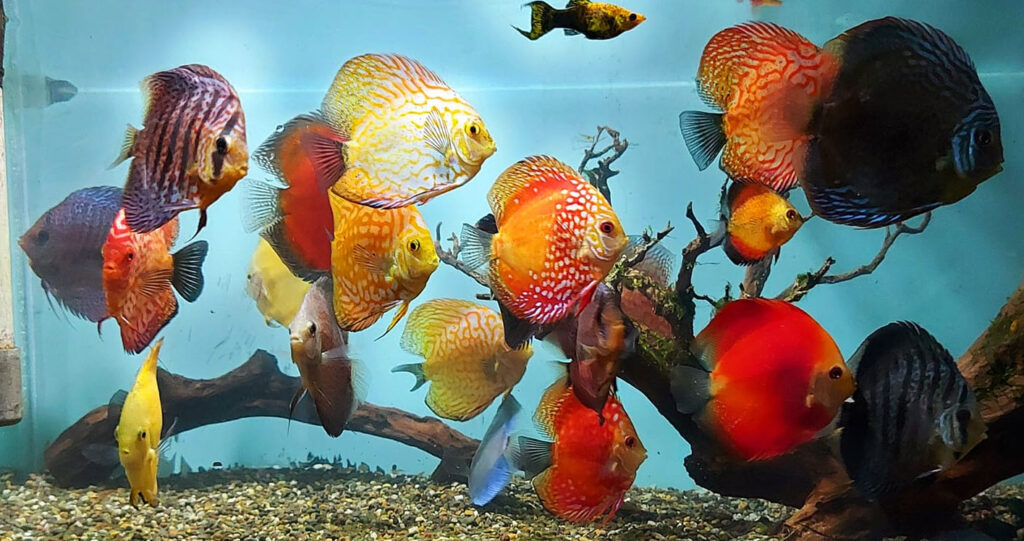
Credit: aquainfo.nl
Tips For Long-term Water Stability
Keeping discus fish healthy means keeping their water stable over time. Sudden changes in water can harm these sensitive fish.
Stable water conditions help discus live longer and stay active. Here are some tips to keep your tank water steady.
Maintaining Equipment
Good equipment keeps water conditions safe and steady. Filters, heaters, and air pumps need regular care.
Clean and check equipment often. Replace parts if they stop working to avoid big changes in water quality.
- Clean filters every 2-4 weeks
- Check heater temperature regularly
- Ensure air pumps run smoothly
- Replace worn-out parts on time
Regular Monitoring
Test water often to catch problems early. Use test kits for pH, ammonia, nitrite, and nitrate levels.
Keep a log of your water tests. This helps spot trends and avoid sudden changes that can stress fish.
- Check pH weekly
- Test ammonia and nitrite twice a week
- Monitor nitrate levels weekly
- Record all test results in a notebook
Creating A Balanced Ecosystem
A balanced tank keeps water healthy for discus. Use live plants and beneficial bacteria to help filter water naturally.
Feed fish properly and avoid overfeeding. Remove uneaten food to stop water pollution and keep the tank clean.
- Add live plants to absorb toxins
- Use bacteria supplements to break waste
- Feed small amounts twice a day
- Clean tank debris regularly

Credit: aquainfo.nl
Frequently Asked Questions
What Are Ideal Water Parameters For Discus Fish?
Discus thrive in soft, slightly acidic water with pH 6. 0-7. 0. Temperature should be 82-86°F (28-30°C). Maintain low hardness (GH 1-4 dGH) and stable conditions for health and vibrant colors.
How To Adjust Ph In Discus Aquarium Water?
To lower pH, use peat moss or driftwood in the filter. For raising pH, add crushed coral or baking soda cautiously. Always adjust parameters slowly to avoid stressing your discus fish.
Why Is Water Hardness Important For Discus Fish?
Discus prefer soft water with low general hardness (GH) and carbonate hardness (KH). Proper hardness supports their osmoregulation, health, and breeding success. Test regularly to maintain GH between 1-4 dGH and KH below 3 dKH.
How Often Should I Test Discus Tank Water?
Test water parameters weekly to ensure stability. Frequent testing helps detect harmful changes early. Monitor pH, temperature, GH, KH, ammonia, nitrite, and nitrate for optimal discus care.
Conclusion
Maintaining proper water parameters keeps discus fish healthy and happy. Test water regularly to catch issues early. Adjust pH, temperature, and hardness with care. Small, steady changes work best for your fish. Clean water supports strong immune systems and vibrant colors.
Consistent care helps discus thrive in your aquarium. Remember, patient effort leads to a beautiful tank. Enjoy watching your discus grow and flourish!