
If you keep discus fish, you know how important water quality is for their health and vibrant colors. One key factor that often gets overlooked is water hardness.
Understanding water hardness can make a huge difference in how well your discus thrive. This guide will help you learn what water hardness means, why it matters for your discus, and how to adjust it for the best results. By the end, you’ll have the knowledge to create the perfect environment that your discus fish will love.
Keep reading to discover simple tips that can transform your aquarium!
What Is Water Hardness
Water hardness is the amount of minerals in water. Mainly, it means calcium and magnesium. These minerals come from rocks and soil.
Hard water can affect your home and health. It changes how soap works and can leave deposits in pipes.
Types Of Water Hardness
Water hardness comes in two types. Each type depends on the minerals in the water.
- Temporary Hardness:Caused by dissolved bicarbonate minerals. It goes away when water is boiled.
- Permanent Hardness:Caused by sulfate or chloride minerals. Boiling does not remove it.
Measuring Water Hardness
Water hardness is measured in different units. These show how much calcium and magnesium are in water.
| Unit | Description | Range Example |
| Parts Per Million (ppm) | Milligrams per liter of calcium carbonate | 0-60 (soft), 61-120 (moderate), 121+ (hard) |
| Grains per Gallon (gpg) | Grains of calcium carbonate per gallon | 0-3.5 (soft), 3.6-7 (moderate), 7+ (hard) |
Credit: aquainfo.nl
Why Water Hardness Matters For Discus
Water hardness is the measure of minerals like calcium and magnesium in water. It affects how healthy discus fish stay in your aquarium.
Discus fish come from soft water environments. Keeping the right hardness helps them live longer and look better.
Effects On Fish Health
Discus need soft to moderately hard water for strong bones and good health. Hard water can stress them and cause diseases.
Low water hardness can lead to weak fish with poor growth. Balanced hardness supports their immune system.
- Soft water keeps discus healthy
- Too hard water causes stress and illness
- Proper hardness helps fish grow well
- Balanced minerals improve immune response
Impact On Behavior And Color
Water hardness affects how discus behave. Hard water may make them less active or hide more.
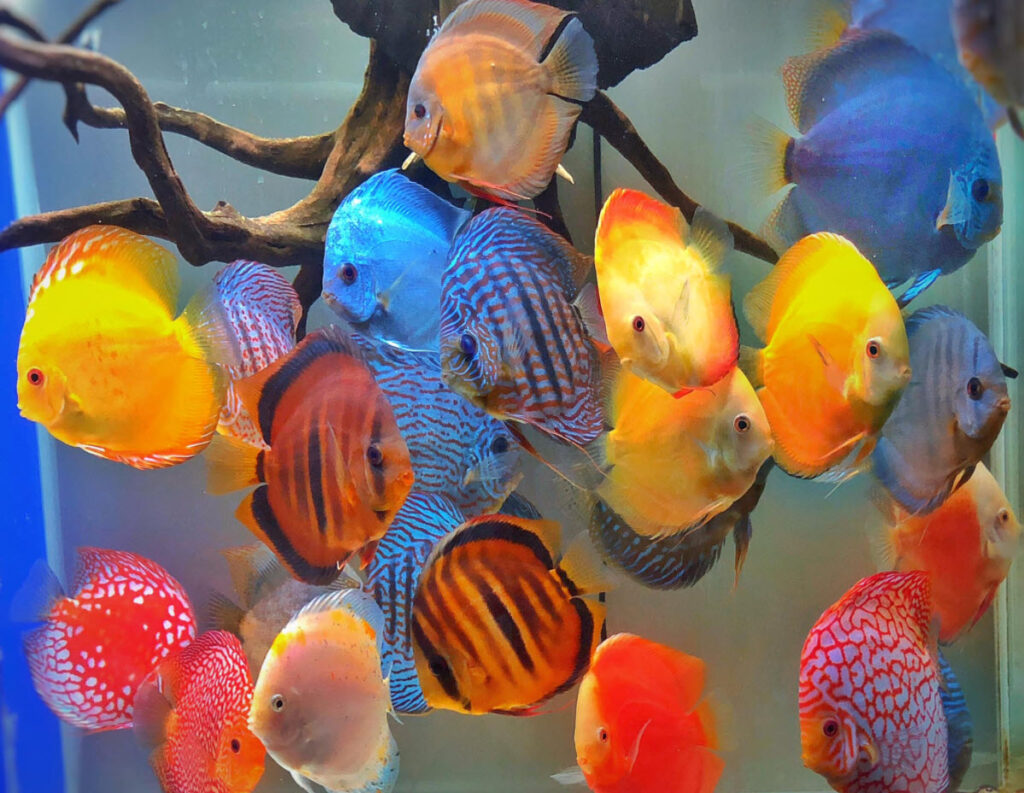
Soft water helps discus show bright colors and natural patterns. Hard water can dull their look.
- Soft water encourages active swimming
- Proper hardness enhances color brightness
- Hard water may cause fish to hide
- Natural patterns are clearer in soft water
Ideal Hardness Levels For Discus
Discus fish need specific water hardness to stay healthy. Water hardness affects their growth and color. Maintaining the right hardness level helps discus live longer.
Hardness measures minerals like calcium and magnesium in water. These minerals affect the fish’s body and behavior. Knowing the ideal hardness helps you care for discus properly.
General Guidelines
Discus prefer soft to moderately hard water. Most keepers aim for a general hardness (GH) between 3 and 8 dGH. Carbonate hardness (KH) should stay low, around 1 to 3 dKH.
- Keep GH between 3 and 8 degrees for healthy discus.
- Maintain KH low to avoid pH swings.
- Use water conditioners to adjust hardness safely.
- Test water regularly to monitor hardness levels.
Stable water hardness prevents stress in discus. Sudden changes can cause illness or stress. Use slow water changes to keep levels steady.
Adjusting For Different Discus Species
Different discus species need slightly different hardness levels. Wild discus from the Amazon prefer softer water than farm-raised ones. Adjust hardness based on the species you keep.
| Discus Species | Preferred GH (dGH) | Preferred KH (dKH) |
|---|---|---|
| Wild Amazon Discus | 1 – 4 | 0 – 2 |
| Farm-raised Discus | 4 – 8 | 1 – 3 |
| Heckel Discus | 3 – 6 | 1 – 2 |
| Blue Diamond Discus | 4 – 7 | 1 – 3 |
Adjust water hardness slowly to match your discus species. Use products designed for aquarium water. Always check water hardness after changes.
Testing Water Hardness At Home
Testing water hardness helps keep your discus fish healthy. Hard water can affect their well-being. You can check water hardness at home easily.
Knowing your water hardness lets you adjust the tank environment. This guide shows how to test water hardness using simple tools.
Using Test Kits
Test kits are simple tools for checking water hardness. They usually include drops or strips that react with your water.
To use a test kit, take a water sample from your tank. Follow the instructions to add drops or dip the strip. Wait for the color change.
- Collect water sample in a clean container
- Add test drops or dip test strip
- Wait the time shown in instructions
- Compare color to chart in the kit
Interpreting Results
After testing, match the color to the chart. This shows the hardness level in parts per million (ppm) or degrees.
Soft water has low ppm, usually below 60. Hard water is above 120 ppm. Discus fish prefer soft to moderately hard water.
| Water Hardness Level | ppm (mg/L) | General Description |
|---|---|---|
| Soft | 0 – 60 | Low mineral content |
| Moderate | 61 – 120 | Balanced mineral level |
| Hard | 121 and above | High mineral content |
Managing Hardness In Aquarium Water
Water hardness is important for discus fish health. It affects their growth and colors.
Managing hardness helps keep the aquarium stable. It creates a better environment for your fish.
Softening Hard Water
Hard water has high mineral content. You can soften it by removing some minerals safely.
Using peat moss or reverse osmosis water lowers hardness. These methods reduce calcium and magnesium.
- Use peat moss in the filter to absorb minerals
- Mix reverse osmosis water with tap water
- Add driftwood to release softening tannins
- Test water regularly to track hardness levels
Increasing Hardness Safely
Low hardness can stress discus fish. You can raise hardness by adding minerals carefully.
Use commercial mineral supplements or natural sources. Always add small amounts and test water.
- Add calcium carbonate or crushed coral slowly
- Use mineral-rich aquarium salts made for discus
- Monitor water hardness every few days
- Keep changes gradual to avoid fish stress
Credit: fashion.iowabig.org
Best Practices For Discus Water Maintenance
Keeping discus fish healthy needs clean and soft water. Proper water care helps discus live longer.
Focus on regular water changes and good filtration. These keep water safe and clear for discus.
Regular Water Changes
Change water often to remove waste and toxins. This keeps water fresh and healthy for discus.
Use soft, clean water that matches discus needs. Replace 25% to 50% of the tank water weekly.
- Use dechlorinated water to protect fish
- Check water temperature to avoid shock
- Keep water hardness low for discus comfort
- Remove uneaten food before water change
Filtration And Conditioning
Use filters to clean water by removing dirt and chemicals. Choose filters suitable for discus tanks.
Condition water to balance hardness and pH. Use water conditioners to remove chlorine and heavy metals.
- Use sponge or biofilters for gentle cleaning
- Test water parameters regularly
- Adjust hardness to be low and stable
- Keep pH between 6.0 and 7.0 for discus
Common Mistakes To Avoid
Keeping the right water hardness is key for healthy discus fish. Mistakes can harm their environment.
This guide helps you avoid common errors in managing water hardness for discus fish.
Ignoring Water Parameters
Discus fish need specific water conditions. Ignoring these can stress the fish.
- Check water hardness regularly
- Maintain stable pH levels
- Monitor temperature for comfort
Overcorrecting Hardness Levels
Too many changes can shock your fish. Balance is important for their health.
Remember: Small adjustments over time are better than big changes.
Tools And Products For Water Hardness Control
Water hardness affects discus fish health. It is important to control it in your aquarium. Here are tools and products to help you manage water hardness effectively.
You can use water softeners or hardness boosters to adjust the water conditions. This keeps your discus fish healthy and happy.
Water Softeners And Removers
Water softeners help reduce the hardness in your aquarium. They remove minerals like calcium and magnesium. This makes the water softer and safer for discus fish.
Choose a softener that suits your tank size and needs. Some products are simple to use and work quickly.
- Ion exchange resin softeners
- Reverse osmosis systems
- Chemical softeners
Hardness Boosters
Hardness boosters increase the mineral content in the water. This is important if the water is too soft. Discus fish need some hardness to thrive.
Use boosters carefully to maintain the right balance. They often come in liquid or powder forms.
- Calcium carbonate supplements
- Liquid hardness boosters
- Mineral salts

Credit: www.aquariumsource.com
Frequently Asked Questions
What Is Ideal Water Hardness For Discus Fish?
Discus fish thrive in soft to moderately hard water. Ideal hardness ranges between 1-8 dGH. Maintaining this helps discus stay healthy and vibrant.
How Does Water Hardness Affect Discus Fish Health?
Water hardness impacts discus fish metabolism and stress levels. Incorrect hardness can cause illness, poor coloration, and lower immunity in discus.
How To Measure Water Hardness For Discus Tanks?
Use a reliable water hardness test kit to measure dGH. Regular testing ensures water conditions stay optimal for discus fish health.
Can Discus Fish Adapt To Hard Water?
Discus fish prefer soft water but can slowly adapt to moderate hardness. Sudden changes in hardness can cause stress and health issues.
Conclusion
Maintaining the right water hardness helps discus fish stay healthy. Soft to moderately hard water suits their needs best. Test water regularly to keep levels steady and safe. Adjusting hardness slowly avoids stress for your fish. Clear water means happy, vibrant discus in your tank.
This guide helps you create a better home for discus. Simple steps lead to strong, thriving fish every day. Keep learning and caring for your discus with care.