
Setting up and maintaining a discus tank can feel overwhelming at first. You want your fish to thrive and look their best, but where do you start?
This guide breaks down everything you need to know in simple steps. By following these tips, you’ll create a healthy, beautiful environment for your discus fish that’s easy to manage every day. Ready to transform your tank into a vibrant underwater paradise?
Keep reading, and discover how to make your discus tank a stunning success.
Choosing The Right Tank
Setting up a discus tank starts with choosing the right aquarium. The tank affects the health and comfort of your fish. Picking the right size, shape, and location helps create a good environment.
Learn about tank size, shape, material, and where to place the tank. These factors make a big difference in discus care.
Ideal Tank Size
Discus fish need space to swim and grow. A tank that is too small can stress them. A larger tank helps keep water stable and clean. Experts suggest a minimum of 50 gallons for a small group of discus.
- Choose at least 50 gallons for 5 discus fish
- Add 10 gallons for each extra fish
- A deeper tank helps discus swim comfortably
- Larger tanks reduce water changes and maintenance
Tank Shape And Material
Tanks come in many shapes and materials. Round tanks look nice but have less swimming space. Rectangular tanks offer more surface area and better swimming room. Glass tanks are clear and scratch-resistant. Acrylic tanks are lighter but scratch easier.
| Tank Type | Advantages | Disadvantages |
|---|---|---|
| Rectangular Glass | Good swimming space, clear view, durable | Heavy, can break if dropped |
| Round Glass | Attractive shape | Less swimming area, harder to clean |
| Rectangular Acrylic | Lightweight, impact resistant | Scratches easily, needs polishing |
Location And Placement
Choose a stable location for your discus tank. Keep it away from direct sunlight to avoid algae growth. Avoid places with loud noise or vibrations. Place the tank on a strong, level surface that can hold its weight.
- Keep the tank away from windows and heaters
- Place on a sturdy stand or table
- Ensure easy access for cleaning and feeding
- Check for nearby electrical outlets
Essential Equipment
Setting up a discus tank requires the right tools. Essential equipment keeps the fish healthy and the tank clean.
Each piece plays a key role in creating a stable and comfortable environment for your discus fish.
Filtration Systems
Filtration removes waste and toxins from the water. A good filter keeps water clear and safe for discus fish.
Canister filters and sponge filters are popular choices. Choose one with gentle flow to avoid stressing the fish.
Heaters And Thermometers
Discus fish need warm water, usually between 82°F and 86°F (28°C to 30°C). Heaters keep the water at a steady temperature.
Thermometers help monitor the temperature. Digital or stick-on thermometers work well for easy reading.
Lighting Options
Lighting affects fish behavior and plant growth in the tank. Use soft, natural light to reduce stress for discus fish.
- LED lights are energy efficient and long-lasting.
- Avoid very bright lights to prevent fish hiding.
- Set a timer to keep a regular day-night cycle.
Aeration Needs
| Aeration Method | Purpose | Notes |
|---|---|---|
| Air Pump with Air Stone | Increases oxygen in water | Gentle bubbles prevent strong currents |
| Surface Agitation | Improves gas exchange | Filter output can help |
| Water Circulation | Distributes oxygen evenly | Must be mild to suit discus |
Proper aeration helps discus breathe well. Avoid strong water flow to keep fish calm.
Water Parameters For Discus
Discus fish need clean water with the right settings to stay healthy. Proper water parameters help them grow and look bright.
Keeping water conditions steady is important for discus fish. Learn about temperature, pH, hardness, and waste control.
Optimal Temperature Range
Discus fish do best in warm water. The ideal temperature is between 82 and 86 degrees Fahrenheit. This range helps their metabolism and immune system work well.
Ph Levels
Discus prefer slightly acidic water. The pH should be between 6.0 and 7.0. Stable pH keeps them calm and reduces stress.
Water Hardness
Soft water with low hardness is best for discus. Aim for 1 to 4 dGH (degrees of General Hardness). This supports their natural habitat and helps breeding.
| Water Parameter | Recommended Range |
| Temperature | 82°F – 86°F (28°C – 30°C) |
| pH Level | 6.0 – 7.0 |
| Water Hardness (dGH) | 1 – 4 |
Ammonia And Nitrite Control
Ammonia and nitrite are toxic for discus fish. Their levels must stay at zero. Use a good filter and change water often.
- Test water weekly for ammonia and nitrite
- Perform 25% water changes every week
- Use biological filtration to break down waste
- Avoid overfeeding to reduce waste
Setting Up The Tank
Setting up a discus tank is an exciting task. You need to create a welcoming environment for these vibrant fish.
A well-planned setup ensures healthy discus and a beautiful display. Let’s explore the essential steps to get started.
Substrate Selection
Choosing the right substrate is important for discus tanks. It affects water quality and plant growth.
Sand and fine gravel are popular options. They are easy to clean and mimic natural habitats.
- Sand offers a smooth surface
- Fine gravel supports plant roots
- Avoid sharp substrates to protect discus
Aquascaping Tips
Aquascaping creates an appealing environment for discus. It involves arranging plants and decorations aesthetically.
Place larger plants at the back and smaller ones in the front. This gives depth to the tank.
- Use rocks and driftwood for natural decor
- Create hiding spots for shy discus
- Leave open swimming areas
Cycling The Tank
Cycling the tank is crucial before adding fish. It establishes beneficial bacteria for a healthy ecosystem.
Test water parameters regularly. Ammonia and nitrite levels should be zero before introducing discus.
- Use water conditioners to remove chlorine
- Monitor water temperature for stability
- Allow cycling for at least 4 weeks
Adding Plants And Decorations
Plants and decorations enhance the tank’s beauty. They also provide comfort and security for discus.
Choose hardy plants that thrive in warm water. Attach decorations securely to avoid accidents.
- Java fern and Anubias are good choices
- Arrange plants to cover equipment
- Ensure decorations are aquarium-safe
Introducing Discus Fish
Discus fish are colorful and round freshwater fish. They come from the Amazon River in South America.
These fish are popular for their bright colors and calm nature. They need special care to stay healthy.
Selecting Healthy Discus
Choose discus fish with clear eyes and bright colors. Avoid fish with torn fins or white spots.
Look for active fish that swim smoothly. Healthy discus eat well and do not hide all the time.
- Clear eyes without cloudiness
- Bright, even color patterns
- No signs of injury or disease
- Active swimming behavior
Acclimation Process
Acclimate discus slowly to reduce stress. Sudden changes in water can harm the fish.
Float the sealed bag in the tank for 20 minutes. Then add small amounts of tank water to the bag every 10 minutes for one hour.
- Float fish bag in tank water for 20 minutes
- Add small amounts of tank water to the bag every 10 minutes
- After one hour, gently release fish into the tank
Stocking Density Guidelines
Do not overcrowd the tank. Each discus needs enough space to swim freely.
Keep one discus per 10 gallons of water for a healthy environment.
- 1 discus fish per 10 gallons of water
- Provide hiding places and plants
- Check water quality regularly
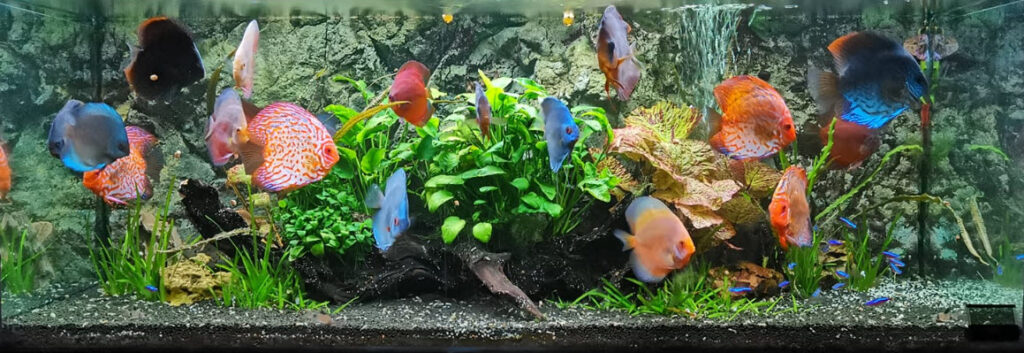
Credit: aquainfo.nl
Feeding Practices
Proper feeding is key to keeping discus fish healthy and colorful. Good feeding habits support their growth and immune system.
Knowing what to feed, how often, and which supplements to use helps maintain a balanced diet for discus.
Best Diet For Discus
Discus fish need a varied diet with high protein and nutrients. Include different food types to keep them strong.
- High-quality flake or pellet food designed for discus
- Frozen or live foods like bloodworms, brine shrimp, and daphnia
- Beef heart mixtures for extra protein
- Vegetable matter such as spinach or peas to aid digestion
Feeding Frequency
Feed young discus more often than adults to support their fast growth. Adults need fewer meals but still require regular feeding.
| Age | Feedings Per Day | Portion Size |
|---|---|---|
| Juveniles | 3 to 4 times | Small amounts per feeding |
| Adults | 2 times | Moderate amounts per feeding |
Supplements And Treats
Supplements help discus stay healthy and show bright colors. Treats can add variety but should be given carefully.
- Vitamin-enriched foods to boost immune health
- Spirulina supplements for color enhancement
- Occasional live foods like mosquito larvae as treats
- Avoid overfeeding treats to prevent water pollution
Routine Maintenance
Keeping your discus tank clean and healthy is important. Routine maintenance helps your fish stay happy and live longer.
Regular care prevents problems and keeps the water safe. Follow simple steps to maintain your tank easily.
Regular Water Changes
Change 25% to 30% of the water every week. This removes waste and keeps the water fresh for your discus fish.
Filter Cleaning
Clean your filter every two to four weeks. Rinse filter media in old tank water to keep beneficial bacteria safe.
Monitoring Water Quality
- Test water pH weekly
- Check ammonia and nitrite levels often
- Keep nitrate under 20 ppm
- Maintain water temperature between 82°F and 86°F
Tank Cleaning Tips
| Cleaning Task | Frequency | Notes |
|---|---|---|
| Remove algae from glass | Weekly | Use a soft scraper |
| Vacuum gravel | Every water change | Use siphon carefully |
| Clean decorations | Monthly | Rinse in tank water only |
| Check heater and lights | Monthly | Ensure proper function |
Common Health Issues
Discus fish are beautiful, but they need special care. Their tank setup and maintenance are crucial for their health. Common health issues can arise if their environment is not right.
Understanding these health issues helps keep your discus fish happy and healthy. Knowing what to look for can prevent many problems.
Identifying Diseases
Discus fish can show signs when they are sick. Look for changes in color, eating habits, or behavior. White spots or slimy skin can also indicate disease.
Pay attention to their swimming patterns. If they are hiding more than usual, it might be a sign of stress or illness.
- Loss of appetite
- White spots on body
- Sluggish swimming
- Cloudy eyes
Preventive Measures
Keeping the tank clean is very important. Regular water changes and proper filtration help maintain water quality. This reduces the risk of disease.
Avoid overcrowding the tank. Too many fish can lead to stress and disease spread. Ensure each fish has enough space.
- Regular water changes
- Proper filtration
- Avoid overcrowding
- Stable water temperature
Treatment Options
If your discus fish are sick, quick action is needed. Isolate the sick fish in a separate tank. This prevents the disease from spreading.
Medications can help treat specific diseases. Follow instructions carefully when using them. Consulting a vet might be necessary for serious cases.
| Condition | Possible Treatment |
| White spots | Anti-parasitic medication |
| Fungal infection | Anti-fungal medication |
| Bacterial infection | Antibiotics |
Behavioral Insights
Discus fish have unique behaviors that affect their tank setup and care. Understanding these behaviors helps keep them healthy and happy.
Observing their social habits, breeding patterns, and stress signs can improve your success with discus tanks.
Social Behavior
Discus fish are social animals that prefer to live in groups. They form a loose hierarchy but avoid aggressive fights.
Keeping them in groups of at least five helps reduce stress and encourages natural behavior.
- Discus establish territories but share space peacefully.
- They communicate through body language and color changes.
- Group living helps discus feel safe and secure.
Breeding Habits
Discus pairs form strong bonds during breeding. They clean a flat surface to lay eggs together.
The parents protect and care for the eggs and fry. They often fan the eggs with their fins to keep them clean.
- Pairs select smooth leaves or tank walls for egg laying.
- Eggs hatch in about 3 to 4 days.
- Fry feed on mucus from their parents’ skin at first.
Stress Signs
Discus fish show clear signs when stressed. Watch for changes in color, behavior, and appetite.
Stress can come from poor water quality, wrong tank mates, or sudden changes in the environment.
- Faded or dull colors indicate stress.
- Hiding more than usual shows discomfort.
- Loss of appetite is a common stress sign.
- Erratic swimming or rubbing against objects may appear.
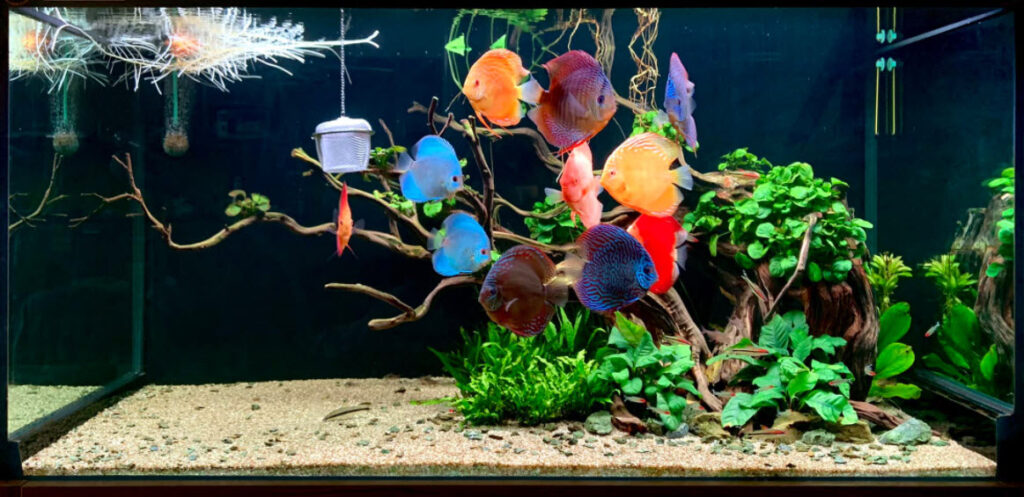
Credit: aquainfo.nl
Advanced Tips For Experts
Keeping discus fish healthy needs skill and care. Experts can improve tank setup and fish health with advanced tips.
This guide covers breeding techniques, water chemistry adjustments, and custom aquascaping ideas for discus tanks.
Breeding Techniques
Select strong, healthy discus pairs for breeding. Watch their behavior to know when they are ready.
Keep the tank quiet and calm during breeding. Provide flat surfaces for the eggs to attach.
- Use separate breeding tanks to protect eggs
- Keep water temperature stable around 82°F (28°C)
- Feed breeding pairs high-quality live foods
- Remove parents if they eat the eggs
Water Chemistry Adjustments
Discus need soft, slightly acidic water to thrive. Test water regularly to keep chemistry stable.
Adjust pH slowly to avoid stress. Use RO water mixed with tap water for control.
- Ideal pH: 6.0 to 6.5
- Softness: 1 to 4 dGH
- Keep ammonia and nitrite at 0 ppm
- Nitrate should stay below 10 ppm
- Use peat or almond leaves to lower pH naturally
Custom Aquascaping Ideas
Create a natural tank look with driftwood and broad-leaf plants. This helps discus feel safe.
Arrange plants and decorations to give open swimming space. Avoid overcrowding the tank.
- Use large Amazon sword plants for cover
- Place smooth driftwood for hiding spots
- Use fine sand substrate for easy cleaning
- Keep lighting soft to mimic natural habitat
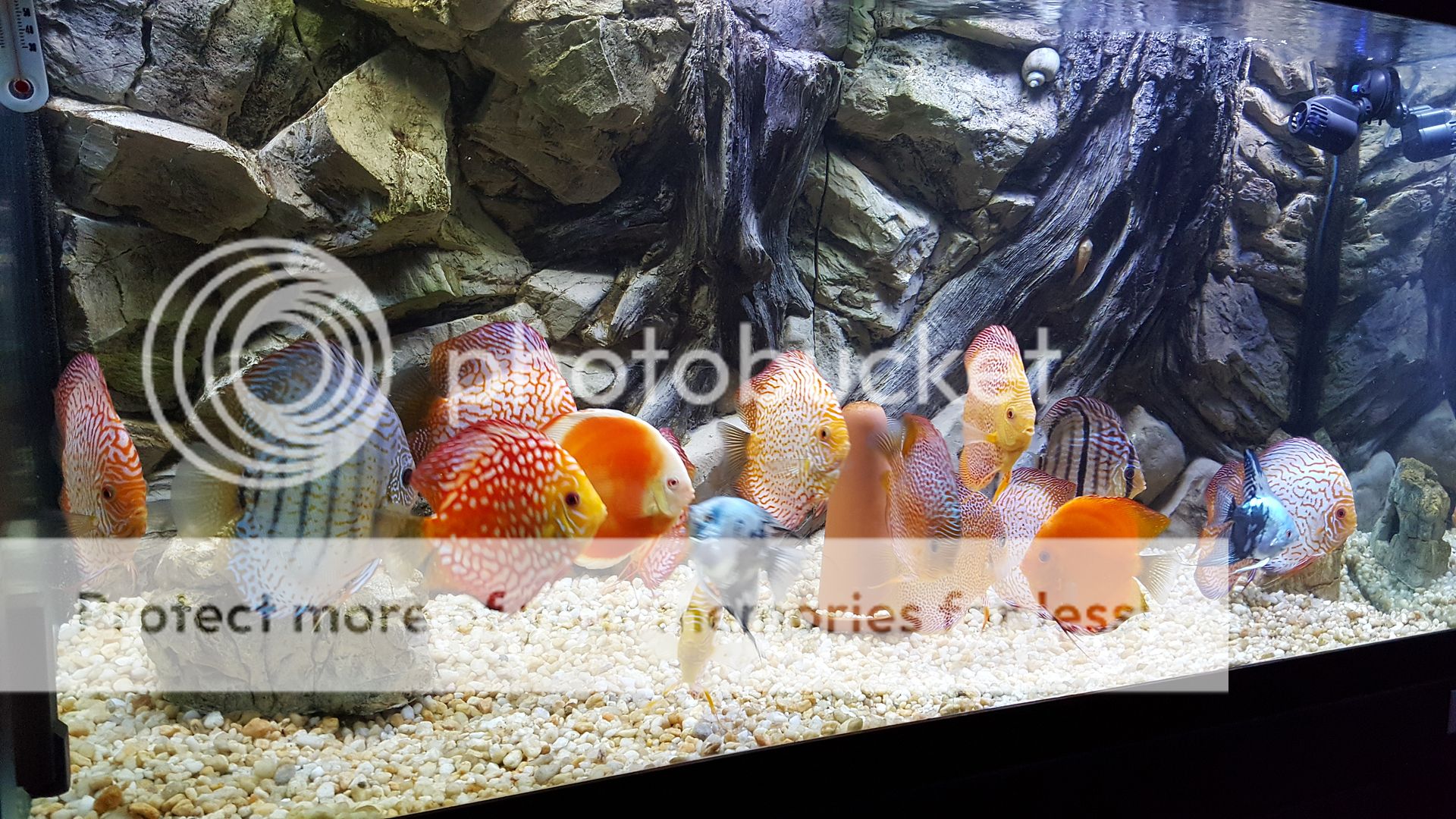
Credit: www.capitalcichlids.org
Frequently Asked Questions
What Is The Ideal Tank Size For Discus Fish?
A minimum tank size of 50 gallons is ideal for discus fish. Larger tanks provide stable water conditions and space for swimming. This size helps maintain water quality and reduces stress on discus fish, promoting their health and vibrant colors.
How Often Should I Clean A Discus Tank?
Clean your discus tank weekly by changing 25-30% of the water. Regular cleaning removes waste and toxins. It helps maintain water clarity and quality, which is crucial for discus fish health and their sensitive environment.
What Water Parameters Are Best For Discus Fish?
Discus thrive in water with temperatures of 82-86°F and pH between 6. 0-7. 0. Soft, slightly acidic water mimics their natural habitat. Consistent parameters reduce stress and improve discus fish immunity and coloration.
How Do I Feed Discus Fish Properly?
Feed discus fish high-quality pellets, flakes, and frozen foods twice daily. Provide varied nutrition for growth and health. Avoid overfeeding to prevent water pollution and maintain tank cleanliness.
Conclusion
Setting up and caring for a discus tank takes patience and care. Keep water clean and stable for healthy fish. Feed your discus good food in small amounts daily. Watch your fish closely for signs of stress or illness. Regular tank checks help prevent problems early.
A peaceful environment makes discus fish thrive. Enjoy the beauty and calm your tank brings. Simple steps lead to happy, vibrant discus fish every day.