
Have you noticed your discus fish acting nervous or hiding more than usual? Stress can quickly harm these beautiful creatures, and often, the cause is right in their tank—your tankmates.
Understanding how to prevent discus stress from other fish is key to keeping your aquarium peaceful and your discus healthy. You’ll discover simple, practical tips that can make a big difference in your discus’s wellbeing. Keep reading to learn how to create a calm, stress-free home for your discus and enjoy a vibrant, thriving aquarium.
Choosing Compatible Tankmates
Discus fish are peaceful and need calm tankmates. Choosing the right companions helps keep stress low.
Stress can harm discus health and growth. Careful selection makes a healthy aquarium environment.
Species That Get Along With Discus
Some fish share peaceful traits with discus. These species live well together without causing harm.
- Cardinal Tetras
- Rummy Nose Tetras
- Corydoras Catfish
- Ram Cichlids
- Neon Tetras
Avoiding Aggressive Fish
Aggressive fish can chase or nip discus fins. This stress can cause illness or death.
- Do not keep Tiger Barbs or Oscars
- Avoid large Cichlids with strong territorial behavior
- Skip fin-nipping species like some Tetras
- Keep away from fast, aggressive swimmers
Size And Behavior Considerations
Choose tankmates close in size to discus. Large or very small fish may cause stress.
Look for calm fish with similar swimming speeds. Avoid fish that outcompete discus for food.
- Discus size: 6 to 8 inches
- Select fish that swim slowly to moderately
- Choose peaceful fish with gentle behavior
- Avoid fish that are overly active or noisy
Setting Up The Ideal Environment
Discus fish are sensitive to their surroundings. Creating a calm tank helps reduce stress from tankmates. Setting the right environment is key to their health.
This guide covers how to set the tank size, maintain water quality, and provide hiding spots. These steps help keep discus fish peaceful and comfortable.
Optimal Tank Size And Layout
Discus fish need enough space to swim and avoid conflict. A larger tank helps keep stress low among tankmates. The tank layout should encourage natural behavior.
- Use at least a 50-gallon tank for a small group of discus.
- Arrange plants and decorations to create open swimming areas.
- Keep the tank shape longer rather than tall for better swimming room.
- Group discus in odd numbers to reduce aggression.
Water Quality And Parameters
Stable water quality helps discus stay healthy and stress-free. They need warm, soft, and slightly acidic water. Testing water regularly prevents sudden changes.
| Parameter | Ideal Range |
|---|---|
| Temperature | 82°F – 86°F (28°C – 30°C) |
| pH Level | 6.0 – 7.0 |
| Hardness (dGH) | 1 – 8 |
| Ammonia | 0 ppm |
| Nitrite | 0 ppm |
| Nitrate | < 20 ppm |
Providing Hiding Spots And Territories
Discus feel safer with places to hide. Hiding spots reduce stress and conflicts among tankmates. They also help fish claim their own territory.
Good hiding spots include:
- Large leaf plants like Amazon swords
- Driftwood or rock caves
- Floating plants for shaded areas
- Terracotta pots or tunnels
Feeding Strategies To Reduce Stress
Discus fish are sensitive and can get stressed by other tankmates. Proper feeding helps lower stress. Feeding well keeps fish healthy and calm.
Different species need different foods. Feeding right can stop fights and keep peace in the tank. Learn how to feed discus and tankmates safely.
Balanced Diet For All Species
Each fish species needs certain nutrients. Discus need protein-rich food like bloodworms and pellets. Other fish may eat flakes or plants.
Feed a mix of food to keep all fish healthy. A balanced diet helps reduce stress by meeting their nutritional needs.
- Discus: high-protein pellets, frozen bloodworms, brine shrimp
- Other fish: flakes, algae wafers, vegetable pieces
- Rotate foods to provide variety and nutrients
Feeding Frequency And Portions
Feed small amounts often instead of one big meal. This lowers hunger and stops fish from rushing food.
Too much food can pollute water and stress fish. Feed only what fish eat in a few minutes. Adjust portions as fish grow.
- Feed 2-3 times daily in small amounts
- Watch fish eat to avoid leftovers
- Remove uneaten food quickly
Avoiding Food Competition
Discus can get stressed if other fish steal their food. Spread food in different tank areas to reduce fights.
Use feeding rings or place food near discus. This helps discus eat calmly without threats from tankmates.
- Feed slow eaters separately if needed
- Use multiple feeding spots in the tank
- Observe feeding to spot any bullying
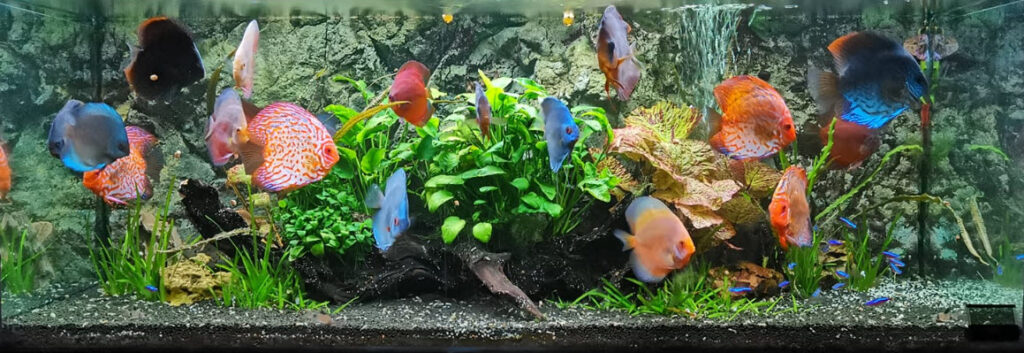
Credit: aquainfo.nl
Monitoring And Managing Behavior
Keeping discus fish healthy means watching how they act. Stress can hurt their health fast. Watching their behavior helps you catch problems early.
Tankmates also affect discus stress levels. Managing all fish behavior keeps the tank peaceful. This guide shows signs of stress, how to stop fights, and health checks.
Signs Of Stress In Discus And Tankmates
Stress signs in discus and other fish can be subtle. Look for changes in color, hiding more, or fast breathing. These signs warn you that the fish are not comfortable.
- Loss of bright color or dull scales
- Swimming near the surface or bottom
- Hiding behind decorations or plants
- Loss of appetite or refusing food
- Unusual aggression or sudden shyness
- Rapid gill movement or gasping
Intervening In Aggressive Situations
Discus fish can become aggressive if stressed or crowded. It is important to act quickly to stop fights. Separating aggressive fish and calming the tank helps all fish stay safe.
| Action | Description |
| Identify the aggressor | Watch which fish attack others most often. |
| Separate fish | Use a divider or move aggressive fish to a quarantine tank. |
| Check tank size | Ensure enough space to reduce stress and fights. |
| Provide hiding spots | Add plants or decorations for shy fish to escape. |
| Reduce feeding competition | Feed in multiple spots to lower food fights. |
Regular Health Checks
Check your discus and tankmates often for signs of illness. Catching problems early helps fish recover fast. Health checks also show if the environment causes stress.
- Observe fish daily for wounds or spots
- Check fins for tears or clamping
- Look for swelling or unusual shapes
- Test water quality weekly
- Note fish eating habits and weight changes
Tank Maintenance For Stress Reduction
Discus fish are sensitive to their environment. Keeping their tank clean and stable helps reduce stress. Proper tank maintenance supports their health and calm behavior.
Stress from poor tank conditions can cause illness. Regular care keeps water quality high and tankmates peaceful.
Consistent Water Changes
Regular water changes remove harmful waste and toxins. This keeps the water fresh and safe for discus fish and their tankmates.
Changing about 20-30% of the water weekly helps keep stable water conditions. Use water that matches the tank’s temperature and pH.
- Remove 20-30% of water weekly
- Use dechlorinated water
- Match water temperature to tank
- Check pH before adding new water
Cleaning Without Disturbing Fish
Clean the tank gently to avoid stressing discus fish. Avoid sudden movements and loud noises near the tank.
Use tools like algae scrapers and siphons carefully. Clean decorations and substrate slowly and in small areas.
- Clean small sections at a time
- Use soft tools to avoid damage
- Keep lights dim during cleaning
- Avoid chasing or touching fish
Equipment Checks And Upkeep
Regularly check filters, heaters, and air pumps. Proper working equipment keeps water stable and fish comfortable.
Replace worn parts and clean equipment monthly. This prevents sudden failures that can stress fish.
- Inspect filters for clogs
- Check heater temperature settings
- Clean air stones and tubes
- Replace worn or broken parts

Credit: www.fishelly.com
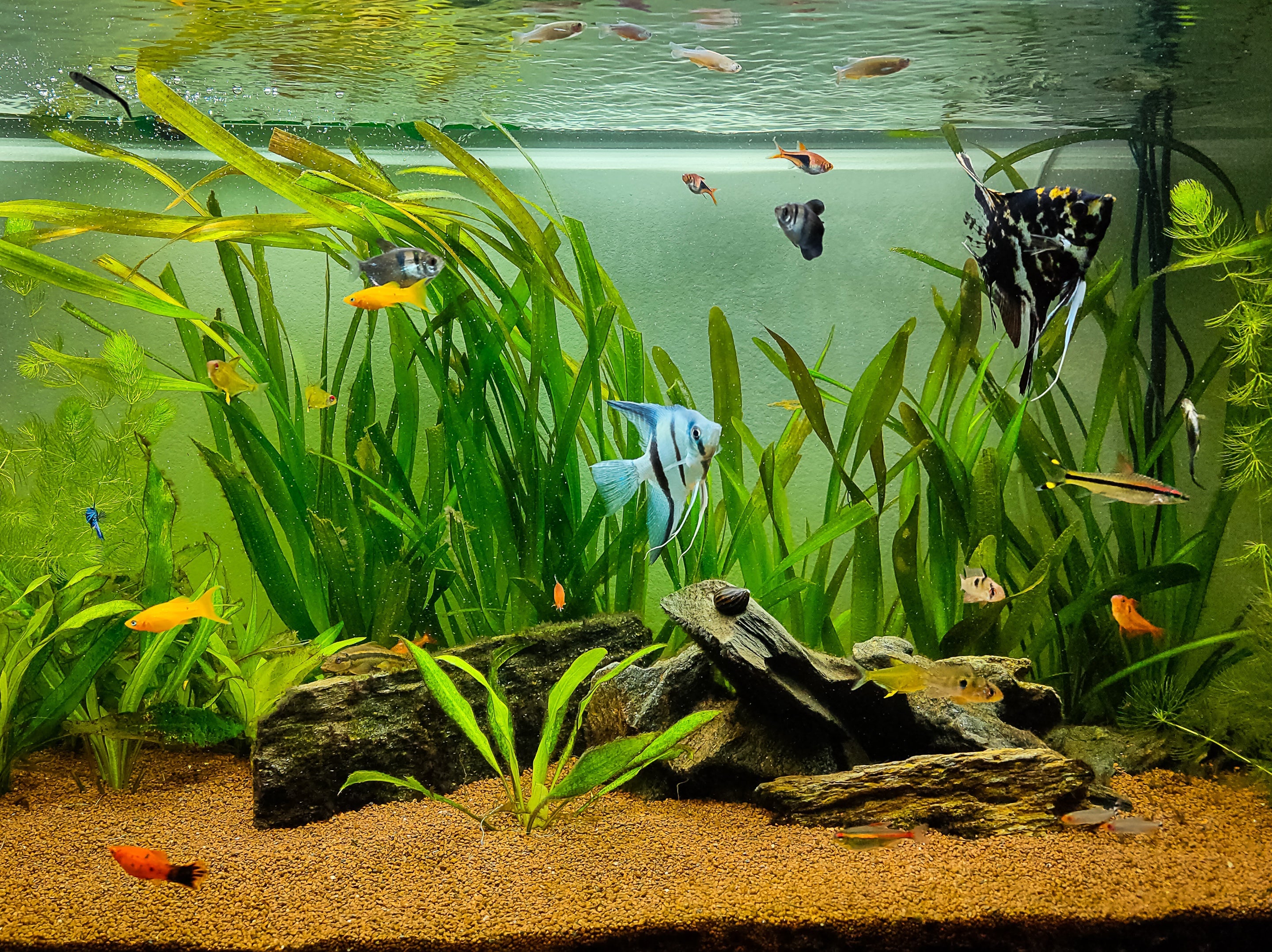
Credit: splashyfishstore.com
Frequently Asked Questions
How Do Tankmates Cause Discus Stress?
Tankmates can cause stress by being aggressive, overly active, or competing for food. Incompatible species may nip fins or chase discus. This disrupts their calm environment, leading to stress and health issues. Choosing peaceful, compatible tankmates helps maintain discus well-being and reduces stress.
What Are The Signs Of Discus Stress From Tankmates?
Signs include hiding, loss of appetite, faded colors, rapid breathing, and erratic swimming. Discus may also show fin damage or lethargy. Identifying these symptoms early helps prevent serious health problems and allows prompt action to reduce stress from tankmates.
Which Tankmates Are Best To Prevent Discus Stress?
Peaceful species like cardinal tetras, corydoras catfish, and small rasboras are ideal. Avoid aggressive or large fish that may intimidate discus. Compatible tankmates create a calm environment, reducing stress and promoting discus health and vibrant colors.
How To Manage Aggressive Tankmates With Discus?
Separate aggressive fish immediately to prevent injury. Use tank dividers or provide more hiding spots for discus. Regular observation and timely intervention help minimize stress and maintain harmony in the aquarium.
Conclusion
Keeping discus fish calm means watching how they live with tankmates. Choose peaceful fish and avoid overcrowding. Clean water and stable conditions help reduce stress. Watch your fish often for signs of trouble. Happy discus fish grow strong and show bright colors.
Simple care steps make a big difference. A calm tank is a healthy tank. Small changes can keep discus stress low. Enjoy your aquarium with peaceful, balanced fish.