
Have you ever wondered how to spot a truly rare discus fish color? If you’re passionate about keeping discus or just starting out, identifying these unique colors can be tricky but exciting.
Imagine owning a discus that stands out in any aquarium—vibrant, eye-catching, and one of a kind. You’ll learn the key tips and tricks to recognize rare discus colors with confidence. By the end, you’ll know exactly what to look for to make your collection shine brighter than ever before.
Keep reading and discover the secrets that will make your discus fish truly unforgettable.

Credit: www.dreamstime.com
Discus Rare Colors
Discus fish come in many colors. Some colors are common and easy to find. Rare colors are special and less seen.
Knowing how to identify rare colors helps hobbyists and collectors. It adds value to your fish collection.
Common Vs Rare Colors
Common discus colors include red, blue, and green patterns. These colors appear often in pet stores and fish farms.
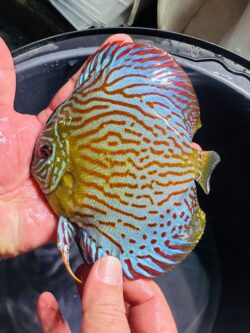
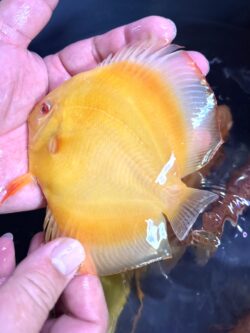
Rare colors show unusual shades or patterns. They may have bright gold, albino, or unique spots and stripes.
- Common colors: solid red, turquoise, green
- Rare colors: albino, golden, panda, cobalt blue
- Rare colors often cost more
- Rare colors may be harder to breed
Color Variations By Species
Different discus species show different color ranges. Some species have more rare colors than others.
For example, the Symphysodon aequifasciatus has common green and blue colors. The Symphysodon discus shows more red and gold shades.
| Species | Common Colors | Rare Colors |
|---|---|---|
| Symphysodon aequifasciatus | Green, Blue, Striped | Golden, Albino |
| Symphysodon discus | Red, Brown, Spotted | Panda, Cobalt Blue |
| Symphysodon tarzoo | Blue, Green | Albino, Golden |
Key Color Traits
Discus fish come in many rare colors that make them special. Knowing their color traits helps identify different types.
Two main traits to look at are hue and saturation, plus their unique pattern and markings.
Hue And Saturation
Hue means the basic color of the discus, like red, blue, or green. Saturation shows how bright or dull the color looks.
Rare discus colors often have rich, deep hues with high saturation. This makes the fish’s colors stand out sharply.
- Bright hues like electric blue or vivid red are rare.
- Low saturation makes colors look faded or pale.
- High saturation means the color is very strong and clear.
Pattern And Markings
Patterns and markings add to the discus’s unique look. These can include spots, stripes, or special shapes.
Rare discus often have unusual or complex patterns that help identify their type or breed.
- Spots can be small dots or large patches.
- Stripes vary in width and number.
- Markings may change as the fish grows.
- Some rare discus have metallic or iridescent marks.
Lighting Effects
Lighting plays a big role in seeing the true colors of rare discus fish. The right light helps show their special patterns and shades. It is important for identifying these rare colors correctly.
Different types of light can change how discus colors look. This guide explains how natural and artificial light affect their appearance.
Natural Light Influence
Natural light shows discus colors in their purest form. Sunlight has a full range of colors that make the fish look bright and clear. It helps to see subtle color differences.
Colors may look softer and more natural under daylight. Morning or late afternoon light is best because it is not too harsh. Direct midday sun can cause glare and make colors hard to see.
- Natural light displays true color tones
- Soft sunlight highlights fine details
- Best viewing times are morning and late afternoon
- Avoid direct midday sun to reduce glare
Artificial Light Impact
Artificial lights can change how discus colors appear. Some lights may make colors look brighter or duller than they really are. The type of bulb affects the fish’s look.
LED lights often enhance blues and reds but may hide subtle shades. Fluorescent lights give a cooler tone that can wash out colors. Using adjustable lights helps find the best color view.
- LED lights brighten red and blue colors
- Fluorescent lights create cooler color tones
- Adjustable lights help reveal true colors
- Check colors under different lights for accuracy
Genetic Factors
Discus fish have many colors. Some colors are rare and special. Genetics decides these colors.
Genes pass color traits from parents to young fish. Studying these genes helps identify rare colors.
Inheritance Of Rare Colors
Rare colors come from specific gene combinations. Parents pass these genes to their babies.
Some color genes are dominant. Others are recessive. Both types affect the fish’s look.
- Dominant genes show color even if only one parent has them.
- Recessive genes need both parents to pass the gene for color to appear.
- Sometimes multiple genes mix to create new colors.
Selective Breeding Techniques
Breeders choose fish with rare colors to mate. This helps keep or improve rare traits.
Breeders watch which pairs produce the best colors. They use this to plan future breeding.
- Select parents with strong rare colors.
- Breed many pairs to find good color matches.
- Track offspring colors to understand gene patterns.
- Repeat breeding to strengthen rare color traits.
Spotting Gems
Discus fish come in many colors. Some colors are very rare and special. Spotting these rare colors helps collectors and hobbyists.
Look closely at the fish to find clues about their rarity. Some signs appear on their body or in how they act.
Physical Indicators
Physical signs show the unique color traits of rare discus fish. These signs help identify if a discus is a true rare color.
| Indicator | Description | Why It Matters |
| Color Intensity | Bright and deep hues that stand out. | Shows strong genetic traits. |
| Pattern Uniqueness | Uncommon spots, stripes, or shapes. | Indicates rarity of color form. |
| Fin Color | Fins with matching or contrasting rare colors. | Completes the rare look. |
| Body Shape | Symmetrical and well-formed discus shape. | Healthy fish with good color display. |
Behavioral Clues
Behavior gives hints about the fish’s health and stress levels. Rare discus often show calm and confident behavior.
- Active swimming with smooth movements
- Clear response to feeding times
- Minimal hiding or stress signs
- Good interaction with other discus
Common Mistakes
Rare color identification can be a challenging task, especially when it comes to distinguishing between subtle variations. Even experienced collectors can make mistakes, which can lead to incorrect identification and potentially valuable pieces being overlooked.
Misidentifying Colors
Misidentifying colors is one of the most common mistakes in rare color identification. This can be due to a variety of factors, including:
- Lack of knowledge about the specific color variation
- Inadequate lighting or viewing conditions
- Color shifting or fading over time
It’s essential to understand that color identification is not always a straightforward process. Colors can appear differently under various lighting conditions, and subtle variations can be easily missed.
Overlooking Subtle Traits
Overlooking subtle traits is another common mistake in rare color identification. This can include:
- Ignoring minor imperfections or defects
- Not considering the overall condition of the piece
- Overlooking subtle variations in color, pattern, or texture
Subtle traits can significantly impact the value and authenticity of a piece. Failing to consider these factors can lead to incorrect identification and potentially costly mistakes.
| Common Mistake | Consequences |
|---|---|
| Misidentifying Colors | Incorrect identification, loss of value, and potentially valuable pieces being overlooked |
| Overlooking Subtle Traits | Incorrect identification, loss of value, and potentially costly mistakes |
Care Tips
Discus rare colors need special care to keep their brightness. Proper care helps them stay healthy and show off their colors well.
Learning the right steps for care makes your discus fish live longer and look their best.
Maintaining Vibrant Colors
Bright colors in discus fish come from good food and clean water. Feeding them quality food helps keep colors strong.
- Feed a varied diet with color-enhancing flakes and pellets
- Add live or frozen foods like bloodworms and brine shrimp
- Keep water clean by changing 25% weekly
- Maintain water temperature between 82°F and 86°F
- Reduce stress by avoiding sudden changes in the tank
Health And Environment
Healthy discus fish live in stable and clean tanks. Watch for signs of illness and keep the tank environment safe.
| Factor | Recommended Range |
| Water Temperature | 82°F – 86°F (28°C – 30°C) |
| pH Level | 6.0 – 7.0 |
| Ammonia | 0 ppm |
| Nitrite | 0 ppm |
| Nitrate | Below 20 ppm |
Credit: ozdiscus.com.au
Credit: ozdiscus.com.au
Frequently Asked Questions
What Defines A Rare Discus Fish Color?
Rare discus colors are unique hues not commonly found in standard varieties. They include unusual patterns and vibrant shades created through selective breeding and natural mutations. These colors increase the fish’s value and appeal among hobbyists and collectors.
How To Identify Genuine Rare Discus Colors?
Genuine rare discus colors show consistent, vibrant patterns and shades. Authenticity depends on reputable breeders and clear lineage. Observing the fish’s color intensity, pattern clarity, and overall health helps confirm if the color is truly rare.
Why Are Rare Discus Colors Valuable?
Rare discus colors are valuable due to their scarcity and visual appeal. They require special breeding techniques and time to develop. Collectors and enthusiasts often pay higher prices for unique and striking discus varieties.
Can Water Conditions Affect Discus Color Appearance?
Yes, water quality influences discus color vibrancy. Optimal pH, temperature, and cleanliness help maintain bright, vivid colors. Poor water conditions may dull or fade the fish’s natural hues, impacting their rare color traits.
Conclusion
Discus rare color identification helps you enjoy your fish more. Knowing colors makes choosing and caring for discus easier. It also helps you spot healthy fish quickly. Remember, every discus shows unique colors and patterns. Take your time to learn and observe closely.
This skill makes your aquarium more beautiful and fun. Keep exploring and appreciating these amazing fish.