
Are you curious about how fast your discus fish can grow? Understanding the discus growth rate is key to keeping your fish healthy and vibrant.
In this guide, you’ll discover what affects their growth, how to create the perfect environment, and tips to help your discus thrive. By the end, you’ll have the knowledge to watch your discus grow strong and beautiful, making your aquarium a stunning centerpiece.
Keep reading to unlock the secrets of discus growth and give your fish the best care possible.
Discus Growth Basics
Discus fish are known for their bright colors and round shape. They grow steadily with proper care. Understanding their growth needs helps keep them healthy.
Good growth depends on water quality, diet, and tank conditions. This guide covers the main points to support discus growth.
Key Growth Factors
Discus growth relies on several important factors. These include tank size, water changes, and stress levels. Keeping these stable helps fish grow well.
- Provide a large tank with enough swimming space
- Change water regularly to keep it clean
- Maintain low stress by avoiding sudden changes
- Keep tank mates peaceful and compatible
- Use proper lighting and temperature settings
Ideal Water Conditions
Water quality is key for discus health. Keep water clean and balanced. Ideal conditions promote good growth and prevent disease.
| Parameter | Ideal Range |
| Temperature | 82–86°F (28–30°C) |
| pH Level | 6.0–7.0 |
| Hardness (GH) | 1–8 dGH |
| Ammonia | 0 ppm |
| Nitrite | 0 ppm |
| Nitrate | < 20 ppm |
Proper Diet Essentials
Discus need a balanced diet for steady growth. Feed a mix of protein and vitamins. Avoid overfeeding to keep water clean.
- High-quality flakes or pellets made for discus
- Frozen or live foods like bloodworms and brine shrimp
- Vegetable matter such as spirulina flakes
- Feed small amounts 2 to 3 times daily
- Remove uneaten food after feeding

Credit: www.aquariumsource.com
Tank Setup Tips
Setting up the right tank helps discus fish grow fast and stay healthy. Good tank conditions reduce stress and boost their natural colors.
Use proper equipment and decorations to create a safe and comfortable home for your discus.
Optimal Tank Size
Discus need space to swim and grow. A bigger tank keeps water cleaner and reduces stress.
| Number of Discus | Minimum Tank Size (Gallons) |
|---|---|
| 1-3 | 50 |
| 4-6 | 75 |
| 7-10 | 100 |
Filtration And Aeration
Clean water is key to discus health. Use a filter that removes waste without strong currents. Aeration adds oxygen that discus need to breathe well.
- Choose a gentle sponge or canister filter
- Keep filter flow low to avoid stressing fish
- Use an air stone for steady oxygen supply
- Change water regularly to keep it fresh
Aquascaping For Comfort
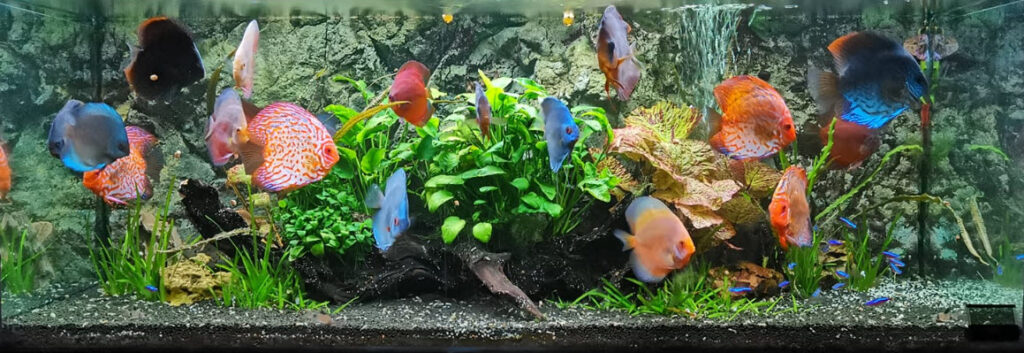
Discus feel safe with hiding spots and open swimming areas. Use soft plants and smooth decorations to avoid injuries.
- Place tall plants near the back and sides
- Leave open space in the middle for swimming
- Add driftwood or rocks for hiding
- Avoid sharp or rough decorations
Feeding Strategies
Proper feeding helps discus fish grow strong and healthy. Choosing the right foods and feeding often are key parts of good care.
This guide covers the best foods for growth, how often to feed, and useful supplements to add.
Best Foods For Growth
Discus fish need a balanced diet with protein and nutrients. Fresh, varied foods support their fast growth and bright colors.
- High-quality flakes or pellets made for discus
- Live or frozen bloodworms and brine shrimp
- Beef heart treats in small amounts
- Vegetable matter like spinach or peas
- Freshly prepared homemade mixes
Feeding Frequency
Young discus grow fast and need frequent feeding. Adult fish eat less often but still need regular meals.
| Age | Feedings per Day | Portion Size |
| Juvenile (0-6 months) | 4-5 times | Small, frequent meals |
| Sub-adult (6-12 months) | 3-4 times | Moderate meals |
| Adult (12+ months) | 2-3 times | Regular meals |
Supplements And Additives
Supplements can help discus fish grow well and resist disease. Use them carefully to avoid water problems.
- Vitamins added to food or water
- Mineral supplements like calcium
- Probiotics to improve digestion
- Spirulina powder for color and health
- Occasional garlic to boost immunity
Water Quality Management
Good water quality helps discus fish grow healthy and strong. Clean water reduces stress and disease risks.
Managing water quality includes checking key factors and doing regular cleaning. This keeps the tank safe for your fish.
Monitoring Parameters
Check water parameters often to keep discus fish safe. Use test kits to measure important factors.
- Temperature: Keep between 82°F and 86°F for best growth.
- pH Level: Maintain 6.0 to 7.0 to match natural habitat.
- Ammonia: Should always be zero; harmful to fish.
- Nitrite: Also keep at zero to avoid toxicity.
- Nitrate: Keep below 20 ppm for healthy fish.
- Water Hardness: Soft water is preferred, about 1-4 dGH.
Regular Maintenance Routines
Do water changes regularly to remove waste and keep water clean. Clean the tank and filter parts as needed.
- Change 25% to 50% of the water weekly.
- Use a gravel vacuum to clean the tank bottom.
- Rinse filter sponges in tank water to keep beneficial bacteria.
- Remove leftover food and debris daily.
Handling Common Issues
Watch for signs of poor water quality like cloudy water or sick fish. Act fast to fix these problems.
- Cloudy water: Check filter and do a partial water change.
- Fish gasping: Test oxygen levels and increase aeration.
- Algae growth: Reduce light hours and clean tank surfaces.
- Disease signs: Quarantine sick fish and check water parameters.
Health And Stress Reduction
Discus fish need good health to grow well. Stress can slow their growth and cause illness.
Keeping discus calm helps them stay strong and grow faster. Learn how to spot stress and reduce it.
Recognizing Stress Signs
Stress in discus shows in many ways. Watch for changes in color, behavior, and appetite.
Stressed discus may hide, breathe fast, or swim erratically. Early signs help you act quickly.
- Faded or darkened colors
- Hiding more than usual
- Loss of appetite
- Rapid gill movement
- Unusual swimming patterns
Disease Prevention
Healthy discus grow faster and live longer. Clean water and good food prevent many diseases.
Check water quality often. Remove uneaten food and waste to keep the tank safe.
- Test water for ammonia and nitrites
- Keep water temperature stable
- Feed high-quality discus food
- Do regular water changes
- Quarantine new fish before adding
Creating A Calm Environment
Discus feel safe in calm tanks. Avoid loud noises and sudden movements near the tank.
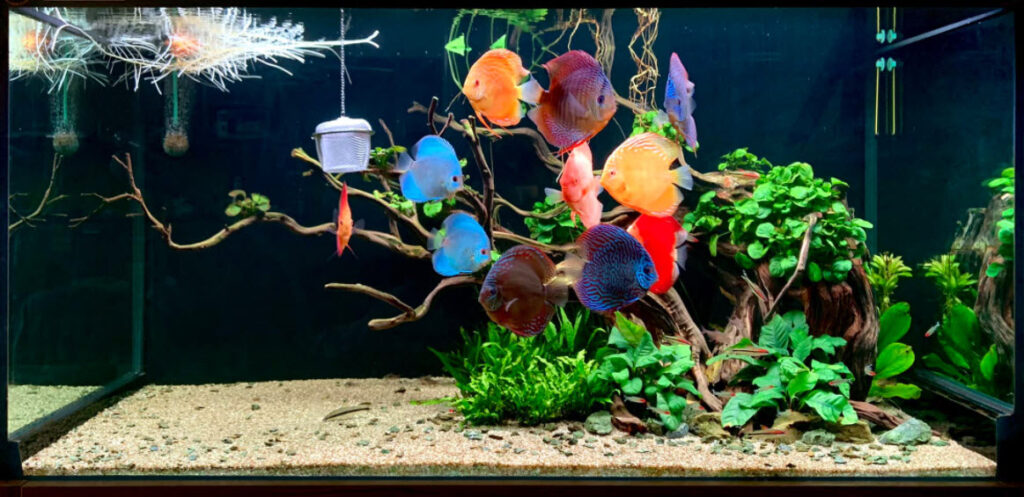
Provide hiding spots and soft lighting. This helps discus relax and grow well.
- Use plants and decorations for cover
- Keep tank lights dim or on a timer
- Place tank away from busy areas
- Handle discus gently and only when needed
Credit: aquainfo.nl
Breeding For Growth
Breeding discus fish for growth requires careful planning. It’s important to ensure the right conditions for healthy development. With the right approach, you can promote faster growth in young discus.
This guide will help you understand key aspects of breeding discus. Learn how to select the best breeding pairs, care for fry, and boost juvenile growth.
Selecting Breeding Pairs
Selecting the right breeding pairs is crucial for healthy fry. Choose fish that display desired traits and good health. Healthy parents produce strong offspring.
Look for fish with vibrant colors and active behavior. Avoid fish with visible deformities or signs of illness. Healthy genetics lead to better growth rates in fry.
- Choose fish with vibrant colors
- Avoid fish with deformities
- Select active and healthy fish
Raising Fry Successfully
Fry need special care to grow well. Provide a clean tank with stable water conditions. Consistent temperature and pH levels are important for their health.
Feed fry high-quality food designed for their size. Small, frequent feedings support steady growth. Monitor their development closely to catch any issues early.
- Maintain stable water conditions
- Feed high-quality food
- Provide small, frequent meals
Boosting Juvenile Growth
As fry mature into juveniles, their growth rate can be enhanced. Offer a spacious tank with ample swimming space. Good water quality remains essential.
Introduce a varied diet to provide necessary nutrients. Regular water changes support a healthy environment, promoting faster growth in juveniles.
- Provide a spacious tank
- Maintain water quality
- Offer a varied diet
Tracking Progress
Tracking the growth rate of your discus fish is essential. It helps ensure they are healthy and developing well. Regular monitoring can reveal growth patterns and any potential issues.
Understanding how to track progress can make a big difference. It allows you to adjust care plans as needed. This ensures your discus fish thrive in their environment.
Measuring Growth Rates
Measuring the growth rate of discus fish involves regular checks. Use a ruler or measuring tape to record their size. Track their weight using a small scale.
- Measure their length every month
- Record their weight regularly
- Note any unusual changes in size
Adjusting Care Plans
Care plans should be adjusted based on growth measurements. If growth is slow, check diet and water conditions. Ensure they have enough space and a balanced diet.
- Review their diet for proper nutrients
- Check water quality and temperature
- Ensure they have enough swimming space
Using Technology Tools
Technology can help track your discus fish growth. Use apps to log measurements and set reminders. Digital scales and smart thermometers provide accurate data.
| Tool | Function |
| App | Log measurements |
| Digital Scale | Check weight |
| Smart Thermometer | Monitor temperature |
Credit: aquainfo.nl
Frequently Asked Questions
How Fast Do Discus Fish Grow On Average?
Discus fish typically grow 1 to 2 inches in their first 6 months. Growth slows after this period.
What Factors Affect Discus Fish Growth Rate?
Water quality, diet, temperature, and tank size significantly impact discus growth speed and health.
How To Speed Up Discus Fish Growth Naturally?
Provide a balanced diet, maintain optimal water conditions, and keep stable temperatures for faster growth.
When Do Discus Fish Reach Full Size?
Discus fish usually reach full size, about 6-8 inches, within 12 to 18 months.
Conclusion
Discus fish grow steadily with proper care and diet. Patience and consistency help them reach full size. Keep water clean and temperature stable for best results. Feeding high-quality food boosts healthy growth. Watch your fish daily to catch any problems early.
Enjoy the process and learn as you go. Healthy discus bring beauty and life to your tank. Small steps lead to big success in discus care.