
Are you struggling to keep your discus fish healthy and vibrant? Feeding them the right food can make all the difference.
Frozen food is a popular choice among discus owners because it offers balanced nutrition and mimics their natural diet. But how do you choose the best frozen food, and what’s the right way to feed it? You’ll discover simple tips and expert advice to make your discus thrive.
Keep reading to unlock the secrets of successful discus frozen food feeding and watch your fish flourish like never before.
Benefits Of Frozen Food For Discus
Feeding frozen food to discus fish offers many advantages. Frozen food keeps nutrients fresh and safe.
This feeding method is easy and reduces health risks for your fish.
Nutritional Value
Frozen food retains most vitamins and minerals needed by discus fish. It often contains high protein and essential fats.
- Preserves vitamins better than fresh food left out
- Provides balanced nutrition for growth and color
- Contains natural oils for healthy skin and scales
Convenience And Storage
Frozen food is simple to store and use. It lasts longer than fresh options and can be portioned easily.
| Benefit | Description |
| Long Shelf Life | Can be stored for months without spoilage |
| Easy to Portion | Use exact amounts to avoid waste |
| Less Frequent Shopping | Buy in bulk and store safely |
Reduced Disease Risk
Frozen food lowers the chance of spreading diseases. Freezing kills many harmful bacteria and parasites.
- Freezing stops parasite growth
- Less chance of introducing infections
- Cleaner than some live food options
Types Of Frozen Food For Discus
Feeding discus fish with frozen food is a popular way to provide good nutrition. Frozen foods keep fresh nutrients and are easy to store.
There are several types of frozen food for discus. Each type offers different benefits for your fish’s health and color.
Bloodworms
Bloodworms are a favorite frozen food for many discus owners. They are rich in protein and help improve fish growth.
These worms have a bright red color that can enhance the color of your discus fish. They are easy to digest and encourage active feeding.
Brine Shrimp
Brine shrimp are small crustaceans commonly used as frozen food for discus. They provide essential vitamins and minerals.
Discus fish enjoy brine shrimp because they are soft and easy to eat. Feeding them helps keep your fish healthy and energetic.
Daphnia
Daphnia are tiny water fleas often used as frozen food. They help with digestion due to their natural fiber content.
This food is good for discus that have trouble with constipation. Daphnia also provide a source of protein and nutrients.
Mysis Shrimp
Mysis shrimp are small marine shrimp that are very nutritious. They contain high protein and omega-3 fatty acids.
Feeding mysis shrimp can help boost discus immune systems. They also improve fish color and overall health.
Choosing Quality Frozen Food
Discus fish need good nutrition to stay healthy. Frozen food is a popular choice for feeding them.
Picking quality frozen food helps keep your discus strong and colorful. Learn what to look for.
Source And Freshness
Good frozen food starts with a clean and fresh source. Look for food made from wild or farmed fish.
Freshness matters. Food should be frozen quickly after catching or harvesting to keep nutrients.
- Check if the food was frozen soon after being caught
- Choose trusted brands with clear source information
- Avoid food with signs of freezer burn or discoloration
Packaging And Storage Tips
Good packaging protects frozen food from air and moisture. This keeps the food safe and fresh.
Store frozen food in a freezer at a steady temperature below 0°F (-18°C). Avoid thawing and refreezing.
- Use airtight containers or sealed bags to prevent freezer burn
- Label packages with the date of purchase or freezing
- Keep food away from strong odors to avoid contamination

Credit: www.youtube.com
Feeding Frequency And Portion Size
Discus fish need frozen food to stay healthy and grow well. Feeding them the right amount at the right times helps keep them strong.
Giving too much or too little food can cause problems. Learn how often to feed and how much to give your discus.
Daily Feeding Schedule
Feed your discus fish 2 to 3 times a day. Small portions work best to avoid waste and keep the water clean.
Try to feed them at the same times each day. This routine helps discus fish feel safe and ready to eat.
- Morning: Offer a small portion of frozen food
- Afternoon: Feed a similar small amount
- Evening: Give a light feeding or skip if needed
Avoiding Overfeeding
Overfeeding can cause health issues and dirty water. Only give as much food as your discus can eat in 2 to 3 minutes.
Remove uneaten food quickly to keep the tank clean. Watch your fish for signs of overfeeding like bloating or slow swimming.
- Feed small portions often
- Observe how much food they eat
- Stop feeding if food is left uneaten
- Keep tank water clean by removing leftovers
Preparing Frozen Food For Feeding
Feeding discus fish frozen food helps provide balanced nutrition. Proper preparation keeps the food safe and tasty for your fish.
Careful thawing and adding supplements can improve feeding results. This guide shows how to prepare frozen food correctly.
Thawing Techniques
Thaw frozen food slowly to keep nutrients intact. Avoid using hot water or microwaves that can damage the food.
Place the frozen food in a small bowl. Leave it at room temperature until fully thawed.
- Use cold or lukewarm water for faster thawing
- Change the water often to keep it fresh
- Never refreeze thawed food
- Feed immediately after thawing
Enhancing Appeal With Supplements
Add vitamins or garlic to frozen food to boost discus health. Supplements can improve immune response and color brightness.
Mix supplements into thawed food. Stir well to spread nutrients evenly before feeding.
- Use vitamin-enriched oils for better nutrition
- Garlic powder can help reduce fish stress
- Feed small amounts to avoid waste
- Check supplement instructions for safe use
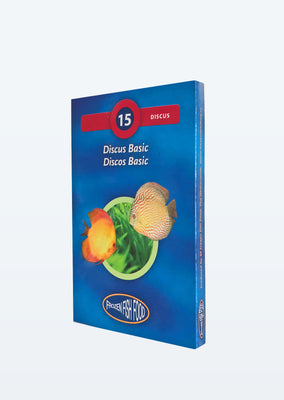
Credit: www.discus.ae
Signs Of Healthy Growth In Discus
Discus fish show their health through distinct signs. Recognizing these signs helps ensure their well-being.
Healthy Discus fish are vibrant, active, and well-shaped. Learn what to look for in your Discus.
Color Vibrancy
Their colors shine brightly when they are healthy. A dull color might indicate poor health or stress.
- Bright red shades indicate good health.
- Deep blues and greens are signs of a healthy fish.
- Monitor for any sudden color changes.
Active Behavior
Healthy Discus fish swim actively. They interact with their environment and other fish.
Watch for these active behaviors:
- Frequent swimming throughout the tank.
- Responsive to feeding times.
- Exploring different areas of the aquarium.
Proper Body Shape
A healthy Discus has a round, flat body. This shape is crucial for their well-being.
| Feature | Healthy Sign |
| Body Shape | Round and flat |
| Fin Condition | Intact and smooth |
| Eye Clarity | Clear and bright |
Common Mistakes To Avoid
Feeding discus fish can be tricky. Many make mistakes that affect their health.
Understanding common errors helps in maintaining a healthy environment for your fish.
Feeding Frozen Food Exclusively
Feeding only frozen food lacks variety. Discus need a balanced diet.
- Include live food for protein
- Offer pellets for vitamins
- Mix diets for overall health
Ignoring Water Quality
Water quality impacts discus health. Clean water is crucial.
| Parameter | Ideal Range |
| pH Level | 6.0 – 7.0 |
| Temperature | 82°F – 86°F |
| Ammonia | 0 ppm |
Overfeeding Risks
Overfeeding can lead to waste and dirty water. This harms discus fish.

Credit: www.pond-planet.co.uk
Frequently Asked Questions
What Is The Best Frozen Food For Discus Fish?
The best frozen foods for discus include bloodworms, brine shrimp, and daphnia. These mimic their natural diet and provide essential nutrients for growth and vibrant colors.
How Often Should I Feed Frozen Food To Discus?
Feed frozen food to discus 1-2 times daily. Balance it with high-quality pellets or flakes to ensure a varied and nutritious diet.
Can Frozen Food Improve Discus Health And Coloration?
Yes, frozen food enhances discus health by supplying proteins and vitamins. It also helps maintain bright colors and boosts their immune system effectively.
How To Properly Thaw Frozen Food For Discus?
Thaw frozen food in a bowl with aquarium water at room temperature. Avoid using hot water to preserve nutrients and prevent temperature shock.
Conclusion
Feeding frozen food to discus fish keeps them healthy and vibrant. It offers good nutrition and variety in their diet. Always thaw the food properly before feeding. Avoid overfeeding to keep the tank clean and safe. Watch your fish’s behavior to know if they like the food.
Consistent feeding helps discus grow strong and active. Try different frozen foods to find what suits your fish best. Healthy feeding leads to happy, colorful discus fish. Simple steps make feeding easy and effective for all hobbyists.