
If you want your discus fish to thrive and show their vibrant colors, controlling the right water temperature is key. You might think any warm water will do, but even small changes can affect your fish’s health and behavior.
In this guide, you’ll discover exactly what temperature keeps your discus happy and strong. Keep reading to learn how to create the perfect environment that helps your discus fish live their best life.
Credit: www.ratemyfishtank.com
Ideal Temperature Range
Discus fish need a warm and stable water temperature. The right temperature helps them stay healthy and active.
Keeping the water temperature within the ideal range reduces stress and supports their immune system.
Optimal Degrees For Discus Fish
The best temperature for discus fish is between 82°F and 86°F (28°C to 30°C). This range matches their natural habitat.
Temperatures below 80°F can make discus fish less active. Higher than 86°F can cause stress and health problems.
- Ideal range: 82°F – 86°F (28°C – 30°C)
- Below 80°F slows metabolism
- Above 86°F increases stress
Effects Of Temperature Fluctuations
Sudden changes in water temperature can harm discus fish. They are sensitive to fluctuations and may get sick.
Frequent temperature swings weaken their immune system. It can lead to diseases like ich or fin rot.
- Temperature swings cause stress
- Stress lowers disease resistance
- Stable temperature promotes good health
Credit: www.plantedtank.net
Temperature And Fish Behavior
Discus fish are sensitive to water temperature. The right temperature helps them stay healthy and active.
Water temperature affects how discus fish behave, eat, and move. Keeping the temperature steady is important.
Impact On Activity Levels
Discus fish swim and explore more when the water is warm. They become less active if the water is cold.
Low temperatures can make discus fish hide or stay still. High temperatures boost their energy but can stress them.
- Ideal temperature range: 82°F to 86°F (28°C to 30°C)
- Below 78°F (25.5°C) reduces activity
- Above 88°F (31°C) increases stress
Feeding Habits And Metabolism
Temperature changes affect how discus fish eat and digest food. Warm water speeds up their metabolism.
In colder water, discus fish eat less and digest slowly. Proper temperature helps them grow and stay strong.
- Higher temperatures increase appetite
- Metabolism slows down in cooler water
- Stable temperature supports healthy feeding
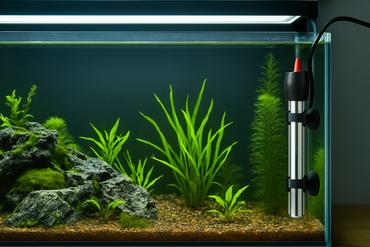
Setting Up The Aquarium Heater
Discus fish need warm water to stay healthy. Setting up the right heater keeps the tank temperature stable.
Proper heating helps discus fish grow and reduces stress. It is important to choose and place the heater carefully.
Choosing The Right Heater
Select a heater that matches your aquarium size. It should be strong enough to heat all the water evenly.
Look for heaters with adjustable temperature controls and safety features. These help keep the water at the perfect warmth.
- Use a heater rated for at least 3-5 watts per gallon
- Choose heaters with automatic shut-off to prevent overheating
- Pick heaters with clear temperature settings for easy adjustments
Placement Tips For Even Heating
Place the heater where water flows well. This spreads warm water throughout the tank evenly.
Avoid hiding the heater behind decorations. Keep it visible for easy checking and maintenance.
- Install the heater near the filter outlet for good water movement
- Keep the heater fully submerged according to the instructions
- Check the temperature in different tank areas to ensure even heat

Credit: www.pvas.com
Monitoring And Maintaining Temperature
Keeping the right temperature is very important for discus fish health. They need warm and stable water to thrive. Sudden changes can stress them and cause illness.
Regularly checking and controlling the tank temperature helps keep your discus fish safe and happy. Use good tools and habits to make sure the water stays just right.
Using Reliable Thermometers
A reliable thermometer shows the exact water temperature. Choose one that is easy to read and fits your tank size. Digital or glass thermometers work well.
Place the thermometer where you can see it clearly. Avoid spots near heaters or filters to get true temperature readings. Check it often to trust the results.
- Choose a clear and accurate thermometer
- Place it away from heaters and filters
- Check the thermometer regularly for accuracy
Daily Temperature Checks
Check the water temperature every day. This helps you catch changes before they harm your fish. Early detection can prevent stress and illness.
Write down the temperature each day. Look for patterns or sudden drops. Keep the temperature steady between 82°F and 86°F (28°C to 30°C).
- Check temperature at the same time daily
- Record readings in a notebook or app
- Keep water between 82°F and 86°F (28°C to 30°C)
- Adjust heaters if temperature changes
Seasonal Temperature Adjustments
Discus fish need the right water temperature to stay healthy. It is important to adjust their environment as seasons change.
Learn how to manage their tank temperature during winter and summer. This helps keep your discus fish comfortable all year round.
Handling Temperature Changes In Winter
Winter can make water colder. Discus fish like warm water, around 82-86°F (28-30°C). Use a reliable heater to maintain this range.
Check the heater regularly. A broken heater can cause temperature drops. Keep an eye on the thermometer to ensure the right temperature.
- Insulate the tank to retain heat
- Perform regular water checks
- Adjust heater settings as needed
Managing Heat In Summer Months
Summer can make water too warm. High temperatures stress discus fish. Aim to keep water below 86°F (30°C).
Use fans or air conditioning to cool the room. Ensure good ventilation around the tank to prevent overheating.
- Place tank away from direct sunlight
- Increase water surface agitation
- Monitor temperature with a reliable thermometer
Common Temperature-related Health Issues
Discus fish need stable water temperatures to stay healthy. Sudden changes can cause health problems. Knowing the signs of temperature stress helps keep your fish safe.
This guide covers how to spot temperature stress and how to prevent illness by controlling water temperature.
Signs Of Temperature Stress
Discus fish show several signs when stressed by wrong temperatures. Watch for changes in behavior and appearance.
- Loss of appetite or refusal to eat
- Clamped fins or unusual swimming patterns
- Rapid gill movement or heavy breathing
- Color fading or darkening
- Hiding more than usual
- Increased mucus on the body
Preventing Illness Through Temperature Control
Keeping water temperature steady helps prevent illness. Use a heater and thermometer to maintain the right range.
| Temperature Range | Effect on Discus Fish |
|---|---|
| 82°F – 86°F (28°C – 30°C) | Ideal for health and growth |
| Below 78°F (25.5°C) | Risk of slowed metabolism and illness |
| Above 88°F (31°C) | Stress and increased disease risk |
Regularly check your tank’s temperature. Avoid quick changes by adjusting slowly. Keep the tank clean to support fish health.
Tips For Temperature Stability
Keeping a steady temperature is very important for discus fish health. Sudden changes can stress the fish and cause illness.
This guide shares simple tips to keep the water temperature stable and safe for your discus fish.
Avoiding Sudden Temperature Swings
Sudden temperature changes can shock discus fish. Keep the aquarium away from windows, heaters, or air conditioners.
Check the water temperature often. Make small changes if needed, not big jumps all at once.
- Keep the tank away from direct sunlight
- Do not place the tank near doors or vents
- Use a reliable aquarium heater with a thermostat
- Adjust temperature gradually over hours or days
Using Insulation And Timers
Insulation helps keep the aquarium temperature steady. It stops heat from escaping during cold times.
Timers can control heaters and lights. They make temperature changes smooth and predictable for your fish.
- Wrap the tank with foam or special aquarium insulation
- Use a timer to turn heaters on and off at set times
- Set lights on a timer to keep a regular day-night cycle
- Monitor temperature daily to adjust timers if needed
Frequently Asked Questions
What Is The Ideal Temperature For Discus Fish?
Discus fish thrive best between 82°F and 86°F. Maintaining this range supports their health and vibrant colors. Sudden temperature changes can stress them, so keep the water stable for optimal wellbeing.
How Does Temperature Affect Discus Fish Behavior?
Temperature impacts discus activity and feeding habits. Warmer water increases metabolism, making them more active and hungry. Cooler temperatures slow them down and may reduce appetite, potentially affecting growth and health.
Can Discus Fish Survive In Low Temperatures?
Discus fish are sensitive to cold and prefer warm water. Temperatures below 78°F can weaken their immune system and cause stress. Avoid low temperatures to prevent illness and ensure long-term survival.
How To Maintain Stable Water Temperature For Discus?
Use a reliable aquarium heater with a thermostat to keep water steady. Monitor temperature daily with a thermometer. Avoid placing tanks near drafts or direct sunlight to prevent fluctuations.
Conclusion
Maintaining the right temperature keeps discus fish healthy and active. They thrive best between 82°F and 86°F. Avoid sudden changes to prevent stress and illness. Regular checks help catch problems early. A steady, warm environment supports their color and growth.
Remember, happy fish make a beautiful tank. Keep their water clean and stable. This simple care makes discus fish flourish.