
If you’ve ever wanted a fish that stands out with vibrant colors and graceful movements, the discus fish is your perfect match. These stunning creatures don’t just brighten up your aquarium—they bring a sense of calm and beauty that few other fish can offer.
But keeping discus fish healthy and happy takes some know-how. You’ll discover everything you need to create the ideal environment for your discus fish to thrive. Ready to transform your tank into a dazzling underwater world? Let’s dive in.
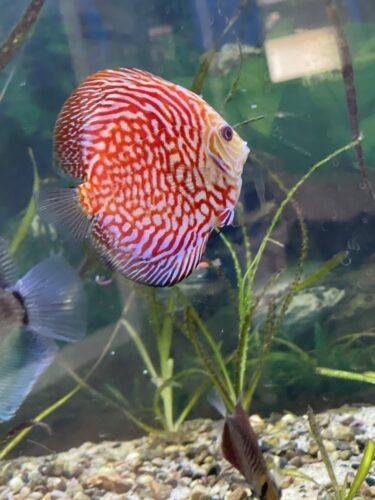
Credit: www.discus.com
Discus Fish Basics
Discus fish are popular freshwater fish known for their round shape and bright colors. They are a favorite among aquarium hobbyists.
These fish need special care and a calm environment to thrive. Learning about their needs helps keep them healthy.
Species Overview
Discus fish belong to the genus Symphysodon. They come from the Amazon River basin in South America.
There are several color varieties, including blue, red, and green discus. Each variety has unique patterns and shades.
- Size: 8 to 10 inches in diameter
- Shape: Round and flat-bodied
- Lifespan: 10 to 15 years with good care
- Diet: Omnivorous, eating flakes and live food
Natural Habitat
Discus fish live in slow-moving waters like lakes and floodplains. They prefer warm, soft, and acidic water conditions.
Their natural habitat has many plants and submerged tree roots. These areas give them shelter and food sources.
- Water temperature: 82°F to 86°F (28°C to 30°C)
- pH level: 6.0 to 7.0
- Water hardness: Soft to moderately hard
- Environment: Shaded with lots of plants
Behavior Traits
Discus fish are peaceful and social animals. They like to live in groups of five or more.
They communicate by changing colors and body language. They can be shy and hide when stressed.
- Peaceful with other fish
- Swim in schools for safety
- Show care for their young
- Require calm water and low noise

Credit: goldenstatediscus.com
Tank Setup Essentials
Setting up the right tank for Discus fish is important. They need a clean and stable environment.
This guide covers key points to prepare a perfect home for your Discus fish.
Tank Size Requirements
Discus fish require plenty of space to swim freely. A larger tank helps keep water quality stable.
A minimum tank size of 50 gallons is recommended for a small group of Discus fish.
Water Conditions
Discus fish thrive in warm, soft, and slightly acidic water. Keep the temperature between 82°F and 86°F.
- pH level: 6.0 to 7.0
- Temperature: 82°F to 86°F (28°C to 30°C)
- Soft water with low mineral content
- Stable water parameters are essential
Filtration And Aeration
Good filtration keeps the water clean and safe. Aeration adds oxygen and helps fish breathe.
| Type | Purpose |
| Canister Filter | Strong mechanical and biological filtration |
| Sponge Filter | Gentle filtration and good for aeration |
| Air Pump | Increases oxygen in water |
Substrate And Decorations
Use fine sand or smooth gravel as substrate. Avoid sharp edges to protect Discus fish.
Ideal decorations include:
- Driftwood for hiding spots
- Live plants to improve water quality
- Rocks with smooth surfaces
Lighting Tips
Moderate lighting helps Discus fish feel safe. Avoid bright or flashing lights.
- Use LED lights with adjustable brightness
- Provide 8 to 10 hours of light daily
- Include shaded areas with plants or decorations
Feeding Discus Fish
Feeding discus fish is important for their health and color. They need a balanced diet to grow well.
Choosing the right food and feeding schedule keeps discus fish active and strong.
Diet Options
Discus fish eat many foods. They like protein-rich items to keep their colors bright.
You can feed them flakes, pellets, frozen or live foods. Variety helps their health.
- Flakes and pellets made for discus
- Bloodworms and brine shrimp (frozen or live)
- Beef heart, chopped finely
- Vegetables like spinach or peas
Feeding Frequency
Feed young discus fish more often than adults. Young fish need more energy to grow.
Adult discus usually eat two to three times per day. Small amounts prevent water pollution.
- Young discus: 3-4 times daily
- Adult discus: 2-3 times daily
- Feed only what they eat in 2-3 minutes
Homemade Vs Commercial Food
Homemade food lets you control ingredients. It can be fresh and healthy for discus.
Commercial food is easy to use and balanced. Choose high-quality brands without fillers.
- Homemade food: beef heart, shrimp, vegetables
- Commercial food: flakes, pellets, frozen discs
- Mix both for best nutrition
Supplements And Treats
Supplements add vitamins and minerals that discus need. Use them to boost health.
Treats like live foods encourage natural hunting and improve fish activity.
- Vitamin supplements in food or water
- Live foods such as daphnia or mosquito larvae
- Use treats once or twice a week

Credit: myrtlebeachdiscus.com
Health And Disease
Discus fish are beautiful but delicate pets. Their health depends on good care and clean water.
Knowing common illnesses and how to prevent and treat them helps keep discus fish healthy.
Common Illnesses
Discus fish face diseases like ich, fin rot, and bacterial infections. These illnesses cause stress and can be fatal.
- Ich: White spots appear on the body and fins.
- Fin Rot: Fins look ragged or decayed.
- Bacterial Infections: Red sores or swelling on the fish.
- Hole-in-the-Head Disease: Small pits form on the head.
Preventive Measures
Prevent diseases by keeping the tank clean and stable. Healthy fish resist sickness better.
| Preventive Action | Details |
| Water Quality | Test and change water regularly to keep parameters stable. |
| Temperature | Keep water between 82°F and 86°F for discus comfort. |
| Tank Cleanliness | Remove uneaten food and waste daily. |
| Quarantine | Isolate new fish for two weeks before adding to main tank. |
| Proper Nutrition | Feed high-quality food to boost immunity. |
Treatment Approaches
Treat diseases early to avoid severe damage. Use correct medicines and tank care.
- Identify the disease by symptoms.
- Isolate the sick fish to prevent spread.
- Use recommended medication for the specific illness.
- Maintain good water quality during treatment.
- Follow the full treatment course even if fish improves.
Tank Mates And Compatibility
Discus fish are peaceful and need calm tank mates. Choosing the right companions helps keep the tank stable.
Careful selection avoids stress and aggression. Compatibility means better health for all fish.
Ideal Companions
Discus fish do well with species that share similar water needs and peaceful behavior. Small, gentle fish are best choices.
- Cardinal tetras
- Rummy nose tetras
- Corydoras catfish
- Ram cichlids
- Otocinclus catfish
Species To Avoid
Avoid aggressive or fast-moving fish. They can stress discus fish or compete for food.
| Species | Reason to Avoid |
| Angelfish | Territorial, may attack discus |
| Large barbs | Fin nippers, aggressive |
| Oscar fish | Too large, may eat discus |
| Gouramis | Can be aggressive and outcompete |
Community Tank Tips
Keep water clean and stable. Discus fish need warm, soft water and low nitrate levels.
- Use gentle filtration to avoid strong currents
- Feed all fish with suitable food to reduce competition
- Keep tank size large enough for all species
- Observe fish daily for signs of stress or aggression
- Introduce new fish slowly and carefully
Breeding Discus Fish
Discus fish are colorful and unique freshwater fish. Breeding them is rewarding and requires specific conditions. This guide helps you understand how to breed these fascinating fish successfully.
Ensuring the right environment and care is crucial for breeding discus fish. Let’s explore the conditions needed, the spawning process, and how to raise the fry effectively.
Breeding Conditions
Breeding discus fish requires a clean and stable environment. The water should be soft and slightly acidic. Maintain a temperature between 82°F and 86°F.
Provide a spacious tank with hiding spots and plants. This helps the fish feel safe and reduces stress. Use a gentle filter to keep the water quality high.
- Water pH: 6.0 to 6.5
- Water Hardness: Low
- Temperature: 82°F to 86°F
- Ample hiding spots
- Gentle water flow
Spawning Process
Once conditions are right, discus fish will pair up. They clean a flat surface for their eggs, usually on a leaf or a tank wall. The female lays the eggs, and the male fertilizes them.
The parents guard the eggs closely. It takes about 48 to 60 hours for the eggs to hatch. This is a critical time, and the parents are very attentive.
- Pairing and cleaning a surface
- Egg laying and fertilization
- Egg guarding
- Hatching in 48 to 60 hours
Raising Fry
After hatching, fry attach to their parents’ bodies for nourishment. This stage lasts for about a week. Parents produce a special mucus that feeds the fry.
As the fry grow, they start to swim independently. You can start feeding them baby brine shrimp. Ensure the water remains clean and stable for healthy growth.
- Fry feed on parents’ mucus
- Start swimming independently
- Introduce baby brine shrimp
- Maintain clean water
Maintenance And Care Routine
Discus fish are beautiful and delicate creatures. They need a proper care routine to stay healthy. Maintaining their environment is essential for their well-being.
Regular maintenance ensures your discus fish thrive. Let’s explore the key areas of their care routine.
Water Changes
Discus fish need clean water to live well. Regular water changes are crucial. They help remove waste and toxins.
Change about 25% of the water every week. This keeps the water fresh and healthy for your fish.
- Use dechlorinated water for changes
- Maintain water temperature between 82-86°F
- Check pH levels weekly, aim for 6.0-7.0
Cleaning Schedule
Keeping the tank clean is vital for discus fish health. A regular cleaning schedule helps prevent diseases.
Clean the tank walls and decorations weekly. This prevents algae buildup. Vacuum the substrate to remove debris.
- Use a soft brush for cleaning surfaces
- Rinse filters monthly to keep them efficient
- Check equipment for damage during cleaning
Monitoring Fish Health
Regularly monitor your discus fish for signs of illness. Early detection helps in providing prompt treatment.
Observe their behavior and appetite daily. Healthy fish are active and eat regularly.
- Check for unusual spots or color changes
- Look for signs of stress like fin clamping
- Ensure fish are swimming normally
Frequently Asked Questions
What Is The Ideal Tank Size For Discus Fish?
Discus fish need at least a 50-gallon tank for a small group. Larger tanks help maintain stable water conditions and reduce stress.
How Often Should I Feed Discus Fish Daily?
Feed discus fish 2-3 times daily with high-quality flakes or pellets. Include frozen or live foods for a balanced diet.
What Water Conditions Do Discus Fish Require?
Discus prefer warm water between 82-86°F and soft, slightly acidic water with pH 6. 0-7. 0. Regular water changes keep them healthy.
Are Discus Fish Suitable For Beginners?
Discus fish are challenging due to sensitive water needs. Beginners should research thoroughly or start with easier species first.
Conclusion
Discus fish add beauty and calm to any aquarium. They need clean water and gentle care. Feeding them right helps keep them healthy. Watching their colors and movements brings joy. Start with a small group to learn easily. Patience grows your confidence as a fish keeper.
Enjoy the peace these fish bring to your home.