
Are you ready to see your discus fish eggs hatch into healthy, vibrant fry? Taking care of discus eggs can feel tricky, but with the right tips, you can boost their chances of survival and watch your aquarium come alive with new life.
You’ll discover simple and effective discus egg care tips that anyone can follow. Whether you’re a beginner or looking to improve your skills, these insights will help you protect your precious eggs and enjoy the rewarding experience of raising discus fish.
Keep reading to unlock the secrets to successful discus egg care!
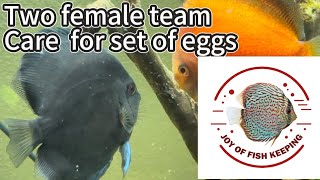
Credit: www.youtube.com
Preparing The Breeding Tank
Setting up a good breeding tank is key to caring for discus eggs. The right environment helps eggs develop well.
Focus on tank size, water quality, and the right substrate. These factors keep the eggs safe and healthy.
Ideal Tank Size And Setup
Use a tank that holds at least 20 gallons. This gives discus enough space to breed and protects eggs.
Keep the tank simple with few decorations. Use flat surfaces for the fish to lay their eggs on.
- 20 to 30 gallons tank size
- Use flat stones or slate for egg laying
- Place gentle filters to keep water clean
- Avoid strong water currents
Water Conditions And Parameters
Keep water warm and clean. Discus eggs need stable water to grow well.
Check water pH, temperature, and hardness often. These should stay within safe ranges.
- Temperature: 82 to 86°F (28 to 30°C)
- pH: 6.0 to 6.5
- Soft water with low hardness
- Use a gentle filter and change water often
Choosing Suitable Substrate
Choose a smooth substrate or none at all. Discus like to lay eggs on clean, flat surfaces.
Avoid rough or sharp gravel. It can hurt the eggs or make cleaning hard.
- Use bare bottom tanks or smooth slate
- Avoid coarse gravel or sand
- Keep substrate clean to prevent fungus

Credit: www.reddit.com
Selecting Healthy Discus Pairs
Choosing healthy discus fish is important for successful breeding. Healthy pairs lay strong eggs and raise healthy fry.
Look closely at the fish before pairing them to ensure they are ready and compatible. This helps prevent stress and health issues.
Identifying Breeding Ready Fish
Breeding ready discus show clear signs of maturity. Their bodies look full and round, especially the females.
Check their behavior. Ready fish often clean a flat surface and swim closely together.
- Bright, even color without spots or damage
- Full, rounded belly in females
- Active and calm swimming
- Interest in cleaning surfaces
- Pair swimming side by side
Signs Of Compatibility
Compatible discus pairs show trust and calmness around each other. They spend time close and do not fight.
Watch for gentle touching and shared cleaning behavior. These signs show the pair can work well together.
- Swimming side by side without aggression
- Mutual cleaning of tank surfaces
- Calm behavior when near each other
- Sharing food without conflict
- Building a nest area together
Spawning And Egg Laying
Discus fish are popular for their beauty and unique breeding habits. Understanding their spawning and egg-laying is key to caring for them.
Proper care during this time helps ensure healthy eggs and fry. This guide covers how to recognize spawning behavior and the best places for egg laying.
Recognizing Spawning Behavior
Discus fish show clear signs before they spawn. They clean a flat surface together and become very close.
Pairs often chase each other gently and display bright colors. You may see them rubbing their bodies on surfaces.
- Cleaning a smooth surface
- Bright color display
- Gentle chasing and rubbing
- Spending more time close together
Best Surfaces For Egg Deposition
Discus fish prefer flat, clean surfaces for laying eggs. Smooth surfaces help eggs stick better and stay safe.
Good places include broad leaves, flat stones, or aquarium glass walls. Avoid rough or dirty surfaces.
- Large, broad leaves
- Flat, smooth stones
- Clean aquarium glass
- Avoid rough or uneven spots
Egg Care Practices
Taking care of discus fish eggs is very important for their survival. Proper care helps eggs develop into healthy baby fish.
Good egg care includes keeping water clean, preventing fungus, and handling eggs carefully.
Maintaining Water Quality
Clean water is key for discus eggs. Dirty water can harm or kill the eggs. Change water often to keep it fresh.
Use a gentle filter to avoid strong currents. Keep water temperature steady between 82 and 86°F (28 to 30°C).
- Change 20-30% of water daily
- Keep temperature steady
- Use a gentle water flow
- Test water for ammonia and nitrites
Preventing Fungus And Infections
Eggs can get fungus easily. Fungus looks like white or gray fuzz on eggs. It can kill eggs fast.
Use antifungal treatments safe for discus eggs. Remove dead eggs quickly to stop fungus spread.
- Watch eggs for white fuzz
- Remove dead or damaged eggs immediately
- Use antifungal products made for fish eggs
- Keep tank clean and stable
Handling Unfertilized Eggs
Unfertilized eggs do not grow and can spoil the water. Remove these eggs gently to protect healthy ones.
Use a soft tool like a small pipette or turkey baster to suck out unfertilized eggs without harming others.
- Check eggs daily for signs of growth
- Remove eggs that stay clear or turn white
- Handle eggs with care to avoid damage
- Keep a clean environment for better egg health
Feeding And Caring For Fry
Taking care of discus fry requires careful feeding and tank maintenance. Proper care helps them grow healthy and strong.
Feeding the fry the right food and keeping their environment clean is very important for their survival.
First Foods For Hatchlings
Discus fry need soft, easy-to-digest foods at first. Their parents often feed them mucus from their skin in the wild.
- Infusoria or freshly cultured microscopic organisms
- Baby brine shrimp after a few days
- Crushed high-quality fry food pellets
- Soft boiled egg yolk mashed finely
Feeding Frequency And Amount
Feed discus fry small amounts often. This prevents water pollution and ensures good nutrition.
- Feed 4 to 6 times a day with tiny portions.
- Remove uneaten food within 30 minutes.
- Increase food size gradually as fry grow.
- Watch fry behavior to adjust feeding amounts.
Tank Conditions For Fry Growth
Good water quality and temperature are key to fry growth. Keep the tank clean and stable.
| Parameter | Recommended Range |
|---|---|
| Temperature | 28–30°C (82–86°F) |
| pH Level | 6.0–6.5 |
| Water Hardness | Soft to moderately hard (1–8 dGH) |
| Filtration | Gentle flow, sponge filter preferred |
| Water Changes | 20–30% weekly |
Common Challenges And Solutions
Discus fish are popular for their vibrant colors and gentle nature. Caring for their eggs can be a rewarding challenge. There are common hurdles in discus egg care, but each has solutions.
Understanding and addressing these challenges ensures healthy development of discus eggs. Let’s explore solutions for common issues.
Dealing With Egg Predation
Egg predation can be a serious problem in discus tanks. Other fish or even the parents might eat the eggs.
To prevent this, it’s important to separate the eggs. Use a breeding tank or a divider to protect them. Ensure the parents are calm and not stressed.
- Use a breeding box or separate tank
- Monitor parent behavior closely
- Remove aggressive tank mates
Addressing Water Parameter Fluctuations
Stable water parameters are crucial for egg health. Fluctuations can harm developing embryos.
Regularly test the water for pH, ammonia, and nitrite levels. Maintain a consistent temperature to ensure egg safety.
- Use a reliable water testing kit
- Adjust pH with safe products
- Keep temperature between 82-86°F
Recognizing And Treating Diseases
Diseases can affect discus eggs and lead to poor hatch rates. Recognizing early signs is key.
Look for changes in egg color or fungus growth. Use anti-fungal treatments if needed and maintain a clean tank environment.
- Inspect eggs daily for changes
- Apply anti-fungal treatments as necessary
- Keep water clean and filtered
Tips For Successful Breeding
Discus fish are beautiful and fascinating creatures. Breeding them can be rewarding. Proper care of their eggs is crucial for success.
Understanding their needs can help in raising healthy fry. Let’s explore some useful tips for breeding discus fish.
Encouraging Natural Parental Care
Discus fish often care for their eggs naturally. Providing a calm environment helps them feel secure.
Avoid too many disturbances. This allows the parents to focus on their eggs.
- Keep the tank in a quiet room
- Maintain stable water conditions
- Limit sudden changes in lighting
Timing And Seasonal Considerations
Timing plays a role in breeding success. Discus fish may breed better in certain seasons.
Observe their behavior and adjust the environment accordingly.
- Monitor water temperature closely
- Adjust lighting to simulate natural conditions
- Track breeding patterns over time
Using Supplements For Health Boost
Supplements can enhance the health of discus fish. Healthy fish are more likely to breed successfully.
Consider adding vitamins and minerals to their diet. This supports their immune system.
- Use high-quality fish food
- Include vitamin supplements
- Provide a varied diet for balanced nutrition

Credit: www.aquariumsource.com
Frequently Asked Questions
How Do I Care For Discus Fish Eggs Properly?
Maintain clean, warm water around 82-86°F with gentle filtration. Remove fungus with antifungal treatments. Avoid disturbing eggs to ensure healthy development.
When Do Discus Eggs Typically Hatch?
Discus eggs hatch within 48 to 60 hours after spawning. Hatching time depends on water temperature and conditions.
How Can I Prevent Fungus On Discus Eggs?
Use antifungal medications and keep water clean. Avoid overcrowding and maintain stable water parameters to reduce fungal growth.
Should I Remove Discus Parents After Spawning?
No, discus parents care for eggs and fry. Only intervene if parents show aggression or neglect.
Conclusion
Caring for discus eggs takes patience and attention. Keep the water clean and temperature steady. Watch the eggs daily for any signs of fungus. Remove any dead or infected eggs quickly. Provide gentle water flow to keep eggs oxygenated. Avoid disturbing the tank during this time.
Healthy eggs lead to strong, happy baby fish. Your care makes all the difference in their growth. Simple steps bring great results in discus breeding. Stay consistent and enjoy the process of raising discus fry.