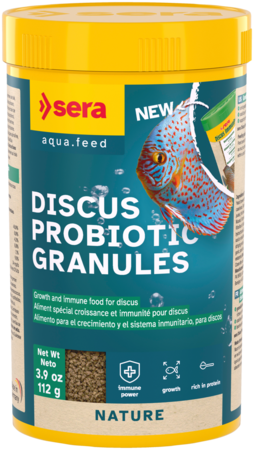
If you own a discus fish, you know how beautiful and delicate these creatures are. But did you know that discus fish are also prone to certain diseases that can quickly harm their health?
Protecting your discus from illness isn’t just about treatment—it starts with prevention. Imagine your fish swimming vibrant and healthy, free from stress and sickness. You’ll discover simple, effective steps you can take right now to keep your discus disease-free and thriving.
Keep reading to learn how to create the perfect environment and routine that will make your discus stronger and happier every day.

Credit: www.fishelly.com
Common Discus Diseases
Discus fish are beautiful but delicate pets. They need clean water and good care to stay healthy. Many diseases can affect them if conditions are poor.
Knowing the common diseases helps you act fast. Treating problems early saves your fish from serious harm.
Bacterial Infections
Bacterial infections often cause fin rot, ulcers, and cloudy eyes. These infections come from dirty water or injury. Good water quality and clean tanks prevent most bacterial problems.
Signs of bacterial infections include:
- Red streaks on fins or body
- White or yellow patches on skin
- Fish hiding or not eating
- Rapid breathing or gasping
Parasitic Infestations
Parasites such as ich and flukes cause itching and damage. They attach to skin or gills and make fish scratch on objects. These parasites spread quickly in crowded tanks.
| Parasite | Symptoms | Common Treatment |
| Ich (White Spot) | Small white dots on body | Temperature rise and medication |
| Gill Flukes | Labored breathing, red gills | Anti-parasitic drugs |
| Skin Flukes | Scratching and mucus build-up | Bath treatments and meds |
Fungal Issues
Fungal infections look like cotton or fuzz on the fish. These grow on damaged skin or fins. Poor water conditions cause fungi to spread.
Common fungal infection signs include:
- White cottony patches on body or fins
- Soft and decaying skin areas
- Loss of appetite and lethargy
Stress-related Illnesses
Stress weakens discus fish and lowers their immunity. Causes include bad water, sudden changes, and overcrowding. Stress can lead to many other diseases.
- Keep water clean and stable
- Feed balanced and nutritious food
- Avoid overcrowding tanks
- Handle fish gently during tank maintenance
Water Quality Management
Good water quality helps keep discus fish healthy. Clean water stops many diseases.
Managing water means controlling its chemistry and cleanliness. This protects your fish every day.
Optimal Water Parameters
Discus fish need stable water conditions. Temperature should be 82 to 86°F (28 to 30°C).
Keep pH between 6.0 and 7.0. Soft water with low hardness is best for their health.
Regular Testing And Monitoring
Test water weekly to catch problems early. Check ammonia, nitrite, nitrate, and pH levels.
- Use a reliable test kit for accuracy
- Keep a log of your test results
- Watch for sudden changes in water chemistry
- Adjust water conditions if needed
Effective Filtration Systems
A good filter removes waste and toxins. It also adds oxygen to the water.
| Filter Type | Purpose | Maintenance |
| Canister Filter | Mechanical and biological cleaning | Clean monthly |
| Sponge Filter | Gentle aeration and bio-filtration | Rinse weekly |
| Hang-on-back Filter | Easy mechanical filtration | Replace media biweekly |
Water Change Schedules
Change water regularly to keep it fresh. This lowers harmful chemicals and dirt.
- Change 25% of the water every week
- Use water with similar temperature and pH
- Remove uneaten food before changes
- Clean tank decorations if needed
- Check fish behavior after water changes
Nutrition For Disease Resistance
Good nutrition helps discus fish fight diseases. A healthy diet boosts their immune system. Feeding them right keeps them strong and active.
Proper food choices reduce the chance of infections. Nutrition supports healing and keeps discus vibrant. Focus on balanced meals with needed nutrients.
Balanced Diet Components
A balanced diet includes protein, vitamins, and minerals. Protein builds tissue and supports growth. Vitamins help fight infections and keep organs working well.
Include fresh vegetables and quality fish food. Avoid overfeeding to prevent water pollution. Fresh food improves digestion and nutrient absorption.
- High-quality protein like brine shrimp or bloodworms
- Vegetables such as peas and spinach
- Essential fatty acids for energy and cell health
- Natural carotenoids for color and immune support
Supplements And Vitamins
Supplements add extra nutrients discus may miss. Vitamins A, C, and E boost immune defense. They help reduce stress and heal wounds faster.
Use supplements carefully and follow instructions. Too much can harm fish health. Choose natural, fish-safe vitamin products for best results.
- Vitamin C for stronger immune system
- Vitamin A for skin and eye health
- Vitamin E to reduce inflammation
- Probiotics to improve gut health
Feeding Frequency And Quantity
Feed discus small amounts two to three times daily. Frequent feeding supports steady energy and nutrient use. Avoid large meals that cause waste build-up.
Watch for leftover food and remove it. Overfeeding leads to poor water quality and disease risk. Adjust feeding based on fish size and activity.
- Feed 2-3 times per day in small portions
- Remove uneaten food after 5 minutes
- Adjust quantity as fish grow or change behavior
- Keep feeding consistent to maintain health
Tank Maintenance Practices
Keeping your discus fish healthy starts with good tank care. Proper tank maintenance helps prevent diseases.
Regular cleaning and careful management of the tank environment are key. This keeps water safe and fish happy.
Cleaning Techniques
Clean the tank walls and equipment weekly. Remove algae and debris to keep the water clear.
Use a siphon to vacuum waste from the substrate. Change 20-30% of the water every week.
- Use a soft sponge for glass cleaning
- Do not use soap or chemicals
- Clean filters monthly but keep beneficial bacteria
- Remove uneaten food daily
Substrate And Decor Care
Keep the substrate clean by vacuuming often. This stops harmful bacteria from growing.
Clean decorations carefully. Remove them and scrub with warm water if needed.
- Do not use soap on decor
- Rinse gravel and rocks before putting them back
- Check for mold or algae growth regularly
Avoiding Overcrowding
Do not keep too many discus fish in one tank. Overcrowding stresses fish and spreads disease.
Choose the right tank size. Give each fish enough space to swim freely.
- One discus needs at least 10 gallons of water
- More space means less waste and better water quality
- Watch for aggressive behavior caused by crowding
Quarantine And Observation
Discus fish are sensitive and can catch diseases easily. Quarantine helps keep them healthy. Observation helps spot problems early.
Using a quarantine tank stops diseases from spreading. Watching new fish carefully protects your tank.
Setting Up A Quarantine Tank
A quarantine tank is a separate tank for new or sick discus fish. It keeps them away from healthy fish.
Choose a small tank with good filtration and heater. Keep water clean and stable. Avoid decorations that trap dirt.
- Use a tank of 20-30 gallons
- Keep water temperature between 82-86°F (28-30°C)
- Install a gentle filter to avoid stress
- Change 25% of water twice a week
- Do not add gravel or plants
Monitoring New Fish
Watch new discus fish closely for at least two weeks. Look for signs of stress or illness.
Check their appetite, movement, and breathing. Healthy fish swim actively and eat well.
- Observe daily for unusual spots or wounds
- Look for clamped fins or rapid breathing
- Note any white patches or fuzzy growths
- Remove fish showing signs of disease immediately
Early Disease Detection
Finding disease early helps treat discus fish quickly. It stops the problem from spreading.
Check fish for common symptoms like color changes, spots, or slow swimming. Use a magnifying glass if needed.
- Look for loss of appetite or weight
- Watch for white or red marks on skin
- Notice if fish scratch against objects
- Check for swollen or cloudy eyes
- Isolate sick fish to prevent infection

Credit: www.reddit.com
Stress Reduction Strategies
Stress is a common cause of disease in discus fish. Reducing stress can help prevent a range of health issues, from minor skin lesions to life-threatening conditions.
Avoiding stress is crucial for keeping your discus healthy. By understanding the factors that contribute to stress, you can take steps to minimize them and create a stress-free environment for your fish.
Proper Tank Environment
A well-maintained tank is essential for reducing stress in discus. A clean, well-filtered tank with plenty of hiding places and visual barriers can help your fish feel safe and secure.
- Avoid overstocking: too many fish can lead to stress and aggression.
- Maintain stable water parameters: sudden changes can cause stress.
- Provide plenty of hiding places: plants, rocks, and decorations can help your fish feel secure.
Compatible Tank Mates
Choosing compatible tank mates is crucial for reducing stress in discus. Avoid introducing aggressive or fin-nipping species that can cause your discus stress and anxiety.
- Avoid fin-nipping species: fish like tiger barbs and fin-clipping loaches can cause stress.
- Select peaceful community fish: species like harlequin rasboras and neon tetras are good choices.
- Introduce new fish slowly: acclimate new fish to the tank gradually to prevent stress.
Handling And Transport Tips
Handling and transporting discus can be stressful for the fish. To minimize stress, use the following tips:
- Use a soft-mesh net: a soft-mesh net can help prevent injury and reduce stress.
- Minimize handling: handle your discus as little as possible to prevent stress.
- Transport in a secure container: use a secure container with a lid to prevent escape and reduce stress.
Using Medications Wisely
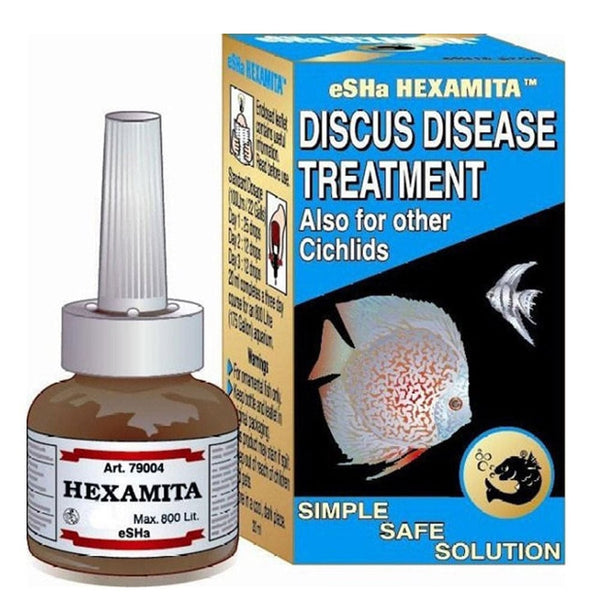
Medications help keep discus fish healthy and fight diseases. Using them the right way is important to avoid harm.
Learn when to use medicine, common treatments, and how to avoid overuse to protect your fish.
When To Medicate
Only give medicine when you see clear signs of disease. Early symptoms include spots, odd swimming, or loss of appetite.
Do not medicate if your fish look healthy. Use medicine as a last option, not as a routine.
Common Treatments
Some medicines work well for discus diseases. These include antibiotics, antifungals, and antiparasitics.
| Medicine Type | Used For | Example |
| Antibiotics | Bacterial infections | Kanamycin |
| Antifungals | Fungal infections | Malachite Green |
| Antiparasitics | Parasite control | Metronidazole |
Avoiding Overuse
- Follow the medicine instructions carefully
- Do not use medicine longer than needed
- Change water often during treatment
- Keep the tank clean to prevent disease
- Consult a vet if unsure about treatment
Credit: www.pond-planet.co.uk
Frequently Asked Questions
How Can I Prevent Diseases In Discus Fish?
Maintain clean water by regular tank changes. Feed high-quality food and avoid overfeeding. Quarantine new fish before introducing them to the tank.
What Are Common Symptoms Of Discus Fish Diseases?
Look for lethargy, loss of appetite, faded colors, clamped fins, and unusual spots. Early detection helps in effective treatment.
How Often Should I Clean A Discus Fish Tank?
Clean the tank partially every week, changing 20-30% of the water. Avoid full cleanings to preserve beneficial bacteria.
What Water Parameters Help Prevent Discus Fish Diseases?
Maintain temperature around 82-86°F, pH between 6. 0-7. 0, and low ammonia and nitrite levels. Stable conditions reduce stress and illness.
Conclusion
Preventing discus disease keeps your fish healthy and happy. Clean water and good food help stop sickness early. Watch your fish daily for any changes in behavior or look. Quarantine new fish before adding them to the tank. Keep the tank clean and stable to avoid stress.
These simple steps protect your discus from many common diseases. Healthy fish live longer and look more beautiful. Care and attention make a big difference in fish health. Keep learning and stay patient to enjoy a thriving aquarium.