
Have you ever stared at a discus fish and wondered why their colors seem to change or why some look so different from others? Understanding discus color variations can completely change how you see these beautiful creatures.
Whether you’re a beginner or have kept discus fish for years, knowing what causes these stunning colors will help you choose the right fish and care for them better. Keep reading, and you’ll discover the secrets behind their vibrant hues and what they mean for your aquarium.

Credit: www.pvas.com
Discus Fish Basics
Discus fish are popular aquarium fish known for their bright colors and round shape. They belong to the cichlid family and come from South America.
Understanding their origins and features helps keep them healthy and happy in home tanks.
Origins And Natural Habitat
Discus fish live in the Amazon River basin in South America. They prefer slow-moving waters with many plants and trees.
The water is warm, soft, and slightly acidic. These conditions are important for their health and color.
- Found mainly in Brazil, Peru, and Colombia
- Live in shaded areas with low light
- Water temperature usually between 82°F and 86°F (28°C to 30°C)
- Soft water with low minerals
Physical Features And Size
Discus fish have a round, flat body that looks like a disc. Their shape helps them move easily in water with plants.
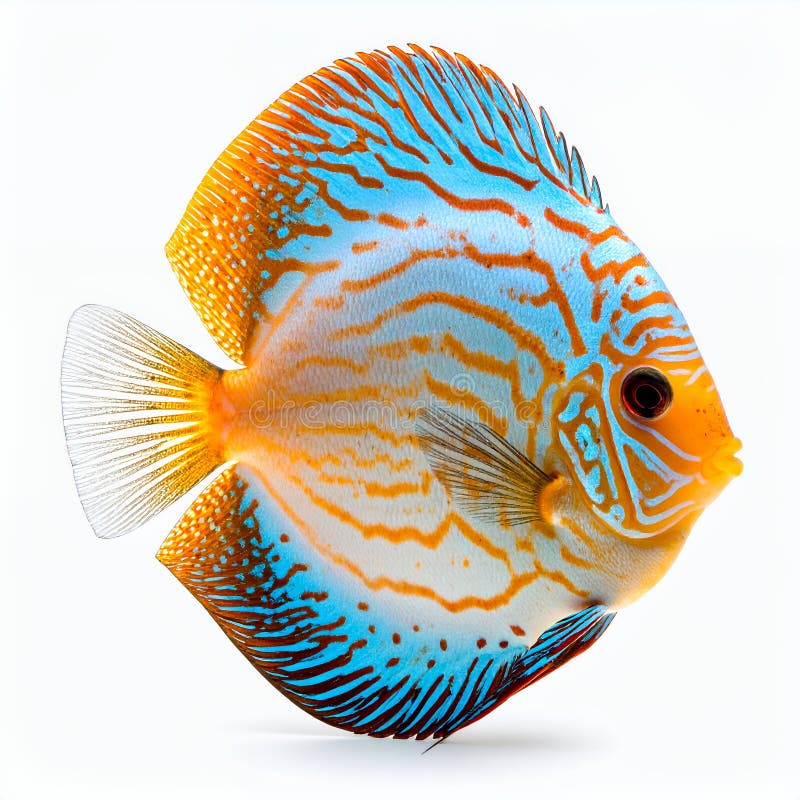
They grow to about 8-10 inches (20-25 cm) in length. Their colors vary widely, from blue and green to red and yellow.
- Body shape: round and flat
- Average size: 8-10 inches (20-25 cm)
- Colors: many types, including solid, striped, and spotted
- Fins: long and flowing, adding to their beauty
Common Discus Colors
Discus fish show many colors that attract fish lovers worldwide. These colors come in solid shades and patterned designs. Knowing these helps in choosing the best discus for your tank.
Each color type has its own charm and care needs. Let’s explore the common solid colors and patterned varieties found in discus fish.
Solid Colors
Solid color discus have one main color covering their body. These colors are bright and easy to spot. They are popular because of their clean, simple look.
- Red Discus: Bright red or orange shades.
- Blue Discus: Deep blue or turquoise hues.
- Green Discus: Soft green tones, sometimes with yellow.
- Albino Discus: Pale pink or white with red eyes.
- White Discus: Pure white with no other markings.
Patterned Varieties
Patterned discus have unique designs on their bodies. These patterns can be spots, stripes, or marbled effects. They add variety and beauty to any aquarium.
| Pattern Type | Description |
| Checkerboard | Square spots in a grid-like pattern. |
| Snakeskin | Fine lines resembling snake scales. |
| Leopard | Dark spots spread over a lighter body. |
| Marble | Swirled colors mixing two or more shades. |
| Striped | Vertical or horizontal lines along the body. |
Genetics Behind Colors
Discus fish display many beautiful colors. Their colors come from their genes. Genetics explain how colors pass from parents to offspring.
Understanding genetics helps breeders create new color patterns. This knowledge guides selective breeding to improve colors.
Color Inheritance
Color inheritance means how color traits pass from parent fish to babies. Genes carry information about color traits. Some genes are dominant and others are recessive.
- Dominant genes show their color even if only one copy is present.
- Recessive genes need two copies to show their color.
- Multiple genes can affect one color pattern.
- Some colors come from mutations in color genes.
Selective Breeding
Selective breeding means choosing parent fish with specific colors. Breeders mate these fish to get desired colors in offspring. This process takes patience and knowledge.
| Breeding Method | Purpose | Result |
| Pairing similar colors | Enhance a single color | Stronger, clearer color in babies |
| Crossing different colors | Create new color patterns | Unique and rare color combinations |
| Breeding for mutations | Fix new colors in population | Stable new color varieties |
Popular Color Variations
Discus fish come in many colors. These colors make them popular in fish tanks.
Each color variation has its own look and care needs. Let’s explore the popular types.
Blue Discus
Blue Discus have a deep blue shade. They often show a bright blue or turquoise shine.
These fish are calm and add cool colors to tanks. They need clean water to keep their color.
Red Discus
Red Discus are bright and eye-catching. Their red can range from light to deep shades.
These fish are lively and add warmth to your tank. They like stable water conditions.
Green Discus
Green Discus show a mix of green and yellow colors. They often have patterns with spots or stripes.
This color helps them blend in with plants. They prefer tanks with lots of plants and hiding spots.
Albino And White Variants
Albino Discus have a pale pink or white color. Their eyes are usually red or pink.
White variants have a clean white look with slight color shades. Both need gentle lighting to protect their skin.
Environmental Effects On Color
Discus fish show many color variations. Their environment plays a big role in these colors. Small changes can make colors look different.
Understanding how the environment affects discus colors helps keep them bright and healthy. Two main factors are water conditions and diet.
Water Conditions
Water quality affects discus color a lot. Clean, stable water helps colors stay vibrant. Poor water makes colors dull or faded.
Temperature, pH, and hardness also change their colors. Warmer water can deepen colors. Extreme changes stress fish and harm their color.
- Keep water clean with regular changes
- Maintain stable temperature around 82°F (28°C)
- pH should be slightly acidic to neutral (6.0-7.0)
- Soft to moderately hard water works best
Diet Impact
What discus eat changes their color brightness and tone. A good diet with natural pigments helps improve reds and blues.
Foods rich in carotenoids, like shrimp and certain plants, boost red and orange colors. Balanced nutrition keeps colors strong and healthy.
- Feed high-quality flakes or pellets with color enhancers
- Add live or frozen foods like brine shrimp
- Include vegetables like spinach for greenish hues
- Feed small amounts often to keep colors vivid
Credit: www.dreamstime.com
Enhancing Discus Colors
Discus fish are famous for their stunning colors. Many factors influence their color brightness. This guide will help you enhance their natural hues.
Proper care leads to vibrant discus colors. Focus on the right tank setup and nutrition. These play a big role in color development.
Optimal Tank Setup
The tank environment affects discus colors. Clean water is vital for their health. A stable temperature helps maintain their bright shades.
Lighting also influences color. Use soft, warm lights to highlight their beauty. Decorations can help fish feel secure, reducing stress and enhancing colors.
- Keep water clean and clear
- Maintain stable temperature around 82-86°F
- Use soft, warm lighting
- Add plants and hiding spots
Nutrition Tips
Proper nutrition boosts discus colors. A varied diet is important. Include both plant and animal-based foods.
High-quality pellets and flakes can enhance colors. Fresh foods like brine shrimp and bloodworms are excellent choices too.
| Food Type | Benefits |
| Pellets and Flakes | Provide essential nutrients |
| Brine Shrimp | Rich in protein |
| Bloodworms | Enhance red and yellow hues |
Caring For Colorful Discus
Discus fish are known for their vibrant colors. Proper care helps maintain these colors.
They need a clean environment and balanced diet. Stress affects their color.
Health And Stress Factors
Healthy discus have bright colors. Stress can dull their appearance.
Water quality is important. Poor conditions increase stress.
- Keep water temperature stable
- Regularly change water
- Monitor pH levels
- Provide hiding spots
Breeding For Color
Breeding can enhance discus colors. Select parents with desired traits.
Colorful offspring result from careful breeding. Patience is required.
| Color Trait | Breeding Pair |
| Red | Red male and female |
| Blue | Blue male and female |
Choosing The Right Discus
Discus fish come in many colors and patterns. Choosing the right one can brighten your aquarium.
It is important to consider how discus colors fit with tankmates and your personal taste.
Matching Colors With Tankmates
Choose discus colors that blend well with other fish in your tank. This keeps your aquarium calm and beautiful.
- Pick colors that do not scare other fish
- Avoid bright discus with shy tankmates
- Use soft colors to create harmony
- Watch for fish that may fight over color space
Selecting Based On Color Preferences
Discus colors range from red and blue to yellow and green. Your choice depends on what you enjoy most.
| Color Variation | Common Traits | Best For |
| Red Discus | Bright and bold | Experienced keepers |
| Blue Discus | Calm and cool | Peaceful tanks |
| Yellow Discus | Warm and sunny | Colorful community tanks |
| Green Discus | Unique and rare | Specialty collections |

Credit: www.lowingyatwwff.com
Frequently Asked Questions
What Causes Different Discus Color Variations?
Discus color variations result from genetics, selective breeding, and environmental factors. Different gene combinations create distinct colors and patterns. Breeders enhance these traits to develop vibrant and unique Discus fish varieties popular in aquariums worldwide.
How Do Lighting Conditions Affect Discus Colors?
Lighting impacts how Discus colors appear. Bright light enhances vividness, while dim light may dull colors. Proper aquarium lighting helps display their natural beauty and can influence their mood and health positively.
Can Diet Influence Discus Color Intensity?
Yes, diet plays a key role in color intensity. Nutrient-rich foods with carotenoids and vitamins boost vibrant colors. Feeding high-quality flakes, pellets, and live foods helps maintain bright and healthy Discus fish.
Are Color Variations Linked To Discus Health?
Color changes can indicate health issues. Fading or dull colors might signal stress, illness, or poor water quality. Maintaining stable tank conditions and monitoring fish behavior ensures Discus stay healthy and colorful.
Conclusion
Discus fish come in many beautiful colors and patterns. Each variation adds charm to your aquarium. Understanding these colors helps you care for them better. Choose the right discus to match your tank’s style. Enjoy the vibrant beauty they bring to your home.
Keep learning about their needs for a happy fish. Your discus will thrive with proper attention and care. Colors make them special, and care makes them healthy. A colorful discus tank brightens any space.