
Are you ready to take your aquarium hobby to the next level? Breeding discus fish can be a rewarding challenge that brings vibrant colors and life to your tank.
But it’s not always easy—success depends on the right knowledge and care. This guide will walk you through everything you need to know to breed discus fish confidently. By the end, you’ll have the tools to create a thriving environment for your discus to reproduce and grow.
Keep reading, and discover how you can turn your aquarium into a beautiful discus breeding haven.
Choosing Healthy Discus
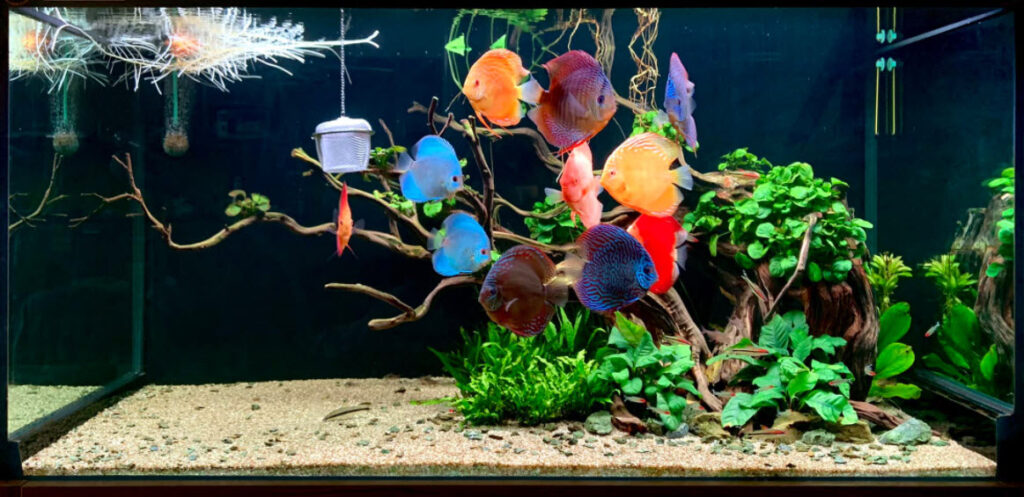
Choosing healthy discus fish is important for successful breeding. Healthy fish show bright colors and active behavior. They adapt well to new tanks and eat regularly.
Knowing how to pick the right discus can help you raise strong babies. This guide covers how to identify breeding pairs and consider age and size.
Identifying Breeding Pairs
Look for pairs that swim close together and clean a flat surface. These behaviors show they may be ready to breed. Healthy pairs have smooth fins and no signs of disease.
- Choose fish with bright, even colors
- Pick pairs that show strong, steady swimming
- Watch for mutual cleaning behavior
- Avoid fish with torn fins or spots
Age And Size Considerations
Discus fish are best for breeding when they reach 12 to 18 months old. Size matters too; pairs should be about 5 to 6 inches long. Younger or smaller fish may not breed well.
| Age | Size | Breeding Readiness |
|---|---|---|
| Under 12 months | Less than 5 inches | Usually not ready |
| 12 to 18 months | 5 to 6 inches | Ideal for breeding |
| Over 18 months | Above 6 inches | May breed well |
Credit: aquainfo.nl
Setting Up The Breeding Tank
Preparing the right tank is key for breeding discus fish. A calm and clean environment helps them spawn.
Setting up the tank carefully improves the chances of successful breeding and healthy fry.
Tank Size And Environment
A tank of 20 to 30 gallons works best for a discus breeding pair. This size gives enough space without overwhelming the fish.
Keep the tank in a quiet room with stable light and temperature. Avoid loud noises or sudden changes.
Water Conditions And Parameters
Discus fish need soft, warm water for breeding. The water should be clean and slightly acidic.
- Temperature: 82-86°F (28-30°C)
- pH level: 6.0 to 6.5
- Water hardness: 1-4 dGH
- Keep water clear with regular changes
Use a gentle filter to avoid strong currents. Test water often to keep conditions steady.
Decor And Spawning Sites
Discus prefer flat surfaces for laying eggs. Provide smooth rocks or slate for them to spawn on.
Add some live plants or driftwood to create hiding spots. This helps reduce stress and encourages breeding.
- Use broad leaves or flat stones for spawning
- Arrange plants to form calm areas
- Keep decor easy to clean to prevent mold
Preparing For Spawning
Preparing your discus fish for spawning is important for a healthy breeding process. Proper care and environment help the fish feel safe and ready.
Before spawning, focus on nutrition, conditioning, and watching their behavior closely. These steps increase the chances of successful breeding.
Diet And Nutrition
Good food helps discus fish build strength and stay healthy for spawning. Offer a balanced diet with high protein and vitamins.
Feed a mix of live, frozen, and high-quality pellets to provide variety and nutrients. This supports egg development and energy.
- Bloodworms and brine shrimp for protein
- Vegetable flakes for vitamins
- Pellets designed for discus fish
- Feed small amounts multiple times a day
Conditioning The Fish
Conditioning means preparing the fish’s body for spawning. Keep the water clean and stable in temperature and pH.
Change 25% of the water twice a week. Keep the tank temperature around 82-86°F (28-30°C) for best results.
- Use a soft sponge filter to avoid stress
- Keep water pH between 6.0 and 6.5
- Provide plenty of hiding spots with plants or decorations
Behavioral Signs Of Readiness
Discus fish show specific behavior when ready to spawn. Watch for these signs to know when to start breeding.
The pair will clean a flat surface and stay close together. They may also show more color and protect their area.
- Circling and cleaning a leaf or tank wall
- Increased color brightness
- Pairing up and staying close
- Chasing away other fish
Spawning Process
Discus fish have a unique spawning process that requires care and attention. Understanding each step helps ensure successful breeding.
This guide covers the main stages: mating rituals, egg laying and fertilization, and protecting the eggs.
Mating Rituals
Discus pairs perform special behaviors before spawning. They clean a flat surface together, like a leaf or a broad plant leaf.
They swim side by side and touch each other gently. This bonding helps prepare them for breeding.
Egg Laying And Fertilization
The female lays small, round eggs on the cleaned surface. She usually lays 100 to 400 eggs in one spawning.
The male follows and releases sperm to fertilize the eggs. Fertilization happens quickly after the eggs are laid.
- Eggs are sticky and attach firmly to the surface
- Fertilized eggs are clear or light yellow
- Unfertilized eggs turn white and should be removed
Protecting The Eggs
Both parents guard the eggs from predators and harmful conditions. They fan the eggs with their fins to keep them clean and oxygenated.
Parents remove any fungus or dead eggs to protect the healthy ones. This care continues until the eggs hatch, usually within 48 to 60 hours.
Caring For Fry
Discus fry need careful care to grow healthy and strong. Their early days are very important for survival and growth.
Good water quality, proper feeding, and a safe environment help fry develop well. Watch them closely every day.
Hatching Timeline
Discus eggs hatch in about 48 to 60 hours after spawning. Fry stay attached to the breeding site for several days.
- Day 1-2: Eggs hatch and fry remain attached to the parents’ mucus.
- Day 3-4: Fry start to swim freely but stay close to parents.
- Day 5-7: Fry begin to eat small food particles.
Feeding Young Discus
Young discus need special food to get nutrients for growth. Start feeding them small, soft foods.
| Age of Fry | Type of Food | Feeding Frequency |
| 0-7 days | Parent mucus and infusoria | Continuous |
| 7-14 days | Baby brine shrimp and crushed flakes | 4 times daily |
| 14+ days | Small live foods and finely chopped pellets | 3 times daily |
Tank Maintenance For Fry
Keep the tank clean to prevent diseases. Change water carefully and avoid strong currents.
- Change 20% of the water every day using dechlorinated water.
- Use a sponge filter to keep water clean and safe.
- Keep water temperature steady between 82°F and 86°F (28°C to 30°C).
- Remove leftover food to avoid water pollution.
Troubleshooting Common Issues
Breeding discus fish can be rewarding but also challenging. Many breeders face common issues during the process.
Understanding these problems helps in ensuring a healthy and successful breeding experience.
Egg Fungus And Disease
Egg fungus is a common problem in discus breeding. It can spread quickly and harm the eggs.
Maintaining clean water and using antifungal treatments can help prevent this issue. Monitor the eggs regularly.
- Ensure proper water filtration
- Use antifungal treatments as needed
- Remove infected eggs promptly
Aggression Between Parents
Sometimes, discus parents show aggression towards each other. This can stress them and affect the breeding process.
Providing enough space and hiding spots can reduce aggression. Observing their behavior helps to intervene early.
- Provide ample space in the tank
- Add hiding spots like plants or rocks
- Separate aggressive fish if needed
Low Hatching Rates
Low hatching rates can be disappointing for breeders. It might be due to temperature, water quality, or parental care.
Check all conditions in the tank. Make adjustments to improve the environment for the eggs and the parents.
- Maintain optimal water temperature
- Ensure high water quality
- Monitor parental care regularly
Advanced Breeding Tips
Breeding discus fish requires dedication and precision. Advanced techniques can improve your breeding success.
Learn how to enhance your breeding methods with these focused tips on selective breeding, breeding traps, and raising multiple pairs.
Selective Breeding Techniques
Selective breeding helps improve desired traits in discus fish. Choose the healthiest and most vibrant fish for breeding.
- Identify fish with strong color patterns
- Choose those with a good body shape
- Select fish that show strong health and behavior
Using Breeding Traps
Breeding traps can protect young fry from larger fish. They provide a safe environment for breeding pairs.
Raising Multiple Breeding Pairs
Raising multiple pairs can increase your chances of successful breeding. Each pair needs its own space.
| Number of Pairs | Recommended Tank Size |
| 1 | 20 gallons |
| 2 | 40 gallons |
| 3 | 60 gallons |

Credit: www.amazon.com
Credit: aquainfo.nl
Frequently Asked Questions
How Do You Start Breeding Discus Fish Successfully?
Begin with healthy, mature discus fish aged at least 12 months. Provide a separate breeding tank with stable water conditions and optimal temperature around 82°F (28°C). Feed them high-quality, protein-rich foods to encourage spawning behavior.
What Water Conditions Are Ideal For Discus Breeding?
Maintain clean, soft water with pH between 6. 0 and 6. 5. Keep temperature steady at 82°F to 86°F (28°C to 30°C). Regular water changes and gentle filtration improve breeding success by mimicking natural Amazonian habitats.
How Long Does Discus Breeding And Spawning Take?
Discus pairs typically lay eggs within 3 to 5 days after pairing. Eggs hatch in 48 to 60 hours, and fry become free-swimming after 5 to 7 days. Patience and consistent care are key during this process.
What Do Discus Parents Eat During Breeding?
Feed discus parents a varied diet including live or frozen bloodworms, brine shrimp, and high-quality pellets. This boosts their energy and promotes healthy egg production and parental care.
Conclusion
Breeding discus fish takes patience and care. Keep water clean and steady. Feed your fish healthy food every day. Watch the fish closely for signs of spawning. Provide a calm and safe environment for eggs. Stay consistent with your routine to help fry grow strong.
Enjoy the process and learn with each attempt. Breeding discus can bring joy and a deeper bond with your fish. Keep these tips in mind for successful breeding. Your effort will pay off with healthy baby discus.