
Are you confused about which thermometer to choose for your home or work? Whether you’re checking your child’s fever or measuring the temperature in your kitchen, picking the right thermometer makes a big difference.
Digital and analog thermometers both have their own strengths and weaknesses. Understanding these can save you time, money, and frustration. In this guide, you’ll discover the clear facts about digital vs analog thermometers, helping you make the best choice for your needs.
Keep reading—your perfect thermometer is just a few minutes away.
Types Of Thermometers
Thermometers measure temperature in many ways. They help us check body heat or weather conditions.
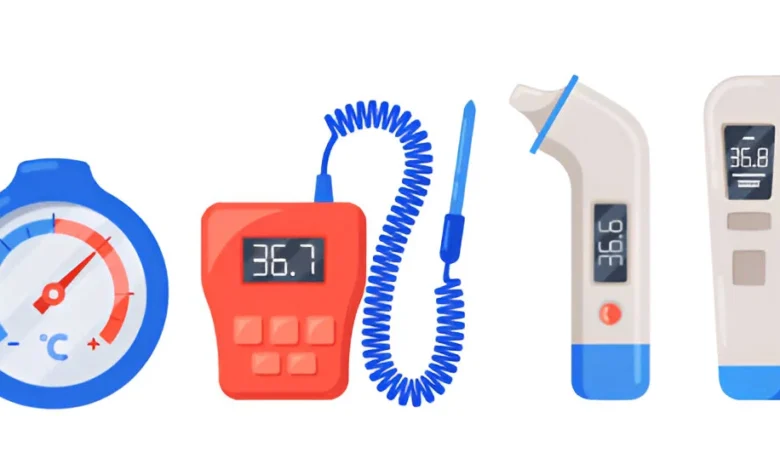
There are two main types of thermometers: digital and analog. Each type works differently and has uses.
Digital Thermometers
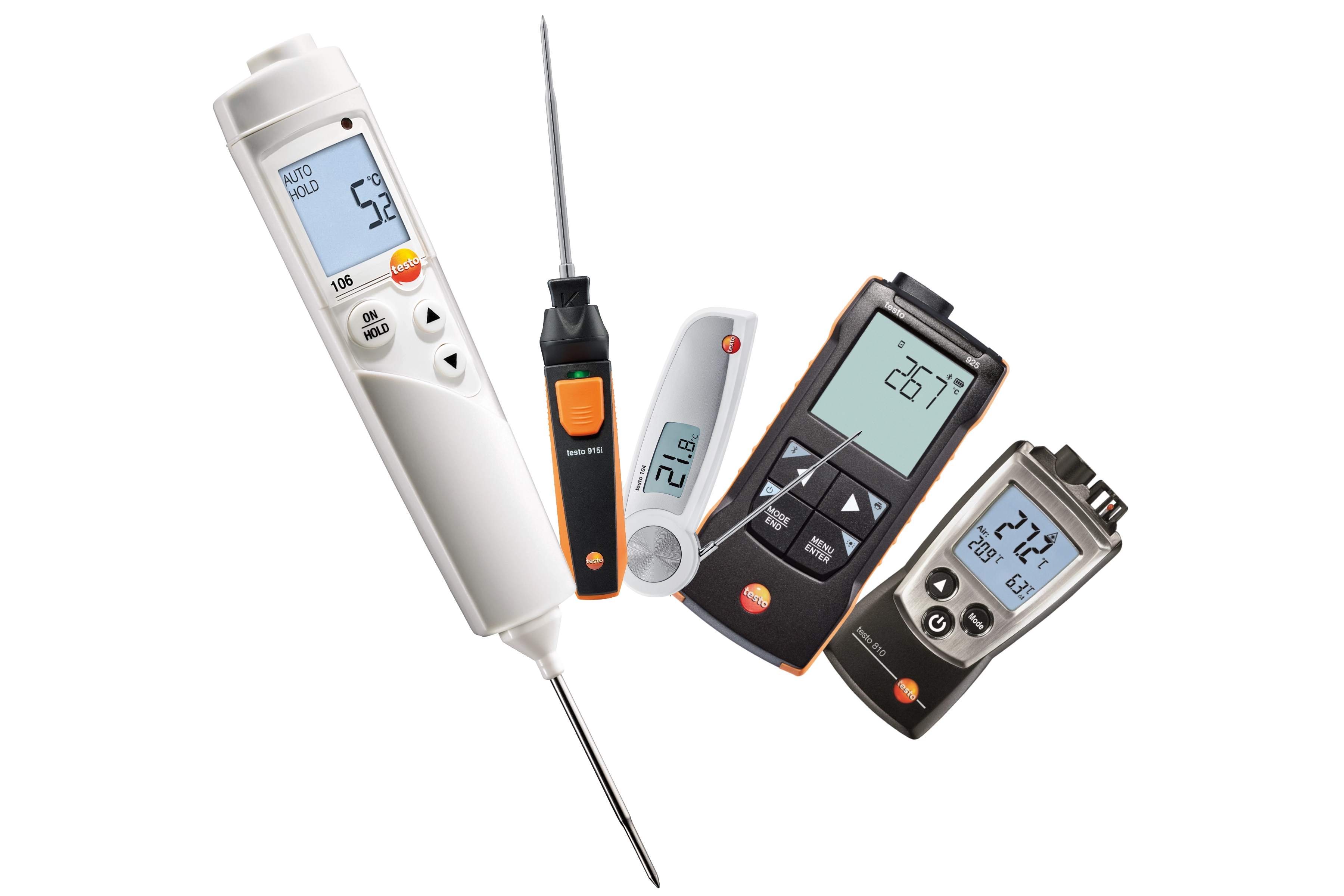
Digital thermometers show temperature as numbers on a screen. They use electronic sensors to get readings.
These thermometers are fast and easy to read. They often beep when the reading is ready.
- Use electronic sensors for accuracy
- Display temperature in numbers
- Can measure in Celsius or Fahrenheit
- Commonly used for body and room temperature
- Require batteries to work
Analog Thermometers
Analog thermometers use physical changes to show temperature. They often have a glass tube with liquid inside.
The liquid rises or falls depending on the temperature. You read the temperature by looking at the scale next to the liquid.
- Use liquid like mercury or alcohol
- Temperature shows by liquid level
- No need for batteries
- Often used in labs and weather stations
- Can be slower to show changes

Credit: www.kjcooswi.com
How They Work
Thermometers measure temperature by detecting heat levels. Digital and analog thermometers use different ways to show temperature.
Understanding how they work helps choose the right one for your needs.
Digital Sensor Technology
Digital thermometers use electronic sensors to measure temperature. These sensors detect changes in heat and convert them into numbers.
The sensor sends data to a small computer chip inside the device. The chip then shows the temperature on a digital screen.
- Common sensors include thermistors and infrared sensors
- Thermistors change resistance with temperature
- Infrared sensors detect heat from objects without contact
- Digital screens display clear, easy-to-read numbers
Analog Mercury And Dial Mechanisms
Analog mercury thermometers use a glass tube with mercury inside. Mercury expands when heated and moves up the tube to show temperature.
Dial thermometers have a metal coil inside. The coil expands or contracts with heat, moving a needle on the dial to show the temperature.
- Mercury expands and rises in the glass tube
- Temperature reads by looking at the mercury level
- Dial uses a metal coil that twists with temperature changes
- The needle points to the temperature on a numbered dial
Accuracy And Reliability
Thermometers measure temperature using different methods. Digital and analog types show readings in unique ways. Understanding their accuracy and reliability helps you choose the right tool.
Accuracy means how close a thermometer shows the true temperature. Reliability is how well it keeps working over time without errors.
Factors Affecting Digital Readings
Digital thermometers use sensors and electronics to measure temperature. Their readings depend on many factors that can change accuracy.
Battery power and sensor quality impact digital readings. Low battery can cause wrong numbers. Dirty or damaged sensors give false results.
- Battery level affects device performance
- Sensor cleanliness influences accuracy
- Calibration errors may cause wrong readings
- Environmental factors like humidity affect sensors
- Response time varies by sensor type
Factors Affecting Analog Readings
Analog thermometers use physical changes like mercury expansion to show temperature. They depend on material and design for accuracy.
Damage to the tube or air bubbles changes readings. The scale must be clear and well marked to avoid mistakes.
- Mercury or alcohol purity affects accuracy
- Tube damage or air bubbles cause errors
- Scale markings need to be easy to read
- Position of the thermometer changes results
- Temperature changes slowly in analog types
Credit: www.testo.com
Speed And Ease Of Use
Choosing between digital and analog thermometers depends on how fast and easy you want to get temperature readings. Both types show temperatures but work in different ways. Understanding their speed and ease helps you pick the right one.
This guide compares digital and analog thermometers based on how quickly they respond and how easy they are to read and use.
Response Time Differences
Digital thermometers usually give temperature readings faster than analog ones. They use electronic sensors that detect changes quickly. Analog thermometers rely on physical changes, which take more time.
- Digital thermometers can show results in seconds.
- Analog thermometers may take a minute or more to stabilize.
- Fast response is helpful for quick checks.
- Slower response can cause delays in measuring.
User Interface And Readability
| Thermometer Type | User Interface | Readability |
| Digital | Screen with numbers | Clear and easy to read |
| Analog | Dial or mercury column | Requires careful reading |
Digital thermometers have screens that show numbers directly. This makes it simple to read temperatures quickly. Analog thermometers have dials or lines that need close attention to read correctly. Some people find analogs harder to use because of this.
Durability And Maintenance
Choosing between digital and analog thermometers affects how you care for them. Durability and maintenance are key factors for long use.
Both types need proper handling and upkeep to stay accurate and last longer.
Battery And Electronic Care
Digital thermometers need batteries to work. Check and replace batteries regularly to avoid errors.
Keep the electronic parts dry and clean. Avoid dropping or exposing them to strong magnets.
- Change batteries every 6-12 months
- Use the right battery type recommended by the maker
- Store in a dry place to prevent damage
- Clean the screen with a soft, dry cloth
Handling And Calibration
Analog thermometers are more durable but need careful handling. Avoid bending or dropping them.
Both types must be calibrated sometimes to keep accurate readings. Follow the instructions for calibration.
- Store thermometers in protective cases
- Do not expose to extreme temperatures when not in use
- Calibrate annually or as recommended
- Check accuracy by comparing with a trusted thermometer
Cost Considerations
Choosing between digital and analog thermometers involves thinking about costs. Understanding these costs helps make a smart choice.
Costs include what you pay first and what you spend over time. Let’s explore both.
Initial Investment
Digital thermometers often cost more to buy at first. They have advanced features and screens.
Analog thermometers are usually cheaper. They are simple and do not need batteries.
- Digital: Higher initial cost
- Analog: Lower initial cost
Long-term Expenses
Digital thermometers need batteries or charging. This adds to long-term costs.
Analog thermometers have fewer long-term expenses. They do not need power.
- Digital: Ongoing battery or charging costs
- Analog: Minimal ongoing costs
Best Applications
Thermometers come in two main types: digital and analog. Each type works better in certain places. This guide helps you choose the right thermometer for different uses.
Digital thermometers use electronic sensors and show numbers on a screen. Analog thermometers use liquids or dials to show temperature. Both have their strengths.
Home Use
At home, people check room temperature, food, or body temperature. Digital thermometers give quick and clear readings. Analog types are simple and do not need batteries.
- Digital thermometers work well for cooking meat or baby food.
- Analog thermometers can monitor indoor room temperature.
- Digital models are good for fast body temperature checks.
Medical Settings
Hospitals and clinics need very accurate and fast readings. Digital thermometers provide precise data and easy reading for doctors and nurses. Analog thermometers are less common here.
| Type | Accuracy | Speed | Ease of Use |
| Digital Thermometer | High | Fast | Easy |
| Analog Thermometer | Moderate | Slow | Moderate |
Industrial Uses
Factories and plants often measure very high or low temperatures. Analog thermometers can handle harsh conditions without batteries. Digital types offer data logging and remote reading features.
Common industrial uses include:
- Monitoring machine temperatures
- Checking chemical process heat
- Measuring environmental temperatures in storage areas
Tips For Choosing
Choosing between a digital and an analog thermometer can be tricky. Both types have unique features and benefits. This guide will help you make an informed decision.
Consider your specific needs, the features each type offers, and important safety factors. These aspects will guide you to the right choice for your situation.
Assessing Your Needs
Think about where and how you will use the thermometer. For quick readings, digital types are more efficient. If you prefer simplicity, analog models might suit you better.
Consider if you need to measure in different environments. Digital thermometers often work in various settings, while analog ones are more basic.
Comparing Features
Digital thermometers usually have easy-to-read displays. They may offer memory functions and alarms. Analog thermometers are straightforward with no need for batteries.
Decide if advanced features like Bluetooth connectivity are important. Digital models often include these, whereas analog ones focus on simplicity.
- Digital: Fast readings, memory storage
- Analog: No batteries, simple design
Safety Factors
Safety is crucial when choosing a thermometer. Ensure the thermometer is safe for your intended use. Digital thermometers may come with child-safe covers.
Check if the thermometer is mercury-free. Many digital and some analog thermometers offer this feature, reducing health risks.
| Type | Safety Feature |
| Digital | Child-safe covers |
| Analog | Mercury-free options |
Credit: sts-calibration.com
Frequently Asked Questions
What Is The Main Difference Between Digital And Analog Thermometers?
Digital thermometers use electronic sensors for quick, accurate readings. Analog thermometers rely on mercury or alcohol expansion to measure temperature. Digital types offer faster results and easier reading, while analog ones are simple, battery-free, but slower and less precise.
Are Digital Thermometers More Accurate Than Analog Ones?
Yes, digital thermometers generally provide more accurate and consistent readings. They use advanced sensors and display exact temperatures. Analog thermometers can be less precise due to manual reading errors and slower response times.
Which Thermometer Is Better For Home Use, Digital Or Analog?
Digital thermometers are better for home use due to their ease of use and faster results. They offer clear digital displays and memory functions. Analog thermometers are simple but less convenient for quick, accurate readings at home.
How Do Digital Thermometers Measure Temperature?
Digital thermometers measure temperature using electronic sensors like thermistors or thermocouples. These sensors detect temperature changes and convert them into digital signals, displayed on the screen instantly and accurately.
Conclusion
Choosing between digital and analog thermometers depends on your needs. Digital thermometers offer quick and clear readings. Analog types work without batteries and are simple to use. Both have pros and cons to think about. Consider accuracy, ease, and purpose before buying.
This guide helps you decide the best fit. Temperature checks become easier with the right tool. Remember, knowing your options makes a smart choice. Take your time and pick what suits you best.