
Are you curious about the unique Dalmatian Molly and want to make sure you can spot one easily? This guide is made just for you.
Whether you’re a beginner or have some experience with aquarium fish, knowing how to identify a Dalmatian Molly will help you care for it better and enjoy its lively presence. Keep reading, and you’ll discover simple tips and clear details that make recognizing this striking fish a breeze.
By the end, you’ll feel confident spotting your own Dalmatian Molly in any tank.
Dalmatian Molly Traits
Dalmatian Mollies are popular freshwater fish. They have unique features that make them easy to spot.
This guide will help you identify Dalmatian Mollies by their traits. Learn about their colors, shape, and markings.
Color Patterns
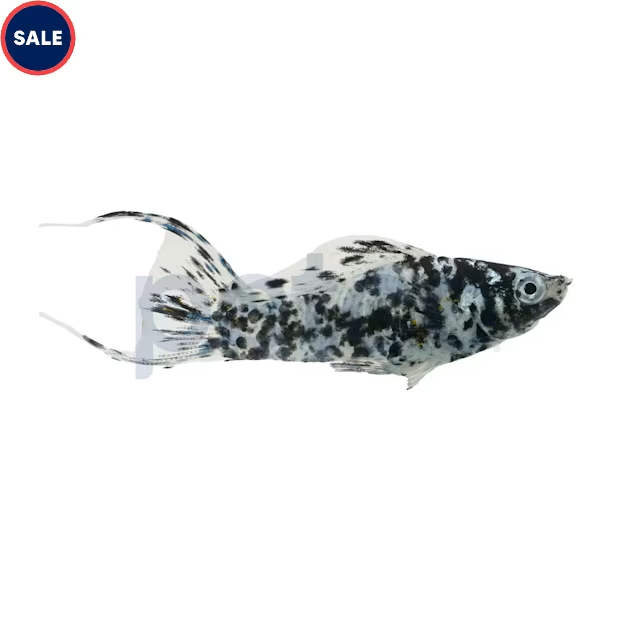
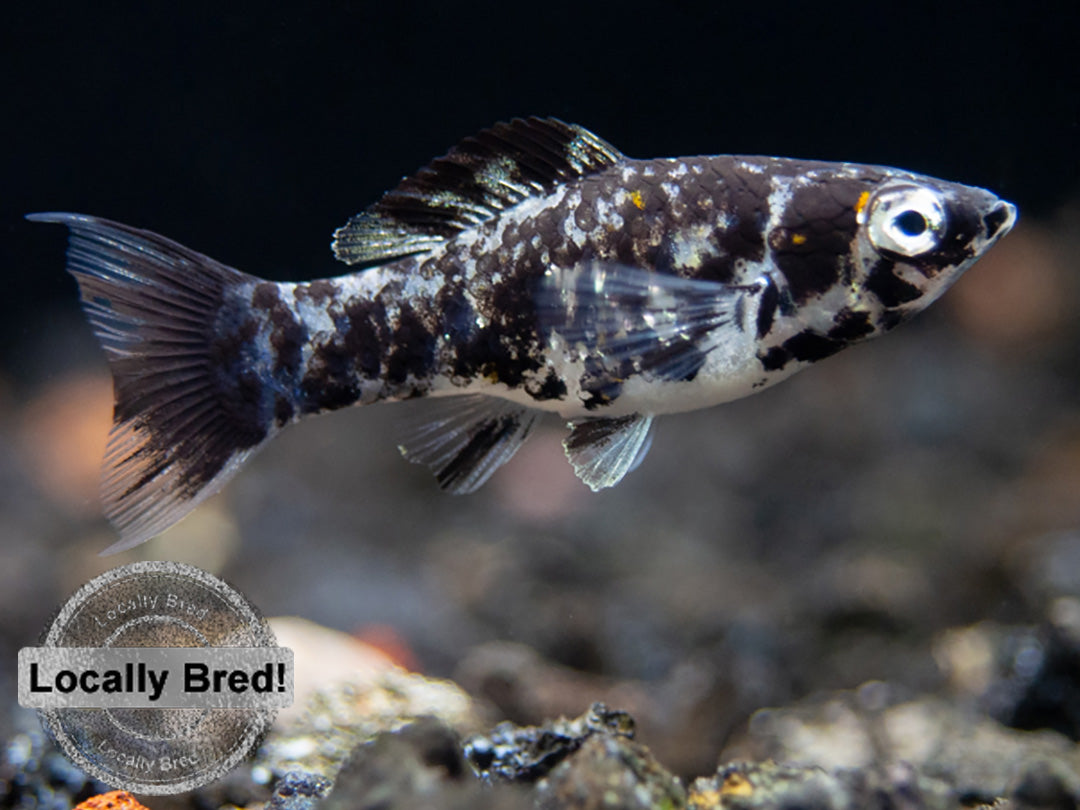
Dalmatian Mollies have a white or light base color. Their bodies are covered with black spots.
The spots vary in size and shape, making each fish unique. The contrast between the white and black is very clear.
- Base color: white, silver, or light gray
- Spots: black, irregular shapes
- Spot placement: random but dense
Body Shape And Size
Dalmatian Mollies have a slender, elongated body. They swim actively and have smooth movements.
Adults usually grow between 3 to 4 inches long. Males tend to be smaller and slimmer than females.
- Body: slender and elongated
- Length: 3 to 4 inches (7.5 to 10 cm)
- Male size: smaller, slimmer
- Female size: larger, rounder
Distinctive Markings
Dalmatian Mollies have unique black spots on their fins as well. This adds to their Dalmatian-like look.
The spots appear on the dorsal, tail, and pectoral fins. The fins are usually clear or lightly colored.
- Black spots on fins match body spots
- Dorsal fin: often spotted or striped
- Tail fin: spotted with clear edges
- Pectoral fins: smaller spots or none
Credit: www.petco.com
Behavior And Temperament
Dalmatian Mollies are popular aquarium fish known for their peaceful nature. They show gentle behavior that makes them good tank mates.
Understanding their behavior and temperament helps keep them healthy and happy in your aquarium.
Social Habits
Dalmatian Mollies enjoy living in groups. They feel safe and active when with other mollies.
They are not aggressive and usually get along with other peaceful fish species.
- Prefer groups of at least three or more
- Display schooling behavior for comfort
- Can be shy if kept alone
Feeding Behavior
Dalmatian Mollies are omnivores and eat a variety of foods. They nibble constantly throughout the day.
They accept flakes, pellets, and live or frozen foods like brine shrimp and bloodworms.
- Feed small amounts 2-3 times daily
- Enjoy plant-based foods and algae
- Will graze on algae in the tank
Activity Levels
Dalmatian Mollies are moderately active fish. They swim around the tank calmly but often explore their environment.
They need enough space to swim freely and prefer tanks with plants and hiding spots.
- Active during the day
- Rest near plants or decorations at night
- Enjoy tanks with open swimming areas
Habitat Needs
Dalmatian Mollies need a healthy and stable habitat to thrive. Proper care ensures they stay active and colorful.
Knowing their habitat needs helps you create the best environment for these fish.
Tank Setup
Dalmatian Mollies need a tank of at least 20 gallons. This space lets them swim comfortably.
Add plants and hiding spots to make the tank feel safe. Use smooth gravel or sand as the tank bottom.
- Minimum tank size: 20 gallons
- Use live or artificial plants
- Include hiding places like rocks or caves
- Soft gravel or sand for substrate
Water Conditions
Dalmatian Mollies prefer clean, warm water with stable conditions. Regular water changes help keep them healthy.
Maintain proper pH and temperature to match their natural habitat.
- Temperature: 72–82°F (22–28°C)
- pH level: 7.5 to 8.5
- Hardness: Moderately hard to hard water
- Regular partial water changes (25% weekly)
Compatible Species
Dalmatian Mollies are peaceful fish. They get along well with other gentle species.
Avoid aggressive or much larger fish to prevent stress or injury.
- Good tank mates: Guppies, Platies, Swordtails
- Other peaceful livebearers
- Avoid large or aggressive fish
- Keep groups of at least 3 to reduce stress
Credit: aquaticarts.com
Health And Care Tips
Dalmatian Mollies are lively fish that need good care to stay healthy. Understanding their health needs helps them live longer.
Proper care includes watching for illness, feeding right, and noticing stress signs. These tips keep your fish happy.
Common Illnesses
Dalmatian Mollies can get diseases like fin rot and ich. These illnesses harm their fins and skin.
Watch for white spots, ragged fins, or slow movement. Treat quickly to avoid spread and death.
- Fin rot causes torn or discolored fins.
- Ich appears as small white spots on the body.
- Swim bladder issues make swimming hard.
- Fungal infections show fuzzy patches on skin.
Diet Recommendations
Feed Dalmatian Mollies a balanced diet with plant and animal foods. This supports their health and colors.
Use high-quality flake food and add fresh vegetables like spinach or peas. Offer live or frozen foods sometimes.
- Use algae-based flakes or pellets as main food.
- Offer blanched vegetables once a week.
- Feed live brine shrimp or daphnia for protein.
- Feed small amounts 2-3 times daily.
Stress Indicators
Stress makes Dalmatian Mollies weak and sick. Watch how they act to spot stress early.
Signs include hiding, loss of color, or fast breathing. Fix water quality and tank mates to reduce stress.
- Fish hide often or stay at the bottom.
- Colors become dull or faded.
- Breathing fast or gasping at the surface.
- Refusing to eat or swimming erratically.
Breeding Dalmatian Mollies
Dalmatian Mollies are popular freshwater fish with unique spotted patterns. Breeding them can be rewarding for fish lovers.
This guide covers key points about breeding Dalmatian Mollies at home. Learn about ideal conditions, gestation, and caring for fry.
Breeding Conditions
Dalmatian Mollies need clean, warm water to breed well. Keep the tank temperature between 75°F and 80°F (24°C – 27°C).
Maintain a pH level around 7.5 to 8.0. Provide plenty of plants or hiding spots for females to feel safe.
- Water temperature: 75°F to 80°F (24°C – 27°C)
- pH level: 7.5 to 8.0
- Soft to moderately hard water
- Plenty of live plants or hiding places
- Good water filtration and regular changes
Gestation Period
Dalmatian Mollies are livebearers, meaning they give birth to free-swimming young. The gestation period lasts about 60 days.
During this time, females should get extra food like brine shrimp or high-quality flakes to stay healthy.
- Gestation lasts about 60 days
- Female fish become fuller and rounder
- Feed females nutritious food daily
- Separate pregnant females to reduce stress
Raising Fry
Fry are tiny and vulnerable. Use a separate tank or breeding box to keep them safe from adult fish.
Feed fry small foods like baby brine shrimp or crushed flakes. Change water often to keep the tank clean.
- Use separate tank or breeding box
- Feed baby brine shrimp or crushed flakes
- Change water regularly to keep it clean
- Provide gentle water flow and stable temperature
- Remove uneaten food to prevent pollution

Credit: aquaticarts.com
Identifying Dalmatian Mollies Variants
Dalmatian mollies are popular aquarium fish. They have unique patterns and colors. Identifying their variants helps in choosing the right fish for your tank.
This guide will help you distinguish between different Dalmatian molly variants. Understanding these differences ensures you make informed decisions for your aquarium.
Black Vs. Spotted Mollies
Black mollies are solid in color. They have a sleek, uniform appearance. Spotted mollies, on the other hand, have distinct spots. These spots vary in size and distribution.
Spotted mollies can have a mix of black and white. Their patterns resemble that of a Dalmatian dog. Observing these spots helps identify the molly type.
- Black mollies: Solid black color
- Spotted mollies: Mixed black and white spots
Other Color Variations
Dalmatian mollies come in other color variations too. These include orange, gold, and even silver. Each variant has its own charm.
These color variations are often subtle. They may appear as a tint over the base color. Careful observation is needed to spot these differences.
- Orange: Subtle orange tint
- Gold: Slight golden shimmer
- Silver: Faint silver hue
Hybrid Identification
Hybrid mollies are a mix of different species. They may have features from both parent fish. Identifying hybrids involves looking at patterns and body shape.
Hybrids may show unique color patterns. These can include unusual spot distributions or body shapes. Understanding these traits helps in identifying hybrids accurately.
| Feature | Description |
| Spot Pattern | Unusual distribution |
| Body Shape | Combination of parent features |
Frequently Asked Questions
What Are The Key Features Of Dalmatian Molly Fish?
Dalmatian Molly fish are known for their distinct black spots on a white or silver body. They have a streamlined shape and can grow up to 4 inches. Their peaceful nature makes them ideal for community tanks.
How To Identify Male And Female Dalmatian Mollies?
Male Dalmatian Mollies are slimmer with a pointed anal fin called a gonopodium. Females are rounder with a fan-shaped anal fin. Males are usually more colorful and active, especially during mating.
What Is The Typical Size Of A Dalmatian Molly?
Dalmatian Mollies typically grow between 3 to 4 inches in length. Size may vary based on diet and tank conditions. Proper care helps them reach their full size potential.
Can Dalmatian Mollies Be Confused With Other Molly Types?
Yes, Dalmatian Mollies can look similar to other Molly variants. Their unique black spots and body shape help differentiate them. Observing fin shape and coloration is key for accurate identification.
Conclusion
Dalmatian Molly fish have unique spots and bright colors. They are easy to spot once you know key features. Their peaceful nature makes them great for community tanks. Remember to watch their fins and body shape closely. Healthy fish are active and swim smoothly.
Knowing how to identify them helps you care better. Enjoy your Dalmatian Mollies and their lively presence in your tank. Keep learning and observing for a happy aquarium.